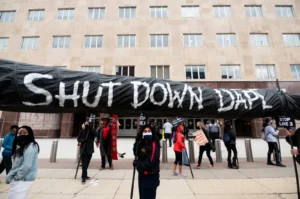
Nebraska Counties Halt Data Center Expansion Amid Rising Concerns Over Resource Consumption and Regulatory Oversight

The Otoe County Board of Commissioners recently signaled a significant shift in the local approach to industrial development, voting to implement a temporary moratorium on the issuance of permits for new data centers. The decision, which suspends applications for up to one year, reflects a growing sense of urgency among rural residents and local officials regarding the long-term impact of high-intensity digital infrastructure on Nebraska’s natural resources and public utilities. This move in Otoe County is not an isolated incident but rather part of a burgeoning movement across the state and the nation, as communities grapple with the massive requirements of the artificial intelligence boom and the physical infrastructure required to sustain a global digital economy.
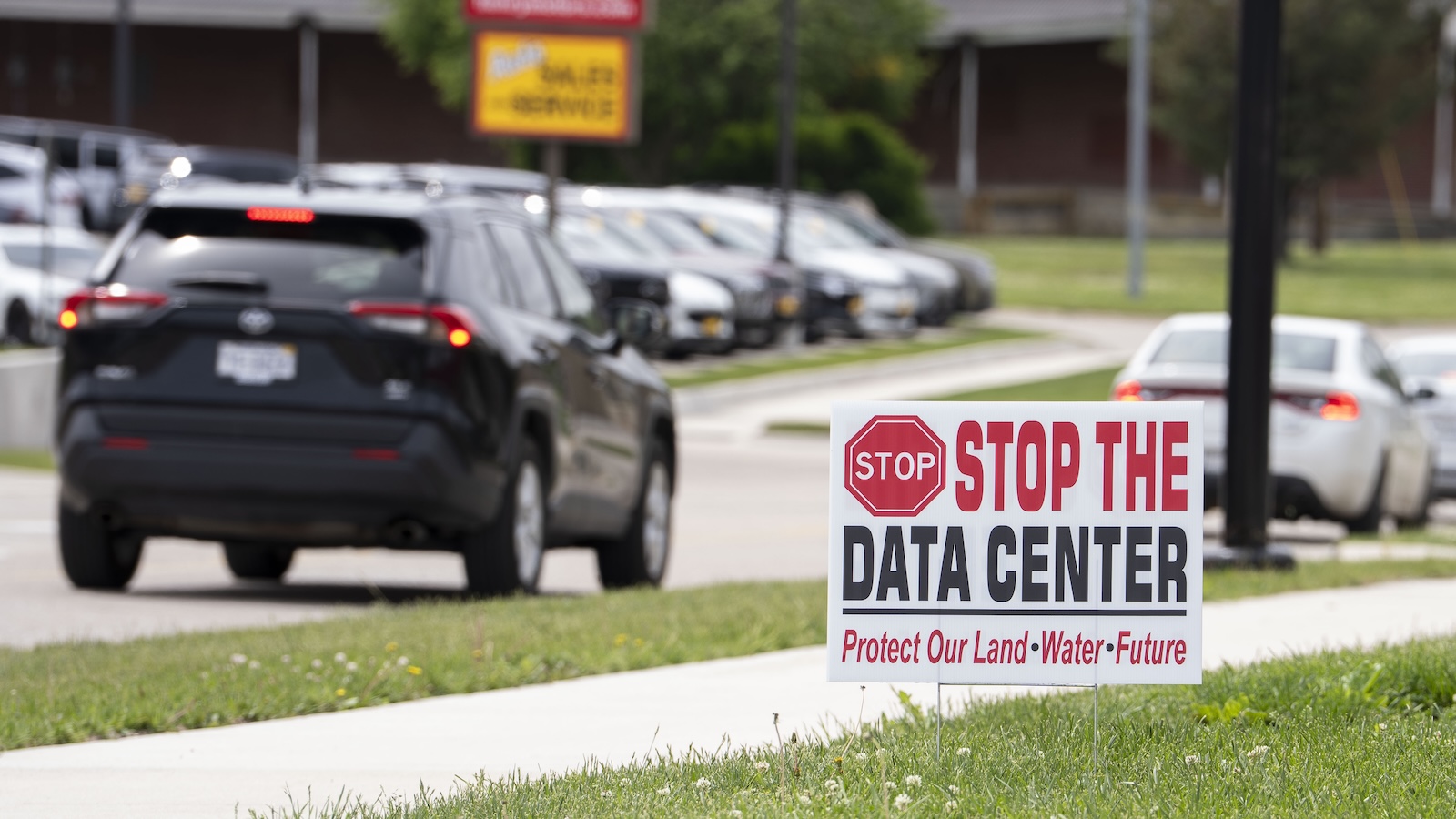
Standing before the Otoe County Board and a packed room of concerned neighbors, resident Wynee Benedict articulated a list of anxieties that have become common in town halls from the Midwest to the Eastern Seaboard. Her questions—ranging from the adequacy of local water supplies to the financial burden of expanded power infrastructure and the potential for "heat island" effects—summarized the friction between rapid technological expansion and the preservation of rural quality of life. The board’s decision to pause development, according to Commissioner Chuck Cole, is intended to provide a window for comprehensive study. Officials aim to evaluate how these massive facilities align with the county’s future land-use plans and to draft more robust regulations that address the unique challenges posed by data centers.
The Regional Landscape of Resistance
Otoe County’s moratorium is the latest chapter in a series of regulatory maneuvers by Nebraska counties. To the north, Madison County has already pivoted toward a "special permit" model. This framework requires data center developers to undergo a more rigorous vetting process, allowing for increased oversight and mandatory public hearings before any ground is broken. Meanwhile, in Gage County, the planning and zoning commission has scheduled hearings to discuss a similar moratorium, signaling that the desire for a "strategic pause" is spreading through the state’s agricultural heartland.
This trend is driven by a realization that data centers are fundamentally different from traditional industrial or commercial developments. Unlike a manufacturing plant that might employ hundreds of local workers, a data center typically offers a high capital investment but relatively few permanent jobs once construction is completed. For many residents, the trade-off—high resource consumption for minimal long-term employment—is increasingly difficult to justify.
A Legislative Catalyst for Urgency
The rush to implement moratoriums has been accelerated by a recent shift in Nebraska state law. According to Jon Cannon, executive director of the Nebraska Association of County Officials (NACO), a new legislative mandate requires counties to reach decisions on certain development projects within a strictly defined timeframe. The law was championed by supporters who argued it would prevent "not-in-my-backyard" (NIMBY) sentiments from needlessly stalling economic progress. However, the law appears to have triggered an unintended defensive reaction.
Faced with a "ticking clock" on permit applications, county boards feel they lack the time to properly vet complex, multi-billion-dollar proposals. Consequently, they are opting for moratoriums as a legal safeguard. "I think that you’re likely to see a number of counties that say, ‘We need to get our regulations in order,’ and they may put moratoriums on a lot of things, not just data centers," Cannon noted. He emphasized that when developers fail to communicate transparently with rural residents early in the process, it often leads to a breakdown in trust, particularly when residents learn about projects through rumors of land-option contracts rather than official channels.
The Resource Challenge: Water, Power, and Heat
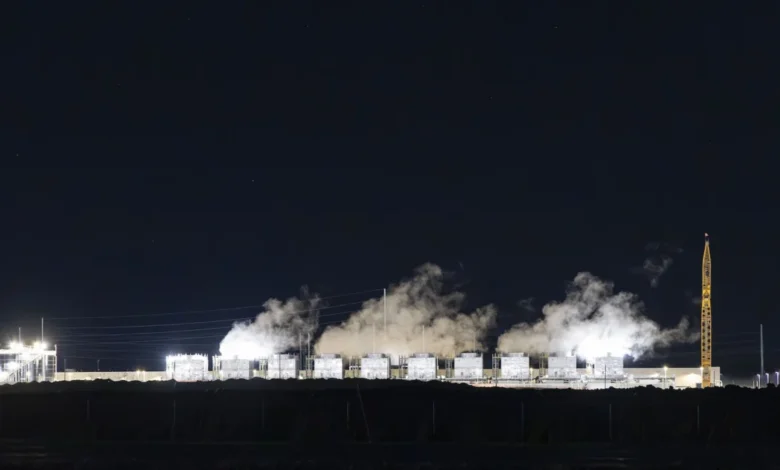
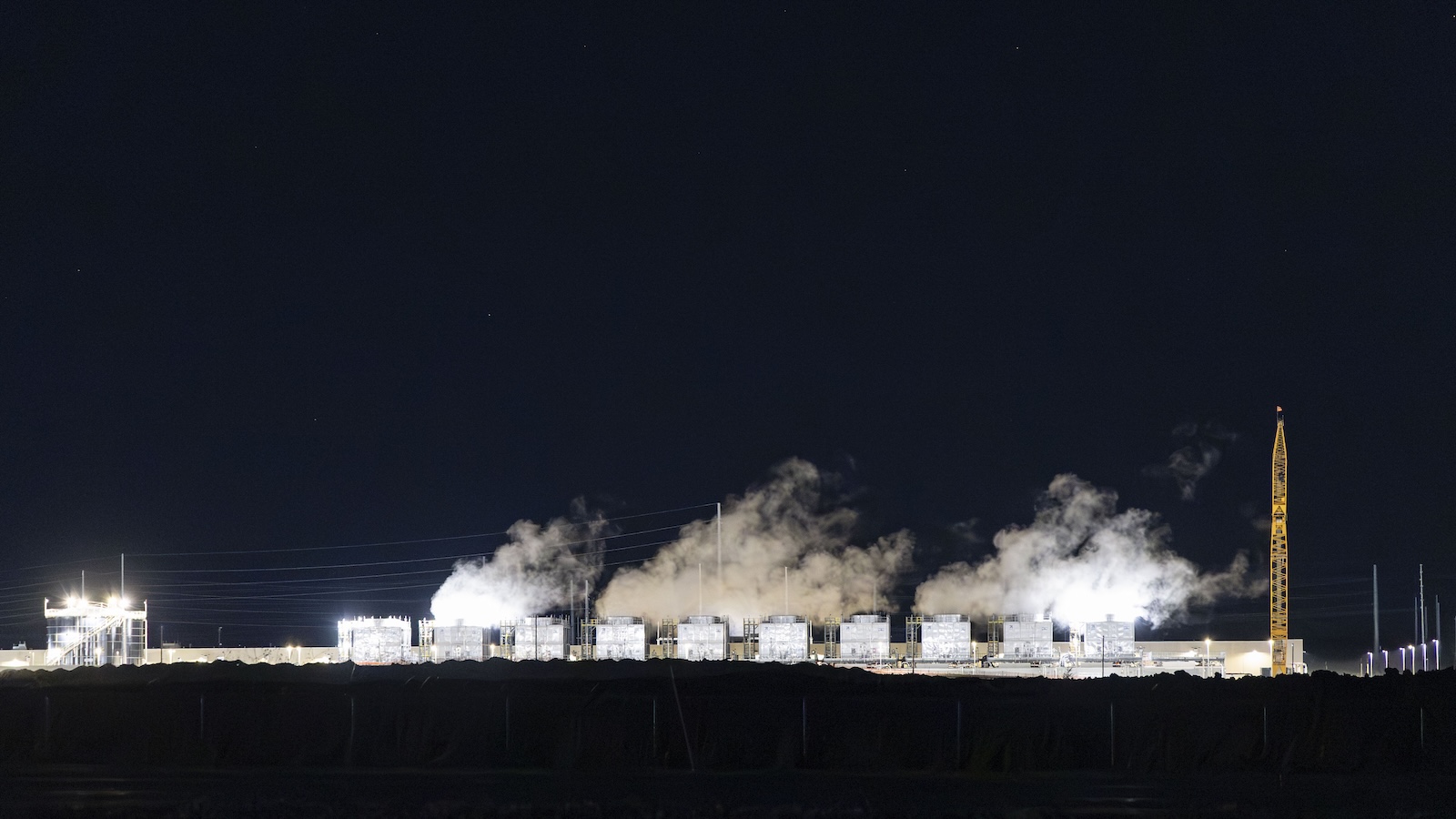
The primary drivers of public opposition are the sheer scale of resources required to keep data centers operational. These facilities house thousands of servers that generate immense amounts of heat. To prevent hardware failure, data centers rely on two primary cooling methods: evaporative cooling, which consumes millions of gallons of water daily, or mechanical air cooling, which requires massive amounts of electricity.
- Water Consumption: In many parts of Nebraska, water is the lifeblood of the agricultural economy. The prospect of a single data center consuming hundreds of millions of gallons of groundwater annually is a point of contention. While tech giants like Google and Microsoft have pledged to become "water positive" by 2030, local residents remain skeptical about the immediate impact on local aquifers, especially during periods of drought.
- Energy Grid Strain: Data centers operate 24/7, creating a "flat" load that puts constant pressure on the electrical grid. As the demand for AI-driven processing grows, the energy requirements of these facilities have skyrocketed. This often necessitates the construction of new substations and high-voltage transmission lines, the costs of which can sometimes be passed down to local ratepayers if not properly negotiated.
- The Heat Island Effect: Residents in Otoe County expressed concerns about "heat islands"—localized areas where the concentration of heat-emitting equipment and vast stretches of concrete and asphalt raise the ambient temperature. While usually associated with large urban centers, the footprint of a modern data center campus can rival that of a small city, potentially affecting local microclimates and agricultural conditions.
The National Context: A Growing Trend of Moratoriums
Nebraska’s local battles are a microcosm of a national debate. As of 2024, at least 14 states have weighed statewide moratoriums or more stringent regulations on data center development. In Virginia’s Loudoun County—often called "Data Center Alley"—officials are facing intense pressure to limit the expansion of the industry as it inches closer to residential neighborhoods and historic sites. In Georgia and South Carolina, legislators have proposed pausing tax incentives for data centers, arguing that the strain on the electrical grid outweighs the economic benefits.
The rapid rise of Generative AI has exacerbated these tensions. AI models require significantly more computing power than traditional cloud storage, leading to the design of "hyperscale" data centers. These facilities are larger and more resource-intensive than anything the industry has built previously, pushing the boundaries of what local infrastructures can support.
Analysis of Economic and Social Implications
The conflict in Otoe County highlights a fundamental tension in modern economic development: the digital economy requires physical space, but that space is rarely "empty." In Nebraska, the land targeted for data centers is often prime agricultural soil or located near small communities that value their rural character.
From a fiscal perspective, data centers can be lucrative. They provide a massive boost to the local property tax base, which can fund schools, roads, and emergency services without significantly increasing the population or the demand for social services. However, the lack of transparency in the early stages of development often poisons the well. Developers frequently use shell companies and nondisclosure agreements (NDAs) to acquire land, a practice that Jon Cannon suggests is counterproductive in Nebraska’s tight-knit communities.
"When people find out because their neighbor told them about a signed contract for a right of way—when people find out that way, they get very excited, and not in a good way," Cannon said. The lack of a centralized information source for data center locations, ownership, and resource usage in Nebraska further complicates the issue, leaving local officials to operate in an information vacuum.
Conclusion and Future Outlook
The one-year pause in Otoe County serves as a cooling-off period, both literally and figuratively. It allows the community to catch its breath and determine the terms under which it is willing to host the physical architecture of the internet. For the data center industry, the message from Nebraska is clear: the era of "rubber-stamp" approvals is ending.
As other counties like Gage and Madison move toward stricter oversight, the state may see a patchwork of regulations that could eventually lead to a more unified legislative approach at the Capitol in Lincoln. Until then, the burden remains on local commissioners to balance the allure of high-tech investment with the fundamental necessity of protecting the land and resources that have sustained the state for generations. The outcome of Otoe County’s study period will likely serve as a blueprint for other rural communities facing the same digital crossroads.