Representative Ocasio-Cortez Faces Accusations of Adopting Faux Southern Accent at Memphis Rally, Drawing Parallels to Kamala Harris

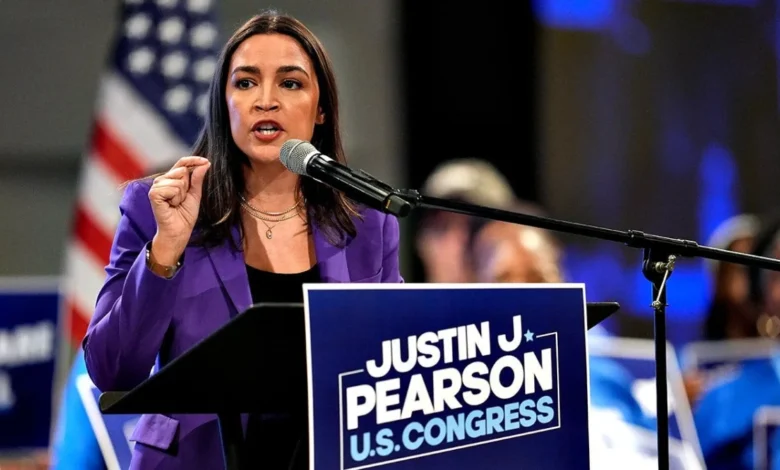
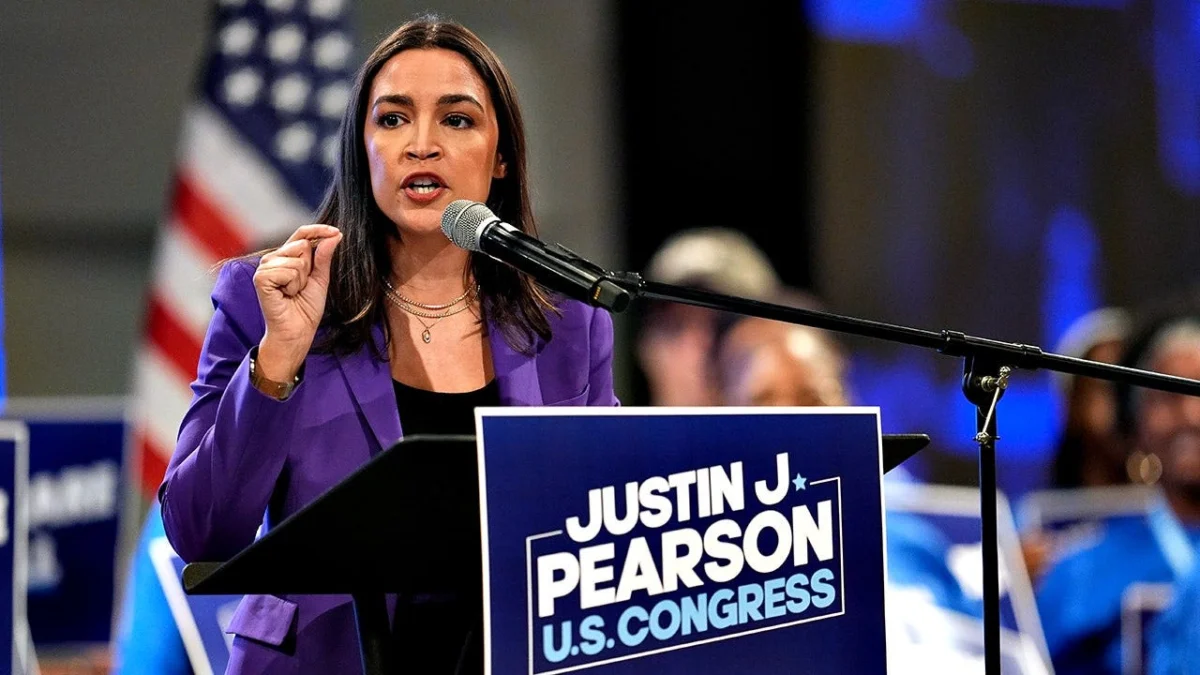
Representative Alexandria Ocasio-Cortez, the prominent Democratic congresswoman from New York, found herself at the center of a social media firestorm last week following her appearance at a campaign rally in Memphis, Tennessee. Critics swiftly accused Ocasio-Cortez of adopting an inauthentic Southern accent during her speech, drawing immediate comparisons to similar past allegations leveled against former Vice President Kamala Harris. The incident has ignited a broader discussion about political authenticity, regional identity, and the perils of perceived code-switching in the public sphere.
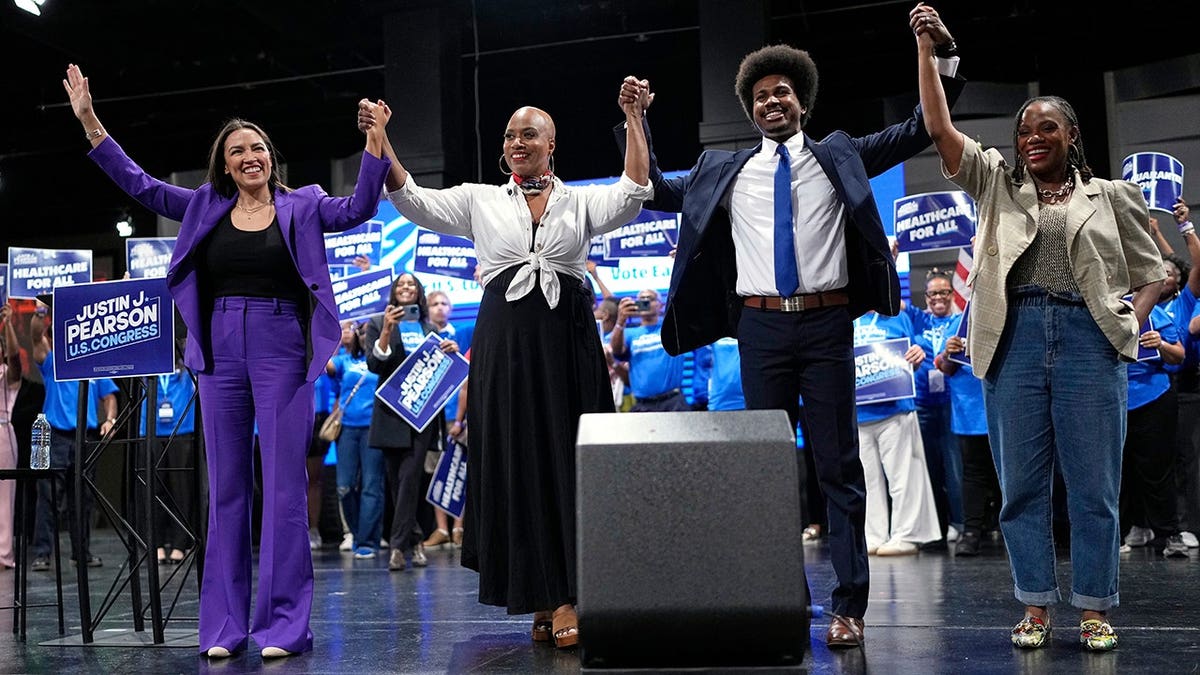
The Incident in Memphis: Campaigning for Justin Pearson
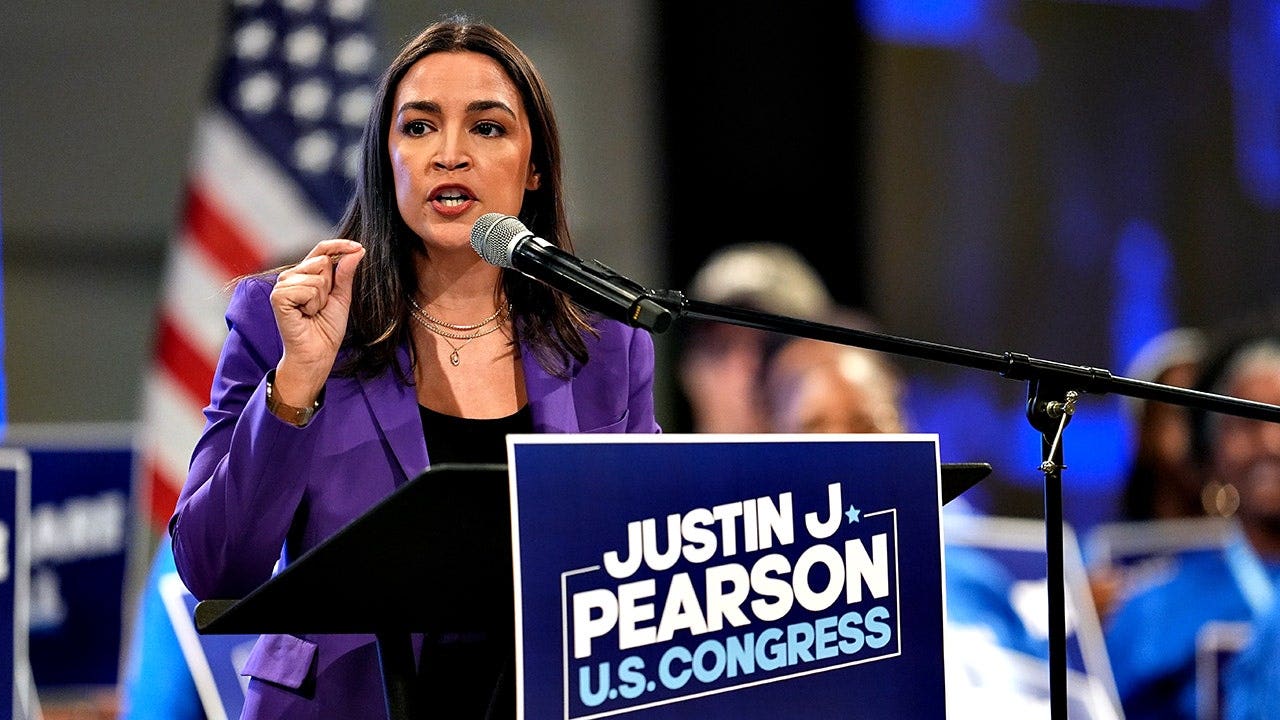
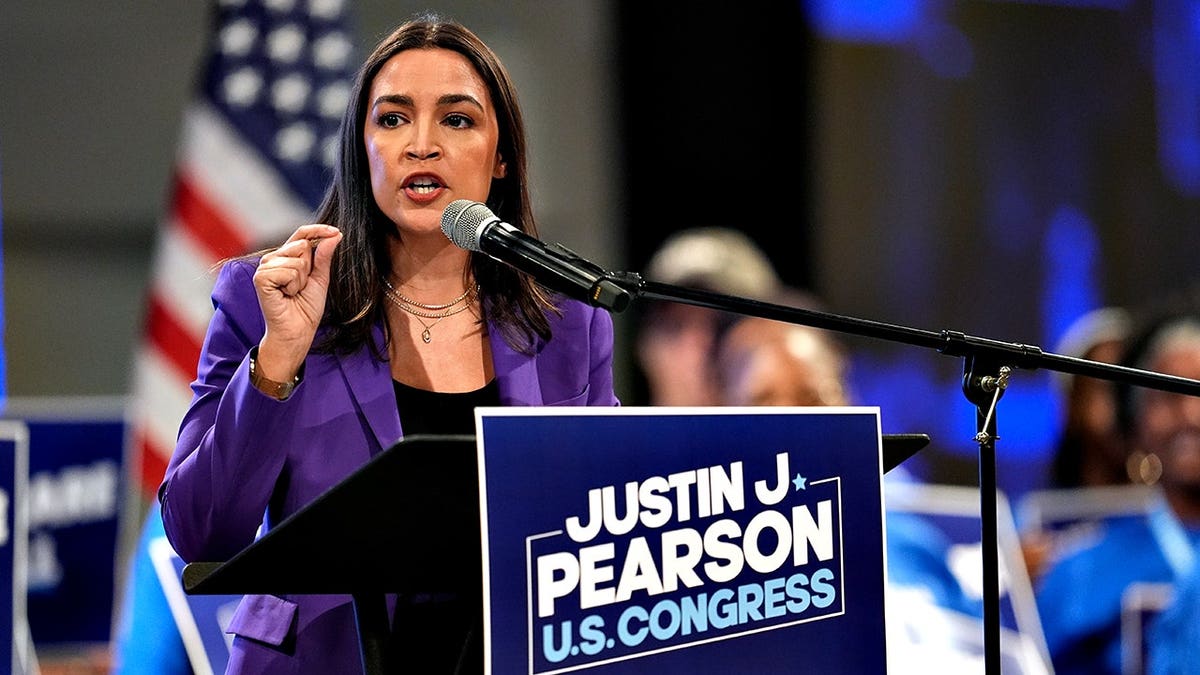
The controversial remarks were made on Friday, July 17, 2026, during a rally held in Memphis, Tennessee, where Ocasio-Cortez was campaigning in support of progressive U.S. House candidate Justin Pearson. Pearson, a Democratic state representative for Tennessee, is a rising figure in the progressive movement, known for his activism and advocacy on issues ranging from gun control to racial justice. His campaign has garnered significant national attention, attracting high-profile endorsements and appearances from influential progressive lawmakers.
During her address to the Memphis audience, Ocasio-Cortez emphasized the importance of national unity and the need for progressive values to extend across the country, particularly in the Southern states. "We cannot afford to leave Tennessee behind," she declared. "We cannot afford to leave Kentucky behind, Alabama behind, Mississippi behind, Georgia behind, South Carolina behind. There is no country where we are split apart." This message underscored a strategic push by the Democratic Party and its progressive wing to expand their influence beyond traditional strongholds, aiming to engage and mobilize voters in regions historically considered more conservative.
A specific passage from her speech, however, quickly became the focal point of criticism. Ocasio-Cortez recounted a previous visit to the South with fellow progressive Representative Ayanna Pressley. "About a month or two ago, we were in Montgomery, Alabama — Sister [Rep. Ayanna] Pressley and I were in Montgomery, Alabama, and one of the things that we said was that it is time for the North to roll up to the South," she stated. It was during this segment that online observers claimed her speech pattern shifted perceptibly, exhibiting inflections and pronunciations widely interpreted as an attempt to mimic a Southern dialect.
Social Media Outcry and Comparisons
The reaction on social media was swift and largely critical. Numerous users clipped and shared videos of the speech, highlighting the perceived change in Ocasio-Cortez’s delivery. Many pointed out the stark contrast between her usual Bronx-inflected speech and the tone adopted in Memphis. The accusations centered on the notion that the accent was "fake" or "put on," designed to appeal to the local audience rather than being a natural expression.
Among the prominent voices to weigh in was actor Michael Rapaport, who posted on social media, "AOC, from the ‘Bronx’ sounding like a southern Baptist preacher while in Memphis." Rapaport, who has publicly stated his intention to run for New York City mayor in 2029, framed his comment as a critique of what he saw as political inauthenticity. The "southern Baptist preacher" descriptor was particularly potent, evoking a specific cultural and oratorical style often associated with the region.
Conservative communications strategist Steve Guest also joined the chorus of critics, drawing direct parallels to previous instances involving other high-profile Democratic women. "Hillary Clinton developed an accent. Kamala Harris developed an accent. AOC is developing an accent. It’s all patronizing," Guest posted. This statement underscored a common conservative critique that such speech alterations are not genuine attempts at connection but rather calculated, condescending tactics to pander to specific demographics.
Another social media user directly linked Ocasio-Cortez’s actions to potential future political ambitions: "Rep. AOC just got busted putting on a FAKE ACCENT for a predominantly black audience. She’s seriously going full Kamala for 2028," referencing speculation about a potential presidential bid by Ocasio-Cortez in the future. The insinuation of a calculated move for future electoral gain added another layer to the criticism, suggesting a cynical manipulation of speech patterns.
The online backlash quickly gained traction, with thousands of shares, likes, and comments debating the merits of the accusation. While some defended Ocasio-Cortez, suggesting it was a natural phenomenon of "code-switching" or simply an enthusiastic oratorical style, the dominant narrative among critics was one of perceived deception and political opportunism.
A Pattern of Scrutiny: The Kamala Harris Precedent
The comparison to Kamala Harris was particularly pointed, given the former Vice President’s own history of facing similar accusations. Harris has been repeatedly scrutinized for allegedly altering her accent depending on the audience she addresses, a phenomenon that has become a recurring theme in her public image.
One notable instance occurred in July 2024, when Harris was criticized for using what many perceived as a fake Southern accent during a rally in Atlanta, Georgia. Critics pointed to a noticeable shift in her pronunciation and rhythm, which they believed was an attempt to resonate with the Southern crowd. Later that year, during a Labor Day rally in Detroit, Michigan, similar accusations resurfaced, with observers claiming she adopted inflections common to the region.
Perhaps the most internationally discussed instance was during her 2021 overseas trip to France. While touring a COVID lab, Harris was accused of using a "French accent" in some of her remarks. This particular incident sparked widespread mockery and debate, with many questioning the appropriateness and authenticity of such an alteration in a diplomatic setting. The White House, in response to these criticisms, often dismissed them as "insane" or politically motivated attacks, arguing that Harris’s speech patterns were natural and reflective of her diverse background and conversational style.
The repeated nature of these accusations against Harris has created a precedent, making any similar perceived speech shifts by other prominent Democratic figures, particularly women of color, subject to intense scrutiny and immediate comparison. This history provides critical context for understanding the intensity of the reaction to Ocasio-Cortez’s Memphis speech.
The Sociolinguistics of Political Speech: Code-Switching and Authenticity
The phenomenon at the heart of these accusations is often referred to as "code-switching" in sociolinguistics. Code-switching involves adjusting one’s language, dialect, or even non-verbal communication to fit different social contexts. This can include changes in vocabulary, syntax, pronunciation, and even intonation. It is a common human behavior, often unconscious, driven by a desire to assimilate, build rapport, or convey specific social cues within a group. For example, an individual might speak differently to their family, colleagues, or friends, or adjust their speech when moving between different geographical regions.
However, when politicians engage in perceived code-switching, especially across distinct regional or cultural lines, it can be interpreted in vastly different ways. On one hand, supporters might view it as an authentic attempt to connect with an audience, demonstrating empathy and cultural awareness. They might argue that a good communicator naturally adapts their style to resonate with listeners, mirroring their speech patterns to foster a sense of shared identity. This can be seen as a strategic and effective way to build trust and bridge divides.
On the other hand, critics often perceive such shifts as inauthentic, manipulative, or even condescending. They argue that it undermines a politician’s credibility by suggesting a lack of a consistent, genuine self. The accusation of "pandering" is frequently invoked, implying that the politician is merely performing for votes rather than genuinely understanding or belonging to the community they are addressing. This negative perception is often amplified when the perceived accent shift is dramatic or seems forced, leading to accusations of a "fake" accent.
Research in political communication suggests that authenticity is a highly valued trait by voters. Politicians who are perceived as genuine, consistent, and "one of us" often fare better than those seen as calculated or artificial. Therefore, even subtle linguistic shifts can become significant political liabilities if they are interpreted as a betrayal of authenticity. This dynamic is particularly pronounced in an era of constant media scrutiny and social media amplification, where snippets of speeches can be rapidly disseminated and dissected outside of their original context.
Political Strategy and Regional Outreach
Ocasio-Cortez’s visit to Memphis for Justin Pearson’s campaign is part of a broader Democratic strategy to increase engagement and voter turnout in the South. Historically, many Southern states have been challenging territories for progressive candidates. By sending high-profile figures like Ocasio-Cortez and Pressley, the Democratic Party aims to energize the progressive base, attract new voters, and signal a national commitment to these regions.
The phrase "time for the North to roll up to the South" itself encapsulates this strategic objective. It suggests a proactive effort by Northern progressives to engage with and support their Southern counterparts, fostering a sense of solidarity across geographical and ideological lines within the Democratic coalition. For candidates like Justin Pearson, who represents a new generation of Southern progressive leadership, endorsements and appearances from national figures can provide crucial momentum, fundraising opportunities, and media exposure.
However, this outreach also comes with inherent challenges. Bridging cultural and regional divides requires nuanced communication. While some might appreciate an attempt to adapt to local speech patterns as a sign of respect, others, particularly those outside the intended audience, might view it as an opportunistic appropriation of regional identity. The incident highlights the delicate balance politicians must strike between connecting with an audience and maintaining a consistent, authentic public persona. The risk of misinterpretation, especially in a politically polarized environment, is ever-present.
Historical Parallels in Political Communication
The scrutiny over politicians’ speech patterns is not a new phenomenon. Throughout American political history, public figures have faced criticism for perceived linguistic shifts. One of the most famous examples involves Hillary Clinton, particularly during her husband Bill Clinton’s campaigns. As she campaigned alongside him in Arkansas and other Southern states, critics often pointed to her adoption of a slight Southern drawl, contrasting it with her Northeastern roots. These observations, much like those against Harris and Ocasio-Cortez, fueled debates about her authenticity and political calculation.
Similarly, other politicians have been observed altering their speech for different audiences, sometimes subtly and sometimes more overtly. From presidential candidates adjusting their vocabulary for different demographics to local politicians emphasizing regional idioms, the practice is widespread. What distinguishes the recent accusations against figures like Harris and Ocasio-Cortez is the intensity of the social media response and the immediate comparison to past incidents, cementing a narrative of "fake accents" in the public consciousness. This points to an evolving media landscape where every vocal inflection can become a point of political contention.
The Broader Impact on Public Perception
The accusations against Ocasio-Cortez, much like those against Harris, contribute to a broader narrative about political authenticity and trust. In an era marked by deep political skepticism and distrust in institutions, any perceived deviation from a politician’s "true" self can be seized upon by critics as evidence of insincerity. This can have tangible impacts on a politician’s public image, potentially eroding voter confidence and making it harder to convey their policy messages effectively.
For Ocasio-Cortez, a figure who has cultivated a strong image as an authentic, grassroots voice, these accusations pose a particular challenge. Her appeal often lies in her perceived relatability and directness. If the "fake accent" narrative gains significant traction, it could undermine this core aspect of her political brand. Moreover, it reinforces a broader critique often leveled against progressive politicians: that they are out of touch with the experiences of everyday Americans, especially those in culturally distinct regions.
The incident also highlights the complexities faced by female politicians and politicians of color, who often navigate heightened scrutiny over their appearance, demeanor, and communication styles compared to their male counterparts. Accusations of inauthenticity can be particularly damaging when they tap into existing stereotypes or biases.
Response from Ocasio-Cortez’s Camp and Future Implications
As of the time of this report, Fox News Digital reached out to Representative Ocasio-Cortez’s team for comment on the "fake accent" accusations but did not receive an immediate response. The absence of an official statement is common in such situations, as campaigns often weigh the benefits of addressing such controversies against the risk of further amplifying them. A typical defense might involve asserting that the congresswoman was simply engaging enthusiastically with the audience, or that her speech patterns are naturally varied.
Looking ahead, this incident will likely be cited by critics in future discussions about Ocasio-Cortez’s public persona and potential political aspirations. It serves as a reminder of the constant scrutiny politicians face in the digital age, where every word and inflection can be analyzed and debated across vast online platforms. For progressive outreach efforts in the South, it underscores the need for genuine, deeply rooted engagement that transcends superficial linguistic adjustments. The challenge for politicians remains to connect with diverse audiences in a manner that is perceived as both effective and genuinely authentic.