Beyond the Platinum Coast: The Evolution of Barbados as a Multi-Faceted Global Destination in 2026

The island of Barbados, a cornerstone of Caribbean tourism, is currently undergoing a significant cultural and economic shift, moving beyond its long-standing reputation as an exclusive enclave for the global elite toward a more diverse, authentic, and environmentally conscious destination. This evolution is characterized by a "renaissance" that balances the island’s traditional high-end service with a burgeoning interest in its rugged eastern landscapes, sustainable "farm-to-table" gastronomy, and a vibrant creative heritage. As the island navigates the post-pandemic era and its recent transition to a republic, the tourism sector is adapting to a new demographic of travelers—ranging from Silicon Valley entrepreneurs to conservation-minded divers—who prioritize immersion over insulation.
The Strategic Shift in Barbadian Tourism
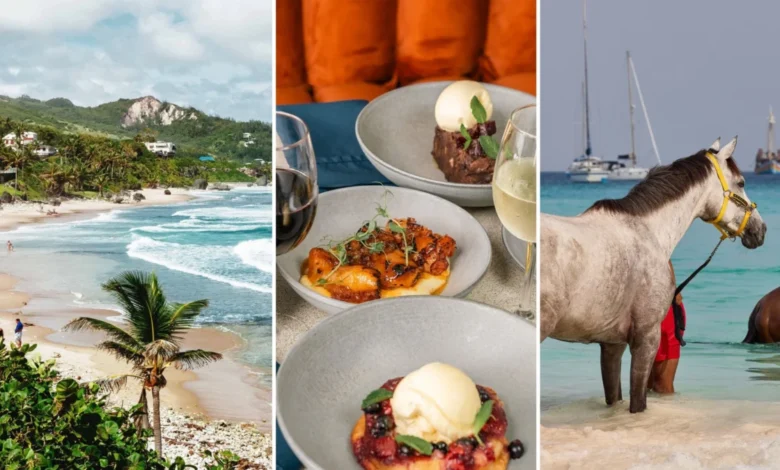
For decades, the "Platinum Coast" on the island’s western side has served as the primary engine for the Barbadian tourism economy. Home to calm waters and serene beaches, this region has traditionally catered to a high-net-worth clientele, epitomized by the iconic Sandy Lane resort. However, recent data and travel trends indicate a geographic broadening of interest. The south coast, once overshadowed by the west, has developed a "hipster" edge, characterized by a new boardwalk lined with independent bars and casual eateries. Simultaneously, the elemental and raw east coast—referred to by locals as being "behind God’s back"—is seeing a rise in down-to-earth wellness retreats.

This diversification is not merely accidental but reflects a strategic alignment with global travel trends. According to industry analysts, the modern traveler is increasingly seeking "grit" alongside "glamour." This is evidenced by the growing popularity of the island’s annual Rum & Food Festival, held each November, which has become a showcase for young Bajan chefs who are reinvigorating traditional cuisine with contemporary techniques.
A Chronology of Development and Cultural Heritage
The trajectory of Barbados as a premier travel destination is rooted in a deep history of hospitality and creative influence. Understanding the current landscape requires a look at the timeline of its development:
- 1950s: The foundation of modern luxury travel is laid. In the mid-1950s, Cynthia and Budge O’Hara purchased the Coral Reef Club, establishing a model for family-owned, community-focused luxury that remains a staple of the island today.
- 1970s–1980s: Barbados becomes a creative sanctuary for international icons. Figures such as Eddy Grant, members of The Rolling Stones, and the Monty Python troupe utilize the island as a base for artistic production, embedding a "rock and roll" spirit into the local culture.
- 2021: Barbados officially becomes a republic, removing the British monarch as head of state. This transition has bolstered a sense of national identity and a desire to showcase authentic Bajan heritage rather than colonial-era tropes.
- 2025: The digital infrastructure of the island sees a major upgrade with the official launch of Uber, addressing long-standing complaints regarding the elusiveness of public transport for visitors.
- June 2026: The opening of the Blue Monkey Hotel & Beach Club at Payne’s Bay marks a turning point in boutique hospitality, blending retro aesthetics with a focus on the island’s creative history.
The Hospitality Landscape: From Legacy Resorts to Boutique Innovation
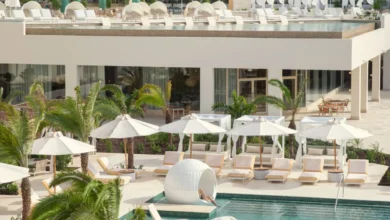
The Barbadian hotel industry is currently defined by a healthy competition between established "grande dames" and agile boutique newcomers. While Sandy Lane remains the most recognized name for exclusive service, other properties are capturing the attention of a younger, more varied demographic.

Cobblers Cove, featuring a distinctive pink pastel main house and only 40 suites, has become a hub for what industry insiders describe as "tattooed creatives" and technology professionals. The appeal lies in its "Insta-Eden" aesthetic—manicured gardens and frangipani-scented air—combined with a less formal, more intimate atmosphere.
In contrast, the Blue Monkey Hotel & Beach Club represents the "new wave" of Barbadian luxury. Built on the site of a formerly disused complex, the hotel incorporates retro tan leather sofas, expressionist wall art, and Smeg refrigerators, signaling a departure from the traditional mahogany-and-marble luxury. It also introduced "Amara," the island’s first Lebanese restaurant, reflecting the increasing internationalization of the local food scene.
Despite these changes, the O’Hara family’s Coral Reef Club and its sister property, The Sandpiper, continue to thrive by fostering a sense of community. With 94-year-old matriarch Cynthia O’Hara still hosting guest cocktail parties, these establishments offer an "antidote" to the impersonal nature of modern chain resorts, relying on multi-generational return guests.

Environmental Conservation and Marine Exploration
A critical component of the Barbadian experience in 2026 is the focus on marine health and the "blue economy." The island’s coral reefs, while world-renowned, face ongoing threats from climate change and invasive species.
Conservation efforts have become a part of the tourism narrative. Local dive shops, such as the family-run Reefers & Wreckers in Speightstown, lead excursions that go beyond sightseeing. Divers are increasingly involved in efforts to manage the invasive lionfish population, a species that threatens the biodiversity of the reefs. The diving scene itself remains robust, with accessible wrecks like the SS Stavronika and unique sites such as the "cement plant" pier pilings, which host seahorses and octopuses.
On the surface, catamaran cruises have evolved to offer more than "party boat" atmospheres. Companies like Breezy Days provide private excursions with professional chefs and have gained recognition for spontaneous wildlife rescue missions, such as turtle rehabilitations, reflecting a shift toward ethical tourism.

Gastronomy: The Intersection of Fine Dining and Street Culture
The Barbadian culinary scene is currently one of the most vibrant in the Caribbean, split between high-end "destination" dining and deeply rooted local traditions.
The Cliff remains the pinnacle of fine dining on the island. Frequently cited as a favorite of Barbadian national hero Rihanna, the restaurant offers an innovative raw bar and tableside service against the backdrop of a floodlit ocean. However, the true growth is seen in the "middle ground"—establishments like Cocktail Kitchen in St. Lawrence Gap. Led by award-winning chef Damian Leach, the restaurant specializes in elevated Bajan classics, such as curry goat and pigs’ tails with ginger-infused barbecue sauce.
On the more casual end of the spectrum, the Oistins Fish Fry every Friday remains a cultural cornerstone. Here, dozens of family-run stalls serve grilled and fried seafood in a communal, open-air setting. Beyond Oistins, the "food-to-table" movement is gaining traction at spots like EcoLodge on the east coast, where breadfruit and the catch of the day are served with views of the Atlantic, far from the commercial bustle of the west.

Infrastructure and Economic Implications
Tourism remains the primary driver of the Barbadian economy, accounting for a significant portion of the nation’s GDP. The shift toward a broader range of attractions—from the hanging gardens of Anthony Hunte to the rugged horse-riding trails of Ocean Echo Stables—is designed to distribute tourism dollars more evenly across the island’s parishes.
While transport has historically been a challenge, the introduction of ride-sharing services and the continued operation of the government-run "ZR" buses provide a layer of accessibility for those looking to explore beyond their resorts. Logistically, the "sweet spot" for travel remains May to June, providing a balance between lower crowds and the onset of the rainy season.
Broader Impact and Future Outlook
The evolution of Barbados serves as a case study for other Caribbean nations grappling with the balance of heritage and modernization. By embracing its "wilder" side and its creative history, Barbados is successfully rebranding itself as a destination that offers both the "laptop lock screen" beauty of its beaches and a "more real" cultural experience.

The implications of this shift are profound. By attracting a broader crowd—including younger professionals and conservationists—Barbados is insulating its tourism industry against the changing tastes of the global travel market. The island’s ability to maintain its "island time" philosophy while delivering top-notch service and modern infrastructure suggests a sustainable path forward. As 2026 approaches, Barbados stands not just as a relic of 20th-century glamour, but as a dynamic, multi-faceted republic that understands its greatest asset is the authentic character of its people and the raw beauty of its diverse coasts.