New York Governor Kathy Hochul Issues First Statewide Moratorium on Large Scale Data Centers to Protect Energy Grid and Utility Rates

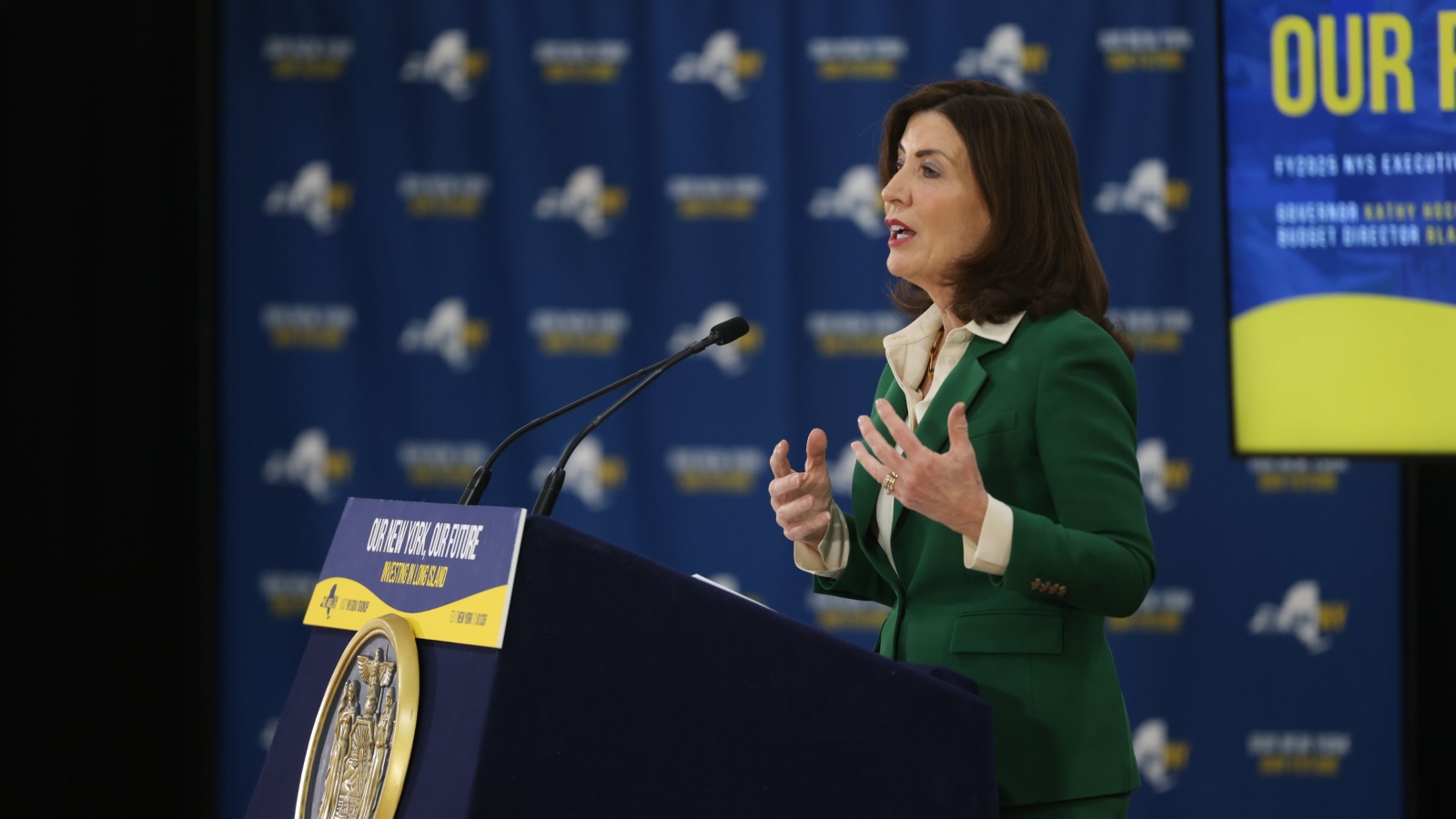
Governor Kathy Hochul, a Democrat, issued an executive order on Tuesday establishing a statewide moratorium on the construction of new large-scale data centers across New York, marking a historic shift in how state governments balance the rapid expansion of the technology sector with the stability of public infrastructure. The pause, which is slated to last for up to one year, represents the first time a U.S. state has implemented a comprehensive, statewide halt on the development of these energy-intensive facilities. The move comes as lawmakers, environmental advocates, and utility customers express mounting concerns over the strain these "hyperscale" facilities place on the electrical grid, their potential to drive up consumer electricity prices, and their impact on the state’s ambitious climate goals.
The executive order directs the New York State Department of Public Service (DPS) to immediately cease the issuance of new permits for large-scale data centers. During this twelve-month window, the agency is mandated to conduct a rigorous environmental and economic analysis to determine the long-term viability of these projects. Furthermore, the Governor has ordered a formal proceeding to investigate new regulatory requirements that would force data center operators to either pay significantly higher rates for their energy consumption or develop their own independent energy sources, such as on-site renewable microgrids, to mitigate their impact on the public supply.
The Driving Forces Behind the Moratorium
The proliferation of data centers has been fueled by a global "compute arms race" driven largely by the exponential growth of artificial intelligence (AI) and cloud computing. Technology giants including Microsoft, Google, Amazon Web Services, and Meta have invested hundreds of billions of dollars nationwide to build the infrastructure necessary to process the massive datasets required for generative AI models. New York, with its robust existing infrastructure and historically reliable power supply, has become a prime target for these developments.
However, the sheer scale of energy consumption required by these facilities is unprecedented. A single large-scale data center can consume as much electricity as a medium-sized city, often requiring hundreds of megawatts of power. In her official statement, Governor Hochul emphasized the necessity of state intervention to protect the average citizen. “As data center development threatens to hike up utility bills, deplete our natural resources, and create uncertainty for New Yorkers, it’s my responsibility to take action and lead,” Hochul stated.
The moratorium addresses a growing fear that the rapid influx of high-demand industrial customers will force utility companies to invest in costly grid upgrades and new generation capacity, the costs of which are typically passed down to residential and small-business ratepayers. By pausing new permits, the state aims to ensure that the "AI gold rush" does not come at the expense of the financial stability of New York households.
A Chronology of Legislative and Executive Action
The Governor’s executive order follows a period of intense legislative debate in Albany. Last month, the New York State Legislature passed a more permanent and extensive data center moratorium bill (S10642), which sought to impose even stricter limits on the industry. While Hochul has not yet indicated whether she will sign that specific bill into law, her executive order serves as an immediate administrative stopgap that achieves many of the same goals while the state conducts its formal study.
The national context for this decision is equally significant. Earlier this year, Maine Governor Janet Mills, also a Democrat, vetoed a similar measure that would have established a statewide moratorium in her state. Mills argued at the time that a ban could stifle economic growth and deter technological investment. By moving forward with this executive order, Hochul has positioned New York as the national leader in data center regulation, potentially setting a precedent for other states—such as Virginia, Georgia, and Arizona—where data center clusters have faced significant local opposition.
Economic and Infrastructure Directives
Beyond the moratorium, Governor Hochul’s order includes a multi-pronged strategy to reshape the relationship between the tech industry and New York communities. She has directed the state’s economic development agency, Empire State Development, to create a standardized framework for local municipalities. This framework is designed to empower local leaders to negotiate more effectively with technology companies, ensuring that any future data center developments provide tangible benefits to the host community.
The proposed framework will focus on several key pillars:
- Infrastructure Improvements: Requiring companies to fund upgrades to local water, sewer, and road systems.
- Child Care Investments: Encouraging tech firms to invest in local social infrastructure, such as subsidized child care for residents.
- Labor and Wage Standards: Ensuring that the construction and operation of these facilities provide high-paying, union-level jobs.
- Direct Financial Support: Establishing community benefit funds that provide direct grants to local projects.
In addition to these local measures, the Governor announced plans for a state-level fund that would require data center operators to invest directly in New York’s electrical grid and clean energy supply. This "pay-to-play" model is intended to accelerate the state’s transition to renewable energy by leveraging the capital of the world’s wealthiest corporations to build out the very infrastructure they require to operate.
Challenging the Status Quo: Tax Exemptions and Incentives
One of the most controversial aspects of the data center industry in New York has been the generous tax incentives provided to attract these facilities. For years, the state has offered significant sales tax exemptions on the expensive servers and hardware that data centers must frequently refresh. Critics argue that these exemptions represent a "race to the bottom," providing massive tax breaks to trillion-dollar companies for facilities that create relatively few long-term, permanent jobs once the construction phase is complete.
In her announcement, Governor Hochul called on the state legislature to repeal these sales tax exemptions for large-scale data centers. By removing these incentives, the state aims to shift the economic calculus, ensuring that the industry pays its fair share into the public coffers. This move signals a departure from traditional "smoke-stack chasing" economic development strategies, prioritizing long-term grid stability and environmental sustainability over short-term corporate recruitment.
Environmental Impact and the "Green" Conflict
The environmental impact of data centers extends beyond electricity consumption. These facilities require massive amounts of water for cooling purposes, often straining local watersheds. In some regions of the country, a single data center can consume millions of gallons of water per day, raising alarms in areas prone to drought or those with sensitive ecosystems.
Furthermore, New York is currently working toward the mandates of the Climate Leadership and Community Protection Act (CLCPA), which requires the state to achieve a zero-emission electricity grid by 2040. The sudden surge in demand from data centers threatens to undermine these goals by keeping older, fossil-fuel-burning "peaker plants" online longer than planned to meet the increased load. The DPS environmental analysis ordered by Hochul will specifically look at how the data center industry aligns—or conflicts—with these decarbonization targets.
National Trends and Public Sentiment
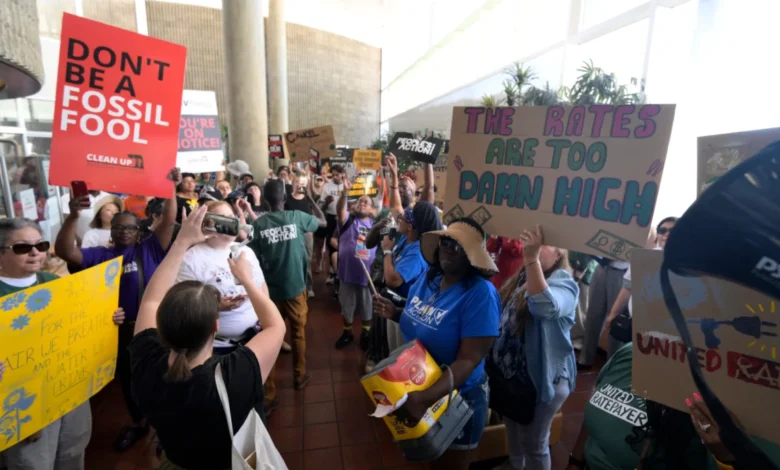
The move by the New York Governor reflects a broader national trend of "tech-clash" at the local level. Across the United States, from the "Data Center Alley" in Northern Virginia to the outskirts of Phoenix, residents have begun to mobilize against the expansion of these facilities. Public meetings are increasingly dominated by concerns over noise pollution from cooling fans, the visual blight of massive windowless warehouses, and the perceived unfairness of tech giants receiving subsidized power while residential rates climb.
Several cities and counties across the country are expected to vote on ballot measures this year that would restrict data center development. By taking statewide action, New York is attempting to move the conversation from fragmented local skirmishes to a centralized, state-managed regulatory environment.
Implications for the Future of Technology in New York
While the moratorium has been praised by environmental groups and consumer advocates, it has met with caution from some in the business community. Industry trade groups argue that a one-year pause could drive investment to neighboring states like Pennsylvania or New Jersey, potentially costing New York its foothold in the burgeoning AI economy. They contend that data centers are the "backbone of the modern economy" and that New York should focus on expanding energy production rather than restricting demand.
However, the Governor’s office maintains that the pause is a necessary step toward "responsible growth." The goal of the one-year study is not to ban data centers indefinitely, but to create a sustainable roadmap where the tech industry can flourish without compromising the state’s infrastructure or the financial well-being of its citizens.
As the Department of Public Service begins its analysis, the eyes of the nation will be on New York. The findings of this study and the subsequent regulations implemented by the Hochul administration will likely serve as a blueprint for how modern states navigate the complex intersection of high-tech industrialization, energy security, and climate responsibility in the 21st century. For now, the "cloud" over New York has been placed on hold, as the state seeks to ensure that the digital future does not come at an unsustainable physical cost.