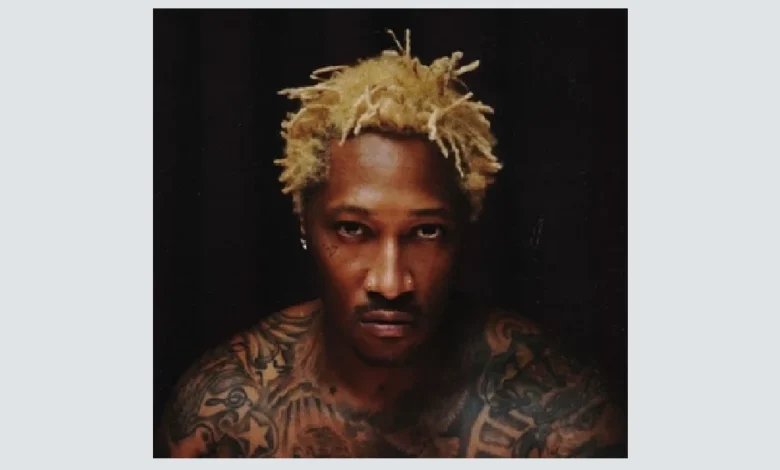
Future’s latest album, "The Real Me," has propelled the Atlanta-based rapper to a significant milestone on the Billboard 200 chart, securing his 12th number-one album and establishing him as the sole artist in fifth place for all-time chart-topping albums. This latest triumph underscores Future’s enduring influence and consistent ability to command the attention of music consumers. The album debuted with an impressive 131,000 equivalent album units, a robust performance that comfortably outpaced Olivia Rodrigo’s "You Look Pretty Sad for a Girl So in Love," which held steady at number two with 96,000 units in its fifth week.
A New Benchmark in Album Chart Dominance
The Billboard 200, the industry standard for tracking album sales and equivalent units, has long been a barometer of musical success. Future’s latest chart-topping achievement places him in elite company, surpassing legendary acts and solidifying his legacy. Prior to the release of "The Real Me," Future was tied with fellow rapper Eminem, both boasting 11 number-one albums. This latest release effectively separates him from Eminem, placing him independently at fifth position.
The pantheon of artists with the most number-one albums on the Billboard 200 is a testament to sustained popularity and critical acclaim. Leading this esteemed list are The Beatles, with an unparalleled 19 number-one albums. Following closely are Drake and Taylor Swift, each having achieved 15 number-one albums, sharing the second position. Jay-Z occupies the fourth spot with 14 number-one albums. Future’s 12th number-one album now places him just behind these titans, with the potential to climb further in the future.
"The Real Me": A Deep Dive into its Chart Performance
Future’s "The Real Me" garnered its substantial debut figure through a combination of album sales and streaming equivalent units (SEUs). The breakdown reveals a trend characteristic of contemporary hip-hop consumption: a significant reliance on streaming. The album sold approximately 13,000 physical copies, a relatively modest number. However, its true power lay in its digital reach, accumulating an astonishing 120.29 million on-demand streams. These streams translated into 118,000 SEUs, forming the bulk of its chart-topping performance. This disparity between traditional sales and streaming numbers highlights the evolving landscape of music consumption and how artists like Future leverage digital platforms to achieve commercial success.
Notable Debuts and Chart Movements
Beyond Future’s dominant performance, the latest Billboard 200 chart saw two other albums making their debut within the top 10. The iconic rock band The Rolling Stones returned to the charts with their album "Foreign Tongues," entering at number seven with 53,000 equivalent album units. This figure aligns closely with the performance of recent releases from artists of a similar era; for instance, Paul McCartney’s album in June debuted with 63,000 units. This demonstrates the continued relevance and dedicated fanbase of legacy artists in the current music market.
The soundtrack for the television series "Heated Rivalry" also made a significant impact, premiering at number nine with 41,000 units. This marks a noteworthy achievement, as it is the first time a television soundtrack has debuted in the top 10 of the Billboard 200 in over a decade. The last comparable instance was the "Empire" soundtrack in 2015. While the "Hazbin Hotel" soundtrack, companion to an animated series, did reach the top 10 last year, it initially debuted much lower at number 70 before climbing. The "Heated Rivalry" soundtrack’s strong debut is largely attributed to its physical release. Although the digital version was available in January, it did not garner sufficient streaming numbers to chart significantly. The July release of the CD and vinyl editions propelled it into the top 10, with all 41,000 units coming from direct sales. This emphasizes the continued importance of physical media for certain releases and fan bases.
A Look at the Broader Top 10 Landscape
The Billboard 200 top 10 for this week presents a diverse mix of genres and generations of artists. As Future’s "The Real Me" claimed the top spot, Olivia Rodrigo’s "You Look Pretty Sad for a Girl So in Love" maintained its strong presence at number two. Morgan Wallen’s "I’m the Problem" held firm at number three, followed by Ella Langley at number four and Noah Kahan at number five, showcasing the continued popularity of country and folk-influenced artists.
Drake secured the sixth position, a testament to his consistent chart performance. The enduring legacy of Michael Jackson was also evident, with his seminal album "Thriller" charting at number eight. The Rolling Stones’ "Foreign Tongues" entered at number seven, and the "Heated Rivalry" soundtrack rounded out the top 10 at number nine. Morgan Wallen’s other album, "One Thing at a Time," concluded the top 10 at number ten, further solidifying Wallen’s dominance on the charts.
Notably absent from the top 10 in its second week was Madonna’s "Confessions II," which debuted at number one last week. Its sophomore chart position will be revealed in the coming days, offering insight into the longevity of its initial success. The fluctuating nature of the top 10 highlights the dynamic and competitive environment of the music industry, where artists must consistently engage their audiences to maintain chart presence.
Analysis of Future’s Chart Trajectory and Industry Implications
Future’s ascent to fifth place all-time on the Billboard 200 with 12 number-one albums is a remarkable feat that speaks to his sustained relevance in the hip-hop genre and the broader music landscape. His career, which began in the early 2010s, has been characterized by a prolific output of mixtapes and albums, consistently resonating with a core fanbase while also expanding his appeal. This consistent performance suggests a deep understanding of his audience and an ability to adapt to evolving industry trends, particularly the shift towards digital consumption.
The data from "The Real Me" reinforces the dominance of streaming in the contemporary music economy. While physical sales remain a factor, especially for legacy artists and niche releases, streaming services are the primary engine driving chart success for many popular artists, particularly in genres like hip-hop. Future’s ability to leverage these platforms effectively, generating millions of streams, is a key component of his chart dominance.
Furthermore, Future’s position among artists like The Beatles, Drake, Taylor Swift, and Jay-Z indicates a shift in the historical hierarchy of musical achievement on the Billboard charts. While these earlier artists built their legacies in a different era of music consumption, Future’s achievements demonstrate that contemporary artists can achieve similar, if not surpassing, levels of commercial success through modern channels. This sets a precedent for aspiring artists, emphasizing the importance of digital strategy and consistent content creation.
The performance of The Rolling Stones and the "Heated Rivalry" soundtrack also provides valuable context. The Stones’ continued ability to chart respectably with a new release, even with a sales-to-streaming ratio skewed towards sales, shows the enduring power of established brands and dedicated fan bases. The "Heated Rivalry" soundtrack’s top 10 debut, driven by physical sales after a digital release, illustrates the diverse pathways to chart success and the varying strategies employed by different types of musical projects.
Looking Ahead: Future’s Impact and Legacy
With "The Real Me," Future has not only achieved a personal career milestone but has also contributed to the ongoing narrative of hip-hop’s dominance on the Billboard charts. His 12th number-one album solidifies his status as one of the most successful artists of his generation. The consistent stream of high-performing releases suggests that Future is not resting on his laurels and will likely continue to challenge for chart supremacy in the future. His position in the all-time rankings positions him as a significant figure in music history, whose influence will undoubtedly be studied by future generations of artists and music industry professionals. As the music industry continues to evolve, Future’s journey serves as a compelling case study in sustained success, adaptability, and the power of connecting with an audience in the digital age.