India’s Solar Revolution: How the World’s Most Populous Nation is Rewriting the Industrialization Playbook

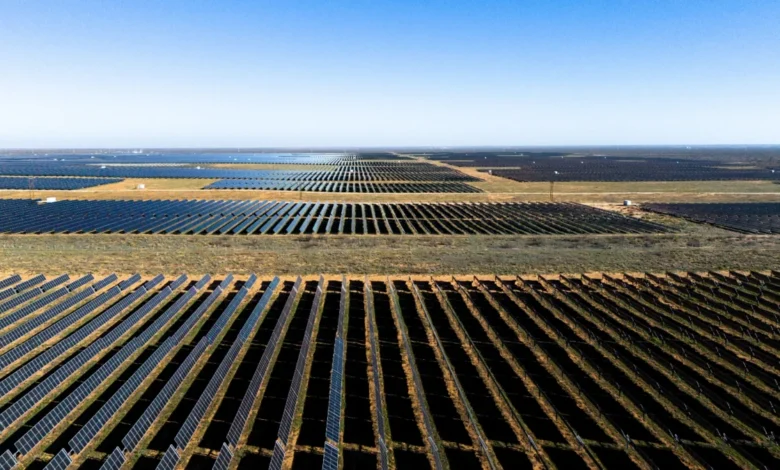
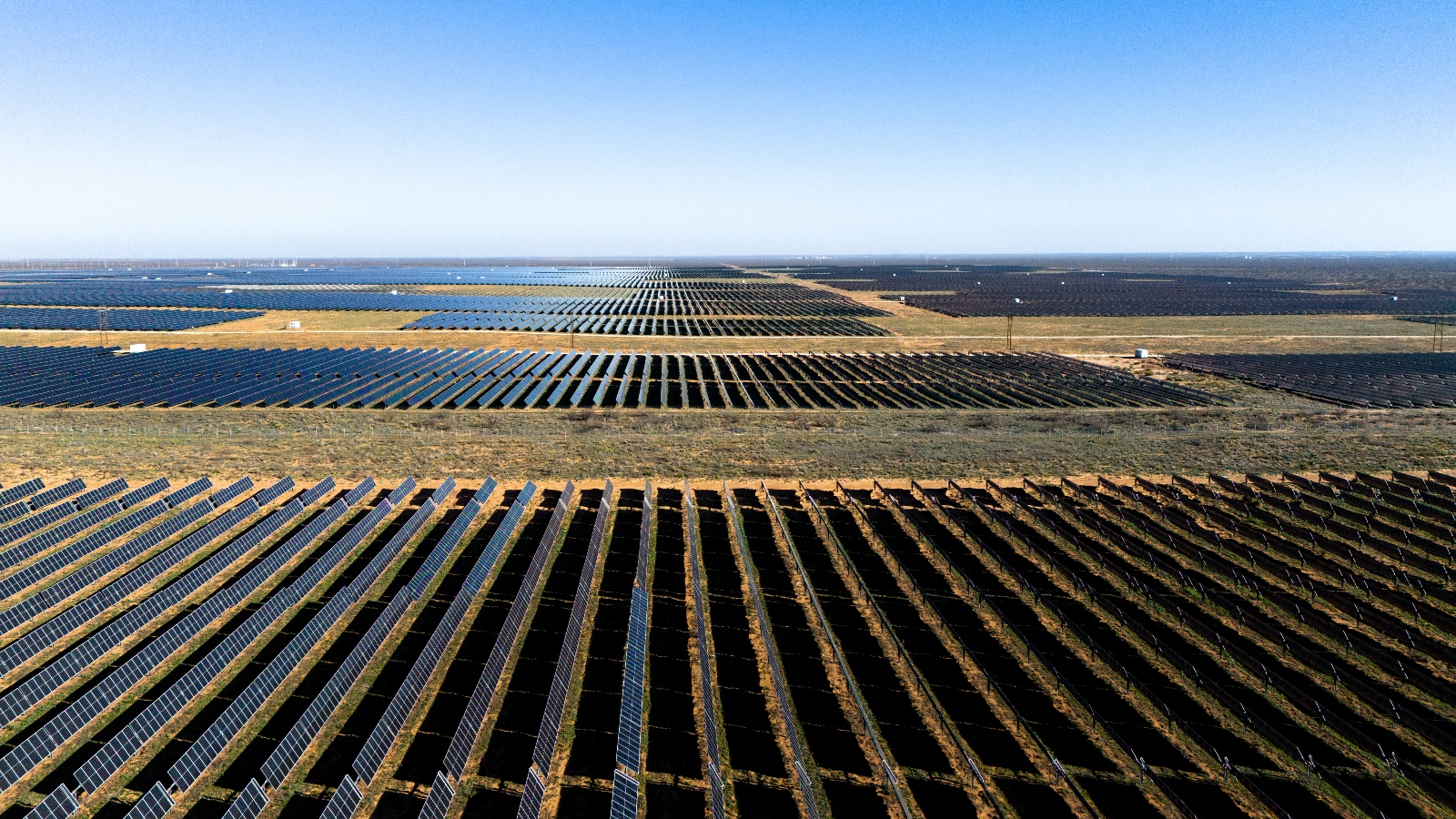
In the vast, shimmering expanse of the Rann of Kutch, a transformation of unprecedented scale is unfolding. One of the world’s largest salt deserts, situated along India’s western border with Pakistan, is being rapidly blanketed by a "sea" of solar panels. By 2029, the Khavda solar park is projected to host nearly 60 million panels across 280 square miles, establishing it as the largest and most powerful supplier of solar electricity on the planet. With a planned generating capacity of 30 gigawatts, the facility will be 30 times larger than a standard coal or nuclear power plant—enough to power the entire nation of Austria.
This project is not merely an engineering marvel; it is the centerpiece of a radical shift in global economics. As India’s economy now outpaces China’s in growth, the country is attempting something no major power has done before: industrializing predominantly through renewable energy rather than fossil fuels. Analysts suggest that India is on the verge of becoming the first major nation to bypass the traditional "carbon-heavy" phase of development, opting instead to build its future on the sun.
The Rapid Pivot: From Coal to Sunlight
A decade ago, India’s energy trajectory looked significantly different. Apart from scattered rooftop installations and small-scale microgrids in rural villages, solar power was a marginal player in the national energy mix. Following his election in 2014, Prime Minister Narendra Modi initially signaled a commitment to traditional energy sources, promising to double domestic coal output by 2020 to fuel the country’s modernization and alleviate poverty.
This stance was reflected on the international stage. At successive climate summits, Indian officials defended the right to use coal, arguing that developed nations in the West had already benefited from a century of fossil-fuel-driven growth. At the COP26 summit in Glasgow, Environment Minister Bhupender Yadav famously questioned how developing nations could be expected to phase out coal while still addressing fundamental poverty reduction.
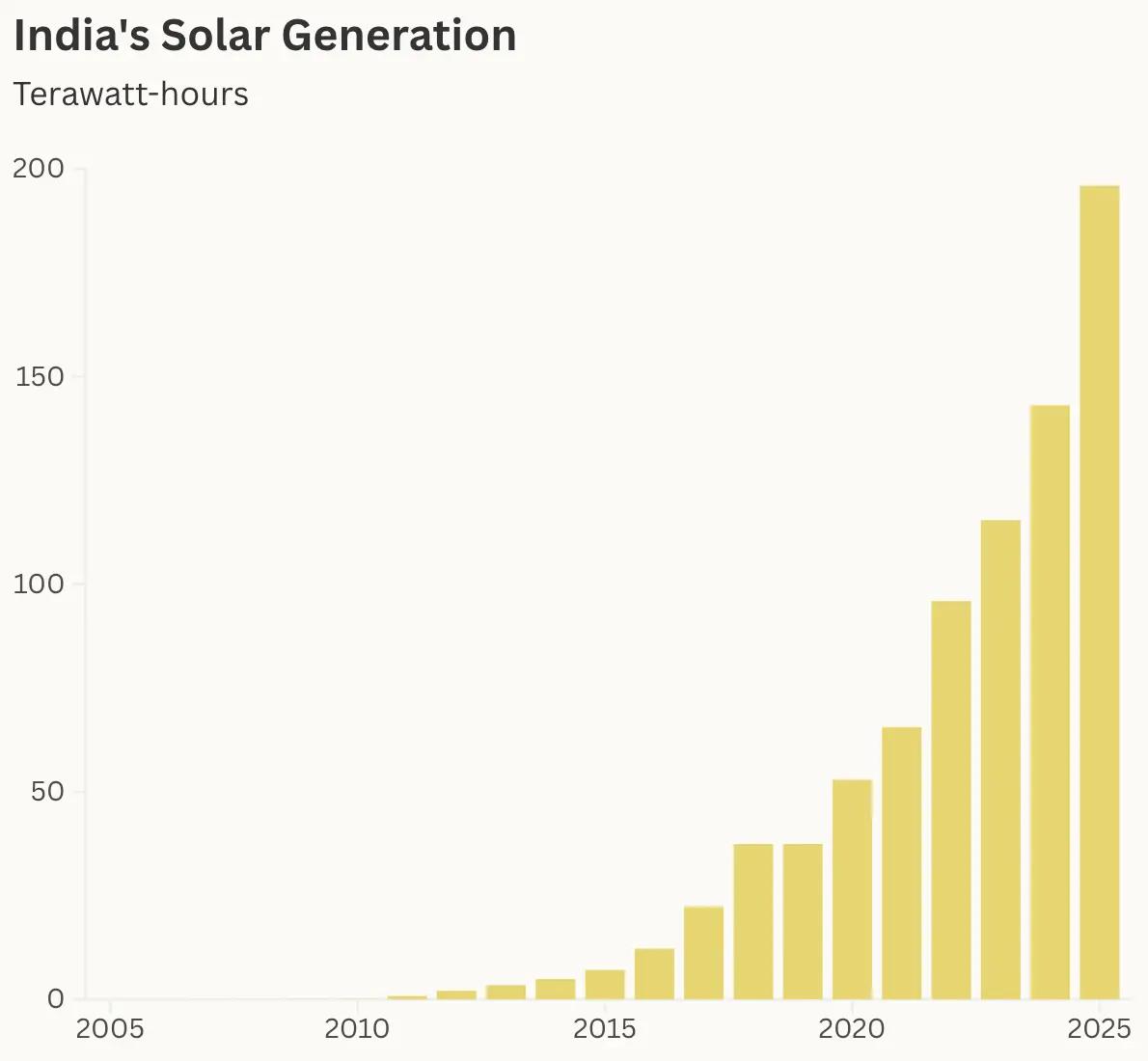
However, behind the scenes, the economic reality was shifting. The plummeting cost of solar technology, combined with India’s naturally high solar irradiance, made renewables increasingly attractive. Since 2021, the country has accelerated its solar deployment at a breakneck pace. Installed solar capacity has been growing by approximately 40 percent annually, surpassing the 150-gigawatt milestone in March 2024. By 2030, this figure is expected to double again, marking one of the fastest energy transitions in history.
The Khavda Project and the Adani Influence
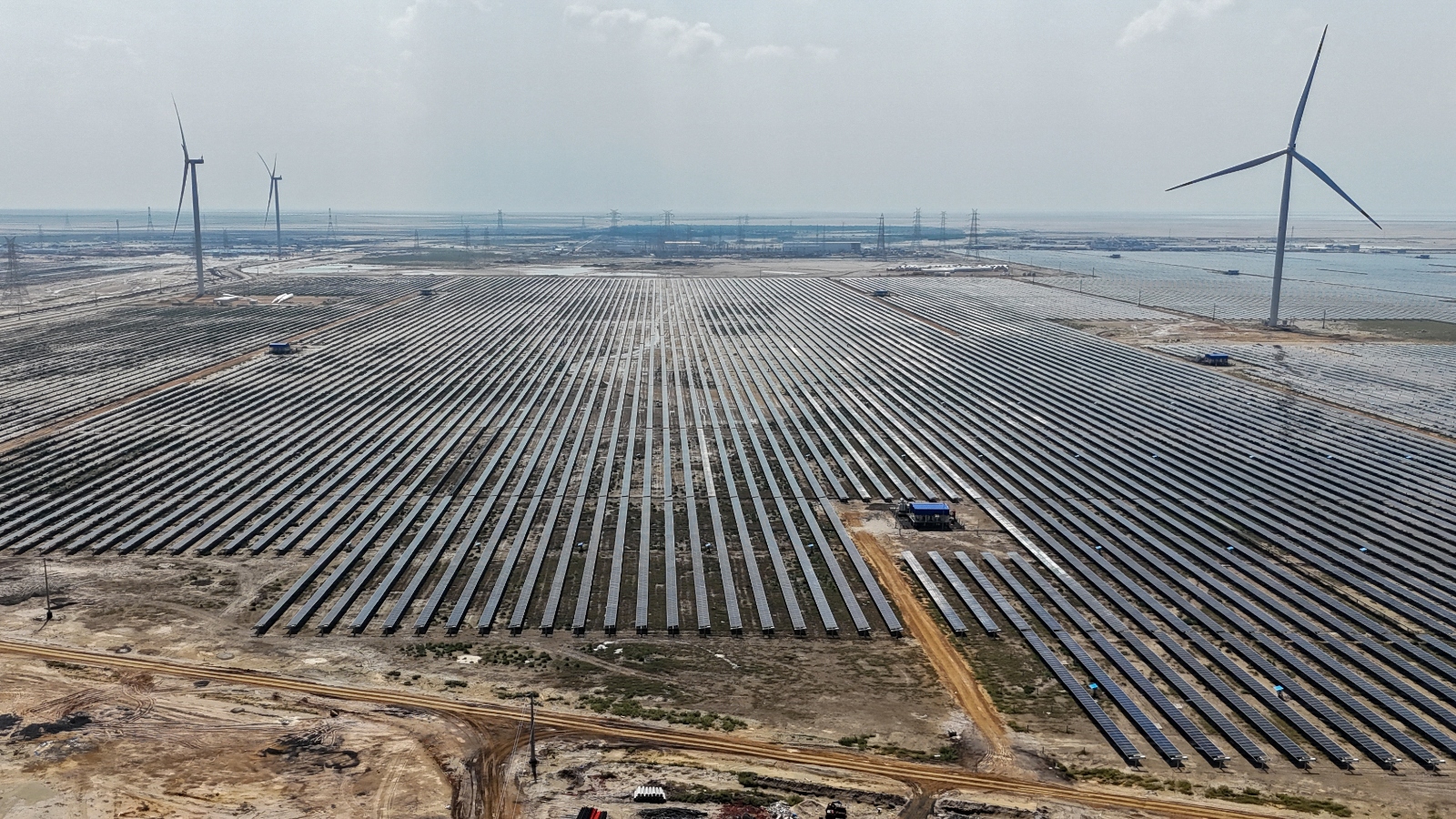
The driving force behind the Khavda solar park is the Adani Group, India’s largest private power producer and the world’s second-largest solar developer. Founded by Gautam Adani, the conglomerate has become synonymous with India’s infrastructure boom. The Khavda site, which reached an installed capacity of 9.4 gigawatts as of April 2024, showcases cutting-edge technology designed for harsh environments.
To combat the accumulation of desert salt and dust—which can significantly reduce panel efficiency—Adani utilizes a fleet of autonomous robots. These robots "dry-clean" the panels at night, preserving precious freshwater resources in the arid region. The complex also integrates wind turbines along the Arabian Sea coast, providing a hybrid energy solution that helps maintain grid stability during nighttime hours when solar production ceases.
Despite its technical success, the project has not been without controversy. In 2023, long-standing military protocols that prohibited construction within six miles of the Pakistan border were relaxed just weeks before the Adani Group gained control of the land. Furthermore, the company has faced legal scrutiny abroad. In 2024, the U.S. Department of Justice accused Adani executives of orchestrating a bribery scheme involving hundreds of millions of dollars to secure solar contracts. While the U.S. case was recently dropped following Adani’s commitment to invest in American infrastructure, the incidents highlight the complex intersection of corporate power and government policy in India’s energy transition.
Infrastructure Challenges: The Grid Bottleneck
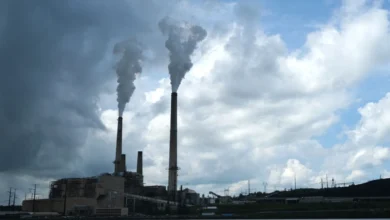
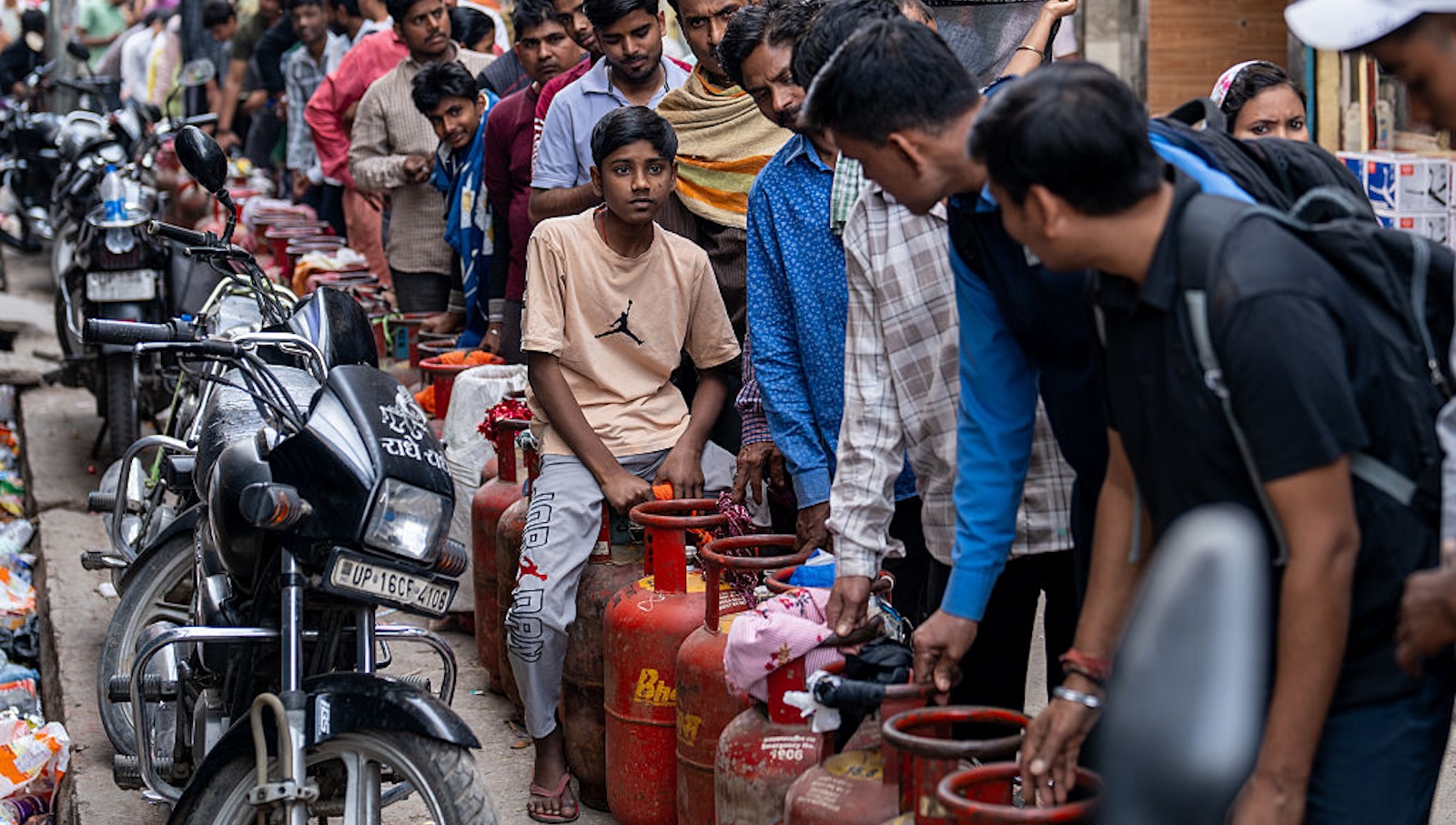
While India’s solar capacity is expanding at record speed, the physical infrastructure required to move that power remains a significant hurdle. Currently, coal still provides the "baseload" power for the country, accounting for approximately 70 percent of total generation. This reliance makes India the world’s third-largest carbon emitter and contributes to some of the most severe urban air pollution globally.
The discrepancy between "installed capacity" and "actual supply" is a critical issue for energy planners. Last year, while solar made up 28 percent of India’s total generating capacity, it contributed only 9.4 percent of the electricity actually delivered to consumers. This gap is largely attributed to an outdated national grid that cannot yet handle the massive influx of power from remote desert hubs.
Industry experts note that while a solar plant can be constructed in 18 to 24 months, high-voltage transmission projects often take five years or more to complete. In some regions, up to 40 percent of solar output was wasted last year because the grid lacked the capacity to transmit it. To address this, the Ministry of New and Renewable Energy has pledged over $100 billion to expand the national grid by nearly 30 percent by 2032. This initiative includes "green energy corridors" designed specifically to link renewable hubs in the west and south to industrial centers in the north and east.
Solving the Storage Puzzle: Batteries and Pumped Hydro
For solar to truly replace coal, India must solve the problem of intermittency—providing power when the sun isn’t shining. The government has begun requiring new solar installations to include storage solutions to ensure a more constant supply.
One primary strategy is the use of "pumped storage" hydropower, which acts as a giant water battery. This system uses surplus solar energy during the day to pump water from a lower reservoir to a higher one. When demand spikes at night, the water is released through turbines to generate electricity. The 1.4-gigawatt Gandhi Sagar project on the Chambal River is a leading example of this technology, and the Central Electricity Authority has identified 120 potential sites nationwide with a combined capacity of 180 gigawatts.
Simultaneously, the falling cost of lithium-ion batteries—which have dropped by over 50 percent in price since early 2023—is making large-scale battery storage commercially viable. The Khavda complex is currently integrating the country’s largest battery system, capable of discharging over a gigawatt of power for three hours during the evening peak.
Geopolitical Risks and Supply Chain Sovereignty
A significant point of concern for Indian policymakers is the country’s dependence on China for solar technology. Although India has successfully boosted its domestic assembly of solar panels, the underlying silicon wafers and photovoltaic cells are largely imported from China. Additionally, three-quarters of the lithium-ion batteries used in Indian storage projects originate from Chinese manufacturers.
This reliance is viewed as a strategic vulnerability. In response, the Indian government has introduced "Production Linked Incentive" (PLI) schemes to encourage domestic manufacturing of solar components and advanced chemistry cell batteries. The goal is to create a "self-reliant" supply chain that can withstand geopolitical tensions and global trade fluctuations.
The Human and Environmental Cost of Land Use
In a country as densely populated as India, finding space for massive solar arrays is a logistical and social challenge. Unlike the uninhabited salt flats of Khavda, many proposed solar sites are located on agricultural land. This has led to instances of "solar land grabs," where peasant farmers are evicted to make way for energy projects, sparking local protests.
To mitigate these conflicts, some developers are experimenting with "agrivoltaics," where solar panels are raised high enough to allow crops to be grown underneath them. This dual-use approach provides farmers with energy income while maintaining food production.
Environmentalists have also raised alarms regarding the Khavda project’s impact on local biodiversity. The site sits adjacent to the Rann of Kutch Wildlife Sanctuary, a critical habitat for the endangered Great Indian Bustard and a vital stopover for migratory birds on the Central Asian Flyway. Balancing the global need for decarbonization with the local need for habitat preservation remains a delicate task for regulators.

Decarbonizing the "Hard-to-Abate" Sectors
While the electrification of the power grid and the transportation sector is well underway—with 60 percent of new motorized rickshaw sales now being electric—the industrial sector remains a stronghold for coal. The steel industry, in particular, requires the intense heat of coal-fired blast furnaces to process iron ore.
India has the world’s most ambitious plans for steel expansion, aiming to double production within the next decade to support its infrastructure needs. Decarbonizing this sector will likely require a shift to "green hydrogen" or other emerging technologies that are not yet available at a commercial scale. Analysts describe steel as the "elephant in the room" for India’s net-zero ambitions.
A Global Model for Sustainable Development
Despite these challenges, the trajectory of India’s energy transition offers a hopeful blueprint for other emerging economies. By skipping the "coal-first" development model, India is demonstrating that economic prosperity and environmental responsibility do not have to be mutually exclusive.
As the country works toward its goal of becoming a fully developed economy by 2047—the centenary of its independence—its success in harnessing solar energy will have global implications. If India can successfully power its industrialization with the sun, it will provide a definitive answer to one of the 21st century’s most pressing questions: whether a nation can achieve modern standards of living without fueling a climate catastrophe. For now, the shimmering panels of the Rann of Kutch stand as a massive, 30-gigawatt testament to that possibility.