Wildfires Ravage Canadian First Nations and the Crisis of Federal Aid for Unrecognized Communities

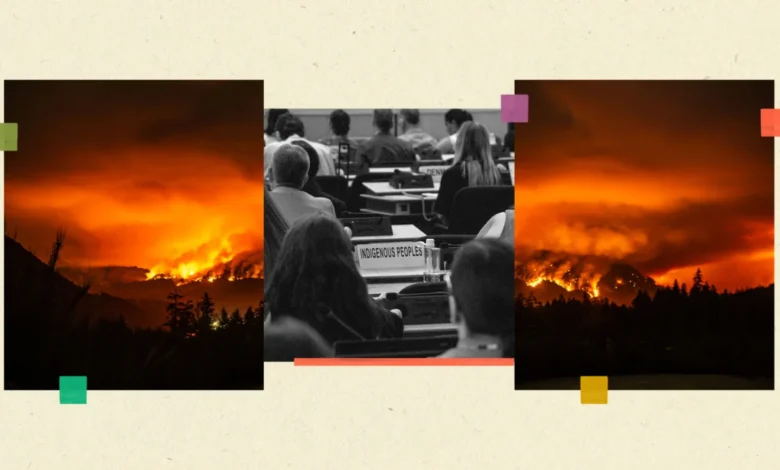
The Canadian wilderness is currently experiencing one of its most volatile and destructive wildfire seasons on record, with more than 900 active fires burning across the country. While the smoke has reached major metropolitan areas and international borders, the most devastating impacts are being felt by Indigenous communities, particularly in remote regions of Ontario. As of the latest reports, 13 First Nations remain under mandatory evacuation orders, a crisis that has displaced 2,182 individuals from their ancestral lands. Among these, the Namaygoosisagagun (Collins) First Nation has suffered a near-total loss of its physical infrastructure, sparking a national conversation about the gaps in emergency response and the systemic barriers created by federal recognition policies.
The destruction of Namaygoosisagagun occurred with terrifying speed. On a recent Wednesday, a fast-moving blaze advanced upon the community, which is located approximately 125 miles north of Thunder Bay. Because the settlement is inaccessible by road, the residents found themselves in a perilous position as the flames crested the horizon. According to eyewitness accounts and reports from the Anishinabek Nation, the community was largely destroyed in less than an hour. Residents had only minutes to gather essential belongings before their homes and community buildings were consumed. In the absence of a formal provincial warning system or coordinated evacuation support, members of the community went door-to-door to alert their neighbors. Ultimately, more than two dozen people were forced to flee by boat as the fire overtook the shoreline.
The Rapid Destruction of Namaygoosisagagun First Nation
The scale of the loss in Namaygoosisagagun is difficult to quantify. Anishinabek Nation Grand Council Chief Linda Debassige released a statement expressing profound grief over the event, noting that the wildfire was "unexpected and fast-moving." While a full assessment of the damage is pending, initial reports suggest that the vast majority of the community’s housing and administrative structures have been reduced to ash. Despite the physical devastation, Chief Debassige confirmed that all community members have been accounted for, a miracle attributed to the quick thinking and bravery of the residents who managed the self-evacuation under extreme duress.
The lack of advance warning has become a central point of contention. Leaders from the community assert that neither provincial nor national officials provided the necessary intelligence to prepare for the fire’s approach. This lack of communication left the residents of Namaygoosisagagun to rely entirely on their own internal networks and traditional knowledge of the land to survive. The trauma of the event is compounded by the fact that many of these residents are now displaced in urban centers, far from their traditional territories, with no homes to return to.
A Jurisdictional Crisis: The Struggle for Federal Recognition
The tragedy at Namaygoosisagagun has highlighted a significant and controversial legal loophole in the Canadian emergency management framework. Although the residents of the community are recognized as First Nations people under the Indian Act, the community itself—Namaygoosisagagun—is not officially recognized as a "First Nation" entity by the federal government. This distinction has led to a harrowing denial of emergency, recovery, and reconstruction assistance.
Meaghan Daniel, a lawyer representing the community, has been vocal about the implications of this status. In a formal letter to Indigenous Services Minister Mandy Gull-Masty, Daniel argued that the denial of aid based on administrative technicalities is a violation of the government’s responsibility to Indigenous peoples. The letter emphasizes that without access to the same rebuilding supports available to recognized First Nations, Namaygoosisagagun may never recover. The very existence of the community, which has occupied its lands since time immemorial, is at stake.
The federal government’s response has been slow. While Eric Head, a spokesperson for Indigenous Services Canada, stated that efforts are underway to coordinate support for the community’s immediate needs, the long-term path to reconstruction remains clouded by "jurisdictional disputes." For the people of Namaygoosisagagun, these are not mere "technicalities"—they are existential threats to their culture, their history, and their future.
National Wildfire Overview: A Continent in Flames
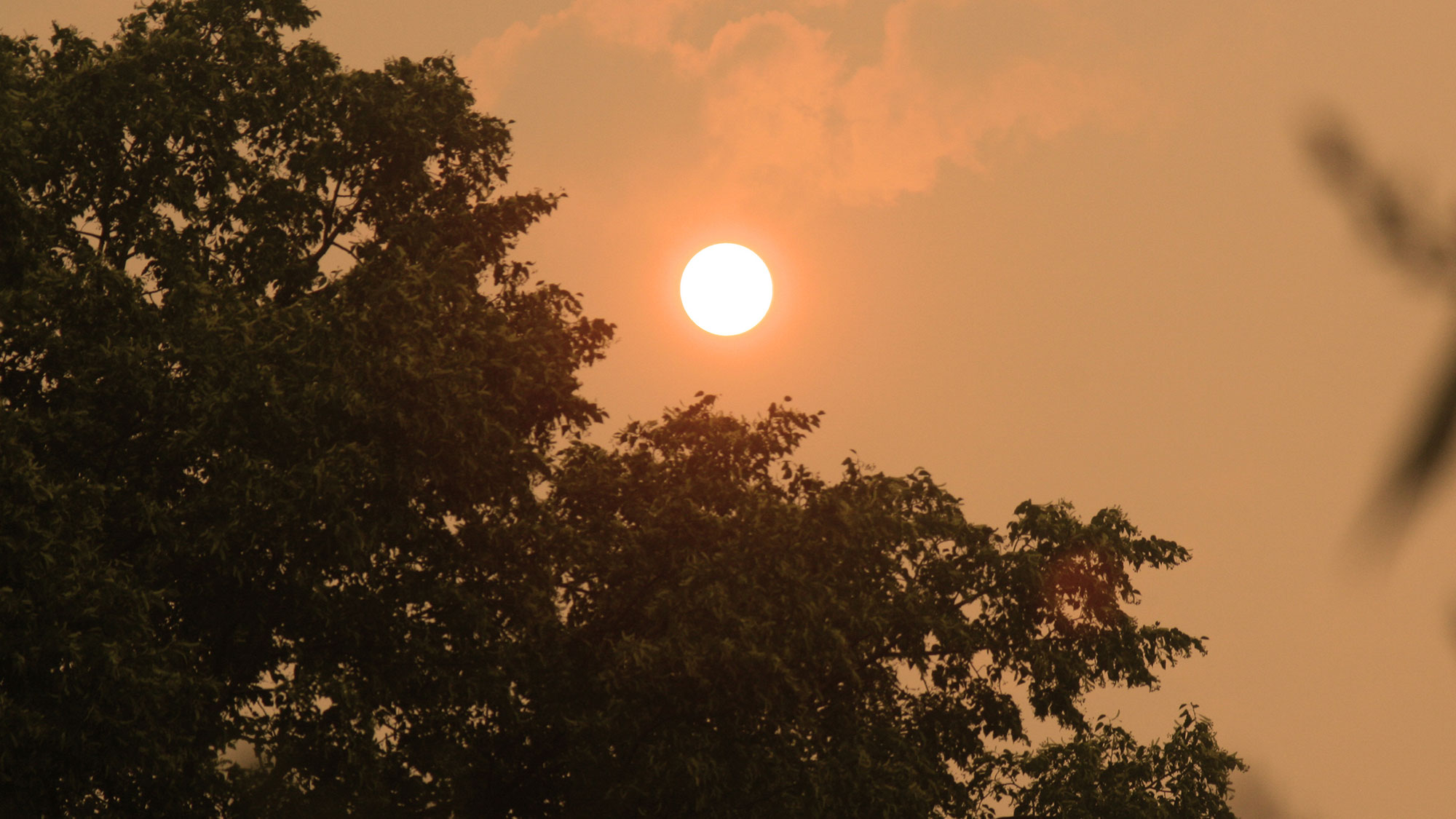
The crisis in Namaygoosisagagun is a microcosm of a much larger national emergency. As of Friday, 903 wildfires were burning across Canada, with 750 classified as "out of control." In a single 24-hour period, 43 new fires were detected, illustrating the extreme volatility of the current environmental conditions. The province of Ontario has been particularly hard-hit, with 193 active fires.
The impact on First Nations in Ontario has been disproportionate. In addition to Namaygoosisagagun, several other communities, including Whitesand First Nation, Kiashke Zaaging Anishinaabek, and Animbiigoo Zaagi’igan Anishinaabek, have been forced to evacuate. These evacuations were conducted under mandatory orders issued by community leadership with the assistance of the Ontario Provincial Police (OPP). The logistical challenge of moving thousands of people from remote, often roadless, areas to safety is immense, requiring coordinated airlifts and water-based transport.
Chronology of the Crisis
The current wave of evacuations followed a series of heatwaves and lightning storms that ignited dried-out timber across the northern Boreal forest.
- Wednesday: The fire reaches Namaygoosisagagun. Residents evacuate by boat. An emergency meeting of the Ontario Chiefs is convened to address the lack of communication and the slow deployment of resources.
- Thursday: The Assembly of First Nations (AFN) holds its national assembly in Ottawa. Emergency resolutions are passed to provide immediate support to Namaygoosisagagun and other impacted Nations. The AFN calls on the federal government to bypass bureaucratic hurdles to ensure aid reaches those in need.
- Friday: Updated data shows over 900 fires nationwide. The Anishinabek Nation issues a call for prayers and privacy for the displaced members of Namaygoosisagagun as they begin the grieving process for their lost community.
- Ongoing: Indigenous Services Canada begins a "needs assessment," while legal representatives for the unrecognized Nations continue to lobby for permanent status and reconstruction funding.
Systemic Failures in Emergency Communication
A recurring theme throughout this wildfire season has been the failure of communication between government agencies and Indigenous leadership. Ontario Regional Chief Abram Benedict has been a vocal critic of the current system, stating that "jurisdictional disputes and administrative delays have immediate consequences and put lives at risk."
The frustration among the Chiefs of Ontario stems from the fact that many communities do not have clear protocols for declaring a state of emergency that are recognized by both provincial and federal authorities. This creates a "gap" where communities are left to manage the initial hours of a disaster without the weight of government resources behind them. Chief Benedict emphasized that the priority should always be the safety of people rather than financial discussions or technicalities regarding who is responsible for the bill.
The Environmental and Cultural Cost
Beyond the immediate loss of homes, the wildfires are causing irreparable damage to the cultural landscapes of First Nations. The Boreal forest is not just a collection of timber; it is a source of food, medicine, and spiritual connection. For communities like Namaygoosisagagun, the destruction of the forest means the loss of traditional hunting and trapping grounds, which are essential for food security and the preservation of traditional ways of life.
The frequency and intensity of these fires are being driven by climate change, which has led to shorter winters and longer, drier summers in the Canadian north. This "new normal" requires a fundamental shift in how Canada approaches wildfire management, particularly in its relationship with Indigenous communities who are on the front lines of the crisis.
The Assembly of First Nations and the Push for Reform
The Assembly of First Nations has taken a firm stance on the issue, passing emergency resolutions that demand a more equitable distribution of emergency services. The AFN argues that the current "reactive" model of wildfire management is insufficient for the scale of the threat. Instead, they are calling for increased funding for Indigenous-led fire services and the integration of traditional ecological knowledge into national fire prevention strategies.
The resolution regarding Namaygoosisagagun is particularly significant. It challenges the federal government to look past the definitions of the Indian Act and provide support based on the inherent rights of Indigenous peoples. The AFN’s involvement has brought international attention to the plight of Collins First Nation, putting pressure on Ottawa to rectify the situation.
Analysis: Implications for Indigenous Sovereignty and Recovery
The situation at Namaygoosisagagun serves as a stark reminder of the ongoing colonial legacy within Canadian administrative systems. When a community is denied aid because it does not fit a specific bureaucratic checkbox, it reinforces a power dynamic where the state decides which Indigenous lives and properties are worthy of protection.
The recovery process for these 13 Nations will likely take years. For those whose entire communities were lost, the challenge is not just physical reconstruction but the restoration of a sense of place. There is a very real danger that if reconstruction is delayed, members of the community will be permanently scattered to urban centers, leading to the erosion of the Nation’s social fabric.
The "future in the place it has called home since time immemorial" is currently hanging in the balance. As the smoke continues to rise over the Canadian wilderness, the response of the federal government to the needs of Namaygoosisagagun will be a litmus test for the sincerity of its commitment to reconciliation and the protection of Indigenous rights.
Conclusion and Path Forward
The 2024 wildfire season has exposed deep fissures in Canada’s emergency response infrastructure. While firefighters continue to battle the 750 out-of-control blazes, the political battle for recognition and aid is just beginning. For the 2,182 people currently displaced, the immediate priority is safety and shelter. However, for the leaders of the Anishinabek Nation and the Chiefs of Ontario, the long-term goal is a systemic overhaul that ensures no community is ever left to face a wall of fire without the full support of the nation.
The Anishinabek Nation has asked for the public’s thoughts and prayers for Chief Paavola and the citizens of Namaygoosisagagun. As they navigate this unprecedented loss, the "Anishinabek Nation family" has pledged to stand with them. Whether the federal government will do the same remains the most critical question of the summer.