Netflix Finalizes $587 Million Acquisition of Ben Affleck’s AI Filmmaking Startup, InterPositive, Signaling Major Industry Shift

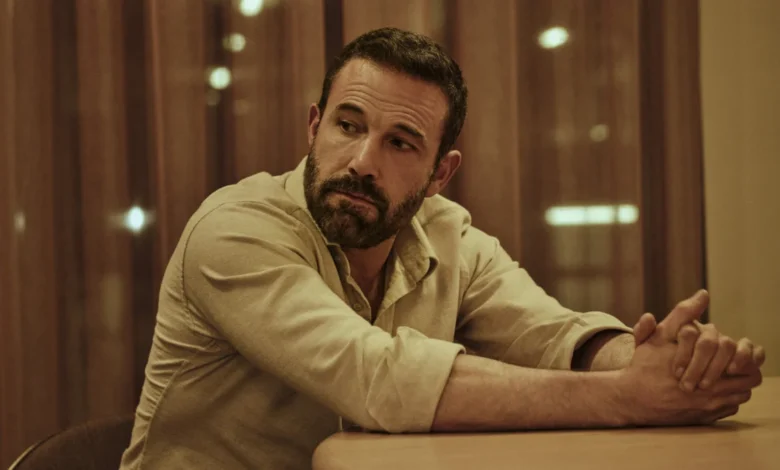
In a significant move that underscores the accelerating integration of artificial intelligence into Hollywood, Netflix has officially revealed its cash payment of $587 million for InterPositive, a burgeoning startup co-founded by acclaimed actor and director Ben Affleck. The financial details, previously subject to speculation, were disclosed in a new regulatory filing by the streaming giant, providing concrete figures for an acquisition first announced in March. This strategic investment not only solidifies Netflix’s commitment to leveraging advanced technology in content creation but also highlights a growing trend of established creative figures venturing into the tech landscape to shape the future of their industry.
Unveiling the Deal: A Deep Dive into the Acquisition
The acquisition of InterPositive by Netflix has been a subject of considerable interest since its initial announcement. The March disclosure by the streaming company confirmed the strategic partnership, with Ben Affleck, a prominent figure known for his work in front of and behind the camera, articulating a clear vision for the startup’s mission. Affleck stated that his primary motivation for co-founding InterPositive was to "protect the power of human creativity," suggesting a collaborative rather than a replacement role for AI in the artistic process. According to his statements, InterPositive’s proprietary AI tools are designed to empower filmmakers by streamlining and enhancing the post-production phase. Specifically, these tools address common "real-world production challenges" that often plague film sets, such as compensating for "missing shots, background replacements or incorrect lighting." This technological capability promises to offer solutions that can save significant time and resources, allowing creative teams to focus more intently on narrative and artistic vision rather than logistical hurdles.
At the time of the initial announcement, Netflix confirmed that the entire InterPositive team would be integrated into the company’s existing structure, with Affleck himself joining in a senior advisory capacity. This move signaled a strong commitment from Netflix not just to the technology but also to the talent and vision behind InterPositive. However, the financial terms of the deal remained undisclosed, leading to a period of industry speculation. A report by Bloomberg, citing informed sources, suggested that the transaction could be valued at up to $600 million. The recent regulatory filing from Netflix, however, has now provided the definitive figure, establishing the cash payment at $587 million, placing it firmly within the higher end of the previously estimated range and underscoring the perceived value and strategic importance of InterPositive’s technology to Netflix.
A Chronology of Netflix’s AI Ambitions and InterPositive’s Journey
The path to this multi-million dollar acquisition is paved with several key developments, illustrating both Netflix’s evolving AI strategy and the emergence of InterPositive as a significant player in the film tech space.
- Pre-2020s: While the exact founding date of InterPositive is not publicly detailed, it can be inferred that the startup began its development phase sometime prior to 2026, aligning with the broader acceleration of AI research and application across industries. Ben Affleck’s involvement from the outset would have lent significant credibility and industry insight to the venture.
- Early 2020s – Ongoing: Netflix steadily increases its internal investment in AI, primarily focusing on recommendation algorithms, content personalization, and operational efficiencies. However, the scope of its AI ambition begins to expand into content production itself.
- March 2026: Netflix publicly announces its intent to acquire InterPositive. The news is met with significant media attention, primarily due to Ben Affleck’s high-profile involvement and his articulate defense of AI as a tool for creative enhancement rather than replacement. Key details released include the integration of InterPositive’s team and Affleck’s advisory role. Financial terms remain confidential.
- March 2026 (Subsequent): Bloomberg publishes a report suggesting the deal could be valued "up to $600 million," adding to the industry’s anticipation regarding the scale of Netflix’s investment in AI-driven filmmaking tools.
- Q2 2026 Earnings Report: Netflix announces that approximately 300 of its titles have already incorporated generative AI technologies within the past year. This crucial data point, released prior to the full financial disclosure of the InterPositive deal, serves as a powerful testament to Netflix’s accelerating adoption of AI across its vast content library, setting the stage for the InterPositive acquisition’s broader context.
- Recent Regulatory Filing: The precise cash payment of $587 million for InterPositive is officially disclosed in a new SEC filing by Netflix, providing definitive financial transparency for the high-profile acquisition. This filing solidifies the value Netflix places on InterPositive’s technology and talent.
This timeline highlights a deliberate and escalating strategy by Netflix to integrate AI at various stages of its content pipeline, with InterPositive representing a significant leap in its post-production capabilities.
Supporting Data: The Broader Landscape of AI in Entertainment
Netflix’s substantial investment in InterPositive is not an isolated incident but rather indicative of a broader industry trend towards the adoption of artificial intelligence in entertainment. The global market for AI in media and entertainment is projected to grow significantly, driven by demands for increased efficiency, personalized content, and innovative storytelling.
- Industry-Wide Adoption: From pre-visualization and scriptwriting assistance to visual effects (VFX) and content localization, AI is rapidly transforming various facets of filmmaking. Companies like Disney have explored AI for character animation and scene generation, while others utilize machine learning for audience analysis and content optimization. Tools for deepfake detection, voice synthesis, and automated subtitling are becoming standard. The potential for AI to dramatically reduce the cost and time associated with complex VFX sequences, such as digital set extensions or crowd duplication, is a major driver for studios.
- Netflix’s Existing AI Footprint: Prior to the InterPositive acquisition, Netflix was already a pioneer in AI application, primarily in its recommendation engine, which is credited with significantly influencing subscriber retention and engagement. Furthermore, AI has been utilized in optimizing content delivery, personalizing user interfaces, and even in some internal production processes, such as intelligent scheduling and resource allocation. The revelation that "around 300 of its titles have already used generative AI" within the past year speaks volumes about the company’s aggressive integration strategy. This could include AI-assisted editing, color grading, visual effects, or even sound design elements.
- Valuation Context: The nearly $600 million valuation for InterPositive places it among the more significant tech acquisitions in the entertainment space. This valuation reflects not only the proprietary technology developed by InterPositive but also the strategic advantage it offers in a highly competitive streaming market. The AI startup ecosystem, particularly those focusing on specialized applications like filmmaking post-production, has seen robust investment, with investors betting on the transformative potential of these technologies to disrupt traditional workflows and create new efficiencies.
- The "Human Creativity" Mandate: Ben Affleck’s emphasis on "protecting human creativity" resonates with a crucial debate within the creative industries. While concerns about AI replacing human jobs are valid, proponents like Affleck argue that AI should serve as an augmentative tool, freeing up artists from tedious, repetitive tasks and allowing them to focus on higher-level creative decisions. InterPositive’s focus on "making up for real-world production challenges" aligns perfectly with this philosophy, positioning AI as a problem-solver that empowers rather than displaces human talent.
Official Responses and Strategic Rationales
While Netflix has not issued a detailed public statement specifically on the $587 million figure beyond the regulatory filing, the rationale behind such a significant investment can be inferred from its public pronouncements and strategic direction.
- Netflix’s Strategic Rationale: The acquisition of InterPositive is a clear signal of Netflix’s proactive approach to maintaining its competitive edge in the crowded streaming landscape. By internalizing advanced AI capabilities, Netflix aims to:
- Enhance Production Efficiency: Reduce post-production timelines and costs, allowing for faster content turnaround and more efficient allocation of resources.
- Improve Content Quality: Address and rectify production flaws seamlessly, potentially elevating the visual quality of its vast content library without extensive reshoots.
- Foster Innovation: Position itself at the forefront of technological innovation in filmmaking, attracting top creative talent and distinguishing its production capabilities.
- Gain a Competitive Advantage: Develop proprietary tools that could offer a unique edge over competitors like Disney+, Amazon Prime Video, and Warner Bros. Discovery, which are also exploring AI in content creation.
- Ben Affleck’s Vision: Affleck’s statement about "protecting the power of human creativity" is central to understanding InterPositive’s ethos. His involvement as a senior advisor suggests a continued commitment to guiding the integration of these tools in a way that respects and elevates artistic expression. For an actor and director of his stature to endorse and actively participate in an AI venture lends significant credibility and helps bridge the often-skeptical gap between traditional Hollywood and nascent technology. His perspective, rooted in decades of practical filmmaking experience, will be invaluable in ensuring that InterPositive’s tools are genuinely useful and intuitive for creators.
- Regulatory Transparency: The SEC filing serves as the official disclosure, fulfilling regulatory requirements and providing stakeholders with clear financial information regarding the transaction. This transparency is crucial for investor confidence and market understanding of Netflix’s long-term investment strategy.
Broader Impact and Implications for the Entertainment Industry
The acquisition of InterPositive by Netflix for nearly $600 million is more than just a corporate transaction; it’s a bellwether event that carries significant implications for the future of filmmaking and the broader entertainment industry.
- Acceleration of AI Integration: This high-profile acquisition will undoubtedly accelerate the adoption of AI tools across the entire production pipeline. Other studios and production houses will likely intensify their efforts to develop or acquire similar technologies to remain competitive, potentially leading to a wave of further investments and consolidations in the film tech sector.
- Redefining Post-Production Workflows: InterPositive’s capabilities could fundamentally alter traditional post-production workflows. Tasks that previously required extensive manual labor, specialized equipment, or even costly reshoots could be automated or significantly simplified. This could lead to a reallocation of human talent towards more complex creative problems and away from repetitive, technical fixes.
- Democratization of Filmmaking: While high-end AI tools are currently expensive, their eventual widespread adoption could potentially democratize certain aspects of filmmaking. Smaller independent productions, often constrained by budget and time, might gain access to tools that can elevate their production value to levels previously only achievable by major studios.
- The Talent Exodus to Tech: Ben Affleck’s move into a senior advisory role in a tech company exemplifies a growing trend where established creative talents are not just endorsing but actively participating in the development of new technologies. This brings invaluable industry insight to tech development and helps ensure that new tools are genuinely useful for artists. This trend could see more actors, directors, and writers engaging directly with tech startups or even founding their own.
- Ethical Considerations and Creative Control: As AI becomes more embedded in content creation, discussions around ethical AI use, data privacy, intellectual property, and the definition of "original" content will intensify. The industry will need to grapple with questions of authorship, creative control, and the potential impact on jobs, balancing efficiency gains with the preservation of human artistry and employment. Affleck’s stated aim to "protect human creativity" will be a critical guiding principle in navigating these complex issues.
- Netflix’s Content Output and Quality: With streamlined post-production, Netflix could potentially increase its already prodigious content output, further saturating its platform with new titles. More importantly, it could enhance the overall visual quality and consistency of its productions, providing a more polished and immersive viewing experience for its global subscriber base. This could be a key differentiator in a market where content volume and quality are paramount.
In conclusion, Netflix’s nearly $600 million acquisition of Ben Affleck’s InterPositive is a landmark event, signaling a powerful convergence of Hollywood creativity and cutting-edge artificial intelligence. It represents not just a substantial financial investment but a strategic declaration that the future of content creation will be increasingly shaped by intelligent technologies designed to augment, empower, and ultimately, protect the human element of storytelling. As InterPositive’s tools are integrated into Netflix’s vast production pipeline, the entertainment industry will be watching closely to see how this fusion of art and algorithm reshapes the cinematic landscape.