The Political Battle Over the Eel River: How a Fragile Dam Removal Compromise Became a National Culture War

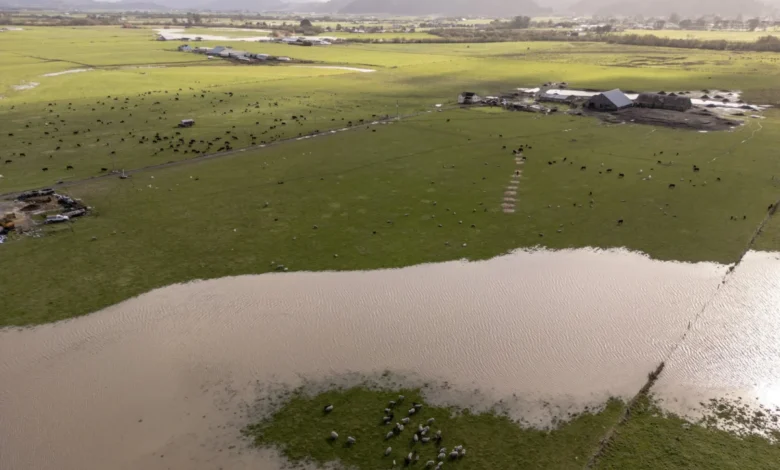
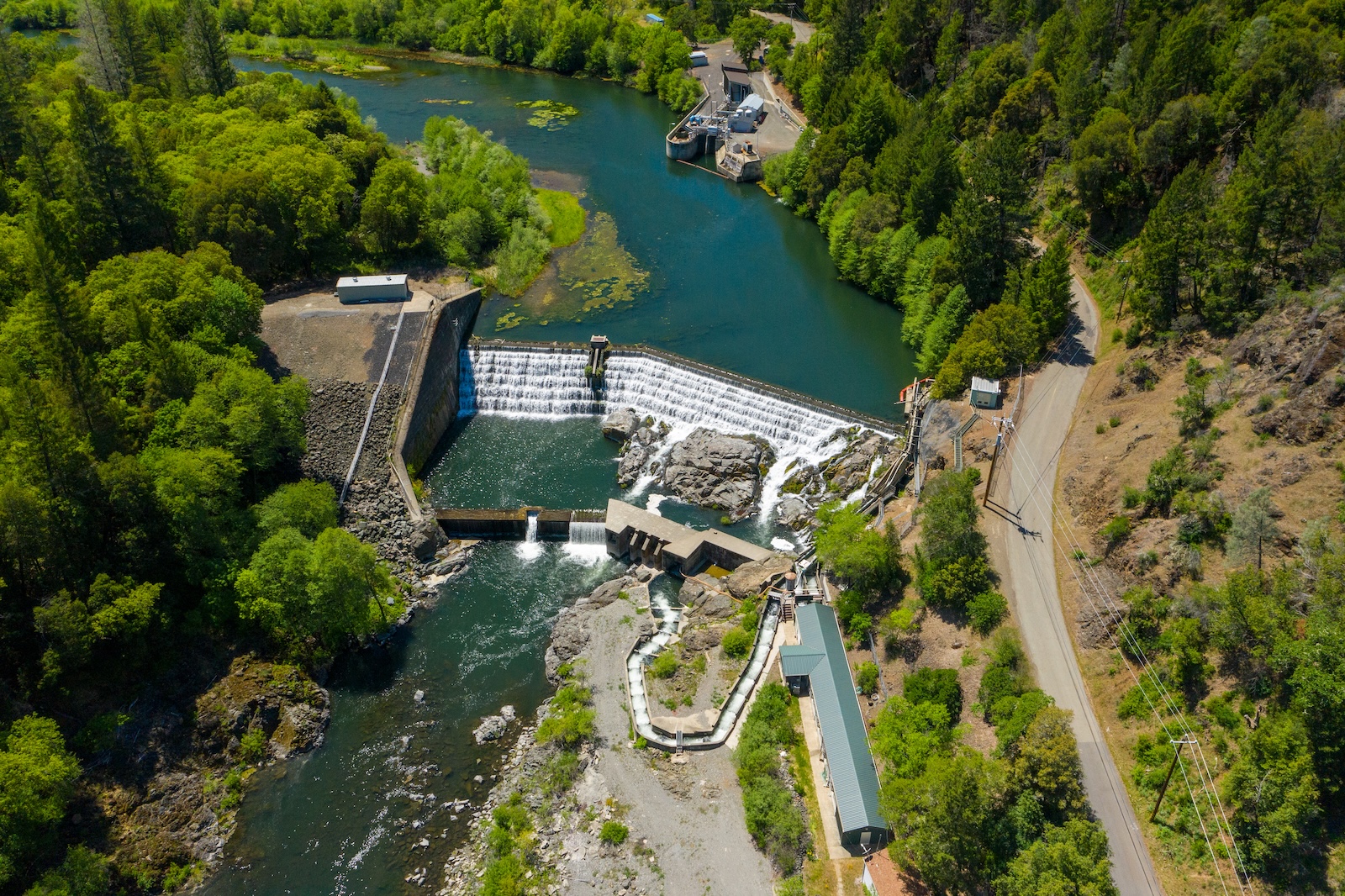
The Potter Valley Project, a century-old hydroelectric and water diversion system that dams Northern California’s Eel River, has become the center of a high-stakes jurisdictional and political battle that threatens to upend decades of environmental negotiation. Once a vital source of power and irrigation, the project’s infrastructure is currently in a state of advanced decay. Its primary reservoir is heavily clogged with sediment, drought conditions frequently leave it empty, and the hydroelectric plant—capable of producing a modest 9 megawatts of electricity—has been non-functional since 2021. Furthermore, engineering assessments suggest that the project’s infrastructure, including the Scott and Cape Horn dams, sits precariously near seismic fault lines, posing a significant risk of collapse during a major earthquake.
Despite these liabilities, the project remains a critical lifeline for certain interests. It provides water to vineyards and municipalities in Sonoma County and serves as the primary water source for the rural agricultural community of Potter Valley. Recognizing that the facility is no longer economically viable, the owner, Pacific Gas and Electric (PG&E), moved last year to surrender its license and begin the process of decommissioning and removing the dams. This decision followed years of intense negotiations between tribal nations, conservation groups, and local farmers to reach a "delicate compromise" that would restore the river’s natural flow while maintaining limited water diversions for human use. However, this local agreement is now facing an unprecedented challenge from the highest levels of the federal government, as U.S. Secretary of Agriculture Brooke Rollins has launched a campaign to block the dam removal, framing the issue as a "culture war" battleground.
The History and Decline of the Potter Valley Project
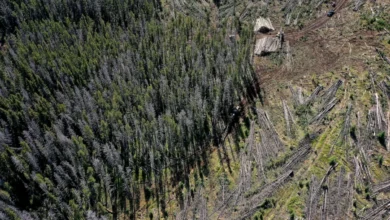
The Potter Valley Project was conceived in the early 1900s as a means to divert water from the Eel River basin into the Russian River basin to generate power and support agriculture. At its peak, the project was a feat of early 20th-century engineering, but the environmental costs were high. The dams blocked access to hundreds of miles of prime spawning habitat for Chinook salmon and steelhead trout, species that are now listed as threatened under the Endangered Species Act.
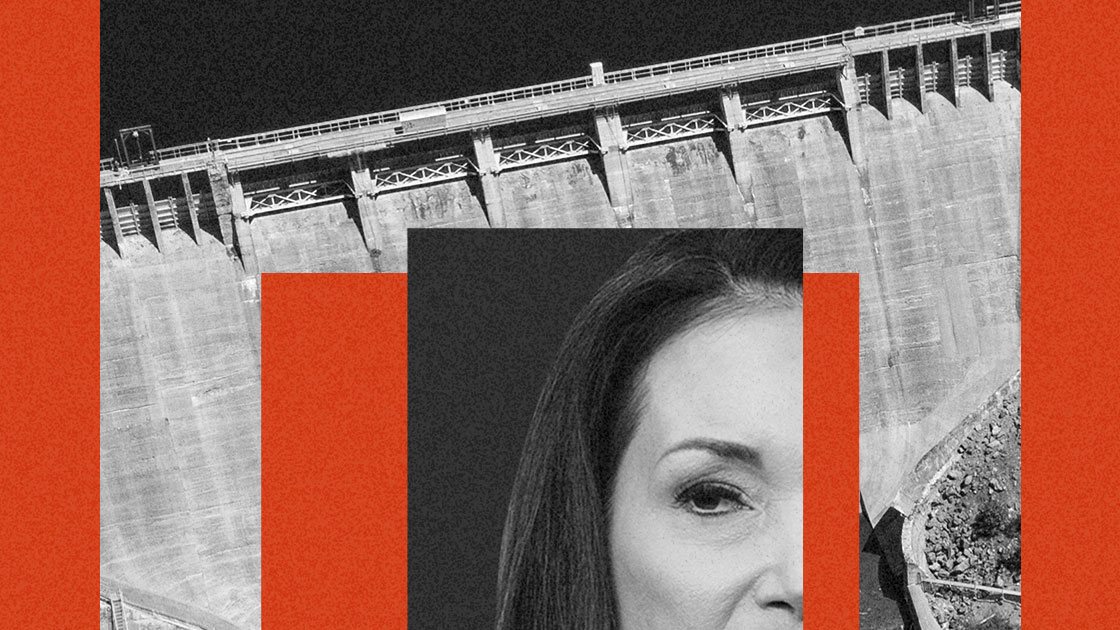
By the early 21st century, the project’s utility began to wane. The accumulation of sediment in Lake Pillsbury, the reservoir created by Scott Dam, has reduced its storage capacity by millions of cubic yards. In 2021, the project’s powerhouse suffered a transformer failure and has not generated a single kilowatt of electricity since. Faced with the prospect of spending hundreds of millions of dollars to meet modern earthquake safety standards and federal fish passage requirements, PG&E determined that "undamming" the river was the only fiscally responsible path forward.
In 2024, after years of mediation, a coalition of stakeholders—including the Round Valley Indian Tribe, California Trout, and the Humboldt County government—announced a framework for the project’s retirement. The agreement was built on a significant concession: the Round Valley Indian Tribe, which holds senior water rights to the Eel River, agreed to allow a reduced amount of water to be diverted through a new tunnel to support Potter Valley farmers. In exchange, the dams would be removed, allowing fish to return to their ancestral spawning grounds.
A Sudden Shift: The Rollins Intervention
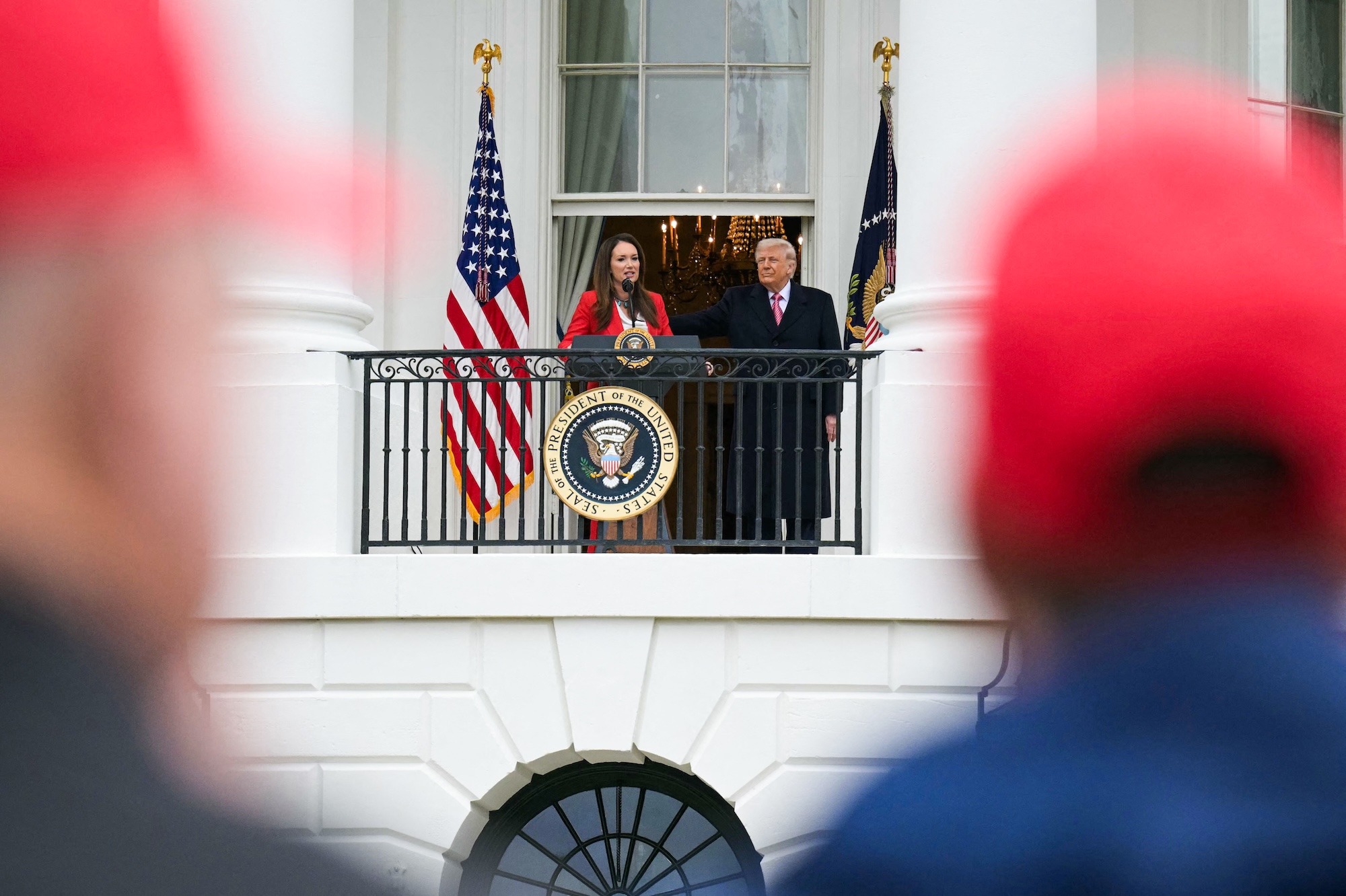
The consensus began to fracture when Brooke Rollins, the U.S. Secretary of Agriculture and a prominent ally of former President Donald Trump, entered the fray. Rollins has aligned herself with a vocal minority of local residents and landowners who view the dam removal as an existential threat to the region’s agricultural heritage. Her intervention has been characterized by critics as "political theater," but it carries the weight of federal authority.
Under Rollins’ leadership, the U.S. Department of Agriculture (USDA) has taken the unusual step of filing a formal notice to intervene in the project’s proceedings before the Federal Energy Regulatory Commission (FERC). Rollins argues that the removal of the dams would "devastate hundreds of family farms" and jeopardize "substantial USDA investments" in the region, including loans, insurance programs, and conservation grants.
The Secretary’s rhetoric has been pointed, often utilizing social media to attack the deal. She has frequently echoed the sentiment of local opponents, claiming that the state government is prioritizing "fish over people." This framing has turned a complex local water-sharing agreement into a national talking point for conservative media. Rollins’ involvement is seen by many as part of a broader strategy to roll back Biden-administration environmental policies, which she has labeled as "woke" holdovers that ignore the needs of rural Americans.
The Mystery of the Elsinore Valley Municipal Water District
Perhaps the most unexpected development in the Potter Valley saga is the emergence of the Elsinore Valley Municipal Water District (EVMWD) as a potential buyer for the dams. Located in Riverside County, nearly 600 miles south of the Eel River, the district has expressed interest in taking over the project to "protect California’s water supply."
The logistical hurdles for such an acquisition are immense. There is no existing infrastructure to transport water from the Eel River in Northern California to the Elsinore Valley in Southern California. Critics, including U.S. Representative Jared Huffman, have launched investigations into the district’s motives, suggesting the move is a political stunt coordinated with the USDA to stall the decommissioning process.
EVMWD board members have defended their interest, stating that they are performing "due diligence" to see if the project can be salvaged for the benefit of the state’s overall water grid. However, PG&E has remained skeptical, noting that there is a vast difference between "inquiring" about a project and having the financial and technical capacity to operate a failing, high-risk dam system that is out of compliance with federal environmental laws.
Tribal Sovereignty and Legal Realities
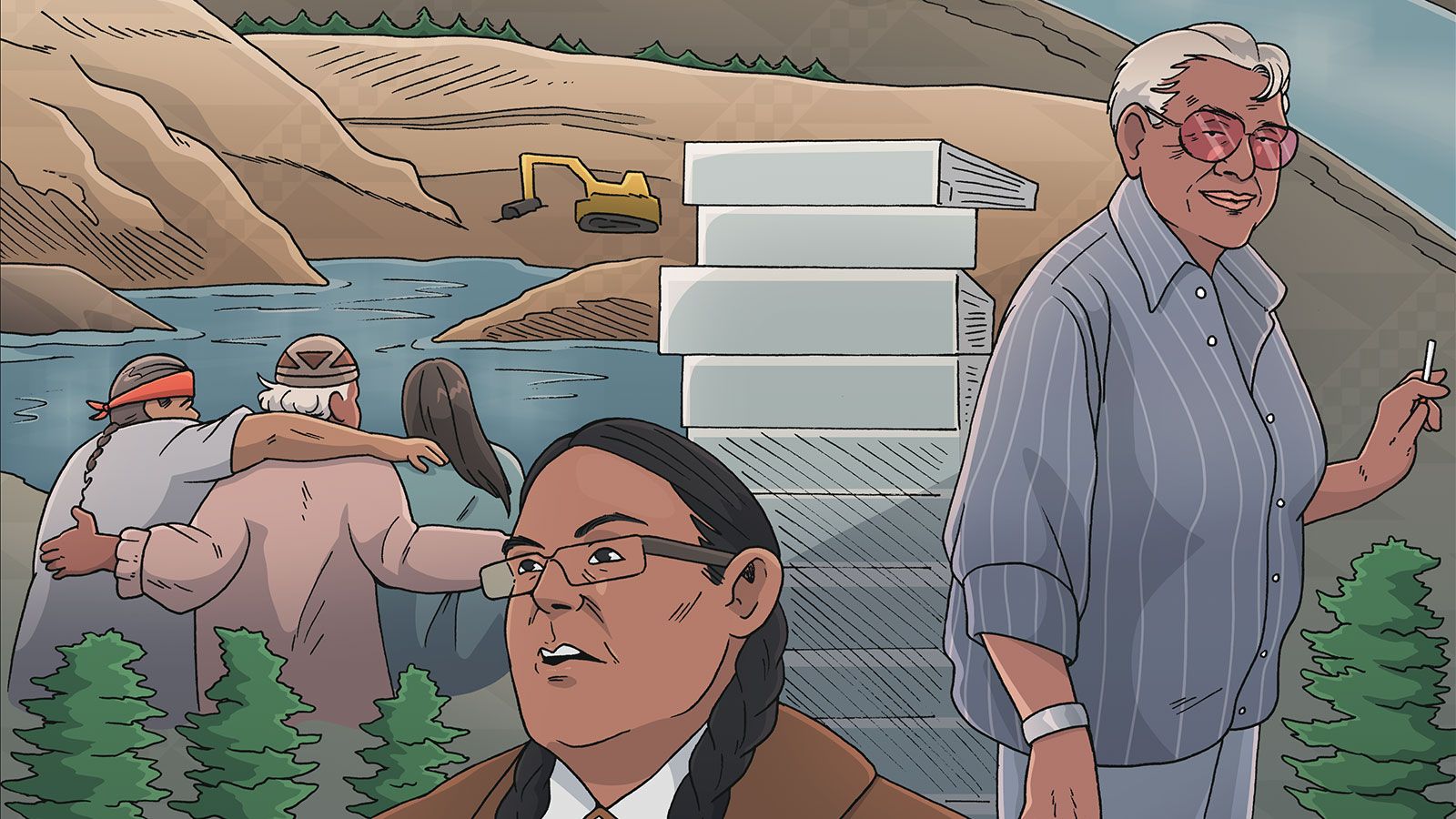
Central to the conflict is the Round Valley Indian Tribe. As the holders of senior water rights under federal law, the tribe’s position is legally formidable. For generations, the tribe has advocated for the removal of the dams to restore the salmon runs that are central to their culture and economy.
Tribal President Joseph Parker has made it clear that if the USDA or a third-party entity succeeds in blocking the removal of the dams, the tribe will move to assert its full water rights through the court system. Such an adjudication could lead to a total halt of water diversions to Potter Valley farmers, as the tribe’s claims pre-date nearly all other water rights in the basin. "We aren’t backing down," Parker stated, emphasizing that the current compromise—which allows for some continued water diversion—is the best deal the farmers are likely to get.
The tribe has issued formal warnings to both Secretary Rollins and the Elsinore Valley Municipal Water District regarding the potential liabilities they would inherit. Any new owner would be responsible for hundreds of millions of dollars in seismic retrofitting, sediment management, and the construction of fish passage facilities that meet current federal standards.
Technical and Environmental Data
The debate over Potter Valley is often framed in emotional terms, but the technical data reveals the gravity of the project’s condition. According to FERC’s National Environmental Policy Act (NEPA) scoping documents released in May 2025:
- Seismic Risk: The Scott Dam is located near the Bartlett Springs Fault zone. Recent studies indicate the dam may not withstand a maximum credible earthquake, posing a downstream flood risk to the town of Potter Valley.
- Sedimentation: Lake Pillsbury has lost approximately 25% of its original storage capacity to siltation. Dredging the reservoir is estimated to cost more than the value of the power the project could produce over several decades.
- Energy Production: The 9.4 MW capacity of the Potter Valley powerhouse is negligible in the context of California’s total energy needs, representing less than 0.1% of the state’s renewable energy portfolio.
- Biological Impact: The Eel River once supported salmon runs estimated in the hundreds of thousands. Today, those numbers have dwindled to a few thousand, largely due to habitat loss caused by the dams.
Analysis of Implications
The intervention by the USDA in the Potter Valley Project represents a significant shift in how federal agencies engage with local environmental compromises. Historically, dam removals—such as the massive project currently underway on the Klamath River—have been the result of bipartisan cooperation and multi-decade negotiations. By politicizing the Potter Valley decommissioning, the USDA risks creating a precedent where local consensus can be overridden by federal appointees seeking to score political points.
Furthermore, the uncertainty created by this intervention could have long-term economic consequences for the very farmers Rollins claims to be protecting. Without a finalized agreement, the funding for "Plan B" infrastructure—such as expanding water storage in the nearby Russian River basin—remains in limbo. If the decommissioning process is stalled indefinitely, the region faces a future of "litigation and deterioration," where the dams continue to crumble, the fish continue to die, and the water supply becomes increasingly unreliable due to legal challenges from the Round Valley Indian Tribe.
Conclusion: A Region in Limbo
As of mid-2025, the Potter Valley Project remains in a state of paralysis. PG&E continues to push for license surrender, while the USDA and a distant Southern California water district attempt to find a way to keep the dams standing. For the residents of Potter Valley, the situation is a source of deep anxiety. Farmers like Janet Pauli, who have worked for years to find a middle ground, argue that the community must adapt to a future without the dams.
The Federal Energy Regulatory Commission will ultimately decide the project’s fate. In its initial assessments, the commission has signaled that retaining the dams may be "infeasible" given the safety risks and lack of a viable operator. However, with the full weight of the USDA opposing the plan, the path to a free-flowing Eel River has become more complicated than ever. The outcome of this struggle will likely serve as a bellwether for the future of water rights and environmental restoration across the American West.