Federal Government Pivots to Multi-Billion Dollar Infrastructure Strategy as Colorado River States Remain Deadlocked

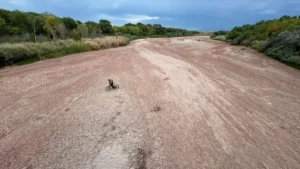
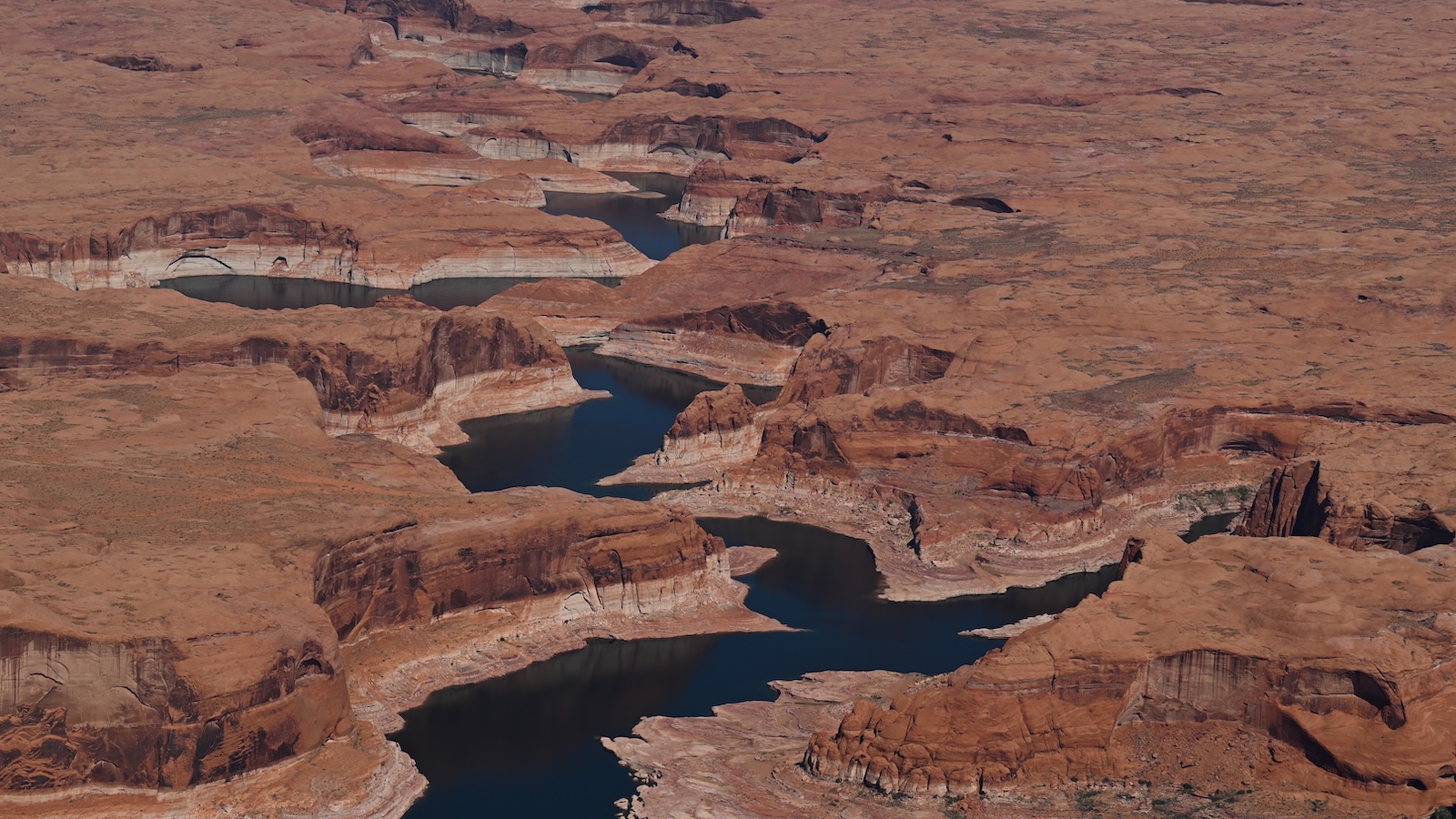
The Colorado River, a 1,450-mile lifeline for 40 million people and nearly 6 million acres of agricultural land, is currently the center of an unprecedented geopolitical and environmental crisis. For decades, the seven Western states that rely on its waters—Colorado, Utah, Wyoming, and New Mexico in the Upper Basin, and Arizona, California, and Nevada in the Lower Basin—have engaged in a precarious balancing act, consuming more water than the river naturally provides. Today, that math no longer works. Chronic overuse, exacerbated by a twenty-year megadrought fueled by climate change, has brought the river’s two primary reservoirs, Lake Powell and Lake Mead, to historically low levels, threatening the stability of the entire region’s water and power supply.
While the ideal solution remains a comprehensive agreement among all seven states to drastically reduce consumption, such a deal has proven elusive. Negotiations that began in earnest during the severe dry spell of 2022 have devolved into a cycle of frustration, litigation threats, and political finger-pointing. At the heart of the stalemate is a fundamental disagreement over legal and moral obligations: the Upper Basin states argue they are at the mercy of Mother Nature’s snowpack, while the Lower Basin states, particularly California and Arizona, have historically enjoyed more senior water rights. With a crucial federal deadline looming in September, the Trump administration is signaling a strategic shift. Rather than forcing immediate, painful consumption cuts that could devastate local economies, the federal government is moving toward a strategy of "augmentation"—spending billions of dollars on infrastructure to artificially increase the water supply.
A Century of Over-Allocation: The Historical Context
The current crisis is rooted in the Colorado River Compact of 1922. At the time, negotiators divided the river’s flow based on data from what is now known to be one of the wettest periods in the last millennium. They estimated the annual flow at 17.5 million acre-feet (maf), allocating 7.5 maf each to the Upper and Lower Basins, with an additional 1.5 maf later promised to Mexico. In reality, the 21st-century average has plummeted to approximately 12.5 maf. This "structural deficit" means that even in average years, the basin is in the red.
The consequences of this deficit became starkly visible in 2022 when Lake Mead dropped to 1,040 feet above sea level, just dozens of feet away from "dead pool" status, where water can no longer flow through the turbines of the Hoover Dam. While the Biden administration utilized billions from the Inflation Reduction Act to pay farmers to leave fields fallow—a temporary "band-aid" approach—those funds are nearly exhausted. The new administration, led by Interior Secretary Doug Burgum, now faces the daunting task of designing a post-2026 operational framework for the river. With the states unable to agree on a reduction schedule, the focus has turned to a $50 billion "wish list" of infrastructure projects submitted by state governors to the Department of the Interior.
The $50 Billion Gamble: Proposed Solutions and Infrastructure
The shift from conservation to augmentation represents a return to the "big engineering" mindset that characterized the early 20th-century American West. The proposals currently under review by federal officials range from established technologies to experimental ventures.
Desalination and Cross-Border Cooperation
Among the most ambitious items on the wish list is a $6 billion proposal to construct a massive seawater desalination plant in the Mexican state of Baja California. The logic is based on a complex water exchange: the plant would provide fresh water to Mexican municipalities, allowing Mexico to reduce its draw from the Colorado River. This "saved" water would then be diverted to Arizona, the state most vulnerable to Tier 3 shortage triggers.
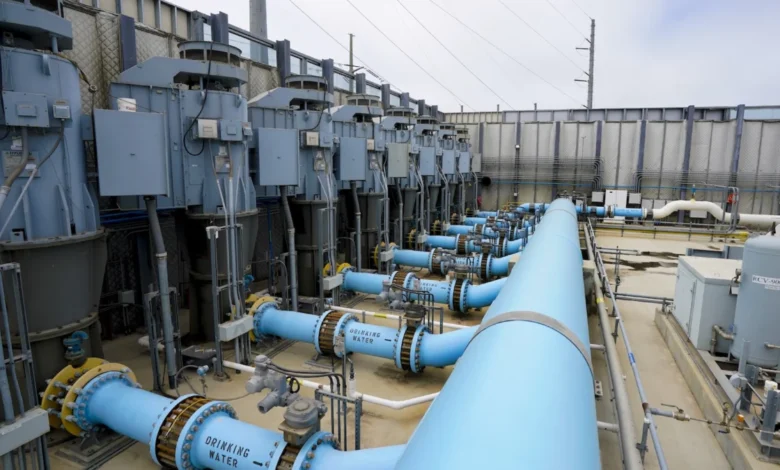
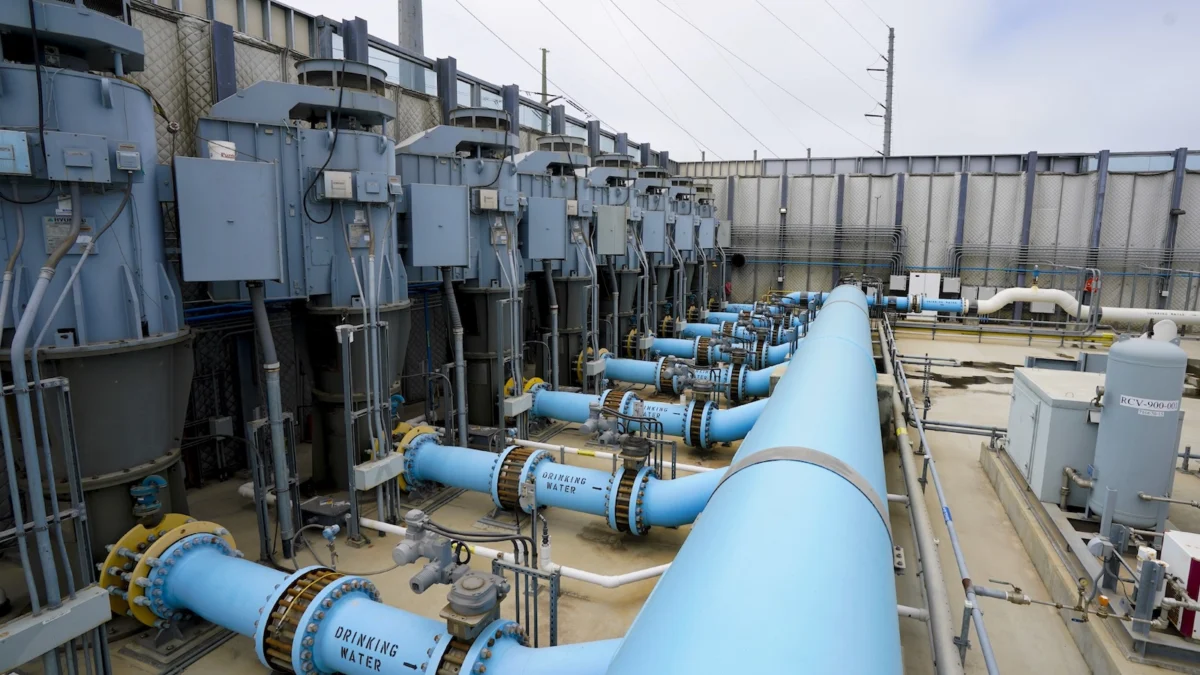
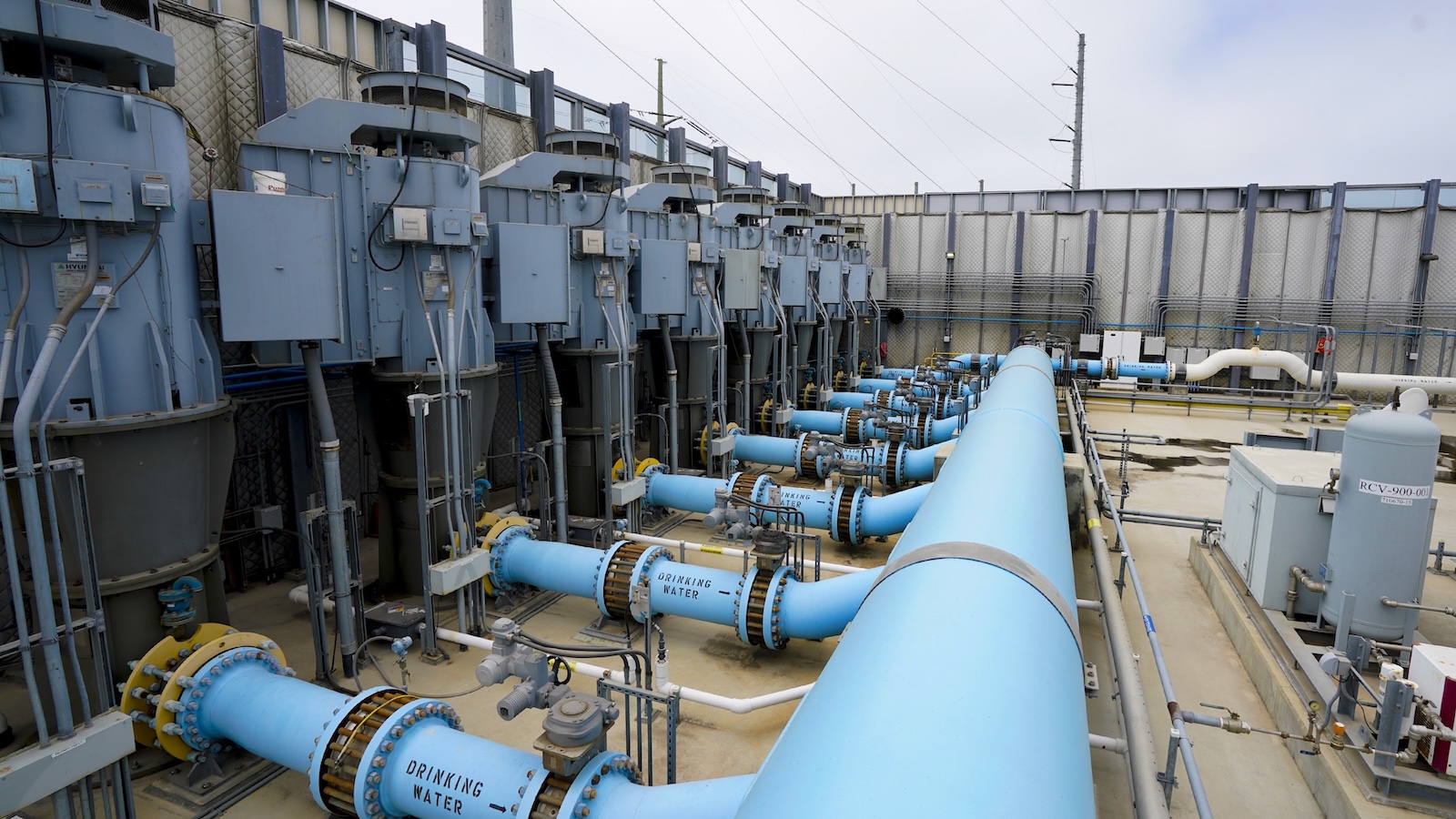
While desalination offers a drought-proof supply, it comes with significant hurdles. The existing Carlsbad Desalination Plant in San Diego, which cost $1 billion, provides a cautionary tale. While it produces 50 million gallons of water a day, the process is incredibly energy-intensive and produces a highly concentrated brine byproduct that poses environmental risks to marine ecosystems. Furthermore, the cost of desalinated water is often four to five times higher than traditional river water, raising questions about who will bear the long-term operational costs once federal construction grants are spent.
Taming Industrial Thirst in Nevada
Nevada, despite having the smallest allocation of any state (300,000 acre-feet), has been a leader in urban conservation. Las Vegas has famously banned non-functional turf and implemented aggressive recycling programs. However, the state is now looking toward its industrial sector. The $50 billion wish list includes $300 million to retrofit the state’s largest natural gas power plant to transition from water-based cooling to "dry cooling" systems.
Additionally, Nevada is seeking $650 million to address the "thirst" of the growing tech sector. Data centers, which require massive amounts of water to cool servers, have become a flashpoint in Western water politics. The proposed funding would install zero-water cooling systems in schools, airports, and industrial facilities, potentially saving thousands of acre-feet annually.
Cloud Seeding: Engineering the Atmosphere
In the Upper Basin, where water supply is entirely dependent on winter snowpack, states are looking to the sky. Cloud seeding—the process of dispersing silver iodide or salt into clouds to encourage ice crystal formation and precipitation—has moved from the fringes of science to mainstream policy. Utah currently spends millions on such programs and claims a 5% to 10% increase in annual snowpack as a result.
Startups like Rain Enhancement and Rainmaker are pitching even more aggressive versions of this technology to the federal government. While some meteorologists remain skeptical of the long-term scalability of cloud seeding, the Trump administration’s affinity for technological solutions has given these companies a seat at the table. Proponents argue that if cloud seeding can close even a fraction of the supply gap, it is a cost-effective alternative to building pipelines.
The Cadiz Groundwater Controversy
Perhaps the most controversial project back on the table is the Cadiz Water Project in California’s Mojave Desert. The project proposes to pump groundwater from an aquifer beneath the desert and transport it via a 43-mile pipeline to the Colorado River Aqueduct. For 30 years, the project was stalled by environmental litigation and opposition from the late Senator Dianne Feinstein, who argued it would dry up desert springs and harm local wildlife.
Under the current administration, Cadiz CEO Susan Kennedy has reported renewed momentum, including a funding agreement with the Interior Department to study water exchanges. While the seven states did not officially include Cadiz on their collective wish list, the project exemplifies the "all-of-the-above" approach being adopted as the river’s traditional supplies vanish.
Official Responses and Political Realities
During a recent Senate Committee on Energy and Natural Resources hearing, the tension between fiscal responsibility and regional desperation was palpable. Andrea Travnicek, the Interior Department’s top water official, emphasized that while the agency is reviewing the $50 billion request, it must remain "thoughtful" regarding taxpayer expenditures.
However, political pressure from Western senators is mounting. Senator Martin Heinrich (D-NM) noted that the basin "should not be forced to choose between stabilizing the present and negotiating the future." This bipartisan support for infrastructure spending suggests that even in a divided Congress, water security is viewed as a matter of national economic stability.
Jennifer Pitt, the Colorado River program director for the National Audubon Society, noted that federal investment is the path of least resistance. "It is something easier for people to agree on," she said. "This is a slow-moving crisis, but it is a crisis. Just because it is slow-moving doesn’t make it any less worthy of federal intervention than a hurricane or a wildfire."
Analysis: The Implications of an Augmentation Strategy
The shift toward high-cost infrastructure marks a significant departure from the conservation-first policies of the previous decade. While augmentation projects provide the political benefit of avoiding immediate cuts to the agricultural and housing sectors, they carry long-term risks.
- Cost and Equity: The $50 billion price tag is only the beginning. Maintenance, energy costs, and environmental mitigation for desalination and pipelines will fall on local ratepayers, potentially making water unaffordable for low-income communities and small-scale farmers.
- The "Moral Hazard" of New Supply: Critics argue that by focusing on increasing supply, the federal government is disincentivizing the necessary cultural shift toward water austerity. If cities believe a technological "silver bullet" is coming, they may continue to approve sprawling developments that the river cannot sustain in the long run.
- Environmental Integrity: Many of the proposed solutions, such as groundwater mining and desalination, have significant ecological footprints. The Colorado River delta in Mexico is already a shadow of its former self; further manipulation of the basin’s hydrology could lead to irreversible biodiversity loss.
A Crucial Timeline
The next several months will be decisive for the American West. The Bureau of Reclamation is expected to release its draft Environmental Impact Statement (EIS) for post-2026 operations by late summer. This document will outline the federal government’s preferred alternative for managing the river’s reservoirs.
If the $50 billion infrastructure plan is integrated into this framework, it could signal a new era of federal involvement in Western water. However, if the funding fails to materialize or the projects face legal hurdles, the states will be forced back to the negotiating table to decide which fields must go dry and which cities must stop growing.
As the September deadline approaches, the Colorado River remains a symbol of the limits of growth in an arid landscape. Whether through the "wish list" of multi-billion dollar projects or through painful, mandatory cuts, the era of "free and easy" water in the West has officially come to an end. The transition to a more resilient future is no longer a choice, but a requirement for survival in a changing climate.