The Looming Battle for the Roadless Rule and the Future of America’s Eastern National Forests

The vast, sweeping landscapes of the American West—the rugged peaks of the Rockies, the temperate rainforests of the Pacific Northwest, and the sprawling wilderness of Alaska—have long defined the public’s image of the National Forest System. However, a significant and often overlooked portion of the nation’s federal woodlands lies east of the Mississippi River. These vibrant ecosystems, ranging from the Appalachian foothills to the hardwood stands of the Midwest, have been protected for over two decades by a landmark environmental policy known as the "roadless rule." Today, that protection faces its most significant challenge as the federal government moves to dismantle the policy, sparking a high-stakes debate over the balance between industrial utility and ecological preservation.
The Genesis and Evolution of the Roadless Rule
Formally known as the Roadless Area Conservation Rule, the policy was adopted in 2001 during the final days of the Clinton administration. Its implementation was not merely an act of environmental idealism but a pragmatic response to a growing infrastructure crisis within the U.S. Forest Service. By the late 1990s, the agency realized it had constructed more roads than it could afford to maintain, resulting in a multi-billion-dollar maintenance backlog.
Agency scientists and environmentalists alike warned that these crumbling, unmaintained roads were devastating local ecosystems. They were fragmenting wildlife habitats, causing siltation in pristine streams, and degrading the quality of drinking water for downstream communities. The 2001 rule effectively barred road construction and commercial timber harvesting across nearly 60 million acres of undeveloped national forest land in 39 states.
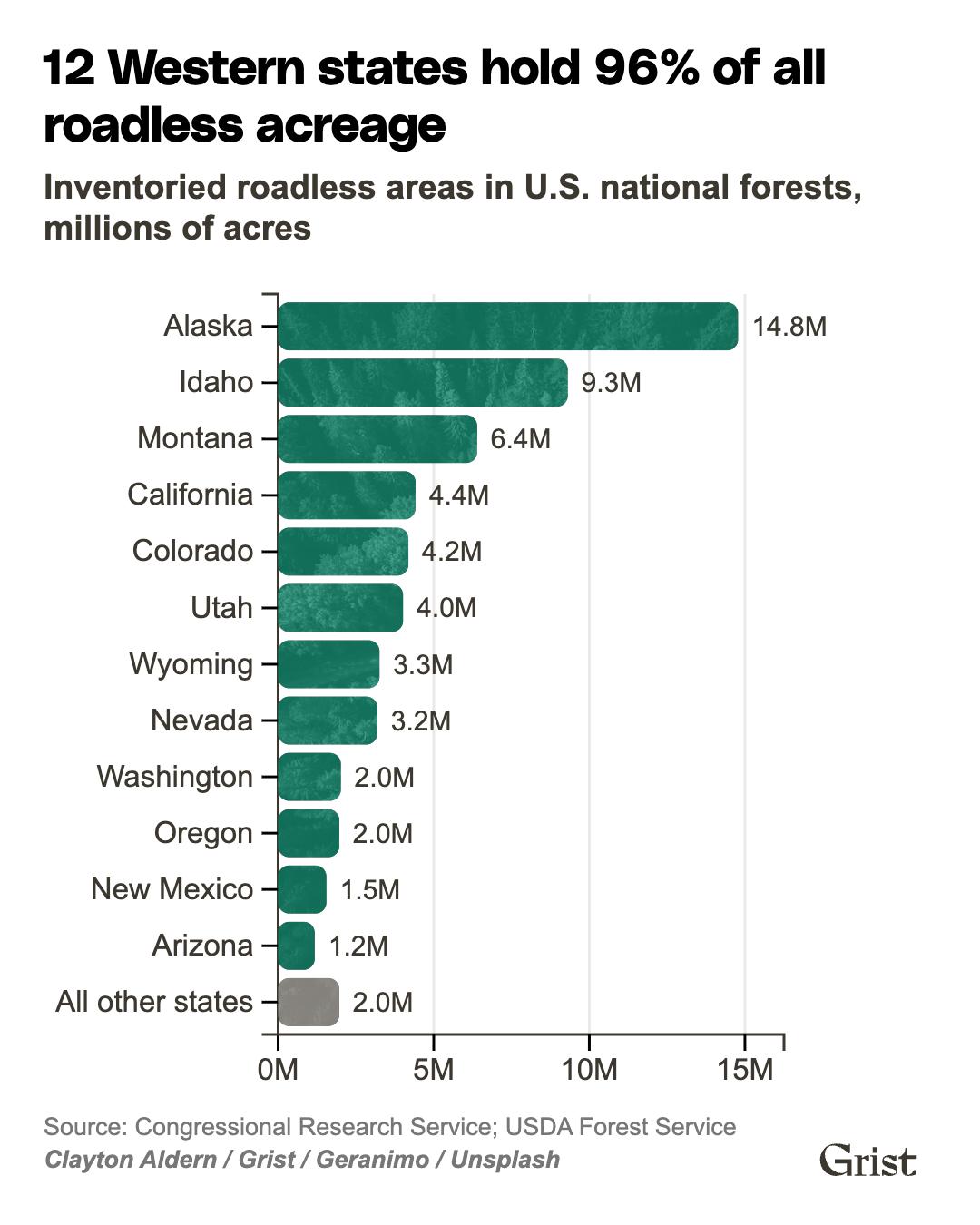
While 95 percent of these protected lands are located in 10 Western states, the remaining acreage in the East serves as a critical ecological buffer in some of the most densely developed regions of the country. In states like Illinois, Georgia, and Vermont, these roadless areas represent rare pockets of "quiet" forest, providing a sanctuary for biodiversity and a natural defense against the impacts of a changing climate.
The Push for Repeal: Economic Flexibility vs. Environmental Protection
The Department of Agriculture (USDA), which oversees the Forest Service, has recently accelerated efforts to overturn the 2001 rule. Secretary of Agriculture Brooke Rollins has emerged as a vocal critic of the policy, describing it as an "absurd obstruction" that hampers the agency’s ability to manage public lands effectively. The administration argues that the current restrictions prevent the Forest Service from reducing wildfire risks, maintaining access for emergency responders, and promoting "forest health" through active management.
According to the USDA, repealing the rule would grant the Forest Service the flexibility needed to support rural economies through increased timber production and mining. The administration’s broader strategy includes a significant restructuring of the agency, which recently involved shuttering 57 of its 77 research stations—many of which focused on climate change and invasive species—and moving the agency’s headquarters from Washington, D.C., to Salt Lake City, Utah.
However, this shift has met fierce resistance from conservationists and former agency leaders. Four former chiefs of the Forest Service, representing over 150 years of collective experience, have urged the administration to keep the rule intact. Vicki Christiansen, who led the agency from 2018 to 2021, characterized the potential repeal as an "irreparable tragedy," arguing that these lands belong to all citizens and provide benefits that far outweigh the short-term gains of logging and mining.
Shawnee National Forest: A Case Study in Carbon Sequestration
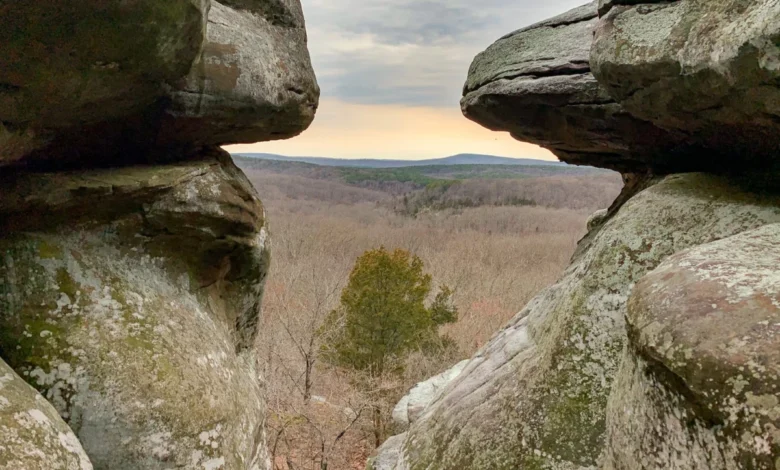
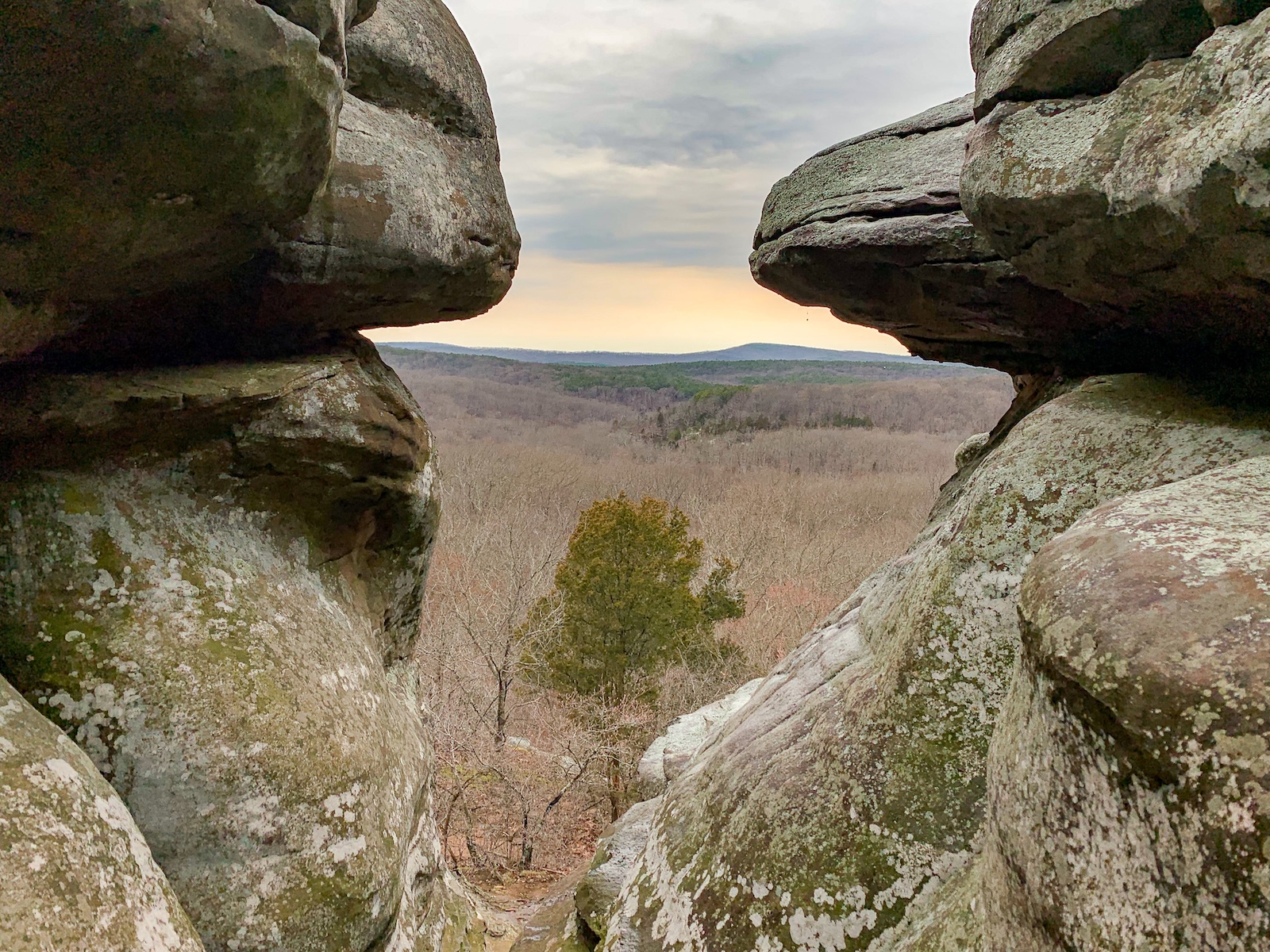
In the southern tip of Illinois, the Shawnee National Forest encompasses nearly 289,000 acres of sandstone bluffs and hardwood forests. While only about 10,000 acres are currently protected by the roadless rule, these areas are at the center of a debate over the forest’s role as a carbon sink.
Environmental advocates like John Wallace, who has spent decades fighting to protect the Shawnee, argue that the administration’s push for industrial exploitation ignores the long-term value of intact forests. "The impact in the Shawnee is not going to be as profound as the impact in the forest out west," Wallace noted, "but the determination to open up public land to industrial exploitation is clear."
The scientific consensus suggests that Eastern forests are currently in a "middle-aged" phase, typically between 80 and 120 years old. Richard Birdsey, a senior scientist at the Woodwell Climate Research Center, explains that this is the period when forests are most efficient at removing carbon dioxide from the atmosphere and storing it in biomass and soil. In 2019, U.S. woodlands offset more than 11 percent of the nation’s greenhouse gas emissions. Research indicates that if left undisturbed, Eastern forests could reach double their current carbon storage potential. Conversely, accelerating timber harvests could result in millions of metric tons of additional CO2 emissions annually by 2050.
The Wildfire Paradox in the Chattahoochee National Forest
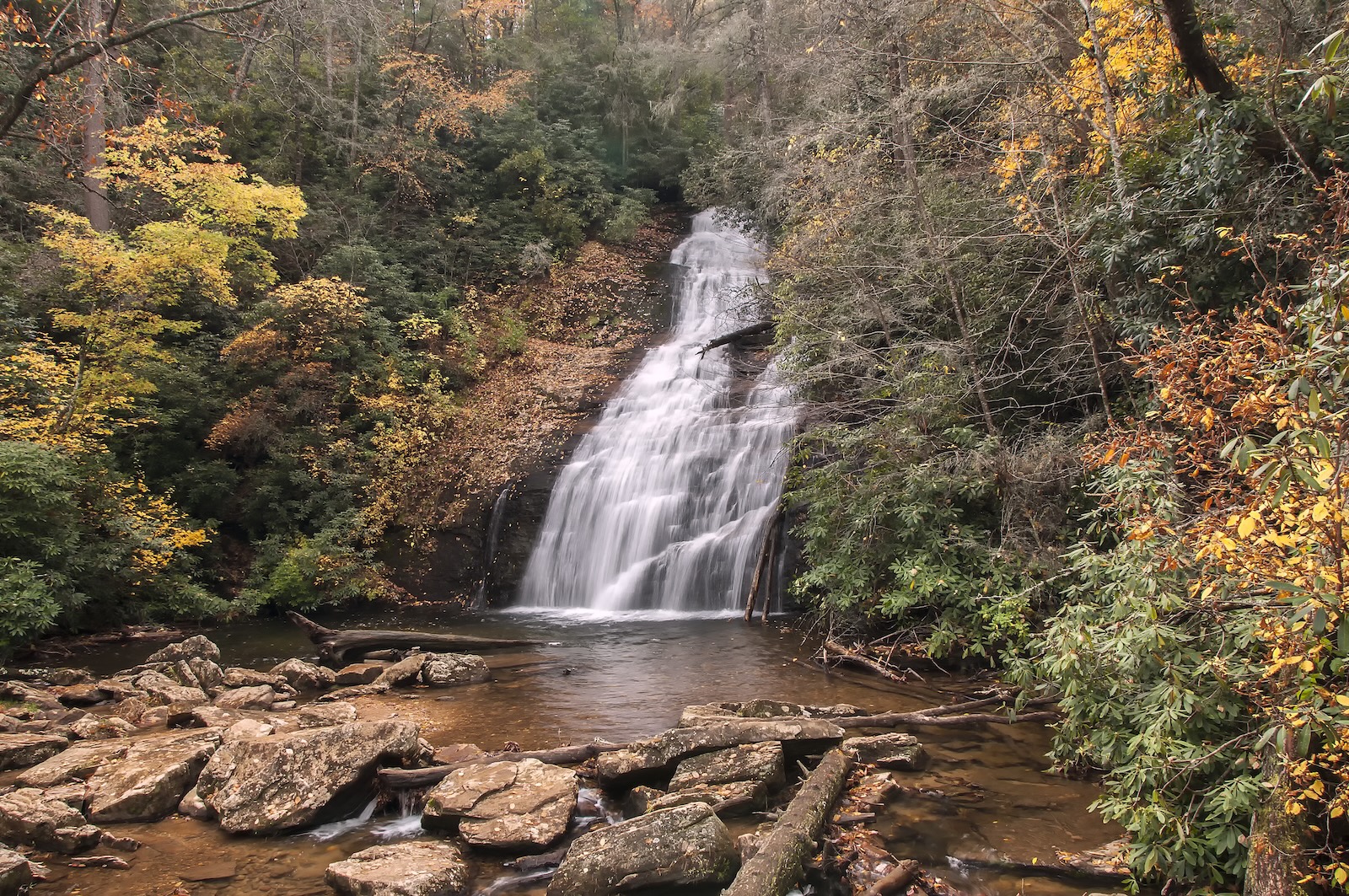
In Georgia, the Chattahoochee National Forest covers 751,000 acres of the Appalachian foothills. Only about 7 percent of this land remains roadless. The Forest Service argues that this remoteness is a liability during wildfire season. Agency spokesperson Laura Fitzmorris emphasized that without roads, firefighters struggle to reach blazes, citing the 2016 Rough Ridge fire, which burned 28,000 acres, as a primary example of the risks involved.
However, ecologists like JP Schmidt of Georgia Forest Watch point to a "wildfire paradox." While roads provide access for firefighters, they also provide access for humans—the leading cause of wildfires. In 2024 alone, human activity sparked nearly 24,000 fires across the Southern U.S., while lightning caused only 809. Most human-caused fires begin near roads, sparked by discarded cigarettes, hot exhaust pipes, or unattended campfires.
Sam Evans, a program leader at the Southern Environmental Law Center, argues that the roadless rule already contains exemptions for firefighting and that the administration is using "fire safety" as a pretext for increasing timber production. "They’re trying to trick the American people into thinking that timber production is somehow making us safer from wildfire," Evans said. "It’s not."
Vermont’s Green Mountains: A Preview of a Roadless-Free Future
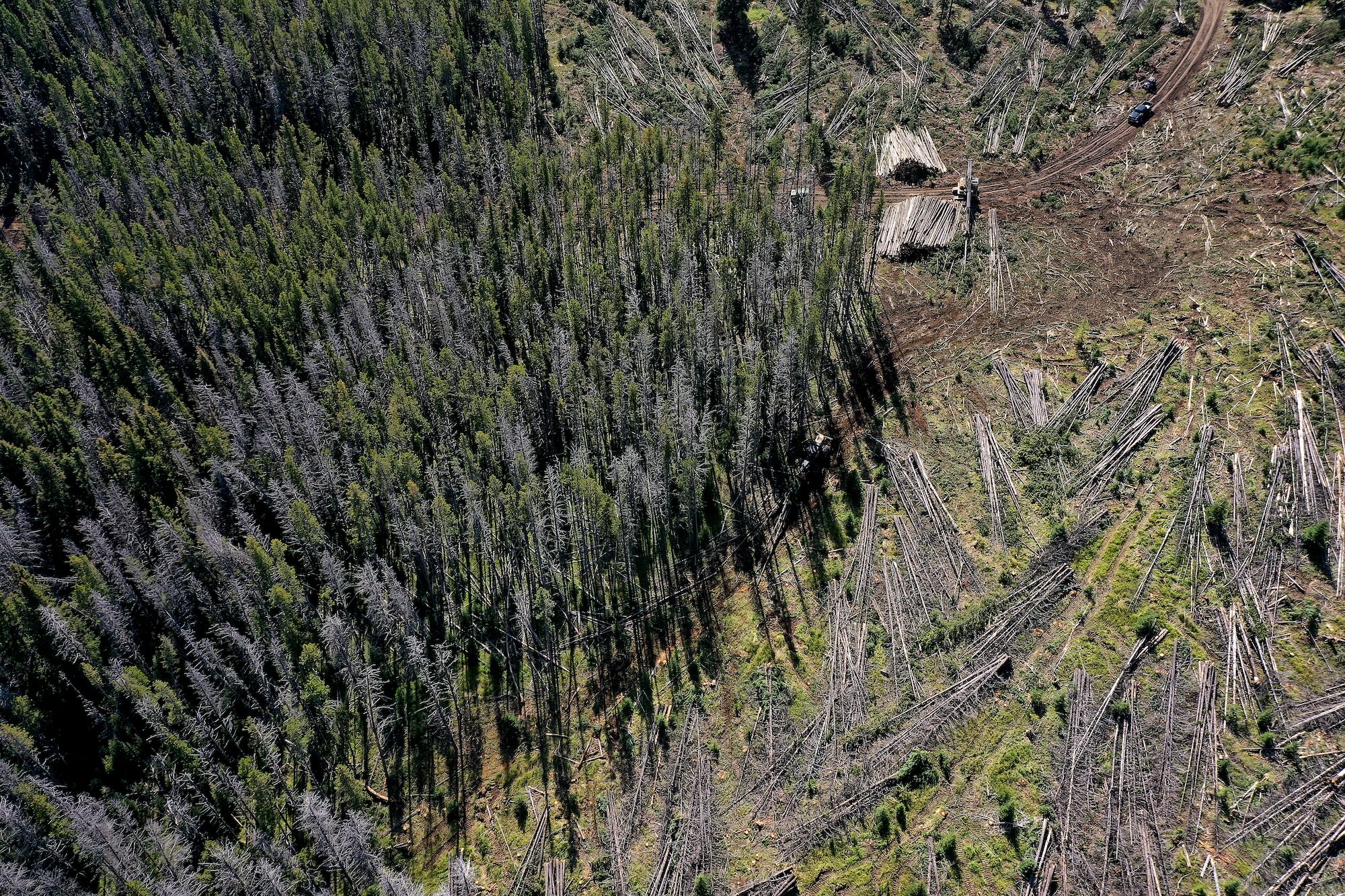
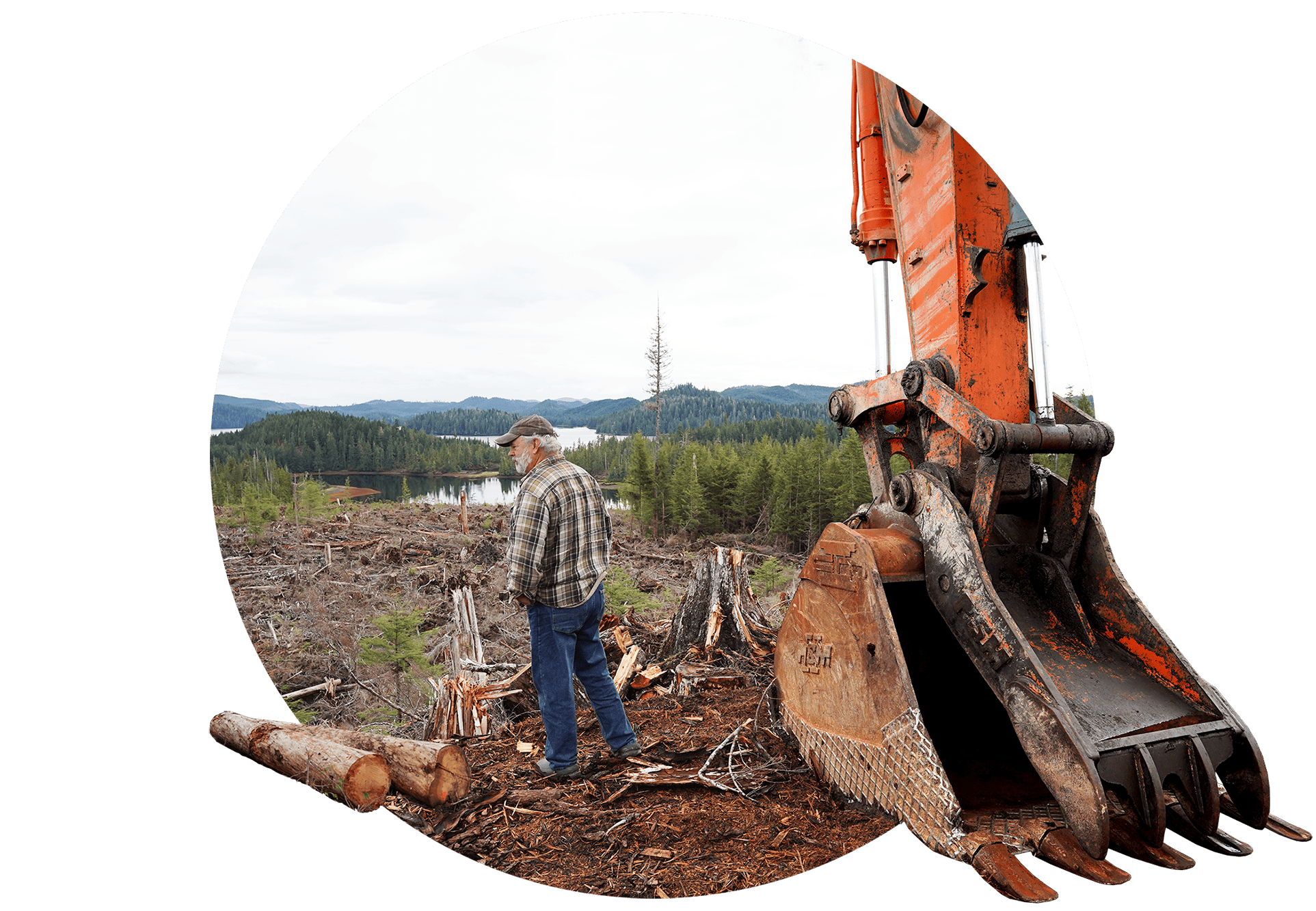
The potential consequences of a full repeal are already being felt in Vermont’s Green Mountain National Forest. In a parcel known as Homer Stone, thousands of acres of maple, beech, and birch trees have recently been cleared. Because this specific area was not inventoried as roadless until after the 2001 rule took effect, it lacked the same level of protection as other parcels.
Zack Porter, co-founder of the nonprofit Standing Trees, describes the logged areas as a "moonscape." The Forest Service defends the logging as "early successional habitat creation," a process intended to revitalize the forest by creating young vegetation for specific bird and insect species. However, Porter argues that this "gobbledygook" terminology hides the reality of industrial logging that destroys old-growth habitats for endangered species like the American Marten and the northern long-eared bat.
The situation in Vermont highlights a legal loophole: while the Forest Service identifies many areas as "roadless," only those "inventoried" before the 2001 rule are strictly protected from logging. If the 2001 rule is repealed, even those currently protected areas would be opened to the same clear-cutting seen at Homer Stone.
Broader Implications and the Path Ahead
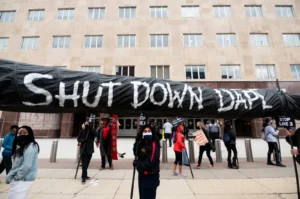
The effort to dismantle the roadless rule is part of a broader federal push to intensify timber production on public lands. The administration has utilized various legal loopholes to fast-track logging projects, often with minimal public oversight. The recent 21-day public comment period for the roadless rule repeal—significantly shorter than the standard 90-day window—drew over 220,000 responses, 99 percent of which were in opposition to the rollback.
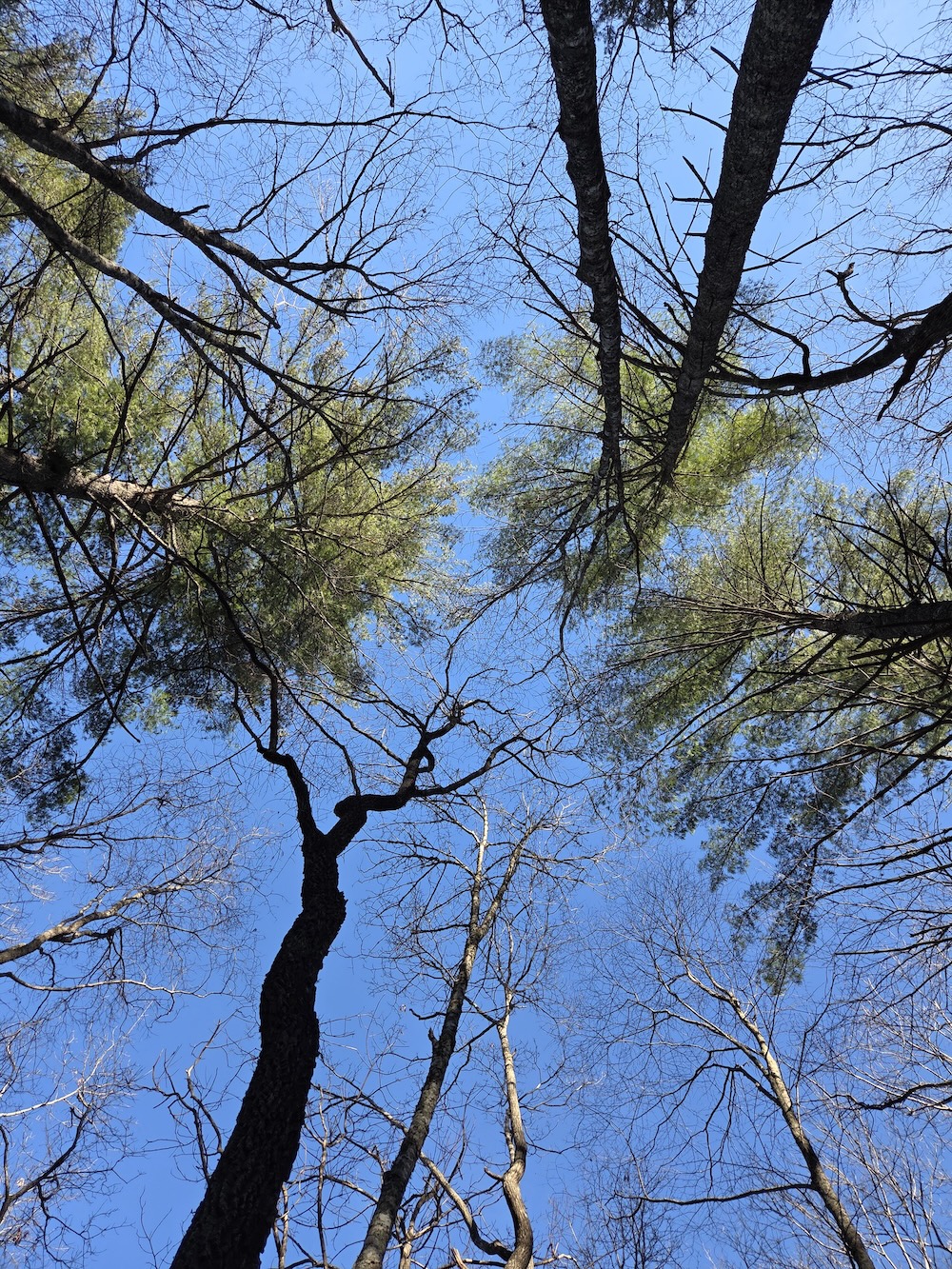
The implications of this policy shift extend far beyond the borders of the national forests. Roadless areas protect the headwaters of many major river systems, ensuring clean drinking water for millions of people. They support a multi-billion-dollar outdoor recreation economy, providing space for hiking, hunting, and fishing. Furthermore, they serve as critical migration corridors for wildlife facing the pressures of habitat loss and climate change.
As the Department of Agriculture moves toward a final decision, the debate is shifting from the halls of Washington to the courtrooms and the woods themselves. Conservation groups are expected to launch significant legal challenges to any repeal, arguing that the administration has ignored the scientific evidence regarding carbon storage and biodiversity. For the communities living alongside the last protected forests of the East, the outcome of this battle will determine whether these landscapes remain as "the last best stretches of national forest land" or become the next frontier for industrial development.