The Green Infrastructure Solution How Expanding Urban Tree Canopies Can Combat the Rising Threat of Lethal Heat Waves

As global temperatures continue to shatter historical records, the survival of urban populations is increasingly tied to the presence of "living infrastructure." While the legendary figure Johnny Appleseed is often remembered for his eccentric propagation of apple trees across the American frontier, his legacy of creating shade and fostering arboriculture has taken on a new, urgent scientific significance. Modern researchers are now confirming what early naturalists perhaps sensed: trees are not merely aesthetic additions to a city but are critical life-support systems in an era of unprecedented extreme heat.
Recent scientific inquiries have underscored a stark reality for urban planners and public health officials. Two comprehensive new studies have quantified the cooling power of urban canopies, revealing that the presence of trees can mitigate the "Urban Heat Island" (UHI) effect by as much as 50 percent. As concrete-heavy metropolises like New York, Los Angeles, and Atlanta grapple with stifling summer temperatures, the push to expand green cover has moved from a beautification effort to a primary public health strategy.
The Science of the Urban Heat Island Effect
The Urban Heat Island effect occurs when cities replace natural land cover with dense concentrations of pavement, buildings, and other surfaces that absorb and retain heat. This phenomenon causes urban areas to experience significantly higher temperatures than their surrounding rural counterparts. The first of the two recent studies, published in Nature Communications, highlights that tree cover currently prevents the UHI effect from being twice as severe as it is today.
Robert McDonald, the lead scientist for nature-based solutions at the Nature Conservancy and the primary author of the study, emphasizes that heat is already a silent killer. Global estimates suggest that extreme heat claims approximately 350,000 lives annually. In the United States, heat-related mortality often surpasses the combined death toll of hurricanes, floods, and tornadoes. By providing shade and facilitating a process known as evapotranspiration, trees act as natural air conditioners.
Evapotranspiration is essentially a plant’s way of "sweating." Trees absorb water through their roots and release moisture through small pores in their leaves. As this water evaporates into the air, it consumes heat energy, effectively lowering the surrounding temperature. When combined with the physical barrier of shade, which prevents solar radiation from reaching the pavement, the cooling effect is profound. Conversely, concrete and asphalt act as thermal sponges, absorbing energy during the day and radiating it back into the atmosphere throughout the night. This prevents "nocturnal cooling," a critical period when the human body and urban environments typically recover from daytime heat stress.
Quantifying the Cooling Dividend
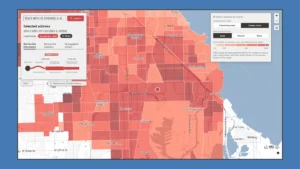
The second major study, conducted by the Healthy Green Spaces Coalition, analyzed 65 American cities to calculate what researchers call the "cooling dividend." The findings were remarkably consistent across diverse geographic regions: neighborhoods with robust tree canopies experience up to 40 percent less excess heat than those with minimal greenery.
The data revealed temperature gaps of nearly 4 degrees Fahrenheit between the leafiest and the most barren sectors of the same city. While four degrees may seem marginal in a laboratory setting, in a public health context, it represents the difference between a manageable summer day and a lethal heat event. Steve Whitesell, executive editor at the Healthy Green Spaces Coalition, noted that the consistency of the data across all 65 cities confirms that the impact of trees is a universal law of urban thermodynamics rather than a localized anomaly.
The Socioeconomic Divide in Urban Shade
One of the most pressing issues identified by researchers is the inequitable distribution of tree cover. Data indicates a strong correlation between neighborhood income levels and the density of the urban forest. Lower-income areas, often the product of historical "redlining" and industrial zoning, frequently possess significantly less canopy than affluent suburbs.
In these "shade-poor" neighborhoods, residents are often surrounded by vast stretches of heat-absorbing concrete and industrial infrastructure. These areas also tend to have older housing stock with poor insulation and limited access to high-efficiency air conditioning. This combination of environmental and economic factors creates a "heat trap" that disproportionately affects vulnerable populations, including the elderly, outdoor laborers, and those with pre-existing cardiovascular or respiratory conditions.
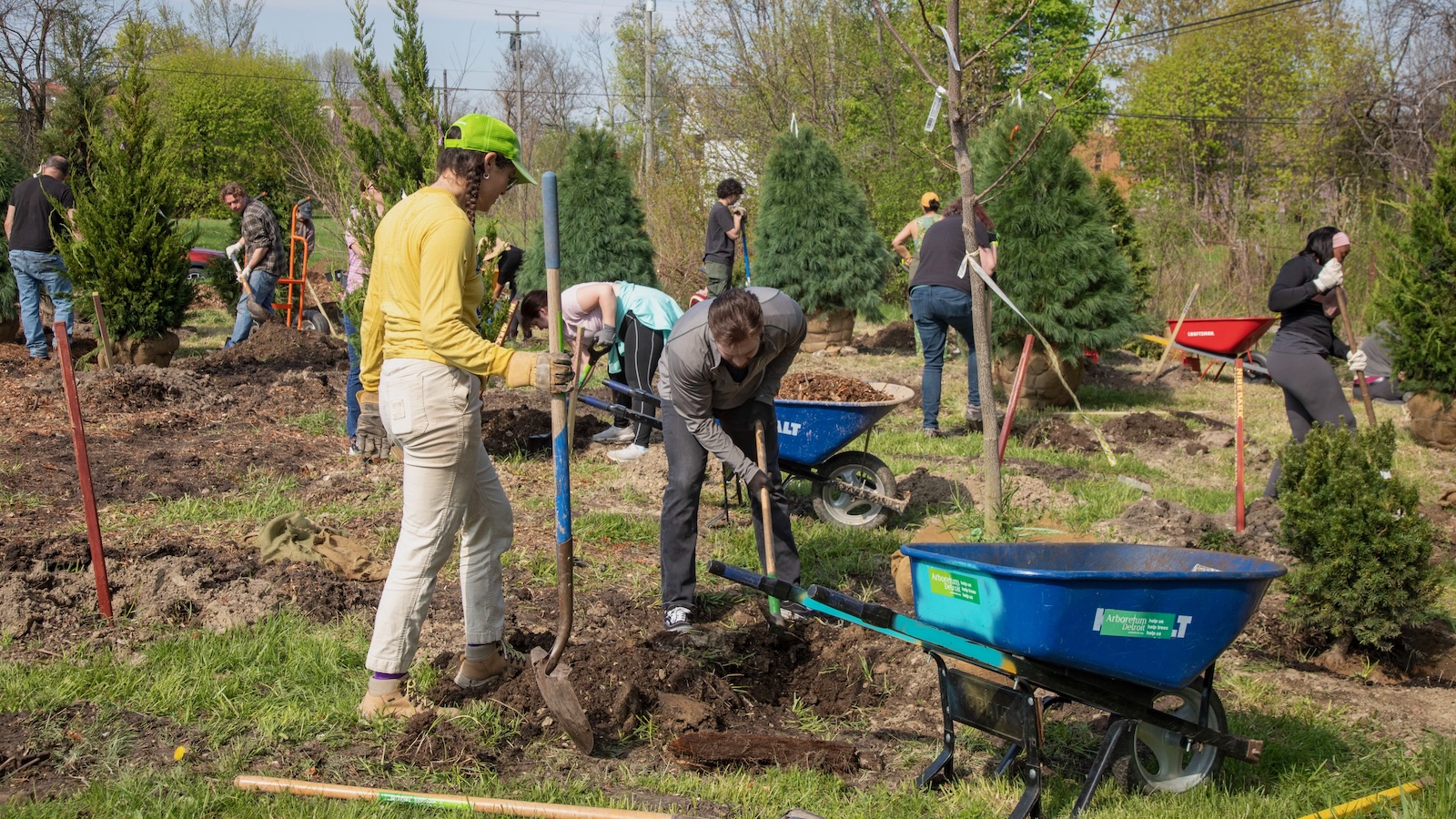
Policymakers in several major cities are beginning to recognize this disparity as a matter of environmental justice. Initiatives are being launched to prioritize tree planting in historically neglected corridors, though these efforts face hurdles such as high maintenance costs, the need for community engagement, and the physical constraints of narrow, utility-dense sidewalks.
Historical Precedents and the Evolution of Urban Planning
The concept of integrating nature into the urban fabric is not entirely new. During the Industrial Revolution, as cities became overcrowded and polluted, the "Garden City" movement and the development of large public parks were seen as essential for the physical and moral health of the citizenry.
London’s expansive public commons served as a model for Paris in the 19th century. Under the direction of Baron Haussmann, Paris underwent a massive transformation that included the creation of wide, tree-lined boulevards and the Bois de Boulogne and Bois de Vincennes. Similarly, in the United States, Frederick Law Olmsted’s design for Central Park in New York was predicated on the belief that urbanites needed "green lungs" to survive the rigors of city life.
Today’s urban arborists are building upon this historical foundation but with a modern focus on climate resilience. The challenge is no longer just about aesthetics or leisure; it is about engineering a living shield against a warming planet.
Selecting Species for the Climate of Tomorrow
As cities commit to massive tree-planting campaigns, the selection of species has become a complex science. The "right tree in the right place" mantra now includes a temporal dimension: planting trees that can survive the climate projected for 30 or 50 years from now.
Climate change is causing "hardiness zones" to shift northward. Native species that have thrived in certain cities for centuries are now showing signs of stress due to prolonged droughts and higher baseline temperatures. Urban arborists are increasingly looking to "assisted migration," the practice of planting species from slightly warmer, southern climates that are better adapted to the heat and water scarcity that northern cities are beginning to experience.
Furthermore, the choice of species affects the degree of cooling. Large-canopy trees like oaks and maples provide superior shade, while certain species are more efficient at evapotranspiration. However, drought-adapted trees often retain their moisture as a survival mechanism, which can reduce their cooling capacity during the hottest periods. Balancing biodiversity, water requirements, and cooling efficiency is the new frontier of urban forestry.
The Limits of Greenery: An Integrated Approach
Despite the overwhelming benefits of trees, experts caution that they are not a silver bullet. Robert McDonald’s research indicates that even if cities were to maximize their potential tree cover, it would only offset approximately 20 percent of the projected temperature increases driven by global climate change.
"Climate change is a big enough challenge that while planting more tree cover helps with temperatures, it won’t do the job by itself," McDonald stated. This realization is driving a move toward "integrated heat management." This includes:
- Cool Roofs and Pavement: Using reflective materials and coatings on rooftops and streets to bounce solar radiation back into space rather than absorbing it.
- Architectural Design: Prioritizing natural ventilation and building orientations that minimize solar gain.
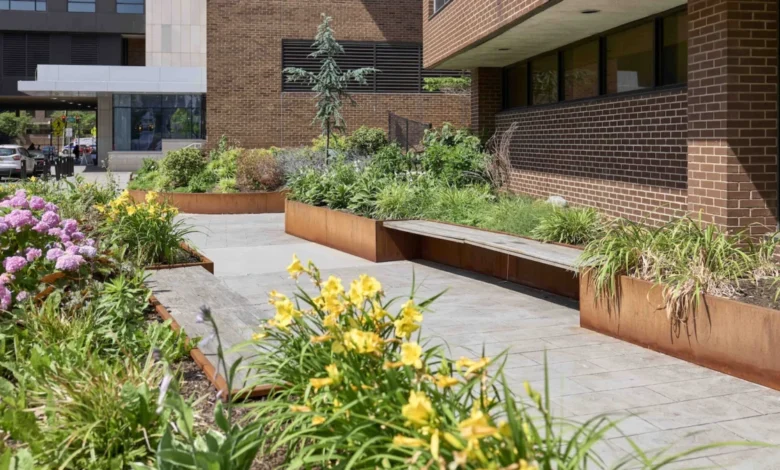
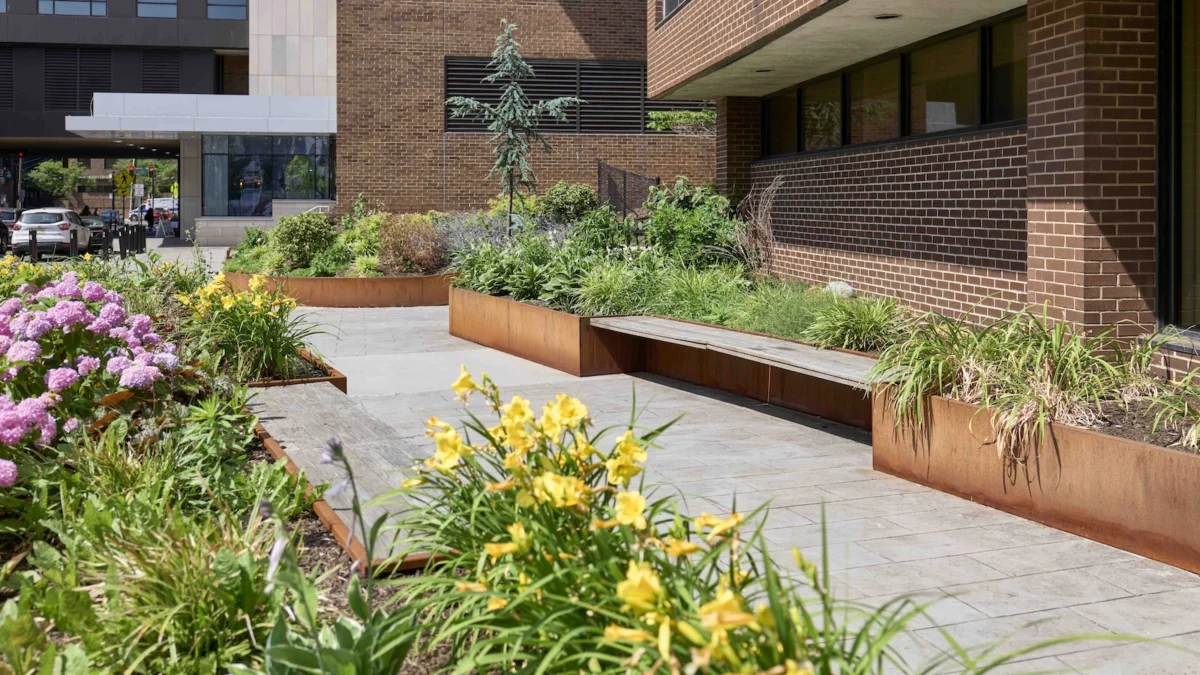
- Pocket Gardens: Utilizing small, vacant lots for dense greenery to provide localized cooling in neighborhoods where large-scale parks are not feasible.
- Permeable Surfaces: Replacing solid concrete with materials that allow water to reach the soil, supporting the health of the very trees tasked with cooling the city.
This multi-faceted approach is particularly critical in rapidly growing cities in developing nations. These areas often lack the established green infrastructure of older European or American cities and are facing some of the most extreme temperature projections on the planet.
Conclusion and Future Implications
The transformation of cities into resilient, shaded environments is a generational project. Unlike "gray infrastructure"—such as roads or bridges, which begin to depreciate the moment they are completed—living infrastructure appreciates over time. A tree planted today may take 20 years to reach its full cooling potential, requiring a long-term commitment from municipal governments and citizens alike.
Edith de Guzman, a researcher at UCLA who specializes in urban heat, asserts that utilizing trees as a form of living infrastructure is "pretty much the most important thing we can do" to protect urban populations. As the global population continues to urbanize, the ability of a city to provide shade and cooling will likely become a primary indicator of its livability and economic stability.
The data is clear: the path to a cooler, more equitable urban future is paved not with more concrete, but with the roots and canopies of a robust urban forest. While the task is daunting and the climate is changing rapidly, the historical success of cities like London and Paris suggests that with sufficient political will and scientific planning, the "country" can indeed be brought back into the city, creating a sustainable refuge for the millions who call these concrete jungles home.
Related posts: