Beneath the rugged expanses of the Rocky Mountains, the Sierra Nevada, and the arid basins that stretch between them lies a vast, untapped energy reservoir: the heat of the Earth’s own core. For decades, geothermal energy was viewed as a niche, location-specific power source, limited to regions where volcanic activity or hot springs naturally breached the surface. Today, a new generation of energy companies is fundamentally changing that narrative. By adapting advanced drilling and hydraulic stimulation techniques pioneered in the oil and gas sector, these firms are now tapping into the planet’s thermal heart in regions previously thought unsuitable for geothermal production. This transition has arrived at a critical juncture, spurred by an insatiable demand for electricity from the nation’s rapidly expanding fleet of artificial intelligence-driven data centers.
A New Frontier in Power Generation
The fundamental appeal of geothermal power for modern tech giants—including Google, Meta, and others—is its reliability. Unlike solar and wind, which are inherently intermittent and dependent on weather conditions, geothermal is a "firm" power source, capable of generating electricity 24 hours a day, 365 days a year. As technology companies strive to meet ambitious, board-mandated climate goals, the need for a constant, carbon-free energy supply has become a strategic priority.
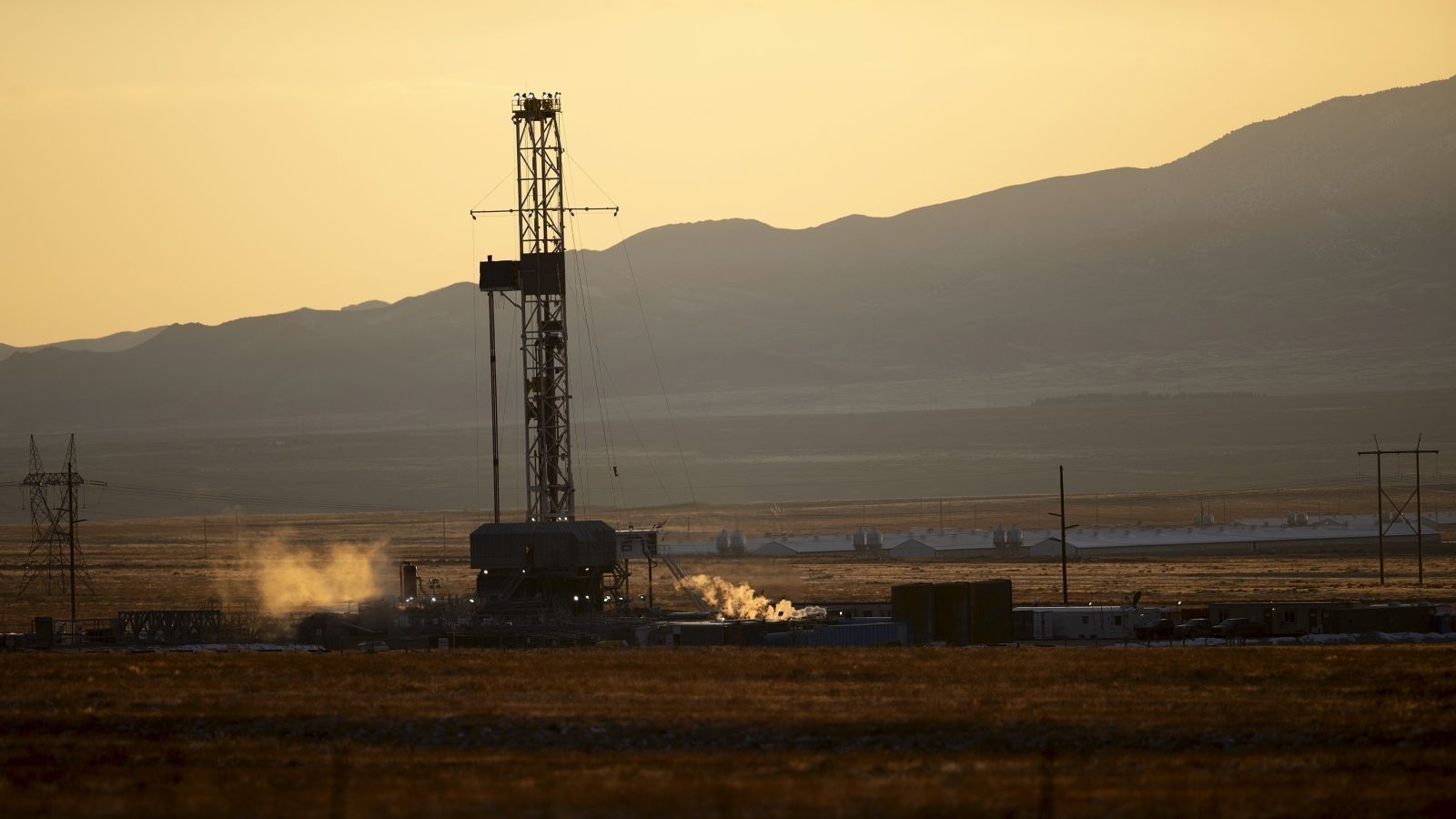
The shift toward geothermal is not merely theoretical. In recent months, the industry has seen a flurry of high-profile commercial agreements. Notably, Google finalized a deal to procure 396 megawatts of power from Fervo Energy’s upcoming Cape Station facility in southwest Utah. This single installation is projected to provide enough electricity to power approximately 430,000 households. Similarly, Meta has entered into agreements with geothermal developers in New Mexico, reflecting a broader trend of tech companies investing directly in the energy infrastructure required to sustain their massive computing footprints.
The Technological Evolution: From Conventional to Enhanced
Traditional geothermal energy extraction is historically binary: it requires both extreme heat and an accessible, naturally occurring water reservoir. Operators drill into these underground aquifers, bring the heated water to the surface, and use it to drive steam turbines. Once the energy is extracted, the water is typically reinjected into the Earth. This reliance on specific geological conditions has historically constrained the industry to the Pacific Rim and select Western locations.
However, the industry is currently pivoting toward "Enhanced Geothermal Systems" (EGS). EGS utilizes hydraulic fracturing—a method of injecting high-pressure fluids to create pathways in impermeable hot rock—to simulate a reservoir where one does not naturally exist. This allows for the capture of thermal energy in a much wider array of geographic settings. While EGS significantly expands the potential for geothermal adoption, it introduces a complex logistical challenge: water usage.
The Paradox of Water Consumption in the Arid West
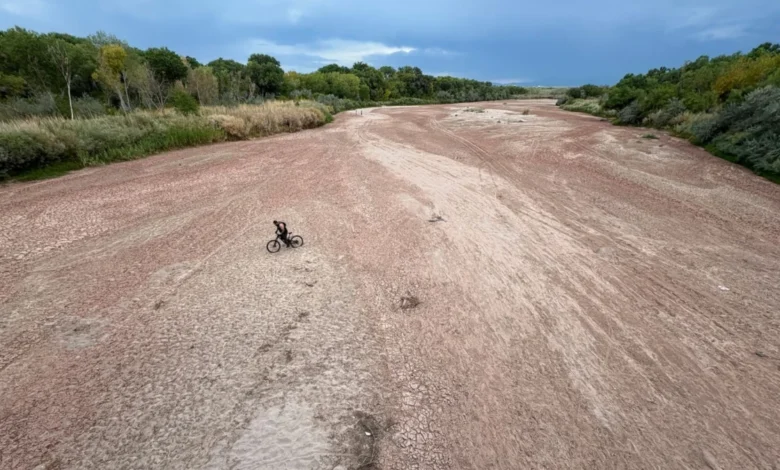
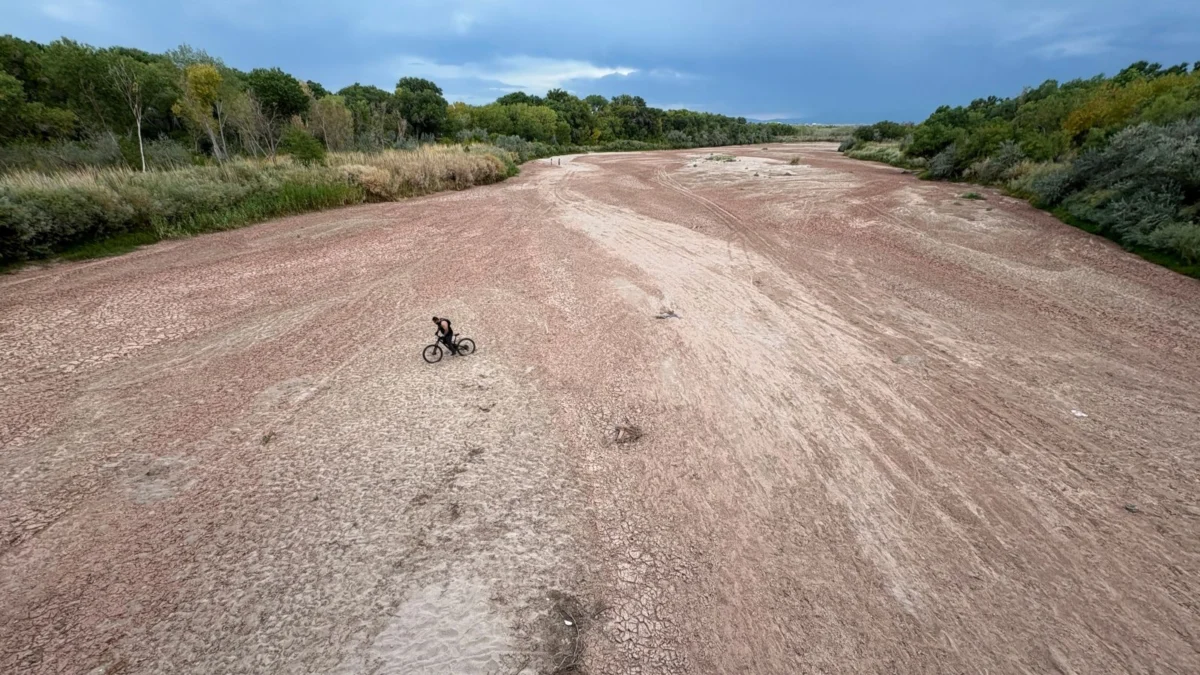
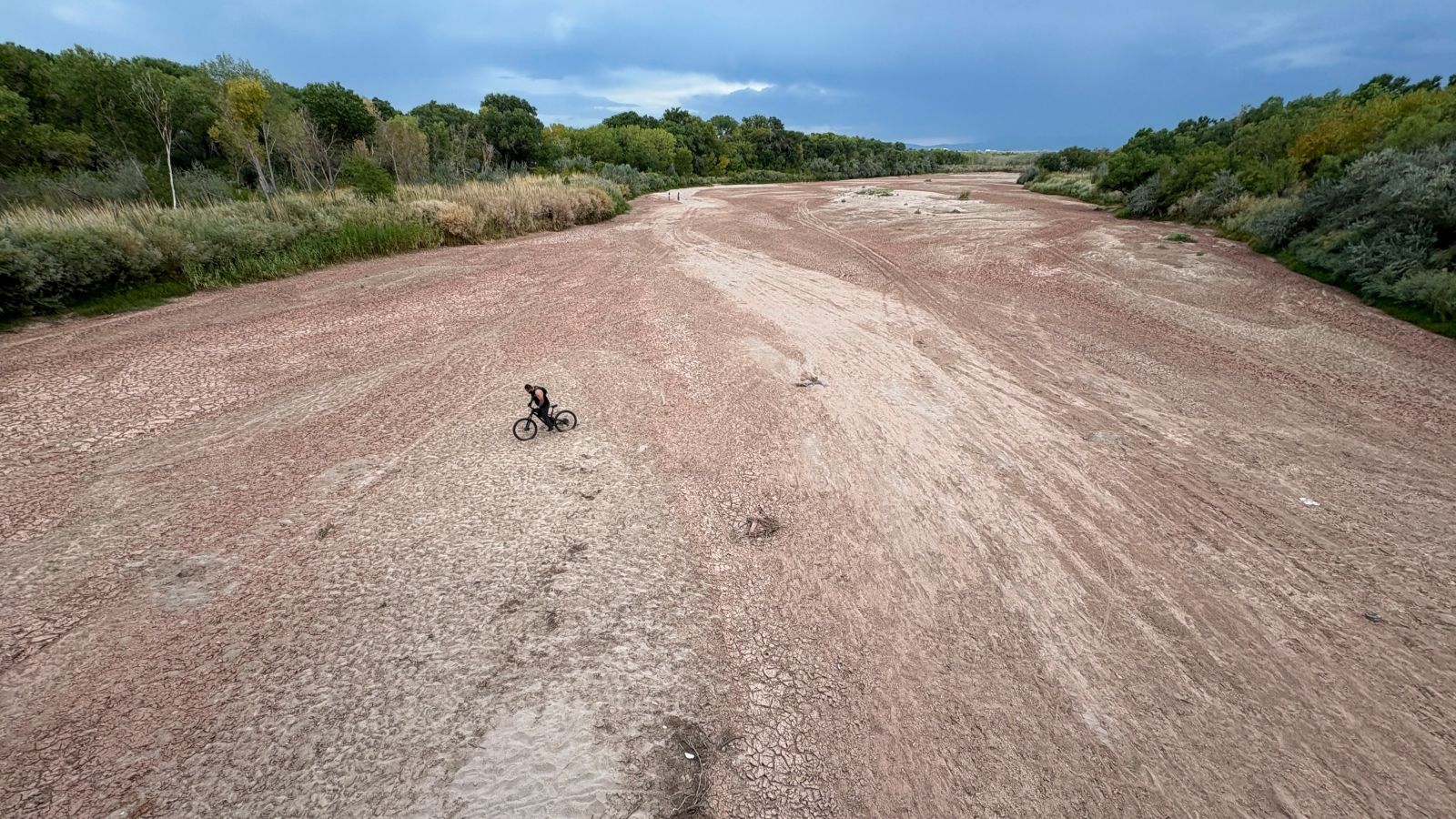
The irony of the current geothermal boom is that its most promising growth region—the American West—is also the region most severely affected by chronic drought and water scarcity. Most geothermal technologies, whether conventional or enhanced, are "thirsty." In the case of EGS, water is lost during the circulation process as it permeates the fractured rock.
The challenge is exacerbated by the fact that data centers themselves are water-intensive, requiring millions of gallons for cooling purposes to prevent server hardware from overheating. When the electricity generation process for these facilities also requires significant water, the environmental and political scrutiny intensifies.
"This is a real problem that the industry absolutely needs to try to figure out," says Kristie McLin, principal investigator at Utah FORGE, a Department of Energy-funded research laboratory. "When it is additive and all your other water sources are already allocated to other uses, it can be challenging to find the volume of water you need to start up and sustain enhanced geothermal."
For perspective, the scale of the water requirement is immense. Recent proposals, such as one from Oracle to develop 2 gigawatts of renewable power in New Mexico, highlight this tension. If such a project were powered entirely by EGS, estimates suggest it could require up to 42 million gallons of water daily—roughly half the total daily consumption of the city of Albuquerque.
Closed-Loop Innovation
In response to these concerns, developers are exploring "closed-loop" technologies, such as those pioneered by XGS Energy. Unlike EGS, which circulates water through the rock itself, closed-loop systems circulate a working fluid through a sealed, continuous pipe network. The Earth’s heat is transferred to the fluid through the pipe walls, preventing the fluid from being lost to the surrounding geology.
While this approach offers a massive reduction in water consumption, critics note that it currently faces significant efficiency hurdles. Roland Horne, who leads the geothermal program at Stanford University, points out that closed-loop systems often produce less power per well and may suffer from shorter well lifespans compared to more aggressive EGS methods. Consequently, unless technological breakthroughs lower costs and improve output, the scalability of water-free geothermal remains an open question for industrial-scale applications.
Chronology of the Geothermal Surge
- 2023–2024: The U.S. Department of Energy accelerates investment in the "Enhanced Geothermal Shot," aiming to reduce the cost of EGS by 90% by 2035.
- Early 2025: A record-breaking federal auction for geothermal leases in the Mountain West signals increased developer confidence and interest in public lands.
- Mid-2025: Meta announces a strategic partnership with XGS Energy to develop a 150-megawatt closed-loop geothermal project in New Mexico.
- Late 2025: Google confirms the purchase of 396 megawatts from Fervo’s Cape Station, marking one of the largest corporate geothermal power purchase agreements in history.
- 2026: Public opposition to water-intensive data centers, particularly in New Mexico, prompts a legislative and regulatory shift toward requiring more sustainable water-management plans for new energy-intensive projects.
Regulatory and Economic Implications
The broader implications of this boom extend beyond the tech industry. California, for instance, has set a mandate to reach 100% clean electricity by 2045. While the state has achieved impressive milestones with solar and wind, the integration of these intermittent sources has created grid stability challenges. Regulators have explicitly identified "clean firm" power as the missing link, mandating that utilities procure significant geothermal capacity to bridge the gaps in the renewable grid.
However, the path forward is fraught with financial risk. Geothermal projects are capital-intensive, characterized by high upfront drilling costs and the inherent uncertainty of subterranean exploration. While tech company interest has provided a much-needed injection of capital and demand, the sector still requires new financial models to de-risk these investments. Mike O’Connor, director of the Mountain West Geothermal Consortium, emphasizes that while data centers provide a powerful catalyst, the industry must move toward sustainable, long-term funding mechanisms to survive beyond the current "tech-gold rush."
Future Outlook: Efficiency and Sustainability
As the industry moves into 2027 and beyond, the focus will likely shift toward optimization. Researchers at Utah FORGE are actively testing new well-spacing patterns and injection techniques designed to minimize water loss, aiming to prove that large-scale geothermal can coexist with the delicate water tables of the American West.
The fundamental value proposition of geothermal remains unchanged: it is one of the few carbon-free energy sources that can provide the "always-on" power required by the global digital economy. Whether the industry can overcome its water-related challenges will determine not only the future of data center expansion but also the viability of the West’s long-term decarbonization goals. As O’Connor notes, the argument for geothermal existed long before the current wave of data center growth, and it will remain a cornerstone of energy policy long after the current infrastructure projects are completed. The industry is now tasked with proving that it can provide this power without placing an undue burden on the region’s most precious resource.