The Global Scientific Community Builds a Digital Lifeboat to Safeguard Climate Data Against Political Interference

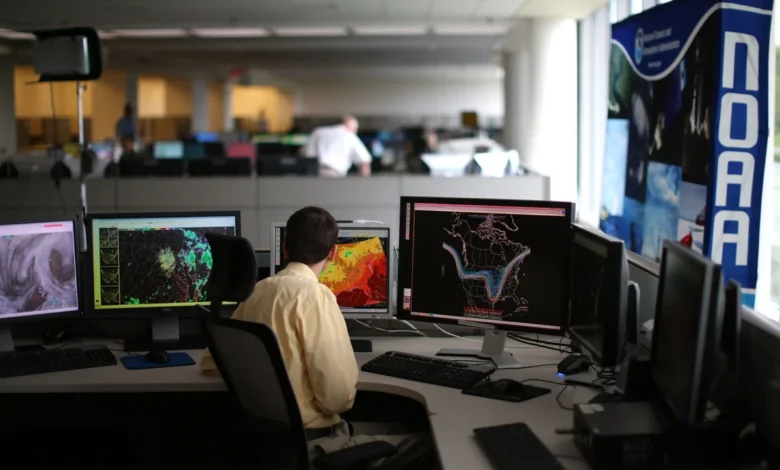
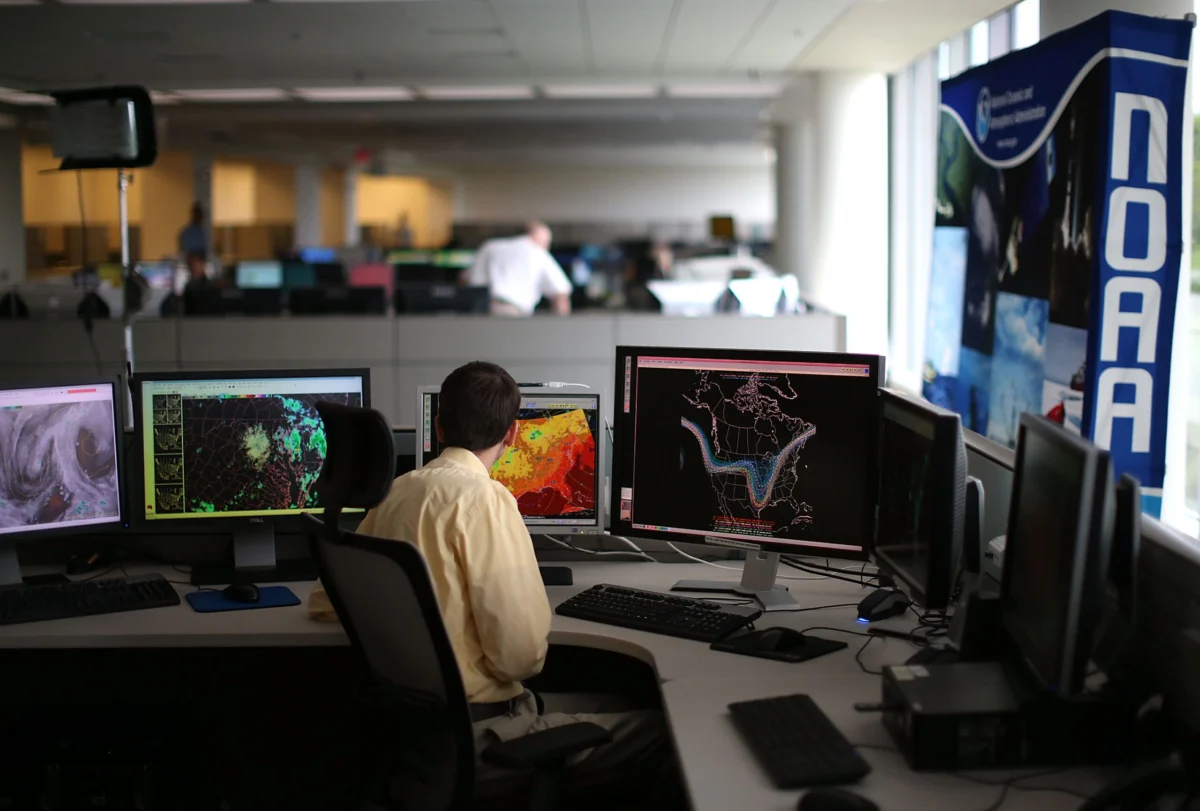
In a nondescript, five-story facility nestled in the heart of Hamburg, Germany, a team of technicians is currently undertaking a mission of unprecedented international significance. They are installing massive gray metal racks—the physical hardware housing the digital memory of our planet’s climate—inside the German Climate Computing Center (DKRZ). While the DKRZ has long served as a vital repository for European climate research, these new additions carry a different, more urgent mandate: they are being configured to host an emergency backup of American climate simulations. This initiative, part of a broader, multi-million-dollar effort, aims to ensure that decades of U.S. climate data remain shielded from potential deletion, manipulation, or censorship under the current political climate in Washington.
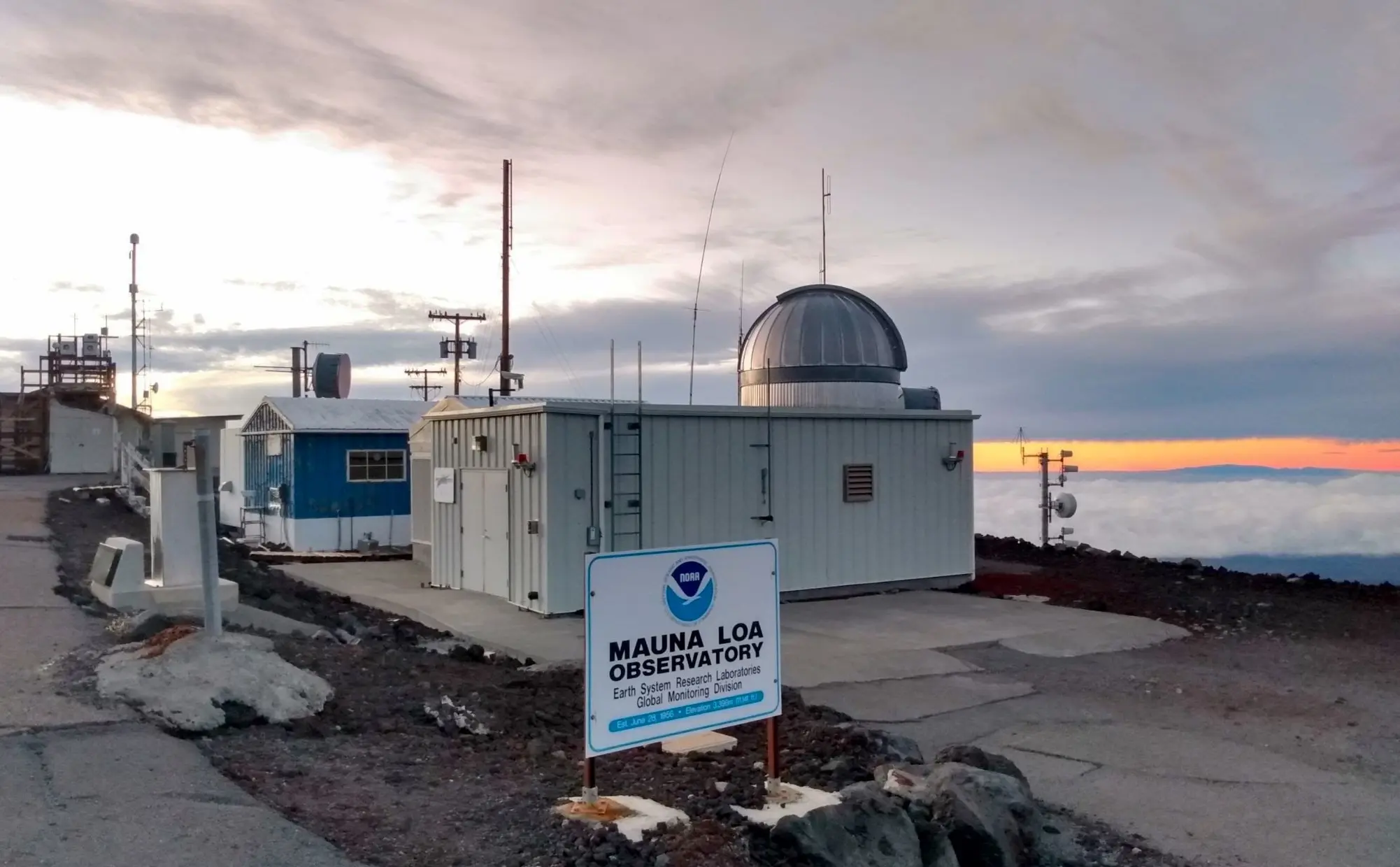
The necessity of this "digital lifeboat" stems from a series of aggressive actions taken by the Trump administration against climate science. Since the start of the current term, the federal government has slashed research budgets, removed references to human-caused climate change from official agency websites, and attempted to impede the operations of essential monitoring stations, such as the Mauna Loa Observatory in Hawai‘i. For international researchers, these developments have transformed the United States from a beacon of open-access data into a source of profound systemic risk.
A Chronology of Scientific Erosion
The current crisis did not emerge overnight; it is the culmination of a multi-year trend of administrative hostility toward climate science. The timeline of this tension is marked by significant milestones that have galvanized the global scientific community:

- January 2025: The U.S. government formally withdraws from the U.N. Intergovernmental Panel on Climate Change (IPCC) and the U.N. Framework Convention on Climate Change, signaling a shift toward isolationism in environmental policy.
- April 2025: The Department of Government Efficiency (DOGE) initiates the systematic removal of datasets from the NASA Socioeconomic Data and Applications Center (SEDAC), prompting a frantic, last-minute effort by independent institutions to scrape and mirror the data before it vanished.
- Summer 2025: Faced with the mounting threat of data loss, the German Research Foundation (DFG) allocates $35 million to establish the "Data Resilience" program, creating a secure international infrastructure for hosting at-risk U.S. datasets.
- March 2026: The American Geophysical Union (AGU) convenes in Berlin, where nearly 100 climate experts from across the globe finalize a strategic framework to protect scientific integrity, leading to the launch of collaborative initiatives like CMIP7-ark.
The Vulnerability of Digital Knowledge
The scientific community has long operated under the assumption that government-funded data is a public good, permanently archived by the agencies that produced it. However, the events of the past eighteen months have shattered this consensus. Data, as it turns out, is physically tethered to hardware, and that hardware is subject to the whims of whoever controls the building.
The technical challenges of this preservation effort are immense. A single petabyte of data is equivalent to roughly 200 million high-resolution photographs. Transferring such massive volumes over the internet is not only costly but often physically impossible due to bandwidth constraints. Consequently, researchers have resorted to the "sneakernet"—physically transporting hard drives and magnetic tapes via air and sea freight—to ensure the safety of vital records.
"The data repositories, digital asset management services, and preservation systems that ensure research data remains open and accessible are often overlooked until they disappear," note data scientists Jennifer Gibson and Kaitlin Thaney. This realization has forced institutions like the University of Bremen and the Alfred Wegener Institute to integrate themselves into a global network of "data havens," ensuring that even if a U.S. server is shuttered, the information survives elsewhere.
Official Responses and Institutional Strategies
The German Research Foundation (DFG) has been at the forefront of this mobilization. Program manager Kathrin Winkler has been explicit about the motivation behind the funding, citing the dual risks of data deletion and malicious manipulation. "There is a risk that data could be manipulated to skew findings in a desired direction," Winkler warned, highlighting that the integrity of the data is just as important as its availability.
In response, the American Geophysical Union (AGU) has acted as an essential coordinator. Following the administration’s refusal to send U.S. experts to IPCC meetings, the AGU bypassed federal channels entirely, forming the U.S. Academic Alliance for the IPCC and nominating nearly 300 researchers directly. This shift represents a fundamental change in how science is governed: the creation of a decentralized, international infrastructure that is no longer dependent on the political stability of any single nation.
Broader Implications for Global Security
The implications of this movement extend far beyond the climate change debate. The rise of cyberattacks against research institutions in Croatia and Germany, combined with the catastrophic destruction of scientific infrastructure in Ukraine due to the Russian invasion, has turned data resilience into a matter of national and global security.
For researchers like Anastasiia Lutsenko, the lesson is clear: authoritarian regimes understand that by attacking science, they can inflict generational harm. When a laboratory or a data center is destroyed or silenced, the loss is not just technical; it is the loss of the foundational evidence needed for public safety, urban planning, health policy, and environmental management.
The effort to preserve data is not merely an act of defiance; it is a pragmatic necessity. As Frank Oliver Glöckner of the University of Bremen explains, the current administration has inadvertently forced the scientific community to modernize its infrastructure. "It would be ideal if, in the future, all climate data worldwide were connected via digital pipelines," notes Christopher Kadow of the DKRZ. "That way, in the event of a threat, we could simply flip a switch to secure it elsewhere."
The Future of Scientific Sovereignty
The irony of the current situation is not lost on observers. While the U.S. administration seeks to curtail scientific discourse, its actions have catalyzed a level of international scientific cooperation that was previously unimaginable. The "Data Resilience" project is creating a blueprint for a future where scientific knowledge is treated as a global, rather than national, asset.
However, the risk remains that political polarization is a global phenomenon, not an American one. With the rise of nationalist movements in Europe, such as the recent electoral successes of far-right parties in Germany that harbor climate-skeptic agendas, even the "safe havens" are beginning to look toward their own long-term vulnerabilities.
"We don’t know what political shifts may occur in Germany," Kadow admits. "We aren’t completely protected from risks or developments like those in the U.S. either."
Ultimately, the effort to mirror climate data in Hamburg is a testament to the resilience of the scientific process. By moving from a model of centralized storage to a distributed, international network, the global scientific community is attempting to build a system that is, for the first time, truly "too big to fail." Whether this digital fortification will be enough to withstand the gathering storms of political volatility remains to be seen, but for now, the data is safe—stored in gray metal racks, thousands of miles away from the reach of those who would see it erased.