The Uncertain Horizon: How Political Volatility is Reshaping the Future of American Offshore Wind Workforce Training

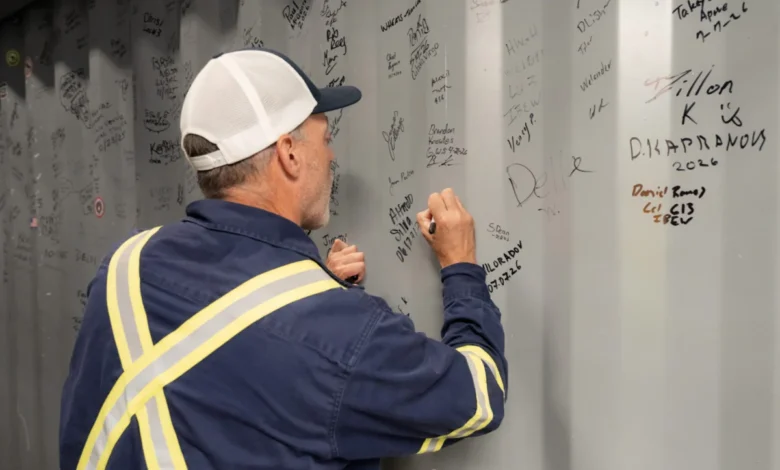
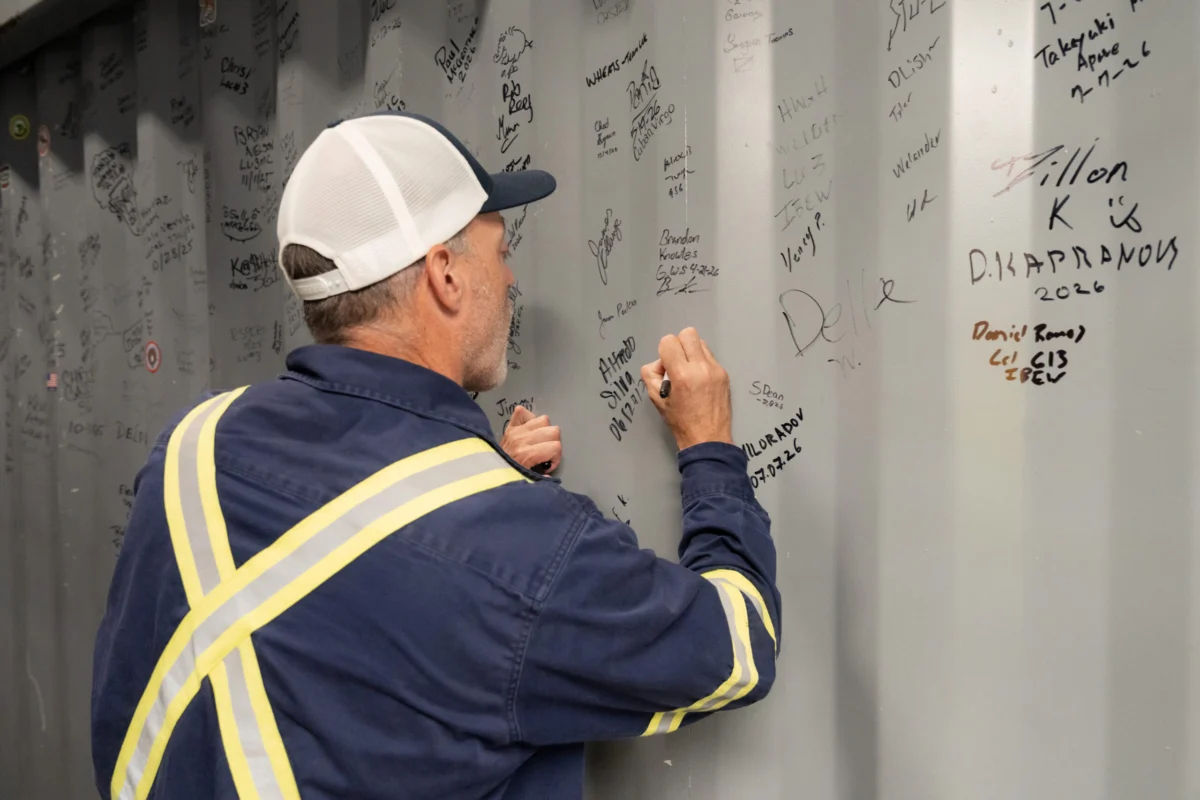
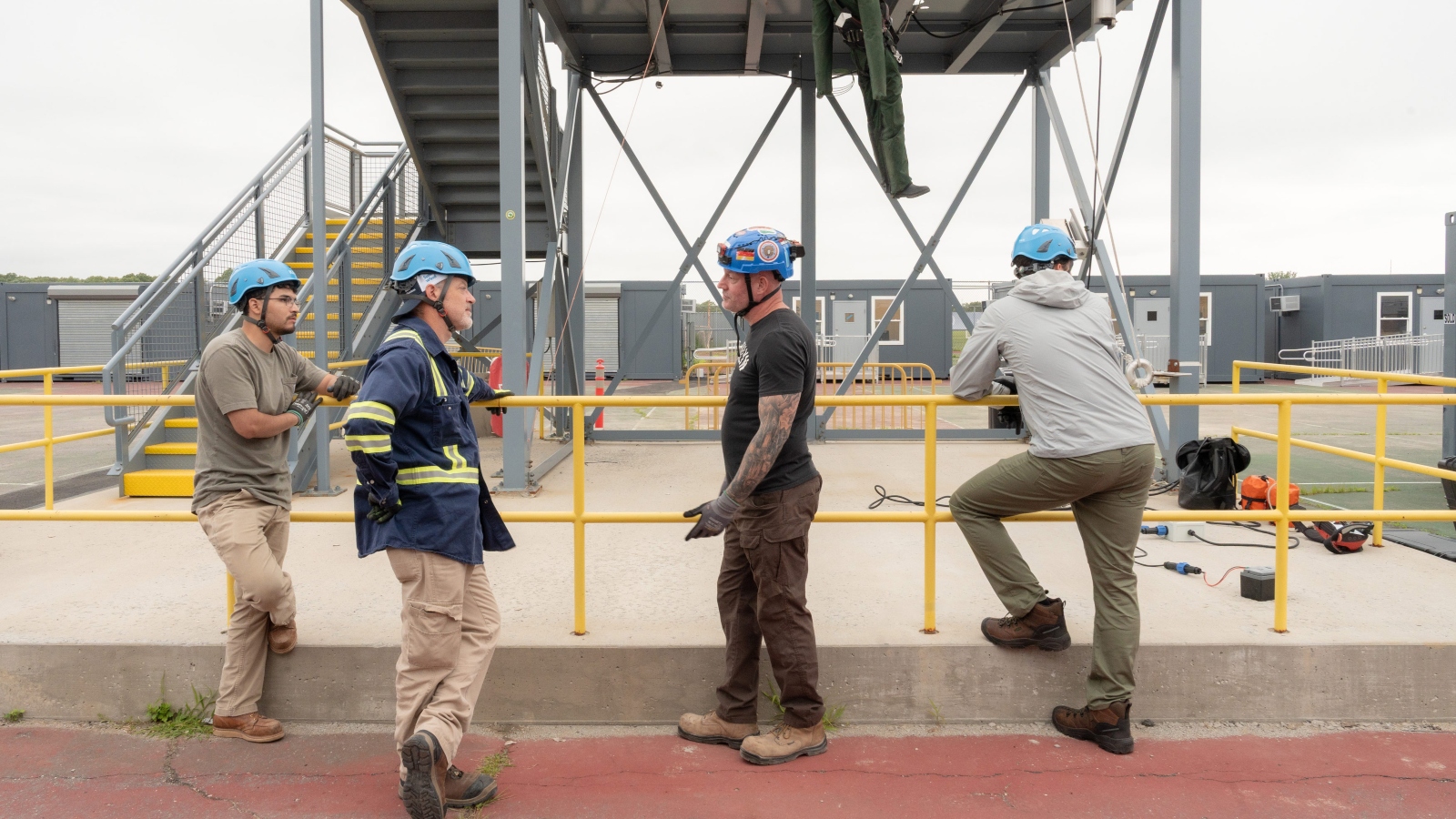
William “Billy” Bishop, a former Navy sailor and seasoned member of the Local 1298 union on Long Island, viewed the nascent offshore wind industry as a beacon of professional stability. Two years ago, when the opportunity arose to transition into the offshore wind sector, Bishop saw a long-term career path that combined his maritime background with high-skilled construction work. He successfully completed safety certifications at the National Offshore Wind Training Center (NOWTC)—a strategic partnership between Suffolk County Community College, the Long Island Federation of Labor, and the global energy developer Orsted. Today, however, the optimism that fueled his career change has been tempered by a cooling domestic market, as federal policy shifts cast a long shadow over the future of the industry.
Bishop currently serves as a structural inspector and maintenance technician on the Sunrise Wind project, a massive offshore installation off the coast of New York. While he remains committed to the work, the industry’s current trajectory has him concerned about long-term viability. “I would definitely do this forever, and I’ve looked into it since getting the job,” Bishop said. “But I see contracts are falling through nonstop now in America. This might be the last one for a while.”
A Sudden Pivot in National Energy Policy
The current atmosphere of uncertainty marks a stark contrast to the aggressive expansion goals set by the Biden administration in 2021. The previous federal mandate aimed to generate 30 gigawatts of offshore wind energy by 2030, a goal that required a massive, coordinated effort to scale up the domestic workforce. Projections from the Department of Energy estimated that achieving this milestone would necessitate a labor force of approximately 77,000 workers, spanning roles in turbine manufacturing, underwater grid installation, specialized marine construction, and ongoing facility maintenance.
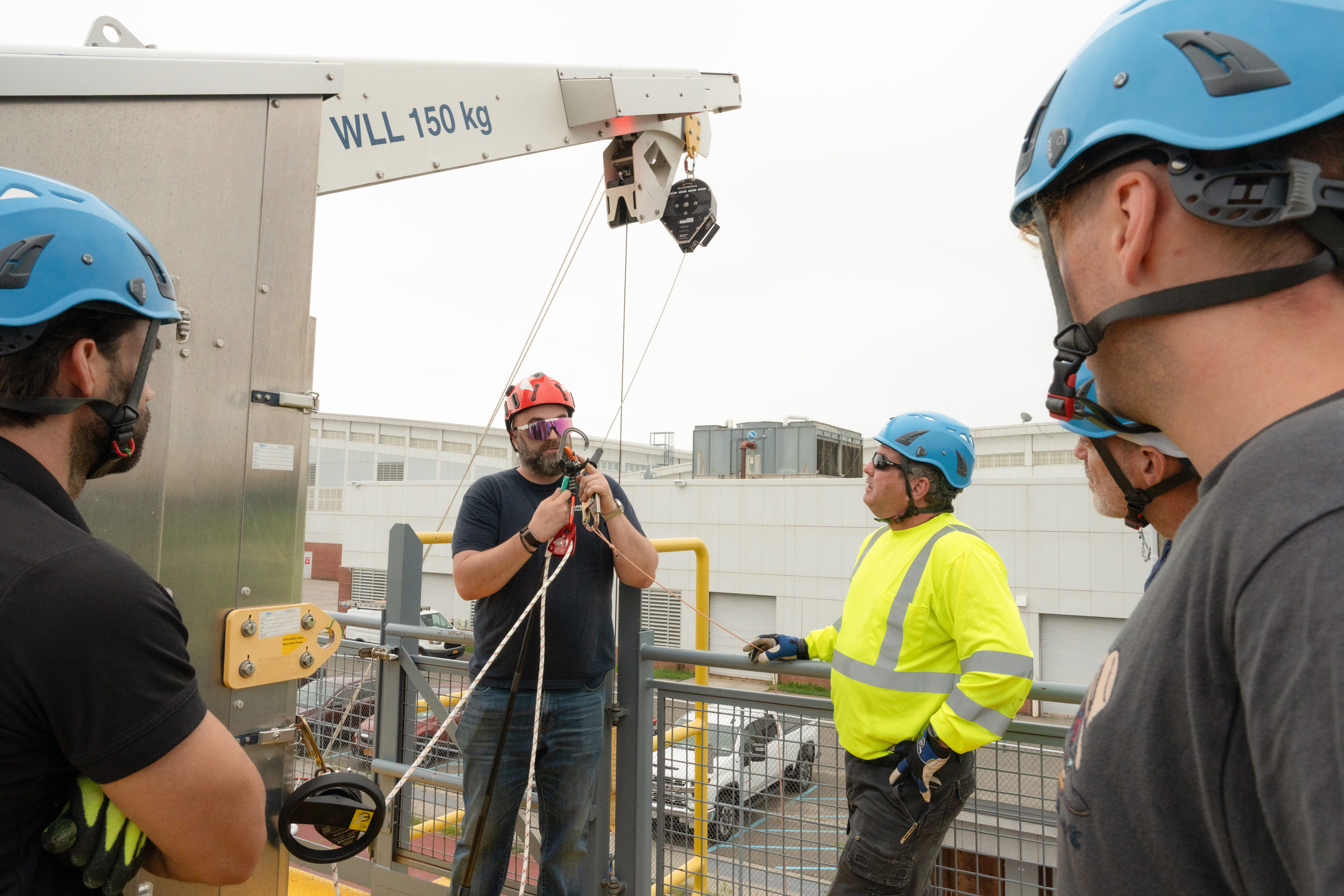
This ambitious target prompted a wave of collaboration across the United States. Universities, labor unions, and private sector developers poured resources into specialized education initiatives. These included advanced safety certifications, apprenticeship programs for specialized turbine technicians, and graduate-level studies in maritime policy and grid planning. For a time, it appeared that a new industrial era had arrived for coastal communities, promising high-paying, middle-class jobs that could anchor regional economies for decades.
The landscape shifted abruptly in early 2025 following the inauguration of the second Trump administration. The new executive branch signaled a fundamental departure from previous renewable energy priorities, framing the offshore wind sector as an area requiring immediate federal restriction. On January 20, 2025, the administration issued a “wind order,” which effectively paused new leasing and permit approvals for offshore projects. This was followed by emergency stop-work orders on existing projects, justified by the administration under the umbrella of national security concerns. While federal courts subsequently overturned several of these mandates, the administrative pressure continued through the rescinding of hundreds of millions of dollars in federal grants and the active buy-out of offshore leases to incentivize developers to exit the market.
Economic and Logistical Fallout
The impact of these policies has been profound. ClearView Energy Partners, an industry research firm, notes that the rapid reversal of federal policy has created an environment where long-term capital investment is perceived as high-risk. Timothy Fox, managing director at ClearView, remarked on the volatility: “The pendulum always swings from one president to another, but now the swings are so dramatic that the pendulum’s going to fall off the clock.”
The current reality is a fraction of the 2021 ambition. To date, only about 6 gigawatts of offshore wind power have been brought online or reached the construction phase—less than one-third of the capacity originally cleared for development. As a result, the training centers that were built to handle a steady pipeline of workers are now facing a period of intense contraction.
Adapting to a Changing Workforce Landscape
Despite the challenges, leaders of these training programs are refusing to shutter operations entirely, instead opting for a strategy of diversification. Roger Clayman, a director at the NOWTC and the retired executive director of the Long Island Federation of Labor, emphasized the need for agility. “We’re not making any decisions right now,” Clayman noted. “Offshore wind will be back.”
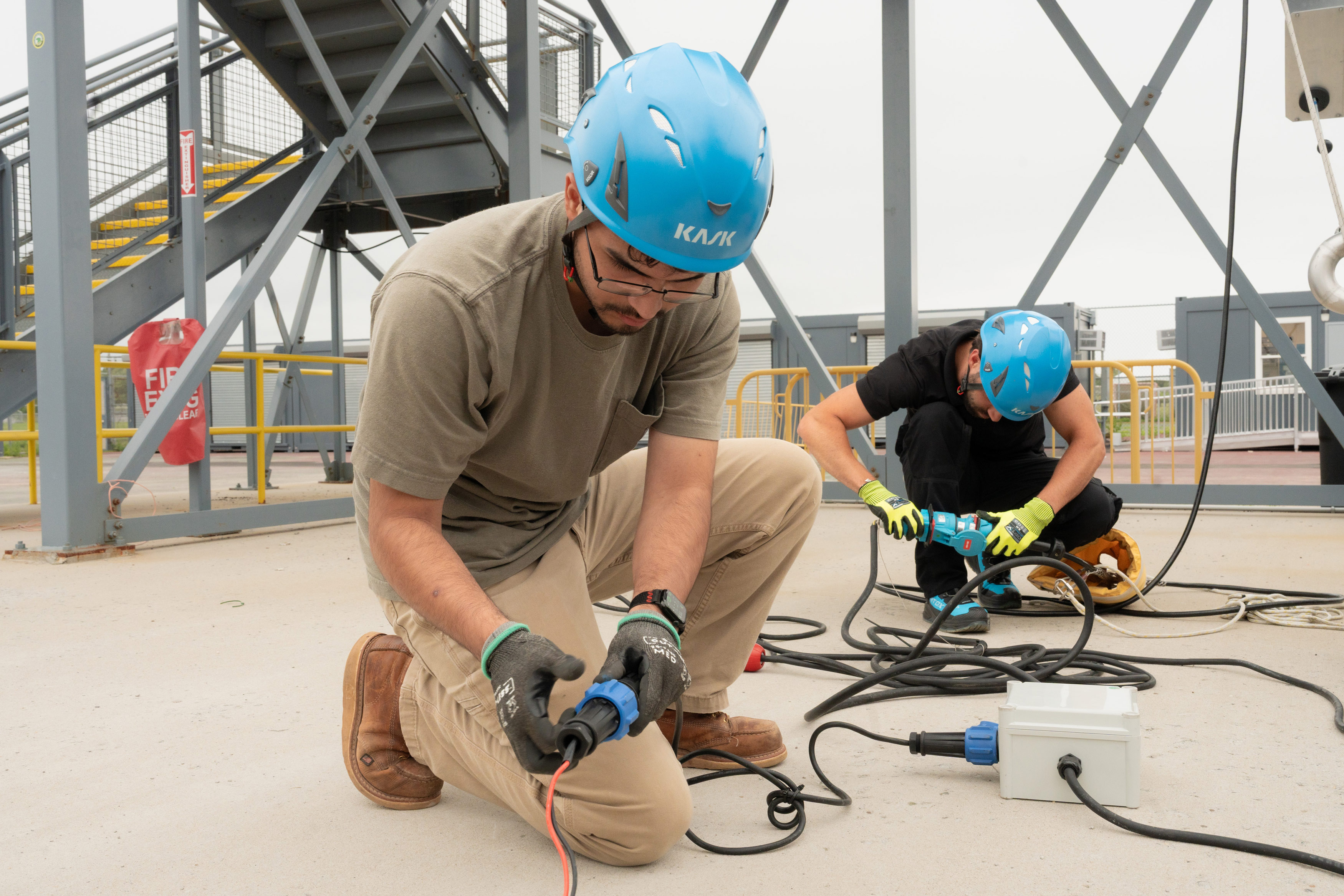
This sentiment is echoed by other organizations across the country. In Boston, the Pile Drivers Local Union 56, which provided specialized heavy-lift training to workers for projects like Vineyard Wind 1 and Revolution Wind, is currently navigating the "tail end" of its project cycle. John Dunderdale, the union’s business manager, acknowledged that while existing projects are being completed, the pipeline of new work has effectively evaporated. "We should have been on to the next one," Dunderdale said. "The jobs were there. The training was there."
To survive, many institutions are pivoting their curriculum to focus on broader applications within the energy sector. At Stony Brook University, for instance, a curriculum originally designed for offshore wind-specific high-voltage direct current (HVDC) wiring has been expanded to address general grid stability and the integration of solar and battery storage. Derek O’Connor, a senior workforce development manager at the university, highlighted the importance of this flexibility. “Luckily, we have a skill and a discipline that we’re teaching these students that does not entirely rely on offshore wind,” O’Connor explained. “We’ve been flexible and agile in responding to some of the changes, being less focused on the power generation source and more about grid stability and reliability.”
Broader Implications for the U.S. Labor Market
The Bureau of Labor Statistics continues to list wind turbine technicians and solar installers among the fastest-growing occupations in the United States, underscoring the fundamental demand for clean energy labor, regardless of current federal policy. This creates a disconnect: while the offshore wind sector faces significant headwinds, the broader clean energy transition requires a massive influx of skilled labor that the current education system is struggling to produce.
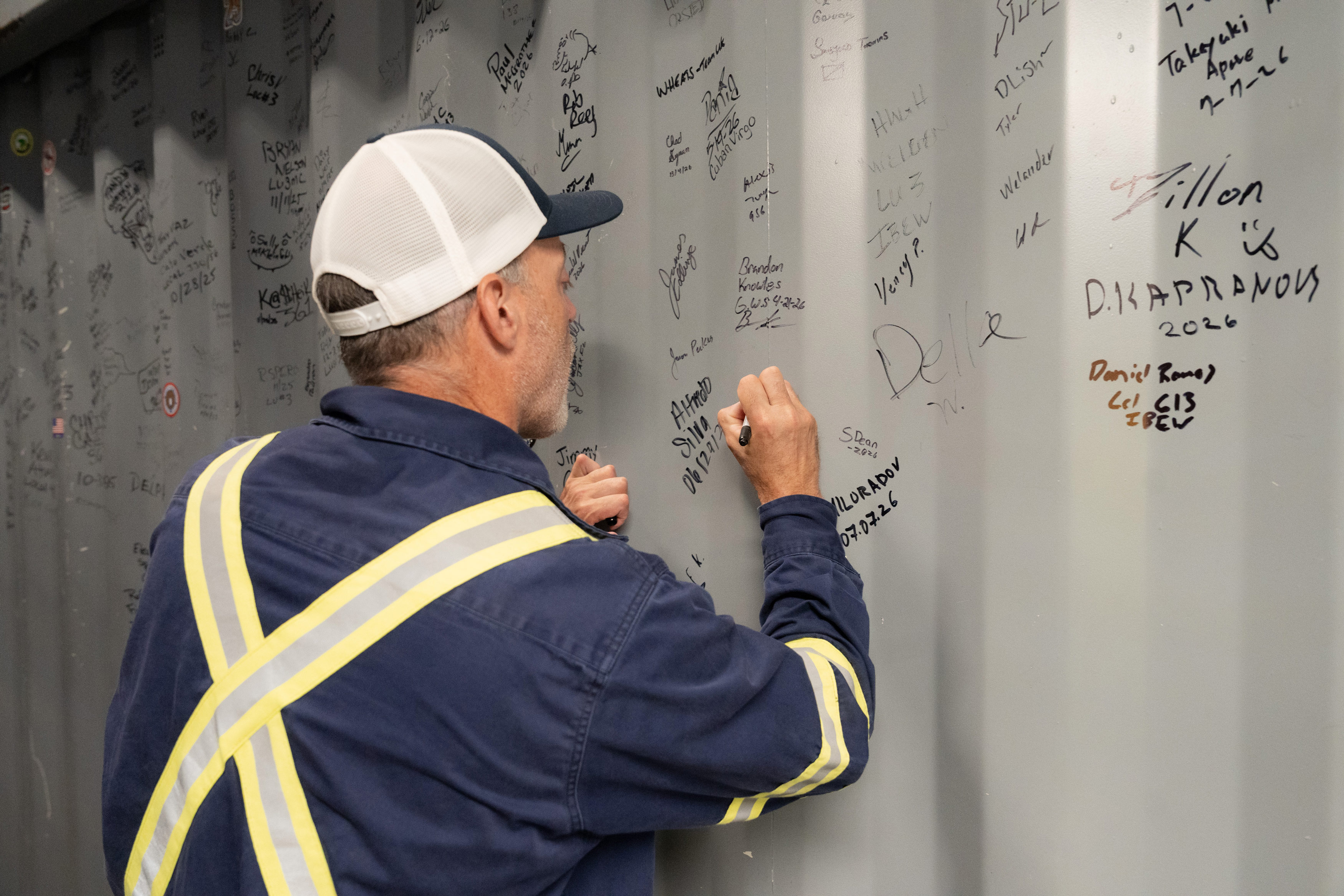
Workforce development arms, such as the Clean Power Institute, are now focusing on broader career awareness rather than project-specific training. Programs in Maryland and Massachusetts have similarly shifted their focus to "ocean tech," including coastal resilience and marine ecosystem monitoring, to ensure that the skills acquired by their graduates remain marketable in a changing economy.
Looking Toward the Future
For workers like Billy Bishop, the future remains tied to the construction calendar. He anticipates that his work on the Sunrise Wind project will carry him through 2027. Beyond that, his career trajectory will depend on whether the political environment stabilizes or if the offshore wind industry undergoes a fundamental restructuring.
The current situation represents a significant pivot point in American energy policy. The initial "boom" of 2021 created a surge in infrastructure and training that has left a lasting footprint on the local economy and the labor force. Whether this infrastructure will be utilized for its original purpose or repurposed to support a broader, more decentralized energy grid remains an open question. For the instructors and students at centers like the NOWTC, the focus is currently on endurance—keeping the doors open and the training relevant in hopes that the market, and the political consensus, will eventually realign to support the large-scale projects they were built to serve.
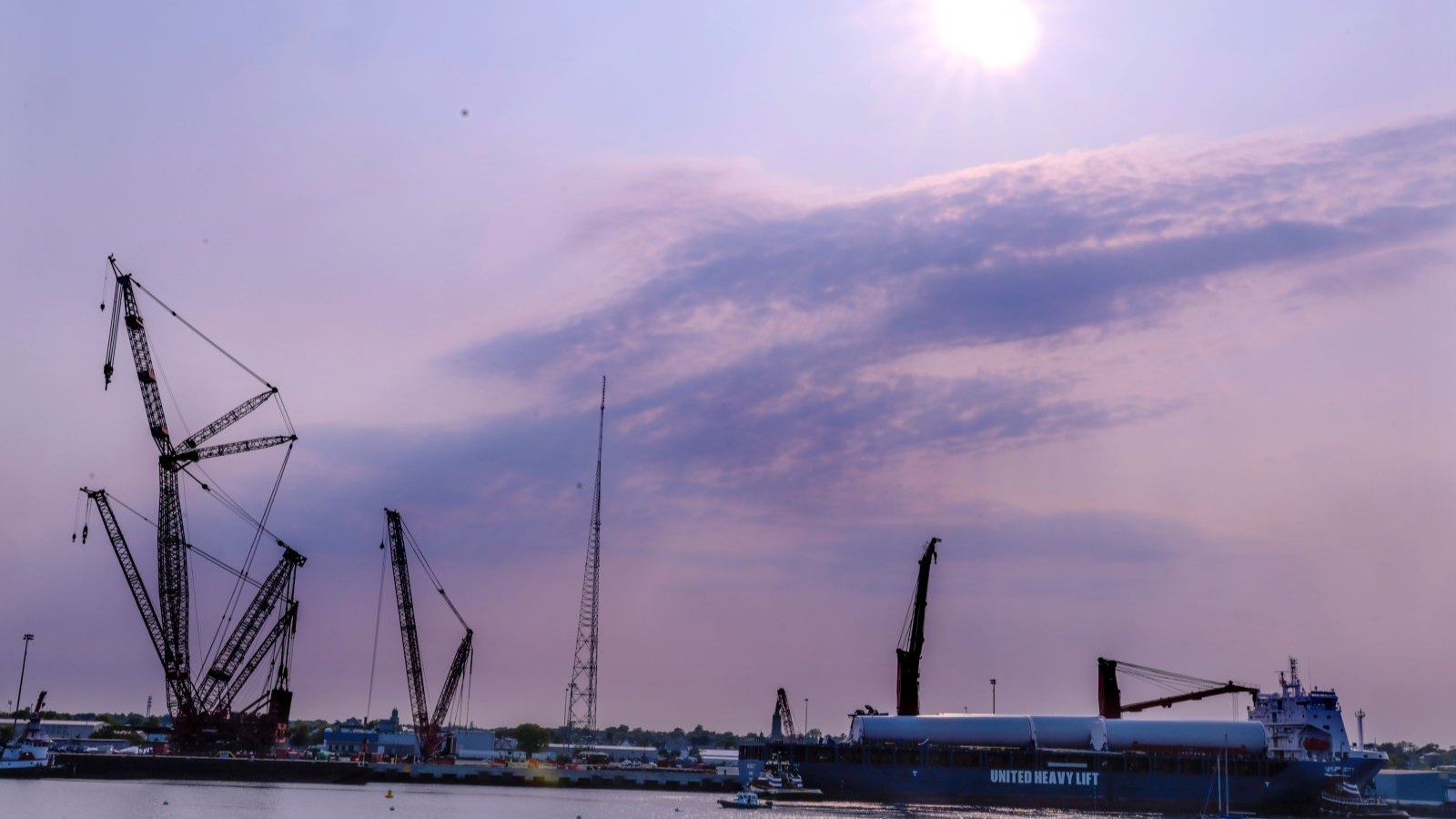
As the industry moves into the late 2020s, the narrative of offshore wind in the United States has shifted from one of rapid expansion to one of resilience and adaptation. While the federal government continues to exert leverage over the Outer Continental Shelf, the underlying demand for energy and the technical expertise of the existing workforce suggest that the industry’s current state of "bust" may be a temporary obstruction rather than a final conclusion. However, for those on the ground, the impact of the last few years has served as a sobering reminder of how quickly policy decisions can transform the career landscape for thousands of American workers.