The Rapid Expansion of Mining Claims in Bears Ears National Monument Signals a New Era of Resource Extraction in Utah

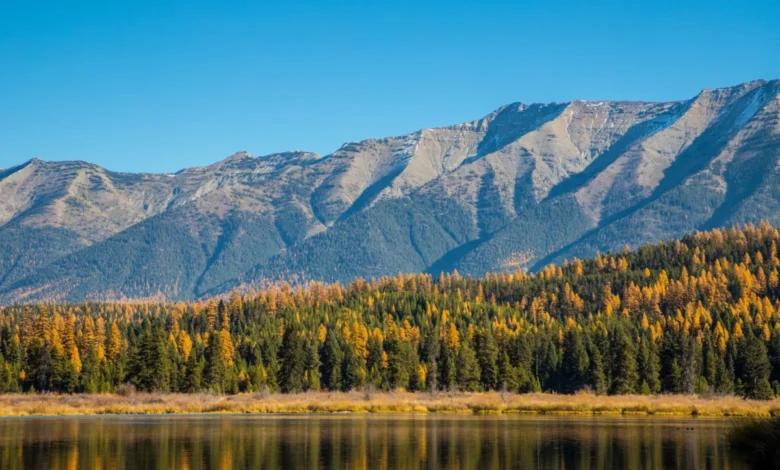
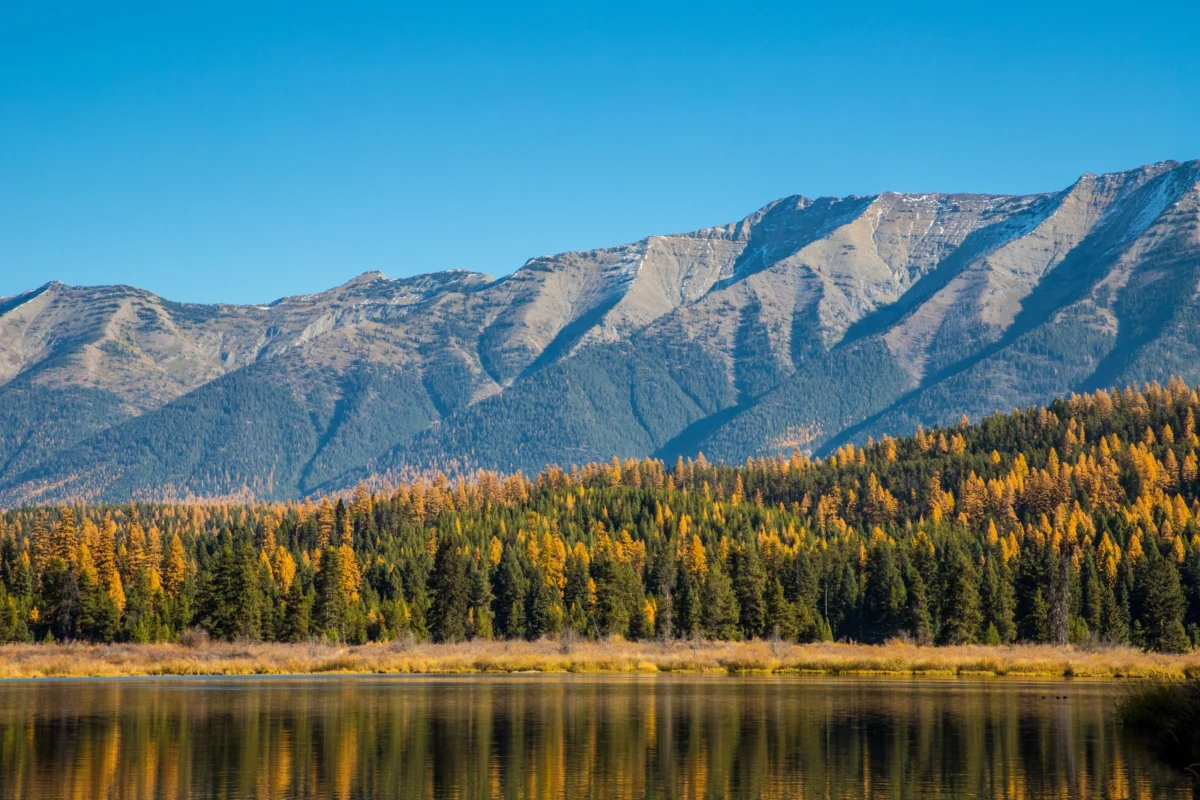
The rugged landscapes of southeast Utah, once protected under the expansive federal designation of the Bears Ears National Monument, have become the center of a high-stakes legislative and environmental tug-of-war. On September 11, the moment the federal government officially opened 1.2 million acres of formerly protected land to development, a flurry of mining activity began. Within hours, 16 individual mining claims were filed, signaling a swift pivot from conservation to resource extraction following President Donald Trump’s decision to drastically reduce the monument’s footprint.
The sudden scramble for claims highlights the deepening divide between those who view the Colorado Plateau as a site of vital industrial potential and those who argue that its cultural, archaeological, and ecological significance necessitates permanent protection. As local miners and corporate interests position themselves to exploit the region’s mineral wealth, environmental advocacy groups are preparing for a long legal and administrative battle.
A Timeline of Political Volatility
The status of Bears Ears has been subject to extreme administrative flux, transforming the landscape into a symbol of the nation’s shifting priorities regarding federal land management. The monument was originally established in late 2016 by President Barack Obama, who utilized the Antiquities Act to protect 1.35 million acres of land sacred to several Indigenous tribes.
The transition of power in 2017 brought an immediate reversal. President Donald Trump, acting on the recommendation of his administration, slashed the monument’s boundaries by approximately 85 percent, effectively opening vast swaths of the area to mining and drilling. This move triggered years of litigation and public outcry.
Under the Biden administration, the original boundaries were restored and slightly expanded, intended to cement the area’s status as a protected cultural landscape. However, in a move that mirrors his previous tenure, President Trump once again reduced the size of the monument this past summer. This most recent proclamation did more than redraw maps; it effectively dissolved the tribal commission that had been instrumental in managing the land in partnership with the Bureau of Land Management (BLM), further fueling the tension surrounding the area’s future.
The Mechanics of the September 11 Gold Rush
The claims filed on September 11, the first day of legal eligibility, were primarily submitted by small-scale operators, though their connections to larger industry players have raised eyebrows among analysts. Among the most notable filings were those submitted by Kimmerle Mining, a family-operated business based in Moab. Led by Kyle Kimmerle, the company filed 11 new claims and two modifications to existing sites, including the 21-acre Easy Peasy mine.
Kimmerle’s profile suggests a man with significant ties to the broader mining industry. Beyond his family business, he was appointed to the board of directors of Urano Energy in 2024, a Canadian firm specifically focused on the acquisition and development of uranium assets. His history with the site is well-documented; in 2018, his company extracted 30 tons of ore from the Easy Peasy mine. At the time, global uranium prices were depressed, rendering the operation unprofitable, which led to a suspension of activities.
However, the current economic landscape is markedly different. As the global energy transition accelerates and the demand for baseload power rises—bolstered by a renewed interest in nuclear energy to power artificial intelligence data centers—uranium prices have stabilized. For individuals like George Schultz, an off-roading guide who also filed three claims in the Lockhart Basin, the filing is a strategic step in what he terms “multiple-use” land management. While Schultz declined to specify which minerals he intends to pursue, his background in uranium exploration indicates a clear commercial trajectory.
Data and Economic Drivers
The economic argument for mining in the region centers on the belief that the Colorado Plateau remains a strategic reserve for critical minerals. According to the Utah Geological Survey, the state has historically been a top-tier producer of uranium, with the Colorado Plateau serving as the primary source.
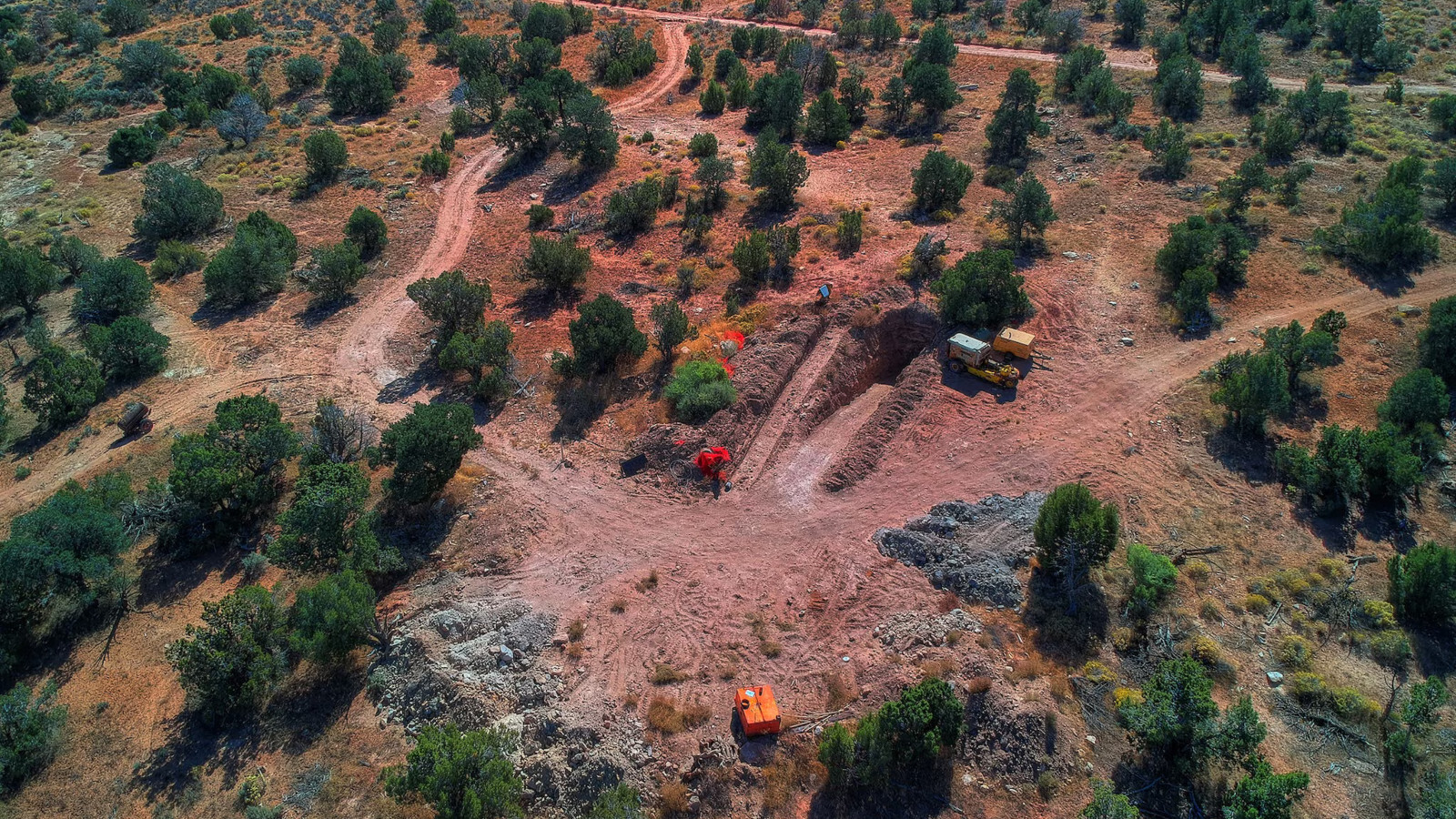
The Trump administration’s recent proclamation explicitly listed a "grab bag" of minerals found within the monument’s boundaries, including silver, copper, molybdenum, lead, zinc, and vanadium. The official justification for the downsizing emphasized that these materials are essential to the nation’s economic prosperity and national security. By framing mining as a "better use" of the land, the administration has provided a legal pathway for proponents to bypass conservation restrictions that previously prohibited such activity.
However, industry analysts and conservationists remain skeptical of the actual yield. Steve Bloch, an attorney for the Southern Utah Wilderness Alliance (SUWA), points out that the region was extensively prospected for decades—both before the monument was established and during previous periods when the monument was reduced. "There were no production-level mines that were established," Bloch noted, suggesting that the current enthusiasm for staking claims may be more speculative than practical.
Environmental and Cultural Implications
For environmental organizations, the immediate concern is not only the potential for large-scale mining but the cumulative impact of "hobby mining." These smaller operations can cause significant degradation to the fragile high-desert ecosystem. "Hobby miners who want to go locate claims, play miner on the weekend, leave disturbance and pollution in their wake that really damages the monument resources," Bloch said.
The environmental risks are compounded by the proximity of these claims to processing infrastructure. Energy Fuels, which operates the White Mesa Mill—the only remaining conventional uranium processing facility in the United States—has maintained a significant interest in the area. Notably, the CEO and chairman of Energy Fuels made significant stock purchases in the firm just days before the Trump administration announced the downsizing of Bears Ears, a move that has drawn scrutiny regarding the transparency and ethics of the policy changes.
Furthermore, the dissolution of the tribal commission has sparked outrage among Indigenous leaders who viewed the commission as a necessary mechanism for co-management. The landscape is rich with archaeological sites and ancestral lands that hold deep spiritual significance for the Hopi, Navajo, Ute, and Zuni peoples. The transition from a collaborative management model to an extraction-focused one represents a profound shift in federal policy that risks irreversible damage to irreplaceable cultural heritage.
A Legal and Strategic Impasse
The conflict is currently unfolding on multiple fronts. Legally, the status of these claims is likely to be challenged as part of broader litigation regarding the legality of shrinking a national monument. Previous lawsuits, including those involving Kimmerle Mining, have argued that the federal government’s restrictions on mining access constitute a taking of private property and a loss of potential profits.
However, the government maintains that public land is subject to the discretion of the executive branch under the Antiquities Act. The pattern of "ping-pong" governance—where the boundaries of the monument expand and contract with each change in the presidency—has created a climate of instability for all parties. For mining operators, it creates a risky environment for capital investment; for conservationists, it necessitates a perpetual state of legal mobilization.
As the situation evolves, the focus will remain on whether these new claims lead to actual production or if they remain paper placeholders waiting for a more favorable economic or political climate. Meanwhile, the lands within the former Bears Ears boundaries remain in a precarious state of limbo. With energy demands rising and the geopolitical value of domestic uranium increasing, the pressure to open more federal land to extraction is unlikely to abate.
The case of Bears Ears serves as a microcosm of a broader national debate: how to balance the urgent need for domestic mineral production—often cited as critical for the green energy transition—against the mandate to preserve the nation’s most sensitive ecological and cultural landscapes. For the residents of southeast Utah, the reality is a landscape that is simultaneously a home, a sacred site, and a potential industrial frontier, with its future being decided not by those who live on the land, but by the shifting tides of federal policy in Washington, D.C.
Related posts: