The Silent Toll: How the AI Data Center Boom is Outpacing Environmental Safeguards and Threatening Public Health

While Silicon Valley’s titans dominate global headlines with grand prognostications regarding the existential risks of artificial intelligence, a more tangible and immediate threat to public health is manifesting in the physical infrastructure supporting the AI revolution. According to a new report published by the Environmental Protection Network (EPN), a non-profit organization comprised of former Environmental Protection Agency (EPA) officials, the rapid, unchecked expansion of data centers across the United States is being facilitated by a systematic dismantling of federal environmental protections. Since January 2025, the current administration has implemented at least 30 distinct regulatory rollbacks, significantly weakening the oversight mechanisms once tasked with curbing industrial pollution.
The Infrastructure Gold Rush
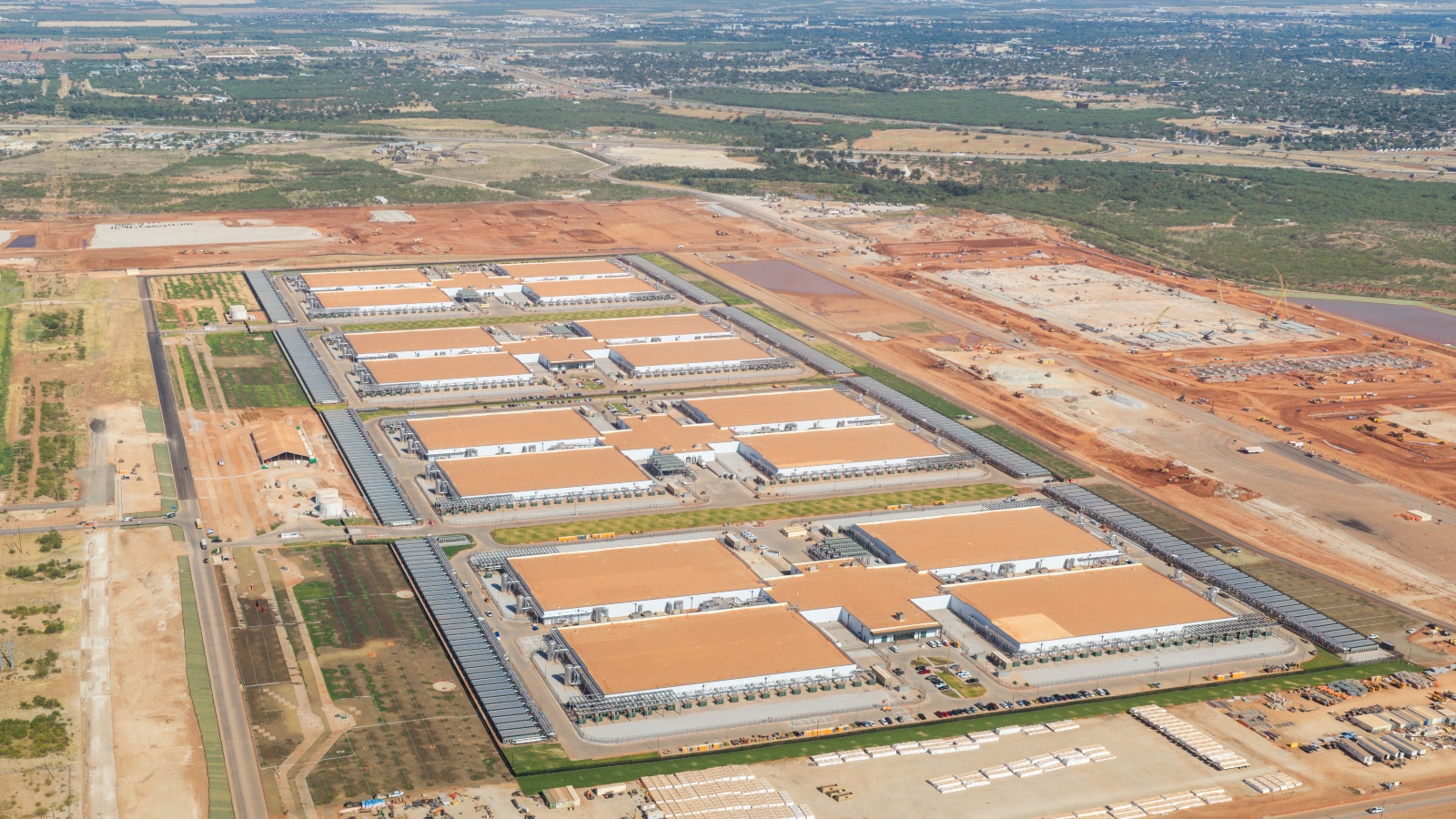
The United States is currently home to approximately 3,000 data centers, facilities that consume immense quantities of electricity to power the high-performance computing clusters required for generative AI and large language models. Industry projections indicate that more than 1,500 additional facilities are in various stages of planning and development. This massive build-out is placing an unprecedented strain on the national power grid, forcing energy providers to scramble for reliable baseload power.
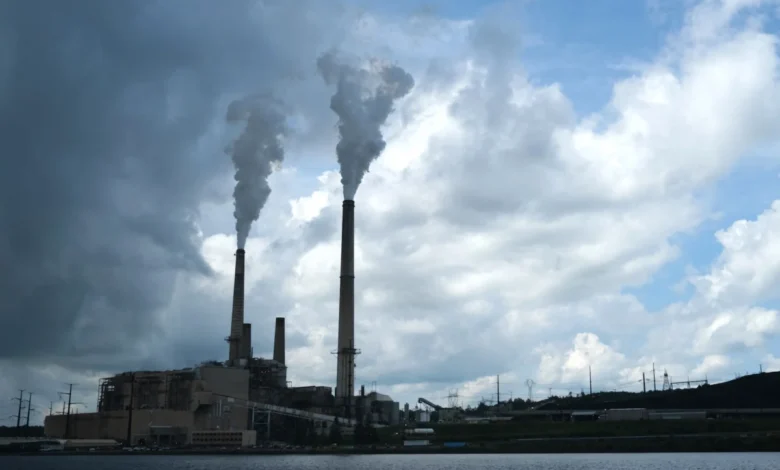
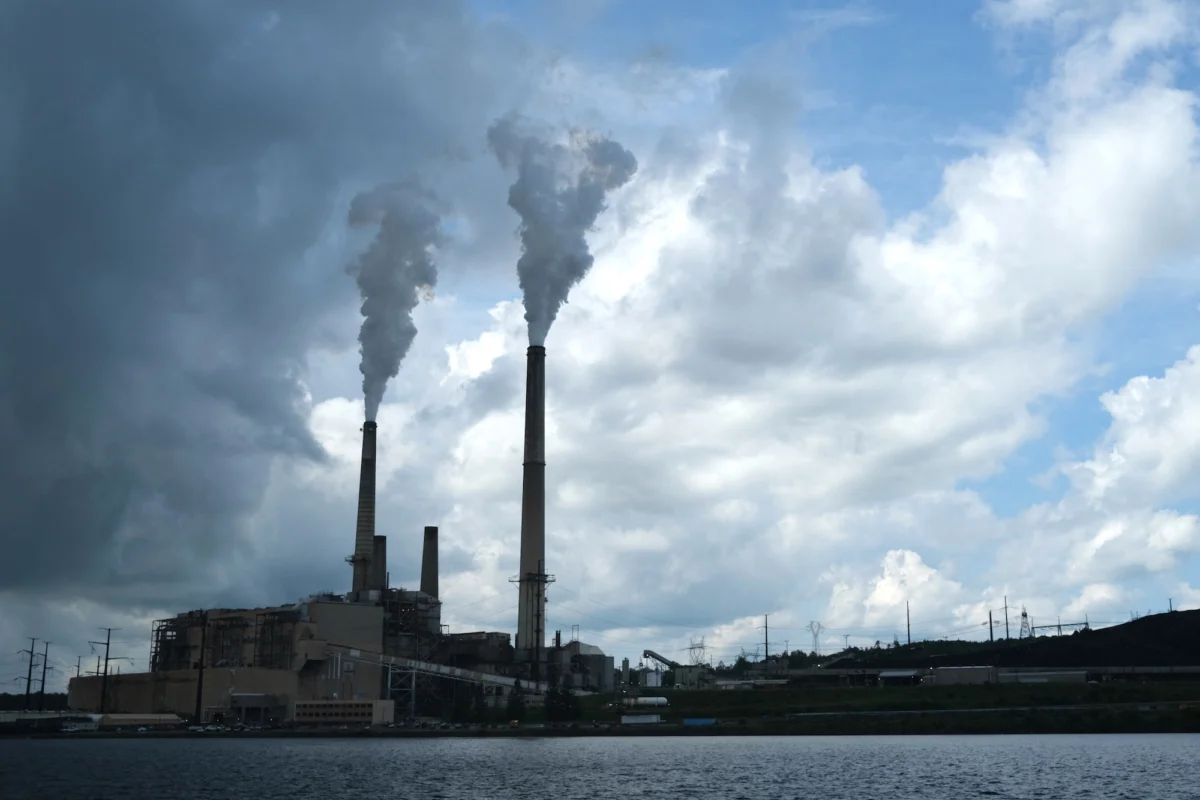
In many instances, this pressure has led to the reversal of long-standing decarbonization trends. To meet the voracious energy demands of AI-driven hyperscale data centers, utility providers are increasingly relying on aging fossil fuel assets. In several states, coal-fired power plants that were scheduled for decommissioning have been granted extended lifespans, while others have received expedited approvals to deploy onsite natural gas-powered turbines. These developments are occurring against a backdrop of diminished federal oversight, creating a regulatory vacuum that experts argue prioritizes technological acceleration over community health.
Chronology of Regulatory Erosion
The shift in the EPA’s mission began in early 2025 as part of a broader administration strategy to position the United States as the undisputed global leader in the AI race. The following timeline illustrates the rapid pivot in federal policy:
- January 2025: The administration initiates a review of "heavy-handed" environmental regulations, signaling a shift toward industry-friendly permitting processes.
- Spring 2025: EPA leadership issues internal guidance directing enforcement staff to prioritize projects deemed essential to national infrastructure, specifically citing data center capacity.
- Summer 2025: The agency formally proposes a rule change that would allow developers to commence construction on data centers and associated power-generation facilities before obtaining final air pollution permits.
- Late 2025: The EPA’s primary research arm, responsible for the scientific modeling of pollution impacts, faces severe budget cuts and a restructuring that shifts focus away from independent environmental impact studies.
- 2026: The agency formalizes a "compliance-first" orientation, effectively discouraging civil enforcement actions against industrial facilities that disrupt energy production.
Scientific Capacity and the "Compliance-First" Era
For over five decades, the EPA served as the primary arbiter of scientific consensus regarding air quality, water safety, and industrial toxicity. Dan Costa, a veteran of the agency with 35 years of experience in air pollution research, notes that the loss of institutional knowledge is profound. "The EPA was designed to be a firewall between industrial expansion and public health," Costa stated. "By gutting the scientific workforce—the toxicologists, chemists, and atmospheric scientists who provided the evidence for our standards—the current administration is essentially flying blind as we overhaul the nation’s energy system."
The administration’s defense of these policies is rooted in economic competitiveness. In a 2025 memorandum, EPA Administrator Lee Zeldin articulated the agency’s role in the AI era, asserting that the removal of regulatory hurdles is necessary to "Make America the AI Capital of the World." This perspective posits that the environmental risks associated with data centers are secondary to the strategic necessity of winning the global artificial intelligence arms race.
Quantifying the Human Cost
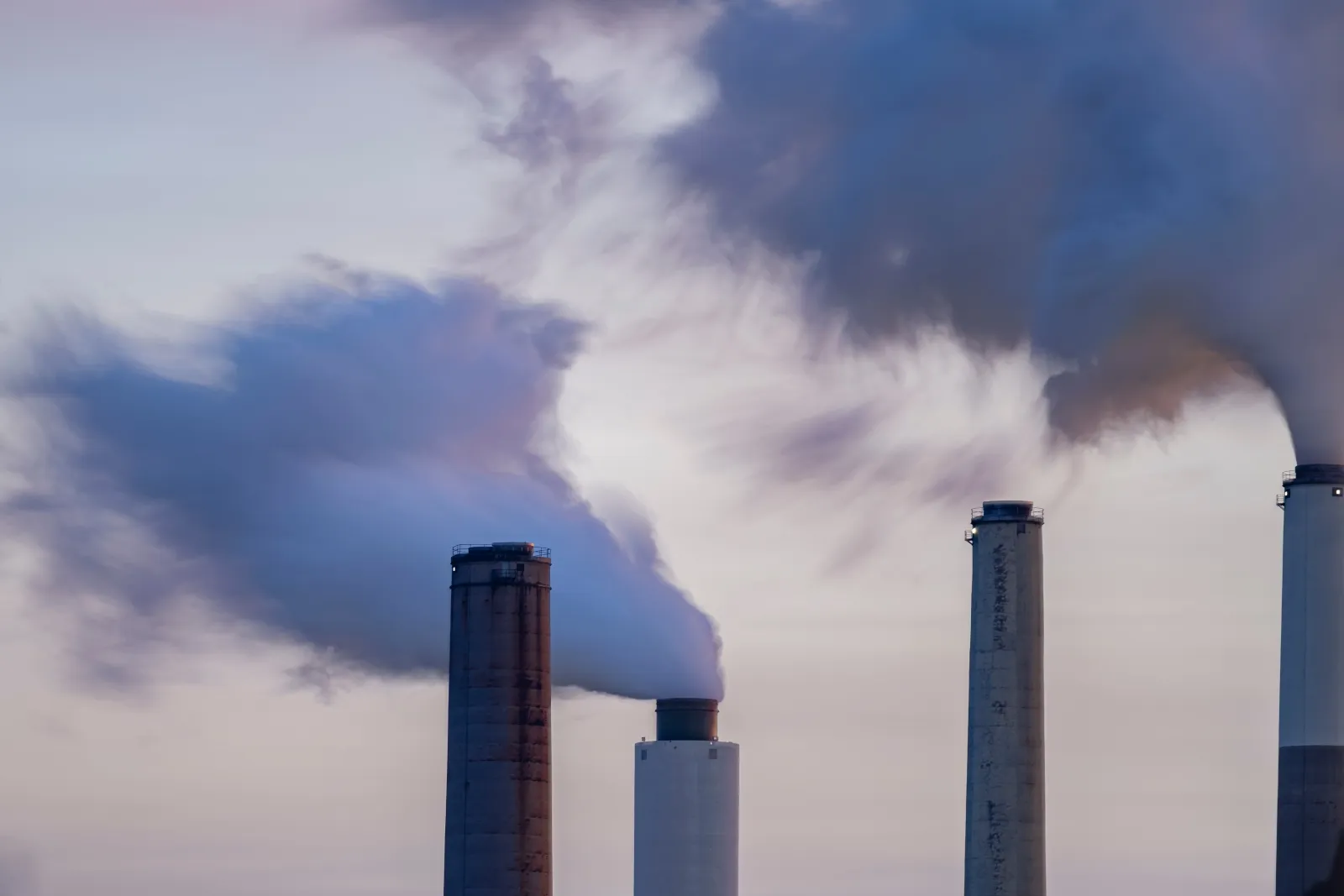
The environmental consequences of this deregulatory shift are beginning to materialize in peer-reviewed data. A recent study cited by the EPN suggests that the surge in emissions linked to the AI boom could result in approximately 1,300 premature deaths annually. These fatalities are largely attributed to the increased concentration of particulate matter (PM2.5) and nitrogen oxides emitted by the fossil fuel plants tasked with powering the data centers.
Dr. Lynn Goldman, a physician and former high-ranking EPA official, highlighted the physiological dangers posed by this trend. "We are talking about real-world health outcomes that will impact millions of families living in the shadow of these facilities," Goldman explained. "Exposure to increased particulate matter is linked to immediate health crises like heart attacks, as well as chronic issues like respiratory failure and cancer. The industry’s race for technological dominance is not a victimless pursuit; it is a calculation that treats human health as a manageable cost of doing business."
Structural Implications and Future Risks
The move to allow construction to proceed before permits are finalized represents a significant departure from the precautionary principle that governed U.S. environmental law for decades. By front-loading construction, developers create "sunk cost" arguments that make it politically and legally difficult for regulators to deny permits once the infrastructure is physically in place. This effectively shifts the burden of proof from the developer to the community and the regulator, forcing citizens to prove harm after the damage has already been done.
Furthermore, the integration of onsite gas turbines—used to provide "behind-the-meter" power for facilities like xAI’s Colossus project—creates a localized pollution profile that is often not captured in regional air quality monitoring. These turbines operate outside of the standard utility regulations that apply to traditional power plants, creating a loophole where industrial-scale energy production can occur with minimal scrutiny.
The Role of Industry and Public Policy
Critics of the current trajectory argue that the solution is not to halt AI development, but to decouple it from fossil fuel dependence. Proponents of this view suggest that the industry should be required to co-locate data centers with renewable energy sources or invest in the hardening of the grid to support green energy integration. However, as long as the federal government views environmental regulation as an obstacle to progress rather than a necessary guardrail, the economic incentive to choose the cheapest, most polluting energy sources remains high.
The ongoing controversy highlights a fundamental tension in modern governance: how to balance the rapid adoption of transformative technologies with the protection of public goods. As the 1,500 planned data centers come online, the health impacts will likely become more visible, potentially forcing a reckoning between the tech sector and the communities affected by their physical footprint.
A Path Toward Accountability
The report by the Environmental Protection Network serves as a clarion call for renewed oversight. It calls for an immediate reinstatement of rigorous permitting standards, the restoration of independent scientific research funding, and a shift in policy that treats industrial pollution as a matter of national health security. Whether the current administration or a future one will reverse these trends remains uncertain, but the data suggests that the "hidden costs" of the AI revolution are growing.
As tech companies continue to lobby for the resources required to scale their models, the focus of the public discourse may need to expand. The debate can no longer be limited to the abstract dangers of algorithmic bias or the existential risks of superintelligence. It must also encompass the physical reality of the power plants burning coal and gas to keep the servers running, and the citizens who are increasingly bearing the cost of that growth in the form of diminished air quality and deteriorating public health.
In the final analysis, the expansion of AI is a massive physical project that requires a massive physical footprint. Without the safeguards that once defined the EPA’s regulatory framework, the American landscape risks becoming a series of industrial zones where the cost of innovation is measured in the health of the populace. As the infrastructure build-out continues, the challenge will be to ensure that the pursuit of a digital future does not come at the expense of a sustainable and healthy physical present.