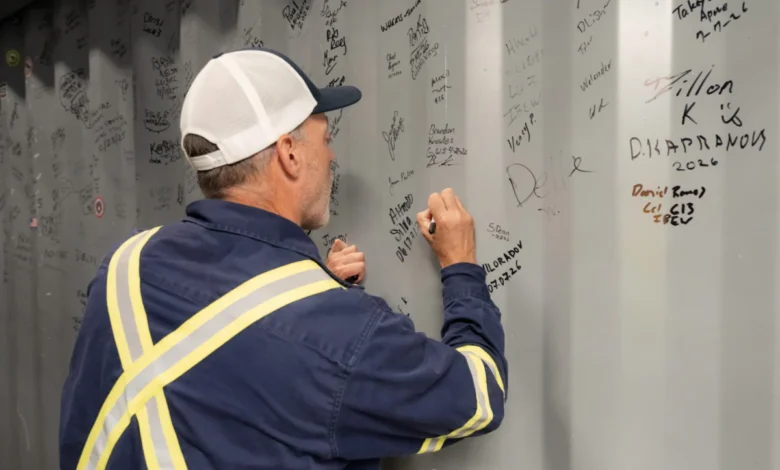
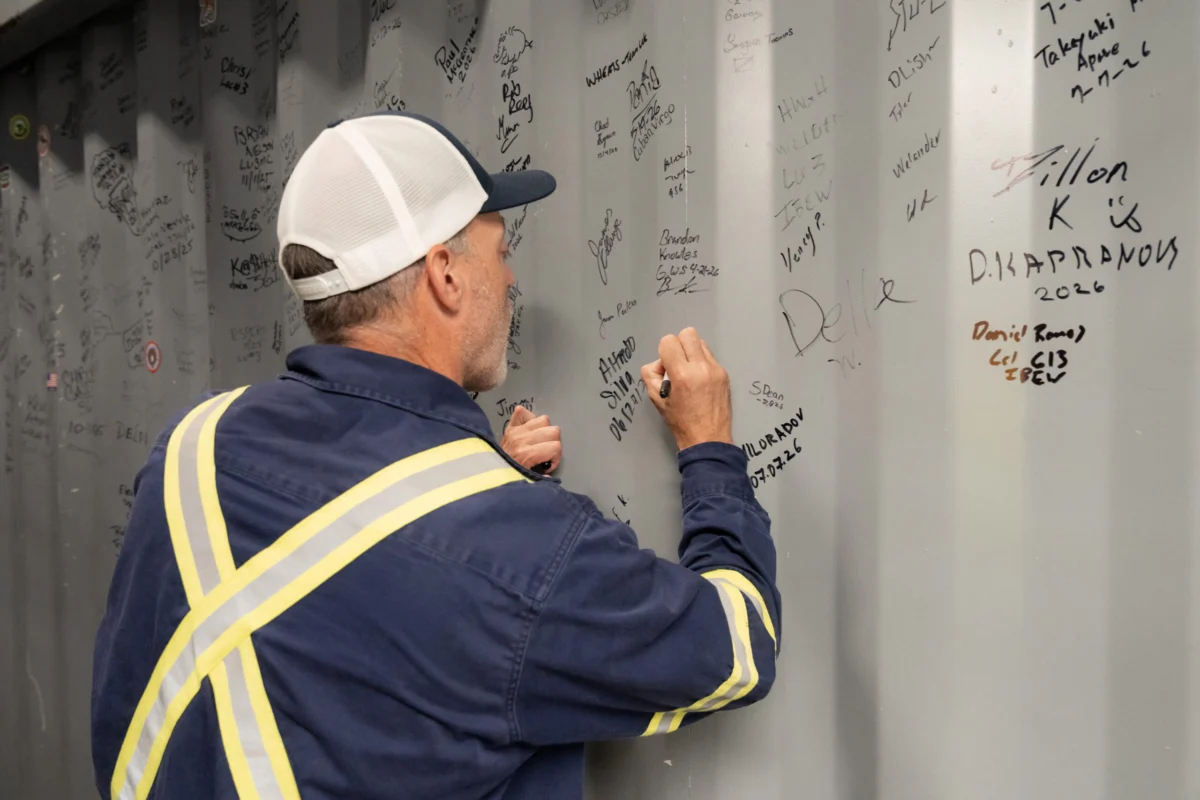
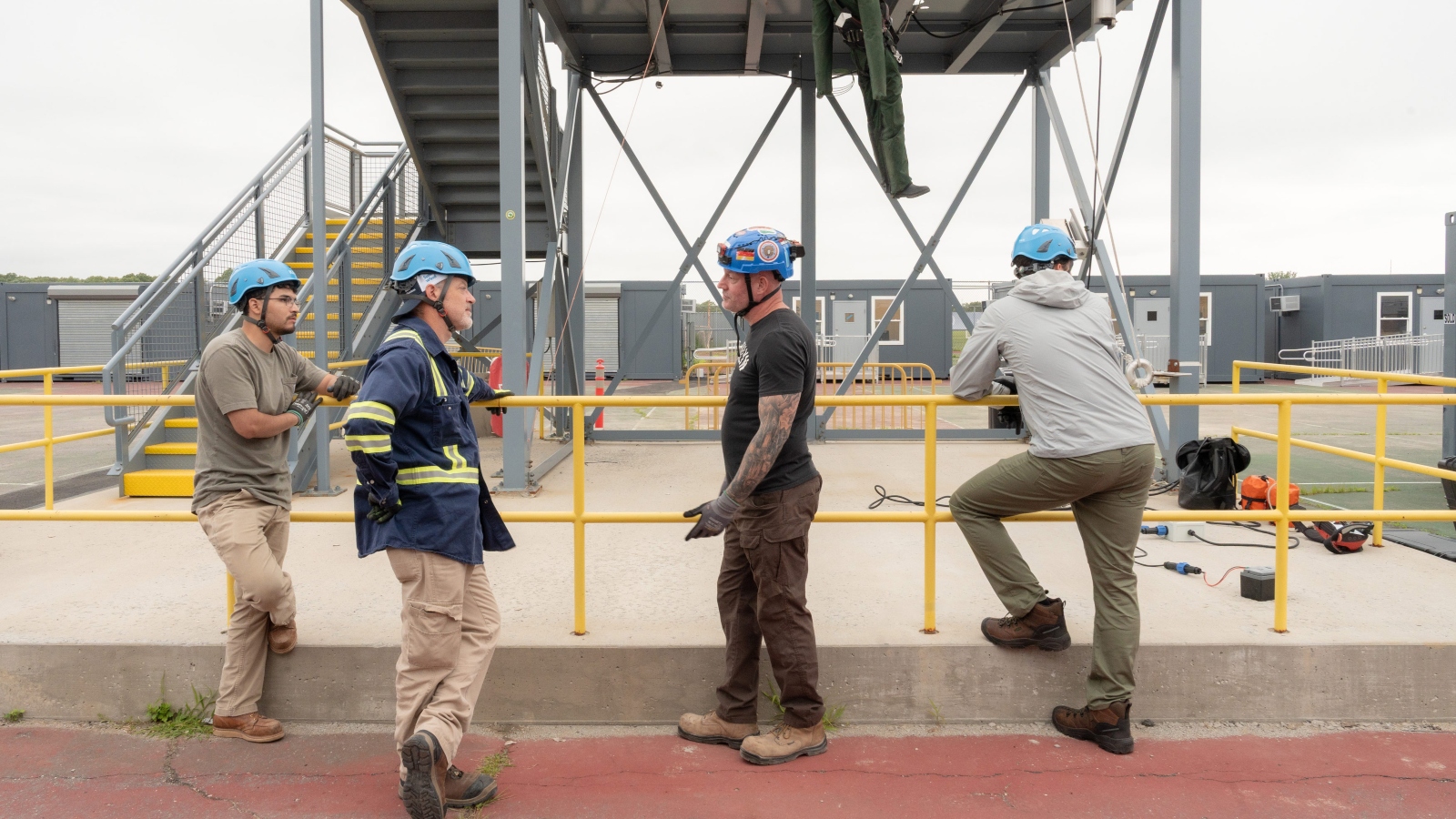
For William “Billy” Bishop, a former Navy sailor and veteran union laborer with Local 1298 on Long Island, the transition to offshore wind was supposed to represent the next chapter of his career. Two years ago, as the federal government signaled a massive push toward renewable energy, Bishop seized the opportunity to leverage his maritime background and construction expertise. After completing rigorous safety certifications at the National Offshore Wind Training Center (NOWTC)—a flagship collaborative effort between Suffolk County Community College, the Long Island Federation of Labor, and the global energy developer Ørsted—Bishop found himself working on critical structural inspections for the Sunrise Wind project off the coast of New York.
Today, however, the professional trajectory that once seemed a guarantee of long-term stability has been upended. The political climate surrounding clean energy has shifted dramatically, turning a once-thriving sector into a landscape defined by stagnation and uncertainty. As federal policy pivots sharply away from renewable expansion, workers like Bishop are left weighing their future in a field where the infrastructure for growth is being dismantled as quickly as it was built.
The Rise and Stall of a Clean Energy Vision
The ambition of the 2021 federal energy agenda was clear: to generate 30 gigawatts of offshore wind power by 2030, a goal intended to propel the United States into a leadership position in the global green economy. To meet this target, the Department of Energy projected a need for approximately 77,000 skilled workers by the end of the decade. These roles were not limited to the technicians atop the turbines; they encompassed a vast supply chain, including grid engineers, underwater welders, steel manufacturers, and vessel operators.
In response, states, universities, and trade unions mobilized. The establishment of training centers and apprenticeship programs across the East Coast was designed to bridge the skills gap, turning traditional construction workers into specialized offshore energy experts. However, the momentum hit a wall on January 20, 2025. Following his inauguration for a second term, President Donald Trump signed an executive order that effectively halted all new offshore wind leasing and permit reviews. This “wind order” marked the beginning of a coordinated effort to freeze the industry, citing national security concerns and economic priorities that favored traditional fossil fuels over the fledgling offshore sector.
A Chronology of Regulatory Friction
The path of the U.S. offshore wind industry has been marked by a series of legal and administrative battles that have created a "chilling effect" on private investment.
- 2021–2024: The industry experiences a "gold rush" phase, characterized by billions in federal grants, tax credits, and record-breaking lease sales. The first commercial-scale projects begin delivering power to the grid.
- January 2025: The federal government pauses all new offshore wind leases and initiates a review of existing permitting practices.
- Mid-2025: Emergency stop-work orders are issued for the five primary offshore wind projects then under construction. While these orders were eventually challenged and overturned in federal court, the damage to investor confidence was substantial.
- Late 2025–2026: The administration moves to rescind federal grants, revoke tax credits for what it terms "foreign-controlled" energy sources, and begins buying back offshore leases from developers to prevent further construction.
This cycle of litigation and policy reversal has led to what industry experts describe as a "pendulum effect" that has swung too far to remain stable. Timothy Fox, managing director of ClearView Energy Partners, noted that the volatility has reached a point where the predictability required for multi-billion dollar capital investments has evaporated. "When the swings in federal energy policy become this extreme, the market essentially breaks," Fox observed.
The Economic Fallout and Workforce Adaptation
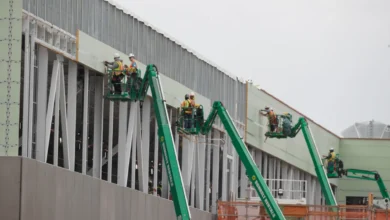
The most tangible consequence of this policy reversal is the impending deficit in the labor market. While projects currently under construction, such as Sunrise Wind, are expected to reach completion by 2027, the pipeline for subsequent projects has dried up. For unions like the Pile Drivers Local Union 56 in Boston, the reality is a slow winding down of high-skill, high-wage opportunities. Workers who spent years training to handle 1,800-ton offshore piles are now looking toward traditional onshore infrastructure projects as their primary source of income.
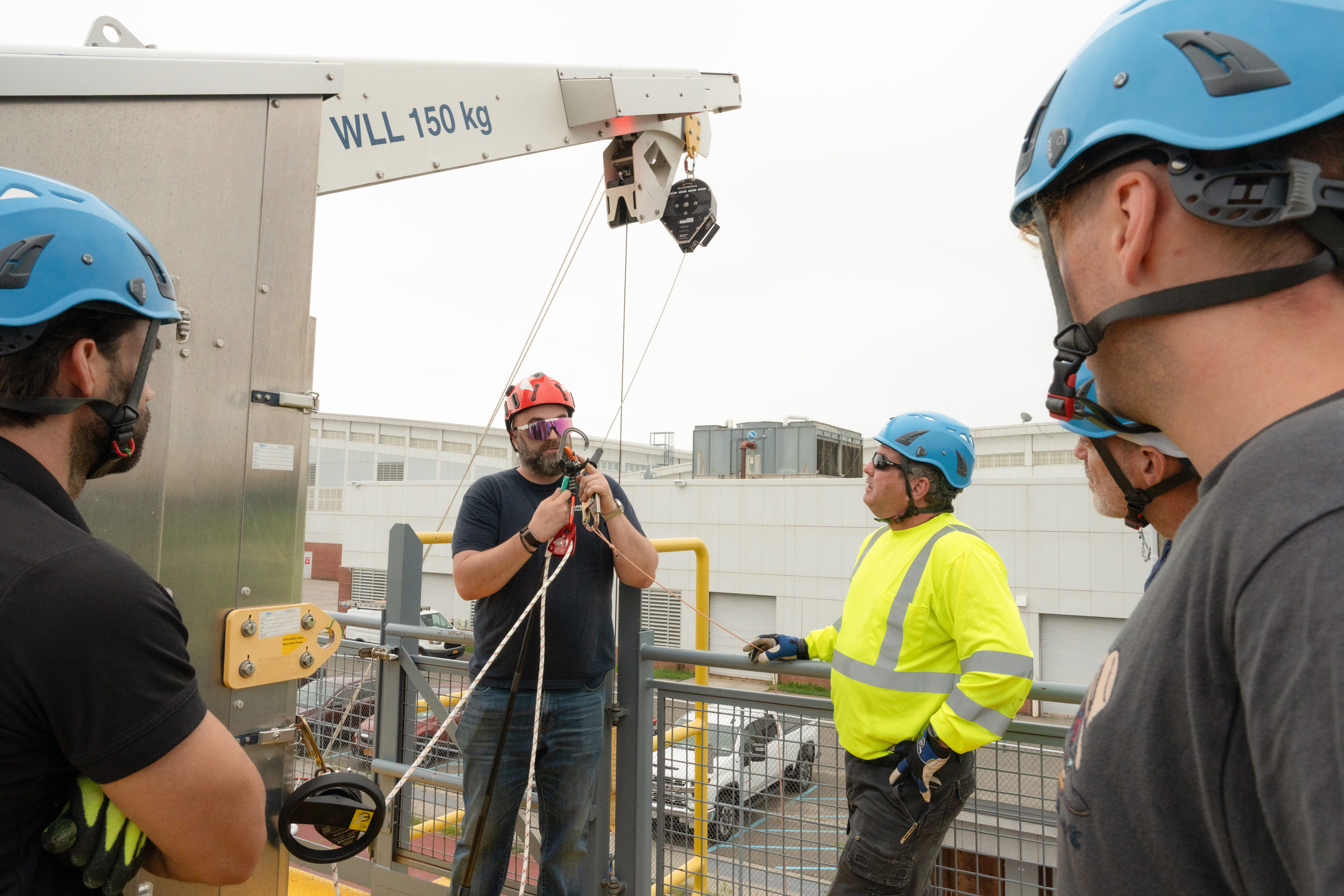
Despite the bleak outlook for offshore wind, workforce development programs are demonstrating a surprising degree of resilience by pivoting their curriculum. At Stony Brook University and other SUNY institutions, the focus of the Offshore Wind Training Institute has shifted from offshore-specific generation to broader grid stability and High-Voltage Direct Current (HVDC) applications.
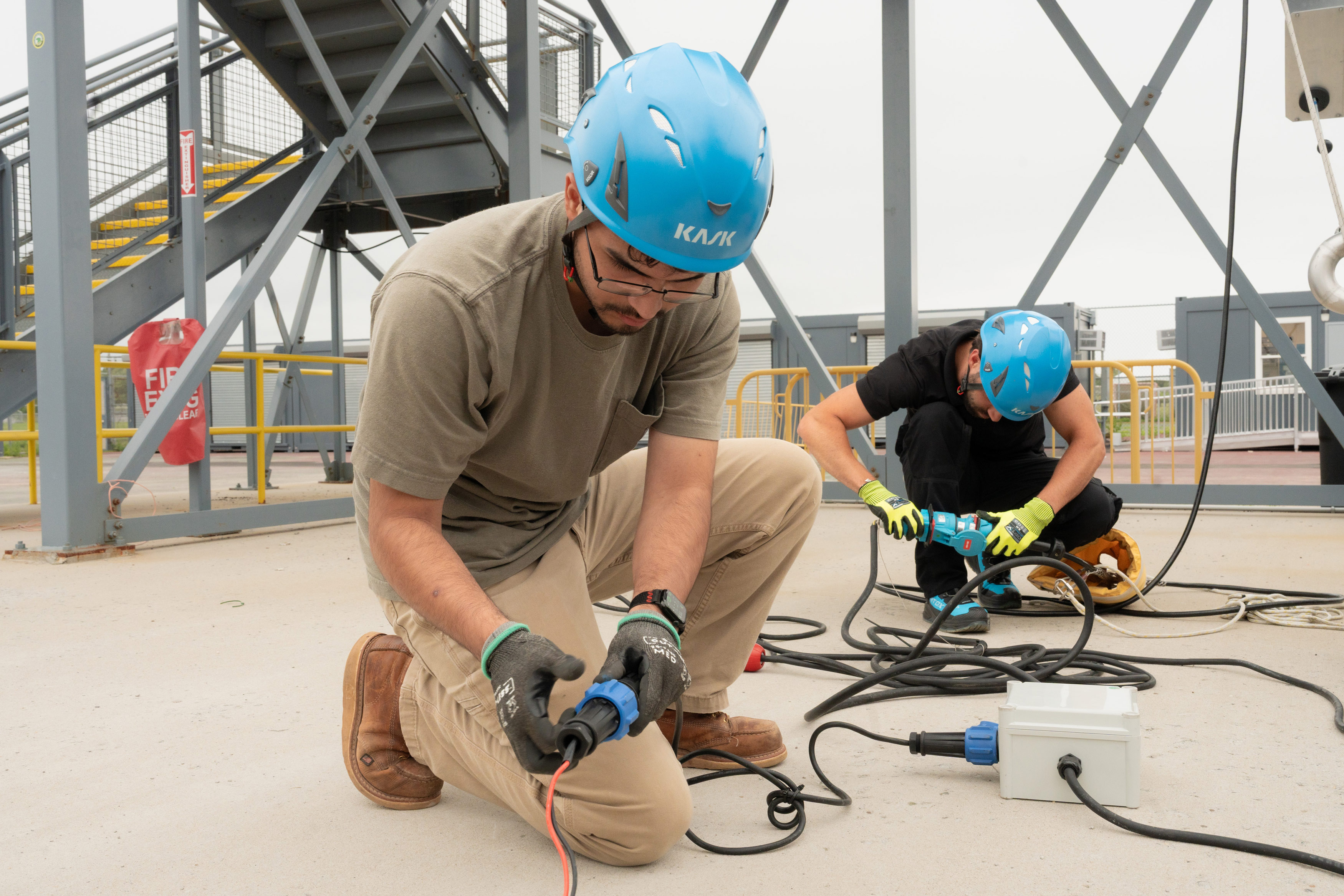
"We are fortunate that the underlying skills we teach—welding, high-voltage wiring, and systems integration—are fundamentally useful across the entire energy sector," explained Derek O’Connor, senior workforce development manager at Stony Brook’s Office for Research and Innovation. By broadening the scope of their training, these institutions are attempting to ensure that their graduates remain employable even if the offshore wind industry remains sidelined.
Broader Implications for the Energy Grid
The strategic withdrawal from offshore wind carries significant implications for the future of the U.S. power grid. With energy demand rising due to the electrification of transportation and the proliferation of data centers, the loss of offshore wind as a primary generation source places greater pressure on existing infrastructure. Analysts at the American Clean Power Association suggest that the demand for skilled workers remains at an all-time high, even if the sector-specific focus of that work has shifted away from the ocean.
However, the human cost remains high. For workers like Billy Bishop, the uncertainty is not just a policy abstraction—it is a career-defining hurdle. "I would do this forever if the work remained," Bishop said. "But you can see the contracts falling through. It’s hard to build a life on a industry that keeps getting the rug pulled out from under it."
Looking Toward the Future
While the current administration has taken a firm stance against offshore development, market analysts point to the fundamental economic pressures that may eventually force a policy reassessment. The rising cost of energy and the need for reliable, domestic power generation suggest that the offshore wind "bust" may be a temporary interruption rather than a permanent death knell.
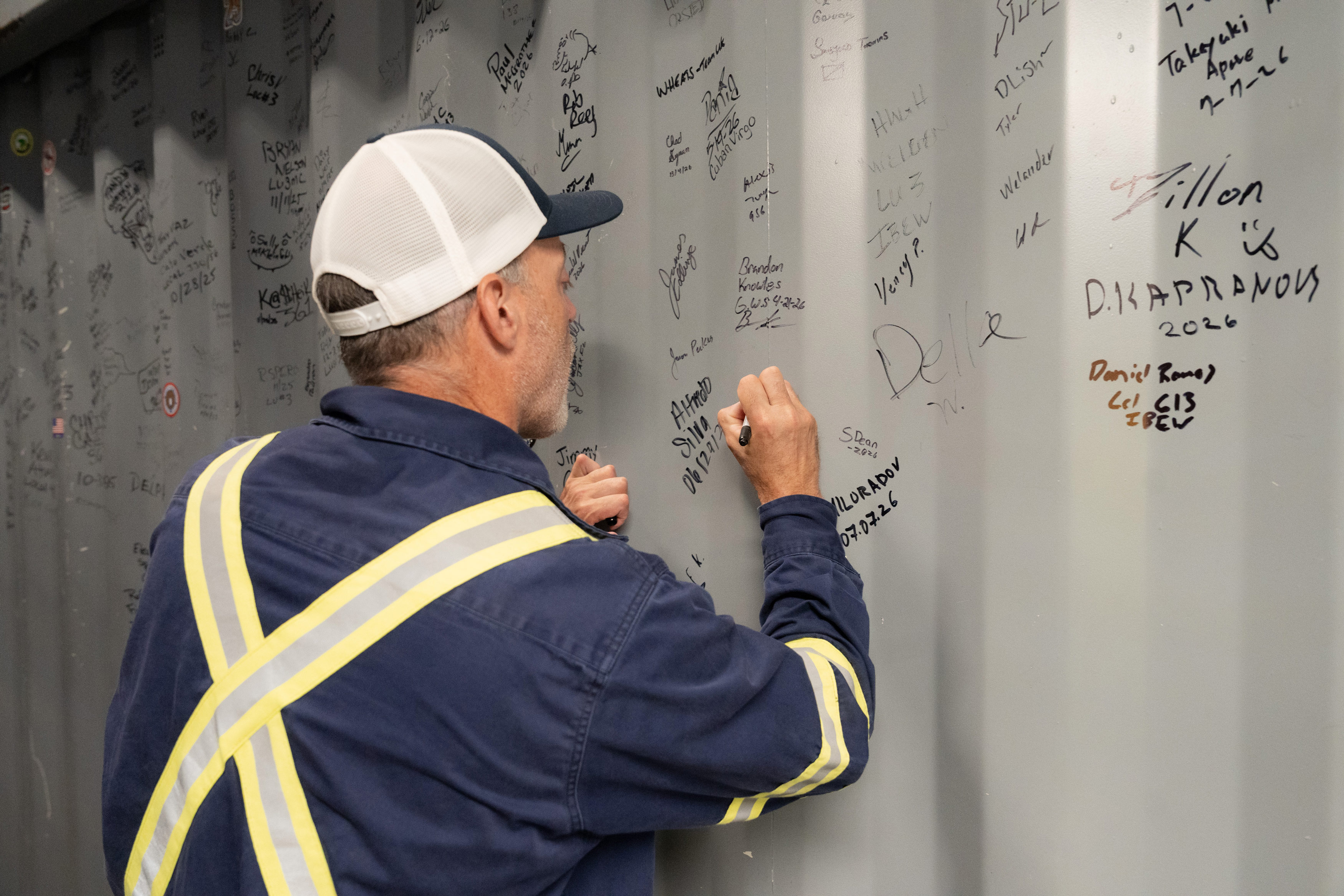
In the interim, the institutions that invested in the 2021-2024 boom are keeping their doors open, albeit at a reduced capacity. Programs that once focused on training hundreds of new technicians annually are now focusing on recertification and diversifying their training portfolios. As Roger Clayman, a director at the NOWTC, noted, the commitment to renewable energy as a long-term goal for the nation persists, even if the current political environment makes the immediate future difficult to navigate.
For the time being, the training centers are operating in a state of suspended animation. They remain ready, equipped with the technology and the expertise to restart at a moment’s notice, should the political tide turn. Until then, the workers who were meant to build the nation’s offshore energy backbone are transitioning back to the land, waiting to see if the offshore wind industry will ever truly realize the potential it held only a few years ago.