The National Diesel Crisis: Economic Ripples and the Debate Over Export Restrictions

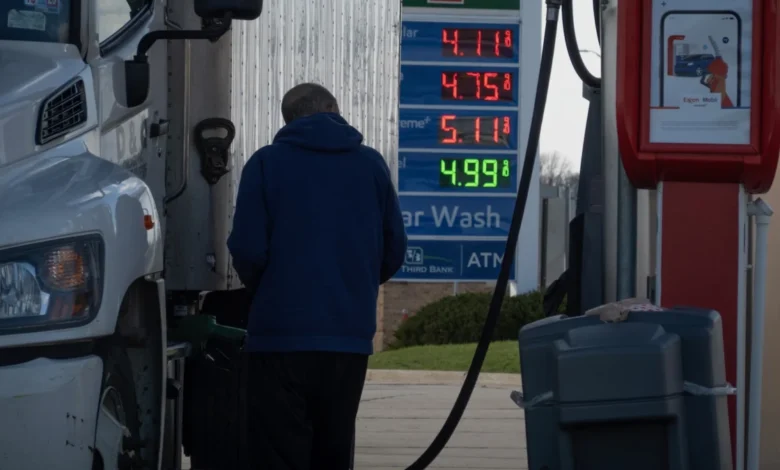
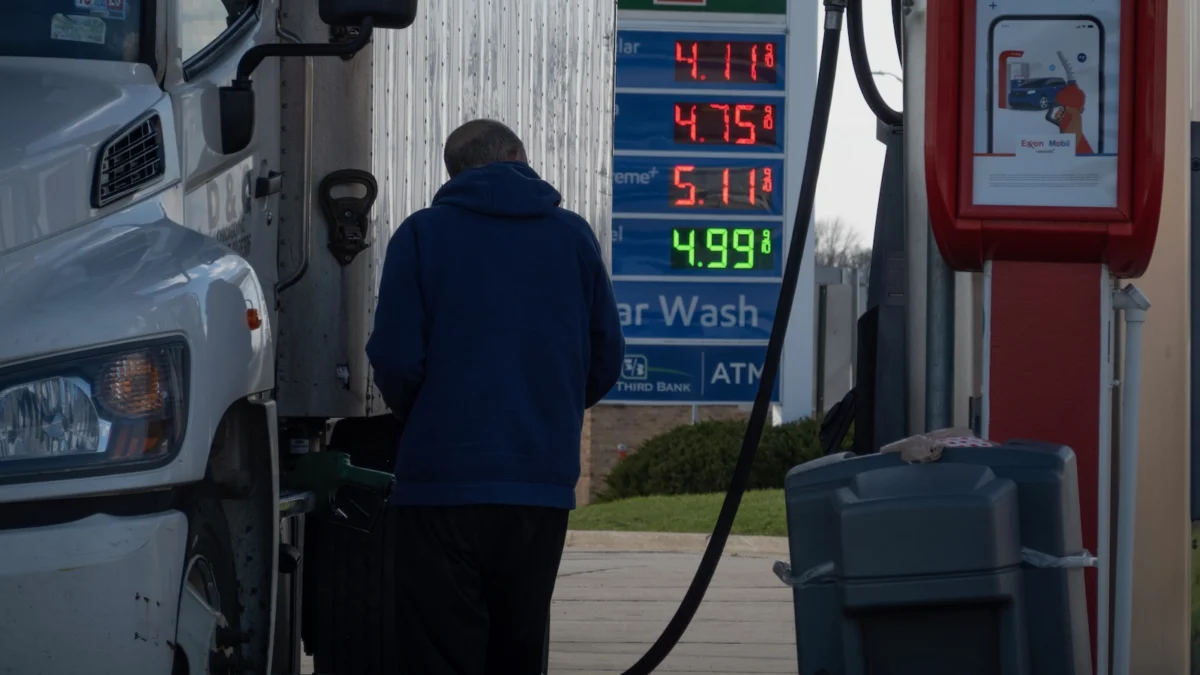
Diesel fuel prices have surged to unprecedented levels across the United States, with the national average hitting a record-shattering $6.52 per gallon this Tuesday, according to data from the American Automobile Association (AAA). This relentless climb, which has seen prices rise by nearly $1 per gallon in September alone, has reignited a fierce political debate over whether the federal government should implement a ban on the export of domestic diesel to stabilize the volatile market. President Donald Trump, speaking on the sidelines of the United Nations General Assembly in New York, recently signaled his support for such a measure, stating, “I’ve said, let’s not send out the diesel. I’ve called for it within my people.”
The crisis, which has seen fuel costs escalate by roughly 80 percent since the outbreak of hostilities between the United States and Iran earlier this year, highlights the extreme vulnerability of the American supply chain. While passenger vehicle owners are often the face of gasoline price debates, diesel is the lifeblood of the global economy. It powers the heavy-duty trucks that transport over 70 percent of U.S. freight, the rail networks that move bulk goods, the maritime vessels that facilitate global trade, and the heavy machinery essential to the agricultural sector. Consequently, the soaring cost of diesel acts as a "hidden tax" on every consumer, inflating the price of food, building materials, and essential goods.
A Chronology of Instability
The current price surge is deeply rooted in the geopolitical instability that followed the commencement of the war in Iran earlier this year. The conflict triggered immediate consequences for global energy security, most notably by effectively halting ship traffic through the Strait of Hormuz. As one of the world’s most critical maritime chokepoints, the strait is a transit route for approximately 10 percent of the world’s water-borne diesel supply.
The disruption was compounded by a series of strategic strikes in the region and ongoing conflict involving Russia, which further constrained the global flow of distillates. As international supplies tightened, nations scrambled to secure fuel, placing an unprecedented burden on U.S. refineries to fill the void. This heightened demand for U.S. exports has occurred simultaneously with a historic depletion of domestic oil reserves, which, as of late September, have reached their lowest levels since 1982.
Data and Market Dynamics
During the week of September 11, the U.S. energy sector produced approximately 5 million barrels of distillate fuels per day. Despite domestic shortages and record-high pump prices, federal data from the U.S. Energy Information Administration (EIA) indicates that the country exported roughly 1.6 million of those barrels daily.
This disconnect between record production and record prices has led to a growing bipartisan call for legislative intervention. Senator Chuck Grassley, a Republican from Iowa, took to social media to draw a comparison between the current energy situation and existing trade policy, stating, “If our government can embargo chips to China, it can embargo diesel to help American farmers and truckers.” His sentiments were echoed by Representative Ashley Hinson, who noted that Iowans and other Americans should not have to "foot the bill at the pump or the checkout line for the war in Iran." Senate Majority Leader John Thune has also expressed an openness to exploring the potential for an export ban if it could provide immediate relief to the American consumer.
The Economic Analysis: A Divided Perspective
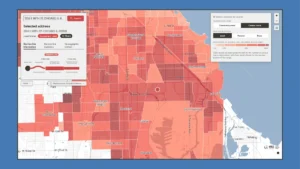
The academic and analytical community remains sharply divided on the efficacy of an export ban. An online dashboard tracking the economic impact of the war, managed by researchers at Brown University, estimates that the sustained increase in diesel prices has already cost American households an average of $400 each, totaling more than $51 billion in aggregate economic impact.
Jeff Colgan, a political scientist at Brown University who contributed to the tracker, suggests that restricting exports could be a potent tool. "It could make a huge difference by increasing the domestic supply, which, in a basic supply-and-demand model, would exert downward pressure on prices," Colgan explained.
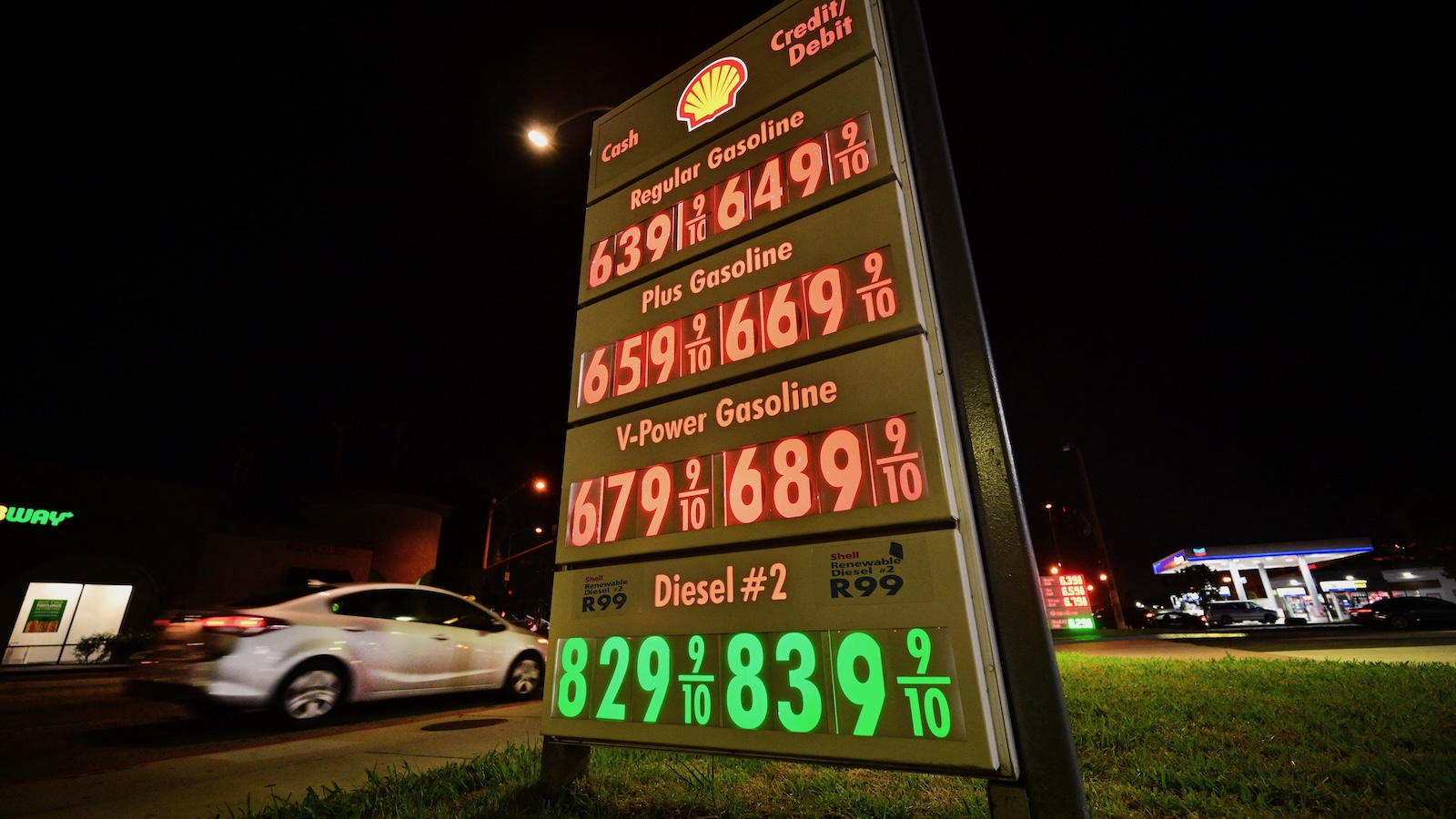
However, industry analysts offer a sobering counter-narrative. Patrick De Haan, head of petroleum analysis for GasBuddy, argues that the globalized nature of the oil market renders localized bans ineffective. "U.S. diesel prices are determined not by a U.S. supply and demand balance, but a global one," De Haan wrote on social media. "Keeping distillates and diesel home does not change the world price." According to this view, if the U.S. stops exporting, global prices would likely spike even higher, potentially offsetting any localized benefit for American consumers.
Industry and Administrative Pushback
The energy industry has reacted with significant opposition to the proposal. The American Fuel & Petrochemical Manufacturers (AFPM) association released a statement warning that such a move would be counterproductive. "Export bans do not create more fuel for Americans," the organization stated. "They reduce U.S. fuel production, put upward pressure on prices, weaken energy security, and hand market share to foreign competitors."
Political resistance is also manifesting within the Republican Party itself. Senator John Cornyn of Texas, representing the nation’s largest oil-producing state, characterized the idea of an export ban as a "gimmick." Interior Secretary Doug Burgum offered a similar assessment during an interview on CNBC, suggesting that while the administration is looking for solutions, an export ban could inadvertently "hurt Americans" by destabilizing the broader market.
The Legislative Precedent and Future Outlook
The concept of controlling energy exports is not without precedent in American history. In 1975, following the Arab oil embargo, Congress passed the Energy Policy and Conservation Act, which effectively prohibited the export of crude oil. That policy remained in place for four decades until it was repealed under the Obama administration in 2015. Proponents of the current proposed ban argue that the 1975 policy successfully shielded the U.S. from the worst effects of global supply shocks for a generation. Opponents, however, point to the massive growth of the U.S. energy sector—which has since become a net exporter—as a reason not to return to protectionist policies.
While some Democrats have historically supported export restrictions, the party has remained largely cautious or quiet on the current diesel debate. Senator Peter Welch of Vermont characterized the administration’s focus on an export ban as "smoke and mirrors," arguing that the only long-term solution lies in addressing the root cause of the crisis: the ongoing war in Iran.
As the political maneuvering continues, some experts, such as Tyson Slocum, the energy program director at Public Citizen, are calling for a move away from the binary "all or nothing" debate. Slocum suggests that policymakers could explore more nuanced, middle-ground approaches, such as implementing quotas on exports rather than an outright ban, or prioritizing specific volumes for domestic use.
"The debate is so absurdly simplistic," Slocum remarked. "There are many options in between—including how much diesel gets shipped overseas—that could be very significant. You would absolutely see a significant short-term drop in diesel prices if even partial, strategic measures were taken."
As the administration weighs its options, the reality for the American public remains a tightening economic squeeze. Whether the solution lies in executive action to curb exports, a diplomatic breakthrough in the Middle East, or an increase in domestic refinery output, the current state of the diesel market serves as a stark reminder of the fragile interconnectedness between foreign policy, energy, and the daily cost of living for the average citizen. With no immediate end to the geopolitical tensions in sight, the debate over who has the right to the fuel produced on American soil is likely to intensify in the coming weeks.
Related posts: