The Silent Erosion of Piana degli Albanesi: How Climate Change Threatens a 500-Year-Old Culture


Giorgia Caruso always imagined her children one day inheriting the farm her family has tended for three generations, but as the Mediterranean climate shifts into an era of unpredictable extremes, that dream has begun to fracture. Her daughters, she realizes, may soon be forced to seek a future far from the fertile plateau of Piana degli Albanesi, a town nestled in the mountains south of Palermo that has served as a sanctuary for the Arbëreshë people for half a millennium. Founded by Albanian refugees fleeing the Ottoman conquest in the 15th century, the community has maintained a distinct linguistic and cultural identity, anchored by a deep, spiritual connection to the Sicilian soil. Today, however, that connection is being severed by a combination of relentless drought, catastrophic wildfires, and a shrinking economic landscape.

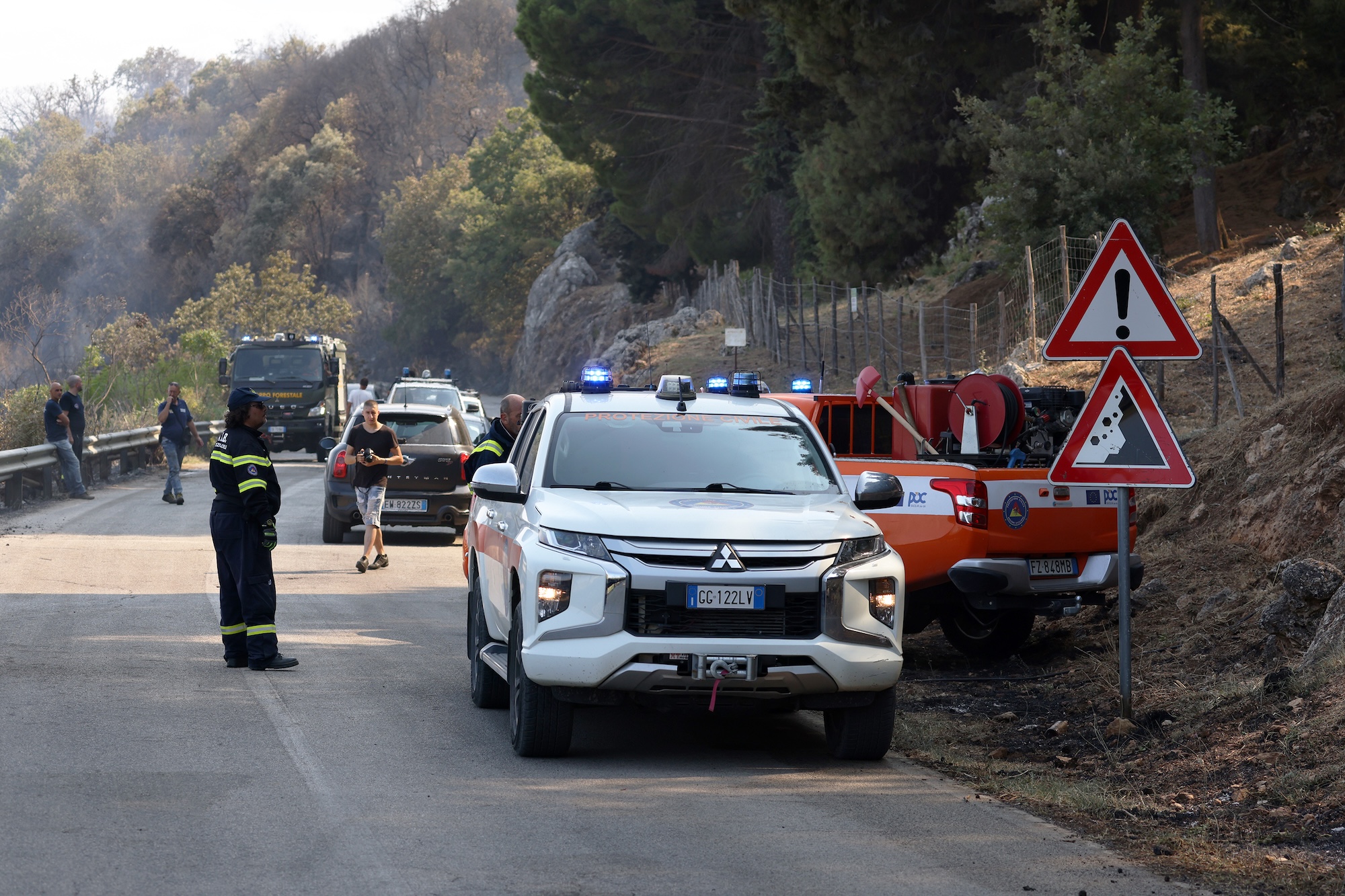
The crisis facing Piana degli Albanesi is not merely an agricultural struggle; it is an existential threat to an ethnic minority whose traditions—including the production of the renowned ricotta used in authentic Sicilian cannoli—are inextricably linked to the land. For families like the Carusos, the farm is a third child, a legacy of labor and history that feels increasingly unsustainable. In late July 2023, the reality of this precarious future was brought into sharp focus when flames, reaching the height of three-story buildings, swept through the family’s fields. The loss of several acres of land and nearly two dozen sheep left the Carusos grappling with a harrowing realization: the business their ancestors built may no longer exist within a decade.
A Chronology of Environmental Decay
The environmental degradation of Sicily’s interior has accelerated significantly over the past six years. While the Mediterranean has always been prone to seasonal heat, the current trajectory is unprecedented. Data from the European Environment Agency confirms that the region is warming 20 percent faster than the global average, creating a "perfect storm" for agricultural collapse.
- 2019–2020: Increased frequency of localized droughts begins to impact the water table, forcing farmers to rely on dwindling reservoir supplies.
- August 2021: A historic heatwave strikes the island. On August 11, Syracuse records a temperature of 119.8 degrees Fahrenheit, the highest ever measured in Europe. Piana degli Albanesi experiences its own wave of displacement, with over 100 residents evacuated due to encroaching wildfires.
- 2023: Massive wildfires decimate 142,150 acres across Sicily, resulting in over 200 million euros in agricultural and infrastructure damage.
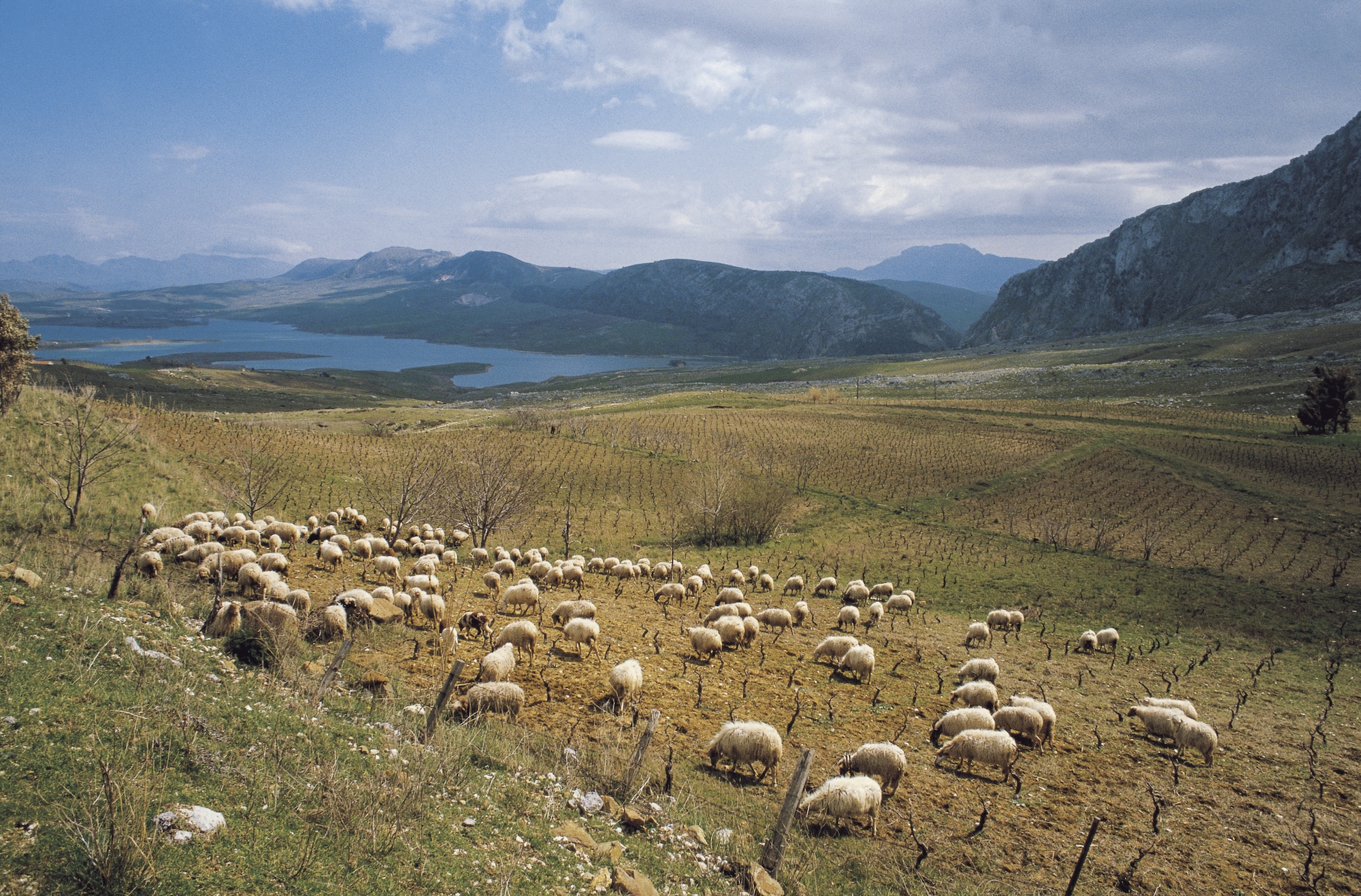
- 2024: An official state of emergency is declared by the Italian government due to a critical water deficit. The lake near Piana, historically the largest reservoir in the region, nearly dries up, signaling the severity of the depletion.
- 2025–2026: Persistent, irregular weather patterns—ranging from extreme, prolonged droughts to sudden, destructive deluges—continue to undermine the economic viability of small-scale farming.
The Demographic Exodus
The correlation between environmental instability and population decline is becoming increasingly clear. Since 2015, Piana degli Albanesi has seen its population drop from 6,293 to 5,245—a 17 percent decrease. This rate of decline is roughly triple the average for the rest of Sicily. Sociologists and environmental scientists suggest that while economic factors like unemployment are traditional drivers of migration, the "climate push" factor has become the primary catalyst for the current exodus.
Giovanni Scalora, a fourth-generation Arbëreshë farmer, views this trend with profound sorrow. "If our lands burn, there are no jobs for us, no more homes," he explains. Scalora, who has pivoted toward breeding cattle more resilient to heat, notes that the loss of his community means more than just the disappearance of a workforce; it signifies the erasure of a unique cultural chapter of European history. The legendary cannoli of Piana, once synonymous with the town’s identity, are now at risk because the traditional sheep’s milk supply is vanishing.
Governance and the Adaptation Gap
The response from the Italian national government has been described by local officials as reactive rather than preventative. While Rome has allocated emergency funding—such as the initial 20 million euros for water shortages and subsequent aid packages—local leaders like Mayor Rosario Petta argue that these resources are insufficient to address the systemic challenges of climate adaptation.
"One thousand people who leave is an extra 1,000 people who will no longer speak Arbëresh, which can put at risk language and identity preservation," Mayor Petta stated. His administration is currently lobbying for direct air links between Palermo and Tirana to boost tourism, hoping that cultural exchange can provide an economic bridge. However, experts like Professor Christian Mulder of the University of Catania warn that tourism is a double-edged sword, as it places additional pressure on water and energy infrastructure that is already at a breaking point.
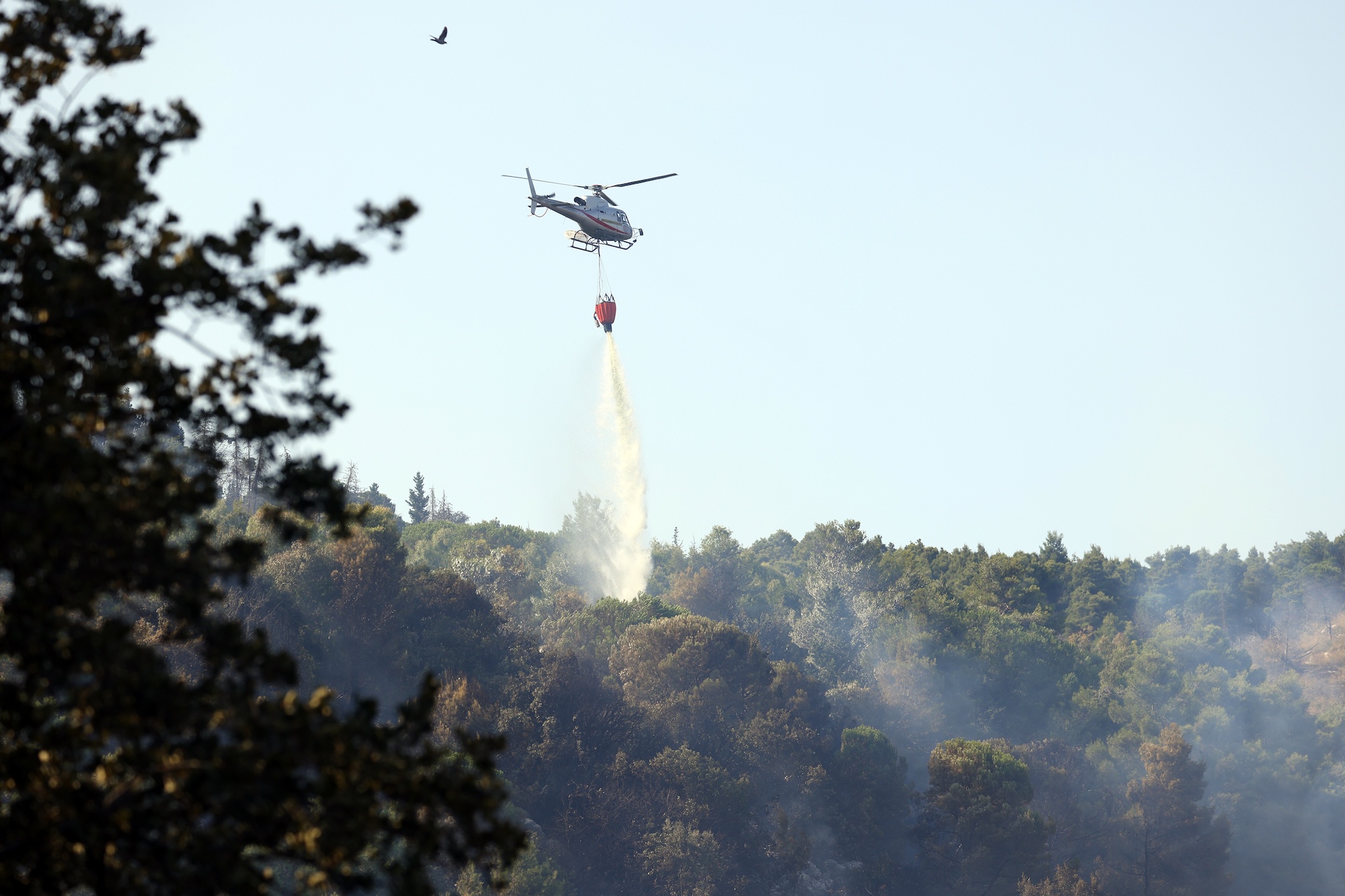
The lack of a cohesive, top-down strategy leaves small, vulnerable communities like Piana to navigate the crisis in isolation. Salvatore Cona, head of the Sicilian Civil Protection Unit, emphasizes that national-level coordination is required to develop a robust infrastructure plan that addresses the specific risks faced by the island’s interior.
The Diaspora and the Price of Stability
For many Arbëreshë families, the solution has been to look toward the past and the future simultaneously. Many descendants of those who fled the poverty of the late 19th century now reside in California, where the climate—though also plagued by wildfire risks—offers a level of stability and state-sponsored disaster management that feels unattainable in rural Sicily.
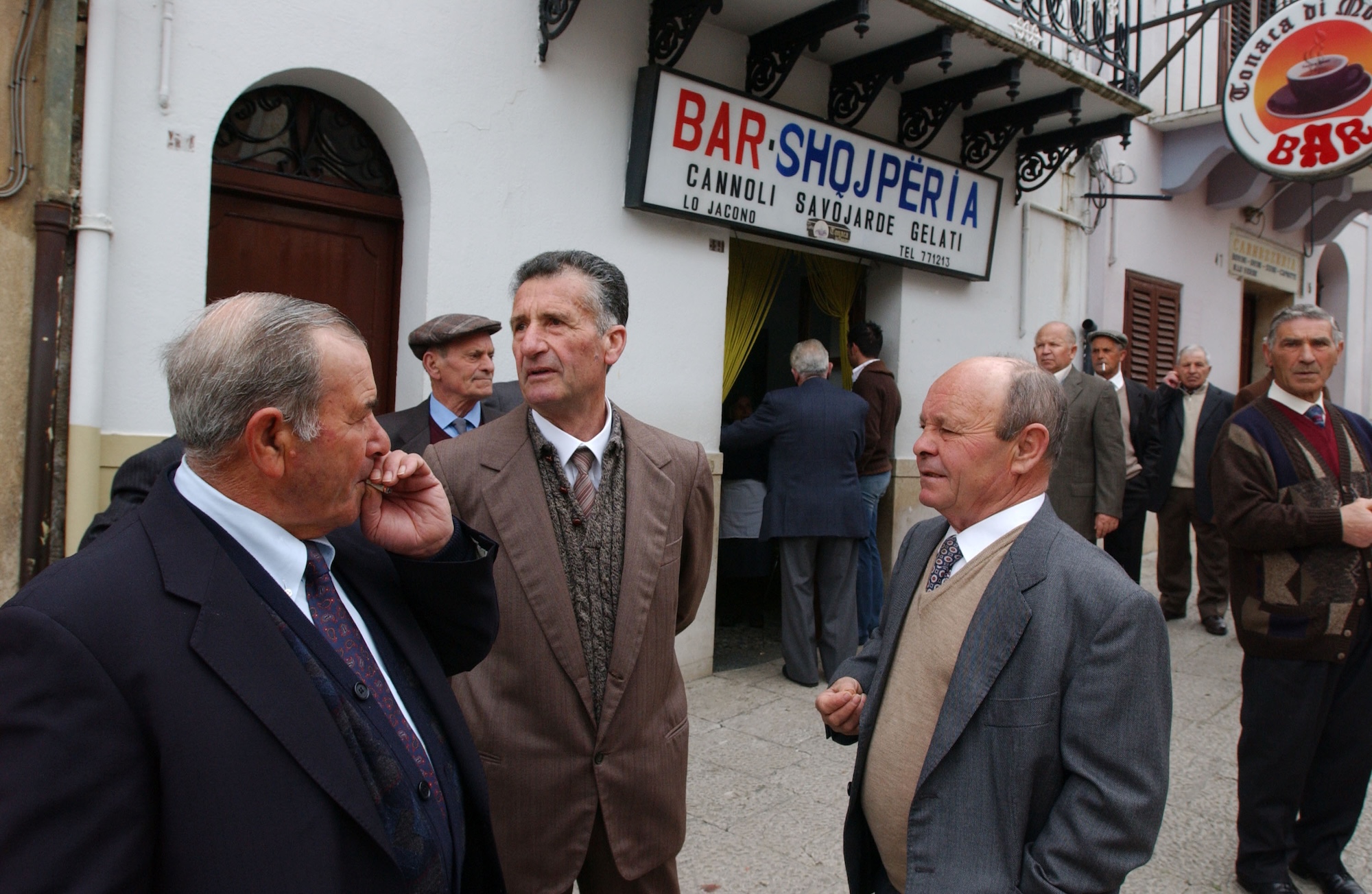
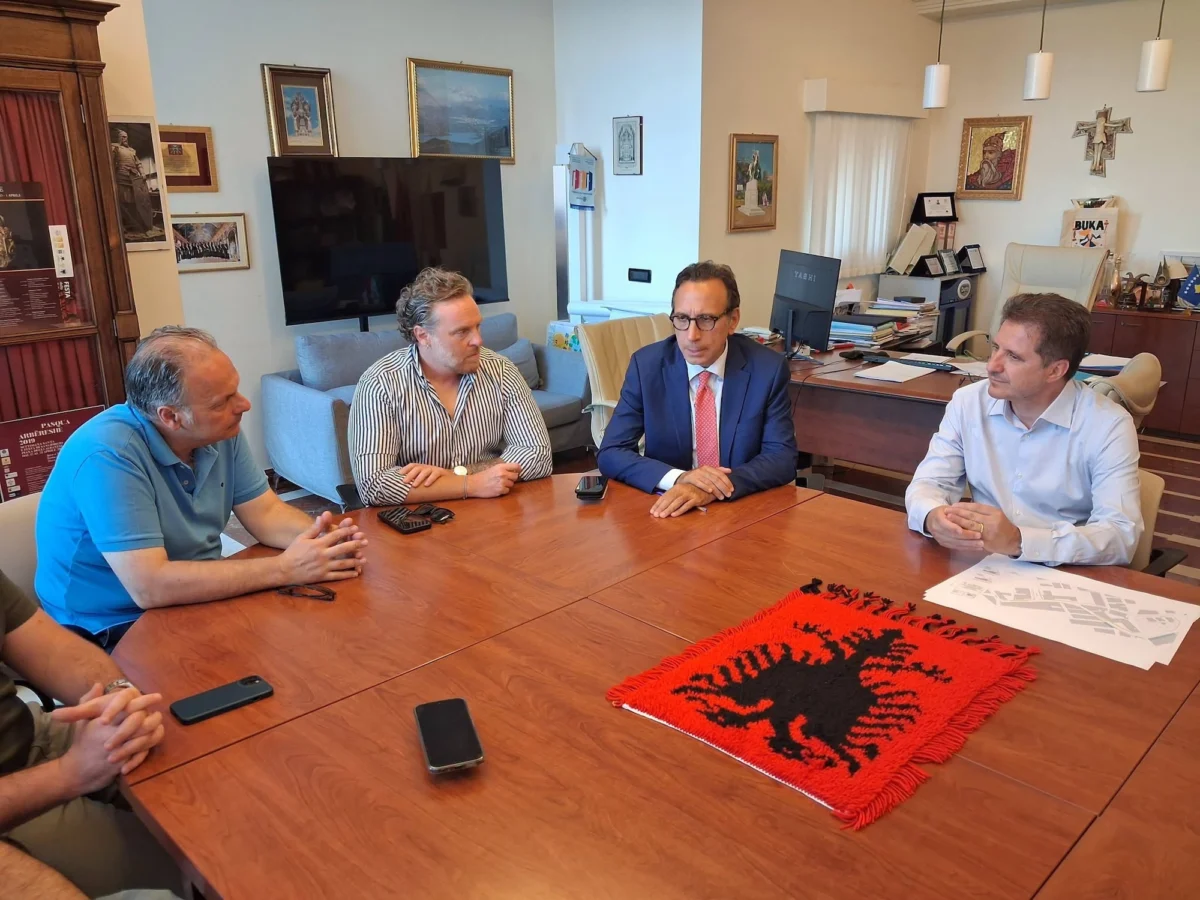
Anthony Plescia, president of the Arbëreshë of Sacramento association, represents this legacy. His ancestors moved to California over a century ago, drawn by the fertile land and the hope for a better life. Plescia, who recently visited Piana to forge a formal confederation between the diaspora and the town, notes that while the cultural identity remains strong in America, it is fragile. "Losing touch with one’s past is often the price of safety," he observes.
Implications for Europe’s Linguistic Minorities
The struggle of the Arbëreshë is a harbinger for other linguistic and ethnic minorities across Europe. The European Environment Agency has identified that climate change disproportionately impacts marginalized groups who lack the political capital or financial resources to adapt their traditional lifestyles. If the rural interior of Sicily continues to desertify, the disappearance of the Arbëreshë culture will be one of the first major cultural losses directly attributable to the climate crisis in Europe.
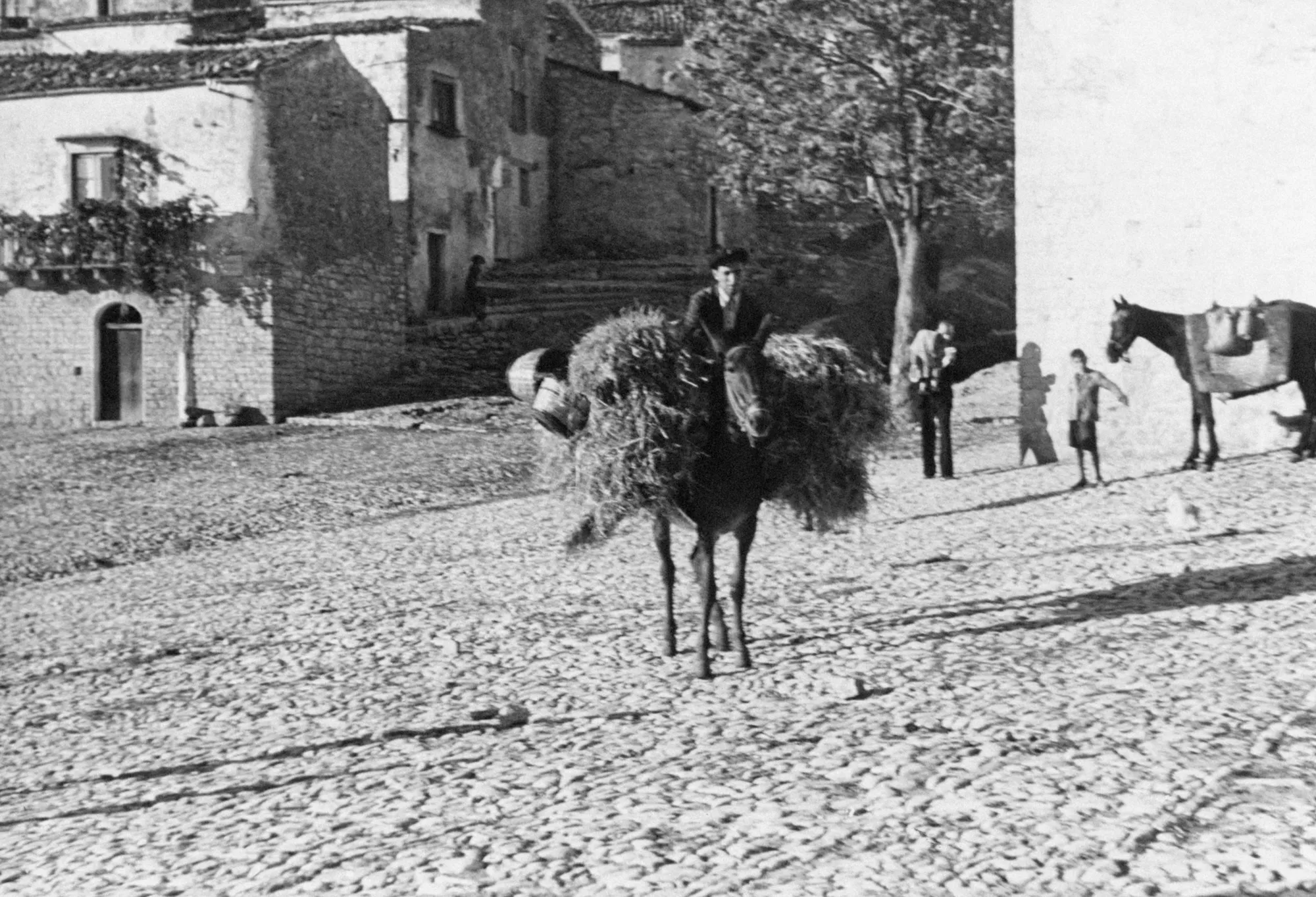
The irony is not lost on observers like Anna Liscari, a former resident who now works in the tourism industry from Newport Beach. "We have survived wars, displacement, and poverty over the course of 500 years," she says. "It’s devastating to think that climate and the inability to manage its effects is what might finally wipe us out."
As Piana degli Albanesi faces an uncertain future, the question remains whether the international community and the Italian state will prioritize the preservation of such historic, vulnerable enclaves. For now, the people of Piana continue to balance on a knife’s edge, caught between the desire to honor their 500-year history and the harsh, modern necessity of survival. For families like the Carusos, the choice is becoming increasingly binary: stay and face the fire, or leave and risk losing the very identity that defines them. In the quiet, sun-scorched hills of Sicily, the ticking clock of climate change is sounding the alarm for an entire culture.
Related posts: