Federal Policy Shift Proposed for National Forests Signals Major Change in Motorized Recreation Access

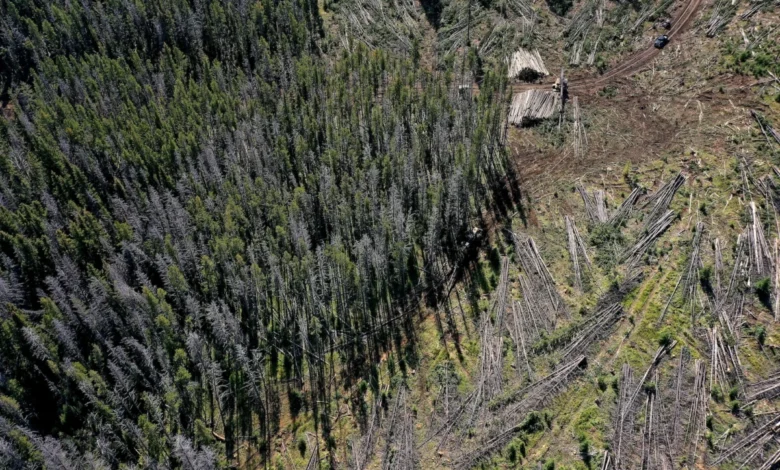
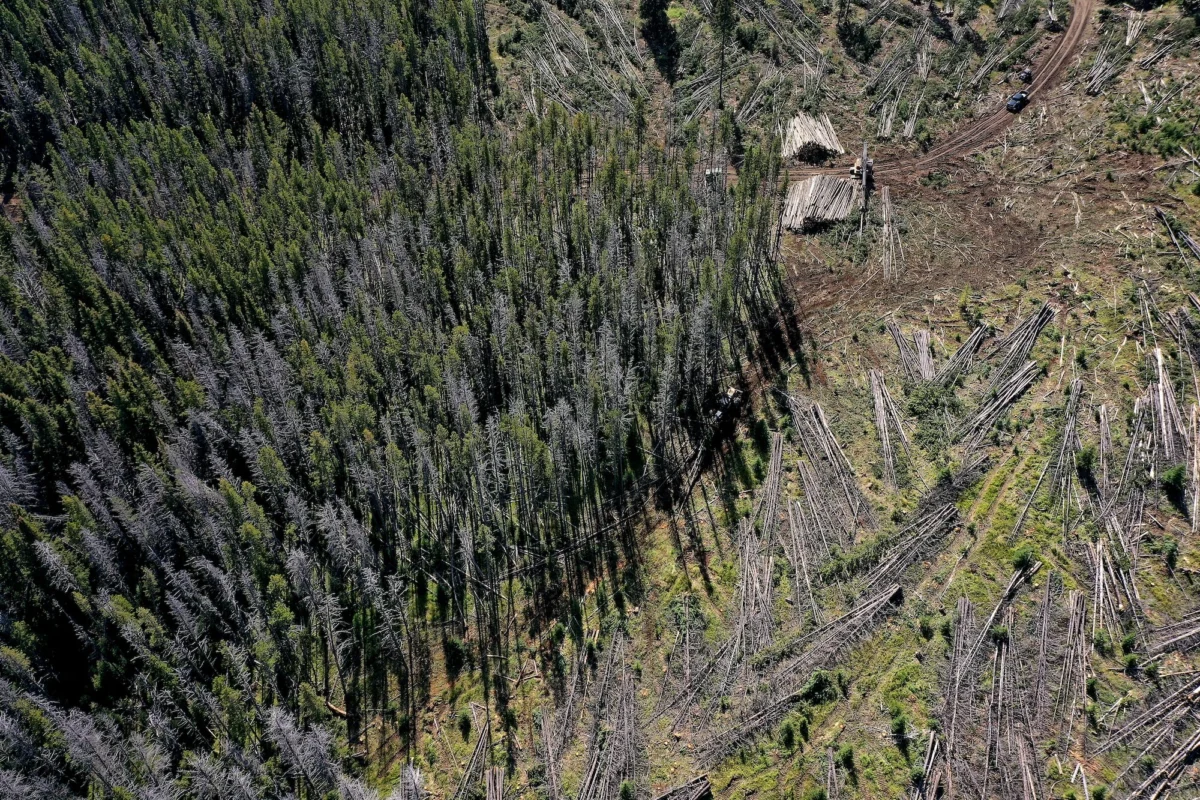
The United States Forest Service, under the guidance of the Trump administration, has initiated a significant regulatory pivot that threatens to upend the foundational management strategies governing the nation’s 193 million acres of public lands. Currently, the agency operates under a strict "closed unless designated open" mandate, a cornerstone of the 2005 Travel Management Rule. This policy requires forest managers to explicitly identify which trails, roads, and backcountry areas are accessible to motorized vehicles, ensuring that motorized recreation is contained within controlled, mapped zones. In late August, the Department of Agriculture announced a formal proposal to invert this framework, transitioning to a system where all forest trails would be considered open to motorized use unless specifically designated as closed.
The proposed rule change represents a radical departure from two decades of conservation-minded public land management. Supporters of the move, including proponents of expanded motorized access and former legislative officials, argue that the current system is overly bureaucratic and restricts the ability of citizens—particularly the elderly and individuals with disabilities—to enjoy the backcountry. However, the proposal has ignited a firestorm of opposition from a diverse coalition of conservationists, sportsmen, and environmental advocates who warn that the shift could lead to irreversible ecological degradation, habitat fragmentation, and increased conflict between different user groups on public lands.
The Evolution of the Travel Management Rule
To understand the gravity of the proposed change, one must look at the history of the Travel Management Rule. Prior to 2005, the Forest Service faced significant challenges managing the rapid rise of off-highway vehicle (OHV) popularity. Unrestricted cross-country travel often led to the creation of "social trails"—unauthorized paths carved into the landscape by motorized users—which resulted in severe soil compaction, the destruction of native vegetation, and the disruption of wildlife corridors.
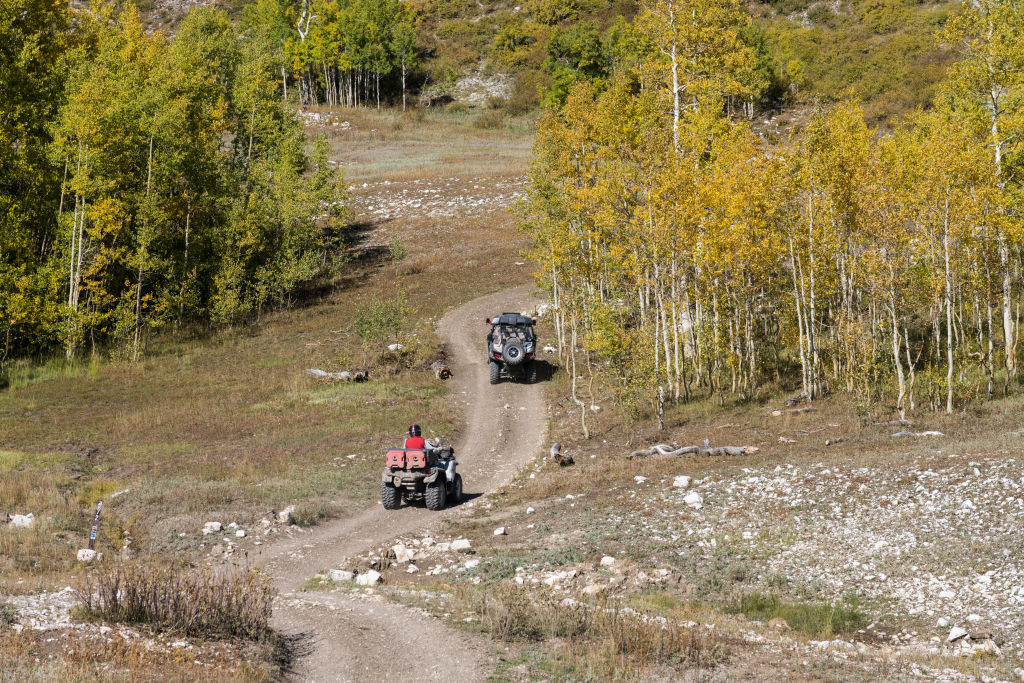
The 2005 rule was established to provide clarity and consistency across the National Forest System. It mandated that each of the 154 national forests develop comprehensive travel management plans. These plans involve an exhaustive, site-specific analysis of every road and trail, determining where motorized, nonmotorized, and administrative access is appropriate based on topography, wildlife sensitivity, and resource protection needs. By effectively closing the forests to cross-country motorized travel, the rule allowed the Forest Service to direct recreation pressure toward areas that could sustain it, while protecting sensitive wilderness and watersheds.
Ecological Impacts and the Case of the Middle Fork
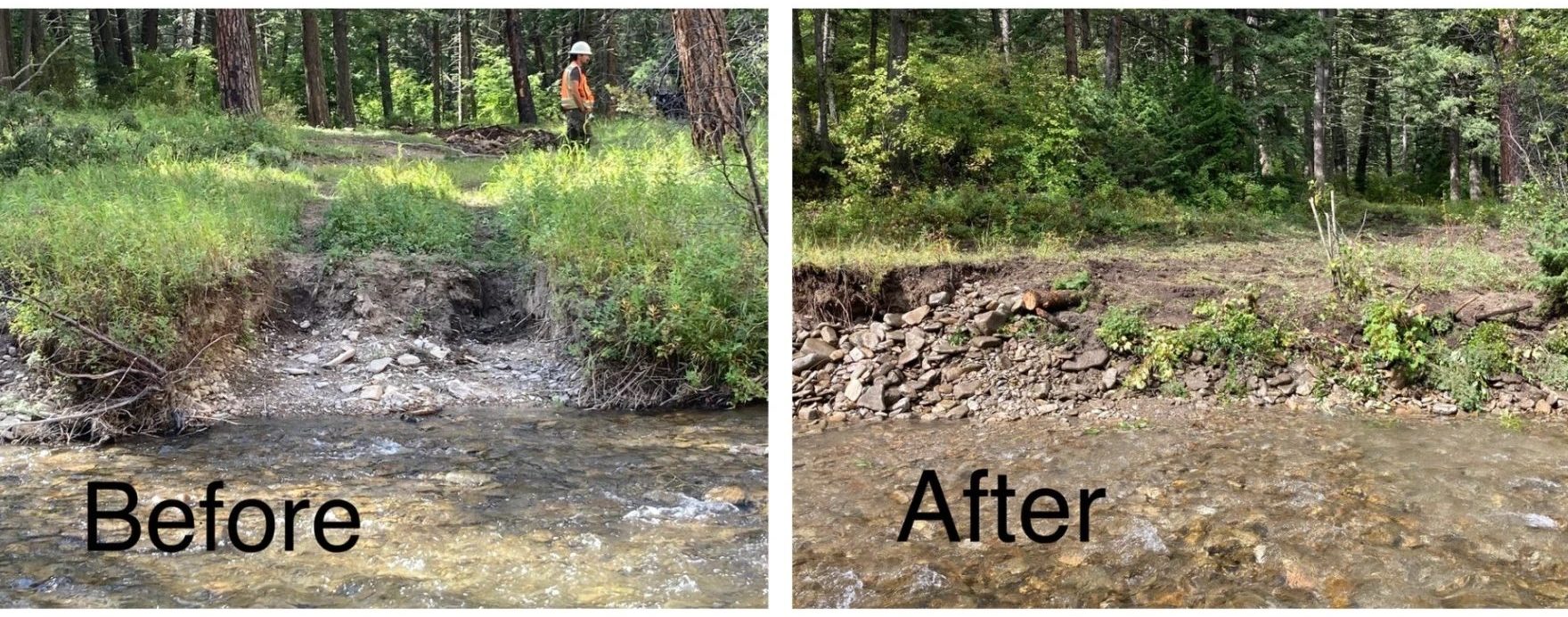
The potential consequences of removing these guardrails are not merely theoretical; they are rooted in documented environmental history. Chris Edgington, a watershed project manager with Montana Trout Unlimited, provides a stark example of what occurs when motorized access exceeds an ecosystem’s carrying capacity. Along the Middle Fork of the Judith River in the Little Belt Mountains, decades of unrestricted vehicle crossings led to the severe degradation of critical fish spawning grounds.
Prior to remedial efforts in 2023, the river corridor was crisscrossed by over 80 unauthorized entrances, leading to massive erosion and the sedimentation of riverbeds. The fine sediment choked the substrate, suffocating aquatic insects and preventing trout from successfully spawning. By 2020, fish populations in that stretch of the river had plummeted to less than 10 percent of historical expectations. A multi-year restoration project, which involved a coalition of OHV enthusiasts, environmentalists, and federal agencies, was required to rebuild the riverbank and restrict vehicle crossings to designated, hardened points. Edgington notes that the success of this restoration relied heavily on the existing travel management framework, which provided the legal certainty needed to secure funding and enforcement. He warns that a full repeal of these protections would invite a return to the chaotic, destructive patterns of the past, effectively undoing years of taxpayer-funded conservation.
A Broader Strategy of Deregulation
The proposed revision to the travel management rule is not an isolated event; it is part of a broader, aggressive campaign by the current administration to dismantle environmental regulations across federal land agencies. The announcement closely follows the administration’s move to rescind the 2001 Roadless Area Conservation Rule, which currently provides critical protections for 45 million acres of undeveloped forest land. The Roadless Rule has been a point of contention for years, with proponents of resource extraction and motorized development viewing it as an impediment to economic growth.
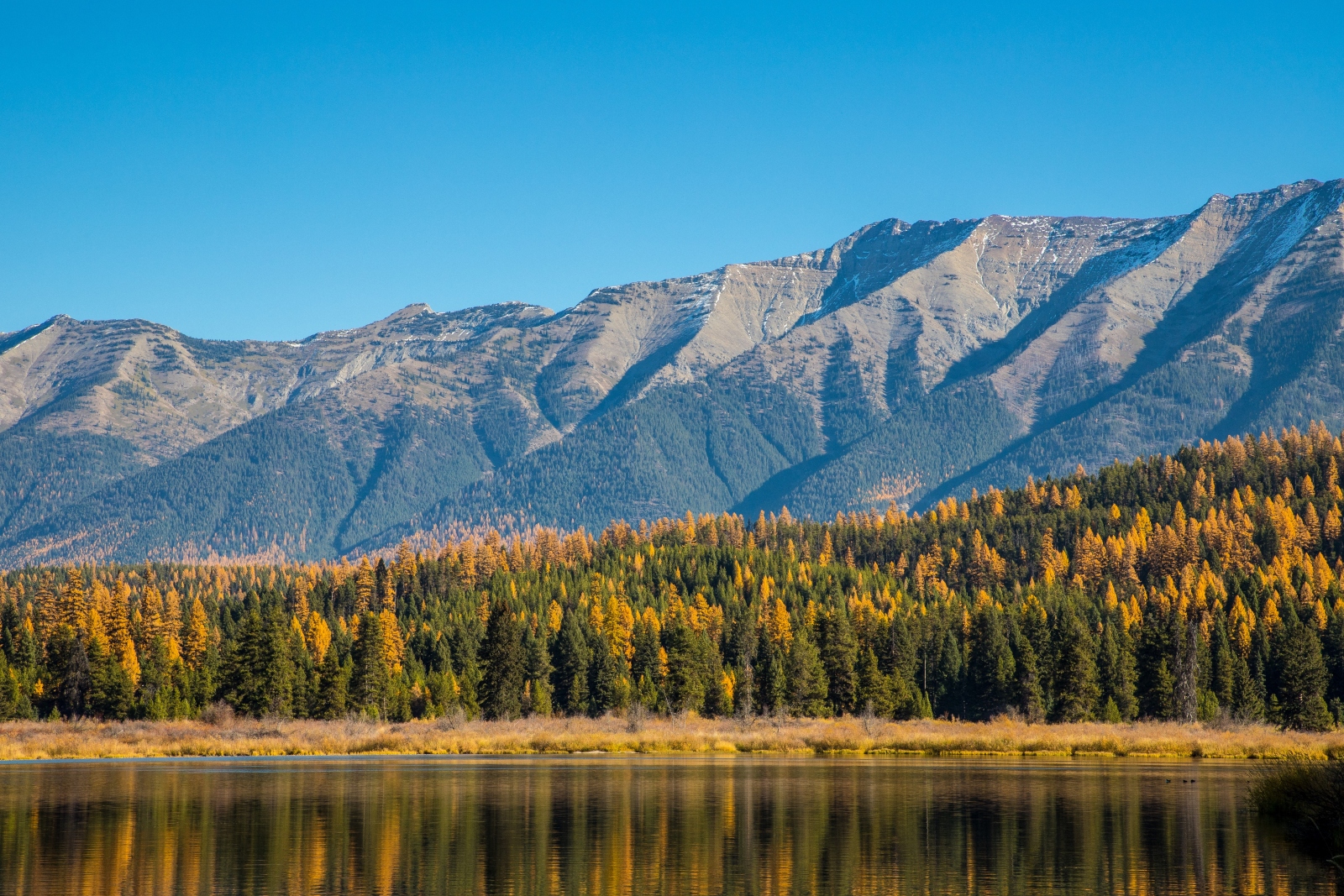
Scientific research from the Forest Service and independent institutions consistently highlights the dangers of expanding road and trail networks in intact ecosystems. Roads act as vectors for invasive species, fragment habitat for wide-ranging mammals like grizzly bears and elk, and significantly increase the risk of human-caused wildfires. The initial public comment period for the roadless rule repeal saw an overwhelming response, with 99 percent of participants opposing the move. In response to public outcry, the agency was forced to extend the comment period by 15 days, a move that critics suggest is still insufficient for a policy change of such immense scale.
The Conflict of Perspectives
The debate over these regulations reveals a deep divide in how Americans value public lands. For Hillary Eisen, federal policy director for Wild Montana, the issue is one of stewardship for future generations. "The intent in Congress is that they support current generations, but that they are also available for future generations," Eisen stated. She argues that the current rules are not "red tape," but rather the essential infrastructure of conservation that keeps public lands viable for hikers, horsemen, ranchers, and the timber industry alike.
Conversely, figures like Kerry White, who runs the Bozeman-based nonprofit Citizens for Balanced Use, maintain that the "open unless closed" approach is a matter of civil rights and public equity. White, a former state legislator, argues that current regulations are frequently used to gate off public land from those who cannot traverse long distances on foot. "This is public land, and people with disabilities, the elderly, need some sort of transportation to get out there," White said. He dismisses concerns about environmental destruction as alarmist, suggesting that the Forest Service retains sufficient regulatory authority to manage specific projects or address genuine ecological threats even under the new, more permissive framework.
Implications for the Future of Public Lands
The long-term implications of this policy shift are significant. If the Forest Service proceeds with the rule change, it will effectively shift the burden of proof from the user to the agency. Under the current system, if a trail is not explicitly marked for motorized use, it is off-limits. Under the proposed system, the agency would have to identify and sign every single trail that is closed, a logistical challenge that would likely overwhelm the agency’s already strained budget and staffing levels.
Critics fear that this will result in "de facto" open access across vast swaths of the forest, as the Forest Service lacks the manpower to adequately sign and enforce closures on thousands of miles of backcountry trails. Furthermore, the confusion resulting from inconsistent signage is expected to increase hostility between different user groups, as motorized vehicles begin appearing on trails previously reserved for quiet, nonmotorized recreation.
From a fiscal perspective, the move is also being questioned. The investment of federal dollars into land restoration—such as the Middle Fork project—is predicated on the existence of rules that keep motorized traffic out of sensitive zones. If the underlying protections are removed, those investments may be rendered useless. "It is pretty counterintuitive to the responsible use of taxpayer dollars," says Edgington, noting that the economic benefits of healthy fisheries and stable watersheds far outweigh the temporary gains of expanded motorized access.
The Path Ahead
The public comment period for the proposed travel management rule remains open through September 23, 2026. This period serves as a critical junction for the future of the National Forest System. As the agency reviews the input from thousands of stakeholders, the decision it reaches will define the character of American public lands for decades to come. Whether the government prioritizes the immediate expansion of motorized access or the long-term integrity of the forest ecosystem remains to be seen, but the intensity of the current debate underscores the high stakes of this regulatory battle.
As the Forest Service navigates this complex landscape of competing interests, it must weigh the demands for increased recreation access against its fundamental mission to sustain the health, diversity, and productivity of the nation’s forests and grasslands. The outcome of these proposed revisions will signal whether the agency remains committed to the principle of "sustained yield" or if it is entering a new era defined by the prioritized expansion of motorized activity over the preservation of the wild.
Related posts: