The Trump Administration Repeals Federal Carbon Regulations as Coal Reliance Faces a Complex Resurgence Amidst Artificial Intelligence Energy Demands

Coal remains the most carbon-intensive energy source in the global portfolio, responsible for approximately half of all cumulative anthropogenic carbon emissions since the dawn of the Industrial Revolution. Its capacity to generate higher volumes of carbon dioxide per unit of energy compared to natural gas or petroleum makes it a primary target for climate scientists seeking to mitigate the catastrophic impacts of global warming. Despite the clear environmental mandate to transition toward cleaner energy, the United States has spent nearly two decades trapped in a cycle of regulatory oscillation, characterized by a persistent tug-of-war between federal executive mandates and judicial intervention.
A Chronology of Regulatory Whiplash
The struggle to regulate the American power sector began in earnest during the Obama administration. When legislative efforts to implement a comprehensive carbon tax failed in Congress, the administration pivoted to executive action through the Environmental Protection Agency (EPA). The resulting "Clean Power Plan" aimed to force electric utilities to pivot away from coal by setting strict emissions reduction targets. This initiative faced immediate legal challenges, culminating in a Supreme Court ruling that severely limited the agency’s ability to mandate sweeping fuel-switching measures.
Following the election of Donald Trump in 2016, his administration moved to repeal these rules, arguing that federal overreach was detrimental to energy independence and economic growth. The Biden administration subsequently sought to circumvent previous judicial hurdles with its 2024 rule, which provided utilities with a bifurcated path: either retire aging coal assets by the 2030s or install carbon capture and storage (CCS) technology to mitigate emissions. This week, the Trump administration officially announced the repeal of the 2024 rule, removing the last major federal regulatory barrier preventing utility companies from operating coal-fired power plants without emissions restrictions.
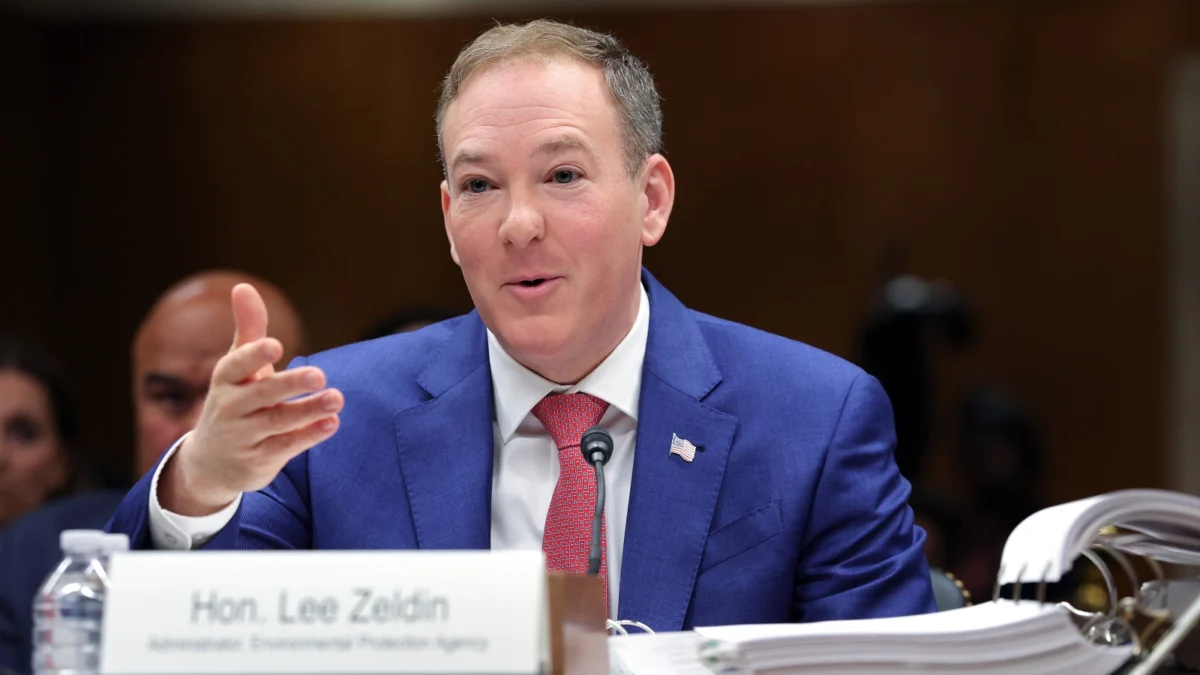
EPA Administrator Lee Zeldin, speaking at an international energy summit in Texas, framed the decision as a restoration of market freedom. "For over 15 years, the Obama and Biden administrations implemented a war on coal to destroy reliable and affordable energy," Zeldin stated. "We are working to go even further so that American energy can be fully unleashed. Realizing the full potential of American energy means more jobs, lower prices, and a more prosperous America."
The Economic and Environmental Calculus
The repeal signals a significant shift in the federal government’s approach to the power sector. Critics of the move argue that the removal of regulatory "teeth" sends a counterproductive signal to market participants. Kenneth Gillingham, a professor of environmental economics at Yale University and a former economic adviser to the Obama administration, emphasizes that regulatory frameworks serve as essential guideposts for long-term capital investment.
"The reason to have a target is that it sends a clear signal to decision-makers in companies," Gillingham noted. "If you are on the fence between choosing two things, you might as well choose the one that is in line with the target. That has been undermined. There has to be some teeth behind it."
While regulatory shifts have dominated the headlines, market forces have historically been the most effective drivers of the energy transition. Over the last twenty years, the proliferation of shale fracking drastically lowered the price of natural gas, rendering coal increasingly uncompetitive. This market shift facilitated a nearly 50 percent reduction in power sector emissions in the United States, as utilities found it more profitable to replace aging coal plants with cleaner, more efficient gas-fired units.
However, the repeal of the Biden-era rule threatens to stall this momentum. Public health experts have expressed alarm, noting that coal plants release not only carbon dioxide but also hazardous pollutants like mercury, sulfur dioxide, and particulate matter. The EPA’s own impact analysis of the 2024 rule had projected that its enforcement would have prevented approximately $370 billion in health-related damages, including hundreds of thousands of asthma flare-ups and over 1,200 premature deaths by 2035.
The Artificial Intelligence Paradox
The current trajectory of coal retirement is being complicated by an unexpected surge in electricity demand driven by the rise of artificial intelligence and the proliferation of massive data centers. As tech firms invest billions in computing infrastructure, the need for 24/7 "baseload" power—traditionally provided by coal and nuclear—has surged.
This demand has incentivized utilities to reconsider the retirement of legacy assets that were previously slated for decommissioning. Southern Company, a major utility provider in the American South, serves as a poignant example. Despite original plans to shutter a key coal facility in Mississippi by 2028, the company announced last year that the power requirements of new data centers necessitated keeping the plant operational well into the 2030s. Previous attempts by the utility to implement carbon capture technology at such facilities proved technically and financially unviable, yet the current regulatory environment provides the flexibility for these plants to remain online regardless of their carbon output.
The Trump administration’s efforts to keep these plants online have not gone unchallenged. Earlier this month, a federal court ruled against Department of Energy orders that mandated the continued operation of certain coal plants beyond their planned retirement dates, deeming the mandates unlawful. Despite this judicial pushback, the broader economic incentive for utilities to keep coal plants running remains a point of contention between environmental advocates and industrial stakeholders.
Future Implications and Market Trends
Despite the repeal of federal mandates, the long-term outlook for coal remains bleak. The average age of the U.S. coal fleet continues to climb, and the cost of maintaining, repairing, and upgrading these aging units is rising significantly. Many utilities are finding that even in the absence of a federal mandate, the operational costs of coal-fired generation are increasingly difficult to justify compared to the declining costs of wind, solar, and battery storage.
"We have more electricity demand than we did before, which is, on the margins, going to make it easier for a coal plant to stay on," Gillingham observed. "But the trend is pretty clear, and you can only fight markets so much."
The ongoing volatility in federal policy creates an environment of uncertainty for investors. While the current administration has signaled a return to a more fossil-fuel-centric energy policy, the structural decline of coal is a multi-decade phenomenon rooted in fundamental changes in technology and energy economics. Future administrations looking to re-engage with climate goals will face the same fundamental challenge: navigating a landscape where the primary fuel source is not necessarily being destroyed by regulation, but rather being outcompeted by newer, cleaner, and cheaper alternatives.
As the nation navigates this period of regulatory transition, the focus will likely shift from broad federal mandates to state-level initiatives and market-driven procurement policies. The tension between the immediate energy needs of the AI-driven economy and the long-term imperative of decarbonization will define the energy policy landscape for the foreseeable future. Whether the repeal of the 2024 rule provides a meaningful lifeline for the coal industry or serves merely as a temporary reprieve in an inevitable phaseout remains the central question for the nation’s energy sector.