Global Hunger Trends Show Uneven Progress as Africa and Western Asia Face Escalating Food Insecurity

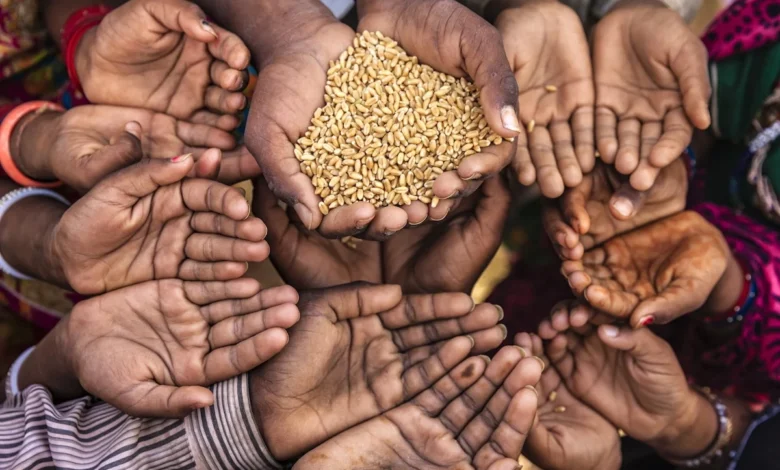
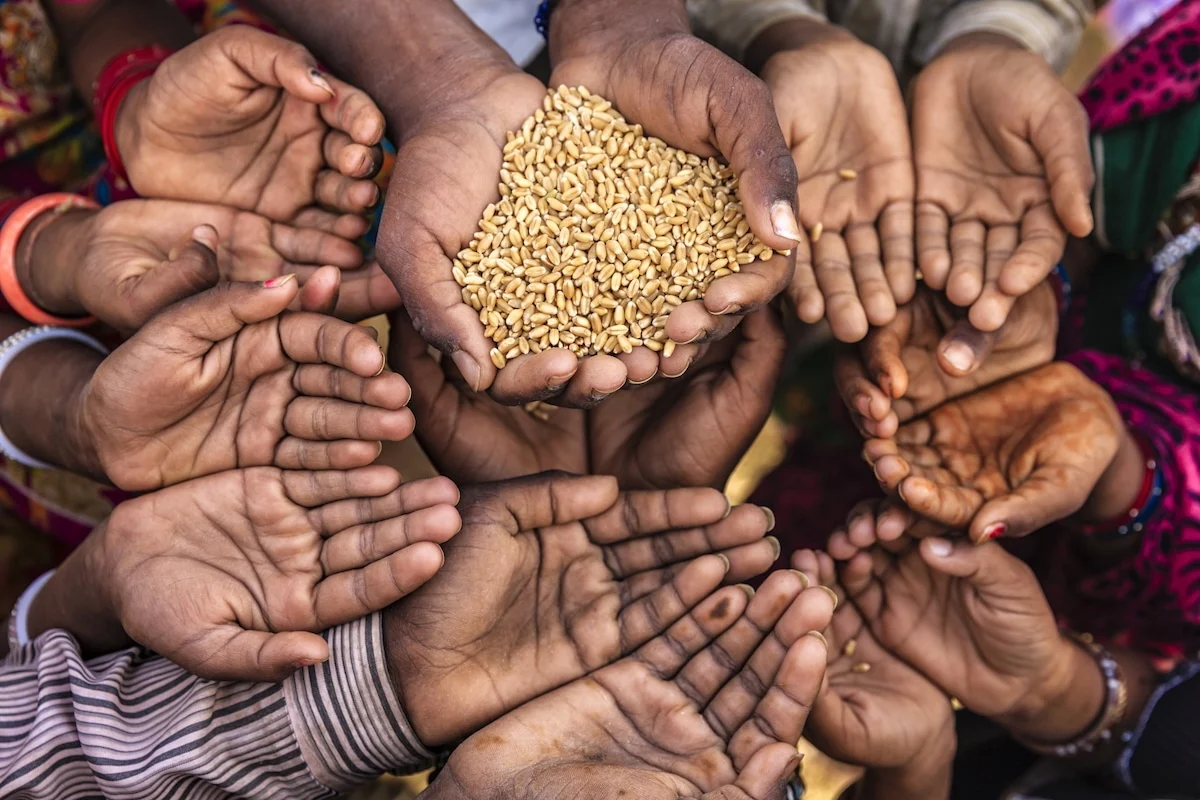
The landscape of global food security remains a study in stark contrasts, as highlighted in the 2025 edition of The State of Food Security and Nutrition in the World (SOFI) report. While aggregate global statistics suggest a modest recovery from the volatility of the early 2020s, the data reveals a deepening crisis in specific geographic corridors. Published by five specialized United Nations agencies—the Food and Agriculture Organization (FAO), the International Fund for Agricultural Development (IFAD), the World Food Programme (WFP), UNICEF, and the World Health Organization (WHO)—the report quantifies the precarious state of nutrition for millions, emphasizing that the goal of eradicating hunger by 2030 remains dangerously out of reach.
In 2024, approximately 673 million people worldwide experienced hunger, representing 8.2 percent of the global population. This figure reflects a slight improvement from 8.5 percent in 2023 and 8.7 percent in 2022. However, these global averages mask a troubling reality: in Africa and western Asia, hunger is not only persistent but is actively trending upward, exacerbated by prolonged conflict, extreme climate events, and economic instability.
A Chronology of Global Food Volatility
The current state of global nutrition is rooted in a series of compounding shocks that began in 2020. The COVID-19 pandemic served as the initial catalyst, disrupting supply chains and triggering aggressive policy responses that contributed to inflationary pressures. As the world attempted to recover, the onset of the war in Ukraine in 2022 sent shockwaves through global grain and fertilizer markets, disproportionately impacting import-dependent nations.
By 2021, food price inflation began to accelerate, moving from a median of 2.3 percent in December 2020 to a staggering 13.6 percent by early 2023. Low-income countries bore the brunt of this surge; in these regions, food price inflation peaked at 30 percent in May 2023. The year 2024 served as a period of stabilization for some, yet for the world’s most vulnerable, the damage to local economies and household purchasing power remains entrenched.
Regional Disparities and Data Analysis
The SOFI 2025 report breaks down the global hunger crisis into distinct regional outcomes. Asia, home to the largest share of the world’s undernourished population, saw a decrease in hunger rates, with undernourishment falling to 6.7 percent in 2024 from 7.9 percent in 2022. Latin America and the Caribbean similarly experienced a positive trajectory, with undernourishment falling to 5.1 percent, a significant recovery from the 2020 pandemic-era peak of 6.1 percent.
Conversely, Africa presents the most alarming data. The proportion of the population facing hunger on the continent has surpassed 20 percent, affecting roughly 307 million people. Western Asia mirrors this distress, with an estimated 12.7 percent of its population—more than 39 million people—facing chronic hunger.
Perhaps more indicative of the systemic nature of the crisis is the inability of households to afford a healthy diet. Globally, 2.6 billion people could not afford a nutritious diet in 2024, a slight improvement from 2.76 billion in 2019. However, the trend in low-income countries is moving in the opposite direction. In these nations, the number of individuals unable to afford healthy food rose from 464 million in 2019 to 545 million in 2024. In lower-middle-income nations (excluding India), that figure jumped from 791 million to 869 million, signaling that even in areas where basic caloric needs might be met, the quality of nutrition is rapidly deteriorating.

Official Responses and Institutional Perspectives
The leadership of the five UN agencies involved in the report has been clear: the current pace of progress is insufficient. FAO Director-General QU Dongyu noted that while the decrease in the global hunger rate is encouraging, the progress is "uneven." He emphasized the necessity of collaborative and innovative partnerships between governments, private organizations, and local communities to tailor solutions to specific regional vulnerabilities.
Dr. Tedros Adhanom Ghebreyesus, Director-General of the WHO, highlighted the burden of malnutrition, specifically referencing the progress made in reducing stunting and supporting exclusive breastfeeding. However, he warned that millions remain trapped in cycles of food insecurity that hinder long-term human capital development.
UNICEF Executive Director Catherine Russell focused on the long-term impact on the next generation. "Over 190 million children under the age of 5 are affected by undernutrition," she stated. "This robs them of the chance to live to their fullest potential." Her call to action focuses on strengthening social protection programs and educating parents on the importance of locally produced nutritious food and early childhood nutrition.
IFAD President Alvaro Lario underscored the economic imperative for intervention, stating, "In times of rising food prices and disrupted global value chains, we must step up our investments in rural and agricultural transformation." Lario argued that these investments are not merely humanitarian necessities but are "critical for global stability."
Policy Implications and the Path Forward
The SOFI 2025 report does not merely chronicle failure; it provides a roadmap for policy correction. The agencies suggest a three-pronged approach to mitigate the impacts of food price inflation:
- Monetary Stability: Governments must implement transparent and credible monetary policies to contain inflationary pressures that drive up the cost of basic goods.
- Targeted Fiscal Measures: To shield the most vulnerable, states should implement time-bound, targeted social protection programs that prevent households from falling into deep food insecurity during price spikes.
- Investment in Resilient Infrastructure: There is an urgent need for strategic investment in agrifood research and development, market information systems, and rural transportation. By improving infrastructure, nations can boost local productivity and reduce the reliance on volatile global supply chains.
Broader Implications: The 2030 Horizon
The long-term outlook remains sobering. Current projections estimate that 512 million people will experience chronic undernourishment by 2030, with nearly 60 percent of that population located in Africa. This forecast suggests that the Sustainable Development Goal (SDG) of "Zero Hunger" is currently failing to materialize.
The structural causes of this failure are multifaceted. Climate change continues to disrupt agricultural yields, with extreme weather events becoming more frequent and severe. Conflict, as seen in Ukraine and parts of Africa, continues to displace populations and destroy agricultural infrastructure. Furthermore, the debt burdens carried by many low-income nations limit their fiscal space to invest in the very agricultural transformations required to ensure long-term food sovereignty.
Ultimately, the 2025 report serves as an urgent reminder that food security is a baseline requirement for economic and political stability. As the global population continues to grow, the pressure on food systems will only intensify. The shift from a reactive, crisis-management approach to a proactive, investment-led strategy is now the primary challenge for the international community. Without a massive scaling of resources and a fundamental rethinking of how food is produced, transported, and subsidized, the gap between the affluent and the hungry will continue to widen, posing a persistent threat to global development and human rights.
Related posts: