Silent Crisis: How Marine Heat Waves are Driving Alarming Spikes in Global Child Mortality and Malnutrition

In the complex tapestry of global climate change, the health of our oceans has long been viewed through the lens of ecological stability—coral bleaching, shifting fish stocks, and rising sea levels. However, a landmark study published this month in the Proceedings of the National Academy of Sciences has unveiled a more harrowing dimension to the crisis: a direct, statistically significant correlation between marine heat waves and the deterioration of child health in low- and middle-income nations. While scientists have long documented the atmospheric toll of global warming, this research marks a pioneering effort to quantify the downstream consequences of underwater thermal anomalies on human development.
The research, led by Clark Gray, a human geographer and professor at the University of North Carolina at Chapel Hill, began in 2024 with a degree of academic skepticism. Gray and his interdisciplinary team of social and marine scientists set out to test a hypothesis that, while theoretically sound, lacked empirical validation. “I was very ready to find nothing,” Gray admitted, reflecting on the initial phase of the study. Instead, the data revealed a disturbing trend: as the frequency and intensity of marine heat waves—prolonged periods of anomalously high ocean temperatures—have escalated due to anthropogenic climate change, the health outcomes for children in vulnerable coastal populations have plummeted.
Quantifying the Human Cost
The findings of the study are stark. For every standard deviation increase in the frequency of marine heat waves over a 24-month rolling period—a metric equivalent to approximately three additional heat events above the historical baseline—child mortality rates rise by 5.4 percent. The physiological toll extends beyond mortality, manifesting in chronic developmental issues. The study documented a 6.5 percent increase in child wasting and an 8.8 percent increase in child stunting.
These indicators are clinical markers of severe malnutrition. Wasting, or low weight-for-height, is a sign of acute, recent food deprivation, while stunting, or low height-for-age, indicates chronic, long-term nutritional deficits. The fact that these metrics correlate so tightly with fluctuations in ocean temperatures suggests that marine ecosystems are not merely environmental variables, but fundamental pillars of human food security.
The Mechanism of Disruption
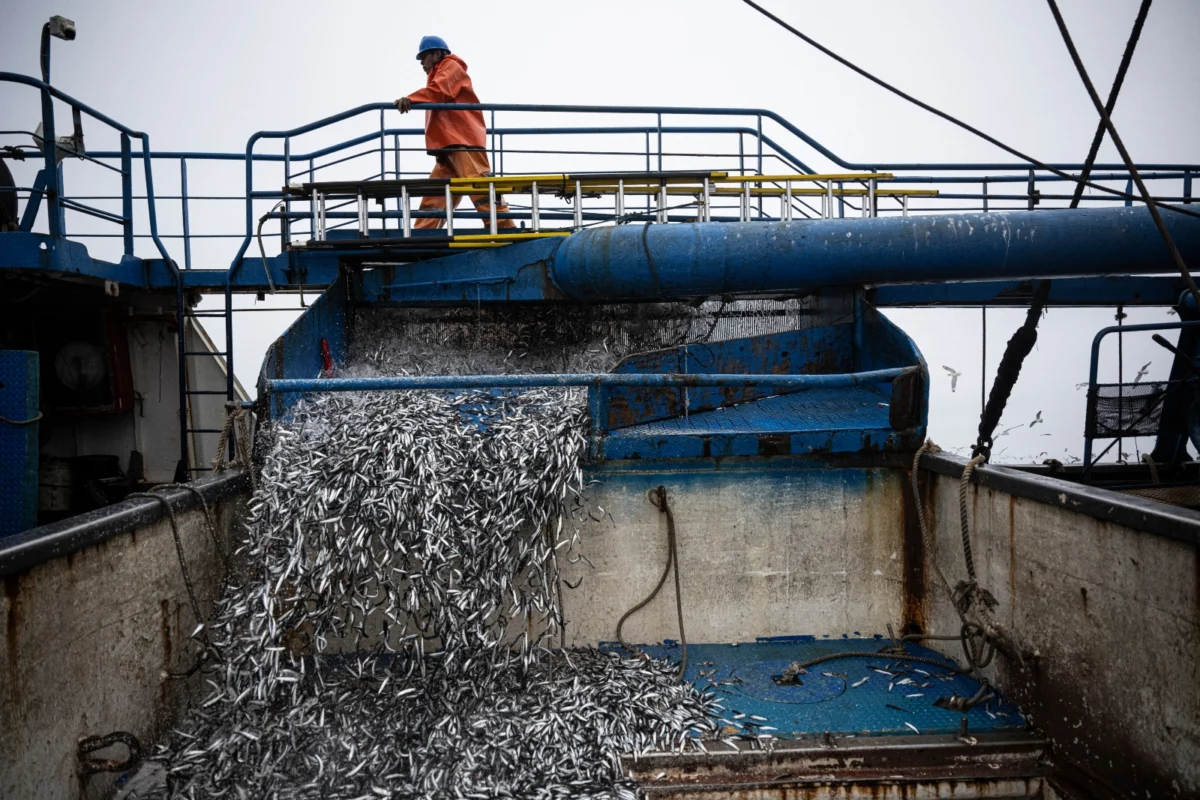
The mechanisms through which oceanic warming translates into childhood malnutrition remain a subject of intense investigation. Marine heat waves are complex, three-dimensional phenomena that disrupt the delicate thermal stratification of the water column. When these events occur, they can trigger a cascade of ecological failures. Primary productivity—the foundation of the marine food web—can collapse as nutrient-rich, cold water is prevented from reaching the surface. This, in turn, can lead to the mass mortality of fish and shellfish populations, which serve as essential protein sources for billions of people.
However, the researchers caution against a singular causal explanation. While the collapse of local fisheries is a primary suspect, the indirect pathways are equally significant. Katy Seto, an associate professor of environmental studies at the University of California, Santa Cruz, highlights that the economic fallout may be as damaging as the physical loss of fish. In many coastal regions, small-scale fishing is the primary driver of the local economy. When catches decline, household income evaporates, leaving families unable to afford nutritious food, even if it is available at the market. Furthermore, marine heat waves are increasingly linked to terrestrial weather patterns, including intensified droughts and heatwaves that can destroy land-based crops, compounding the nutritional stress on vulnerable populations.
Chronology of a Warming Ocean
The emergence of this health crisis is rooted in the accelerating trajectory of global ocean temperatures. Since the mid-20th century, the world’s oceans have absorbed more than 90 percent of the excess heat trapped by greenhouse gas emissions. This heat storage has acted as a buffer for the atmosphere, but that buffer is reaching a breaking point.

- 1980s–2000s: Marine heat waves were infrequent, isolated events, often localized to specific currents or basins.
- 2014–2016: The appearance of "The Blob," a massive, persistent marine heat wave in the North Pacific, served as a global wake-up call, demonstrating how such events could reorganize ecosystems for years.
- 2020–2023: Ocean temperatures reached record highs consecutively, with 2023 marking the hottest year on record for the global ocean surface, leading to widespread, simultaneous heat waves across multiple ocean basins.
- 2024: The publication of the Gray et al. study formally links these climatic events to human mortality statistics for the first time, shifting the narrative from ecological loss to a public health emergency.
The Vulnerability Gap: Small-Scale vs. Industrial Fishing
A critical component of the study was the segmentation of data based on a nation’s reliance on small-scale fishing. The findings were distinct: the negative health impacts were disproportionately concentrated in regions where small-scale, artisanal fishing is a way of life. This creates a "vulnerability gap."
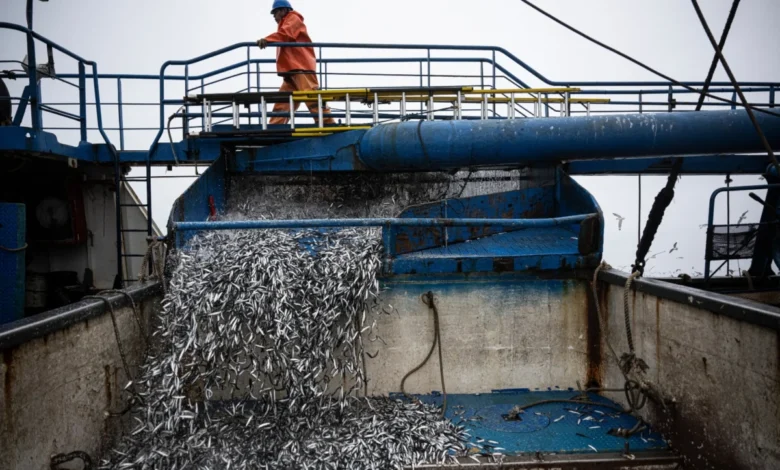
Industrial fishing operations often possess the capital and technological capacity to mitigate the impacts of warming. If a fishery fails in one sector, large-scale commercial fleets can pivot, moving to deeper waters or different latitudes to locate viable stocks. They are protected by cold-chain logistics, global supply chains, and the ability to source protein from distant markets. Conversely, small-scale fishers are geographically and economically tethered to their local environment. When the local reef or coastal zone warms, they lack the mobility to adapt, and their communities lack the economic buffers to withstand the resulting loss of food and income.
Implications for Global Policy
The study does not claim to definitively prove that marine heat waves are the sole driver of these health outcomes, but rather that they are a significant, previously overlooked contributor. The authors note that other variables—such as the regional spread of vector-borne diseases like malaria or dengue, which often thrive in warmer, wetter conditions—must also be considered in the broader analysis of climate-induced health crises.
Katy Seto emphasizes that while the study is a "first pass" at identifying the problem, it provides a vital foundation for future intervention. "It is definitely like a first pass at understanding for whom this could be a big problem and what the solutions might be," she said. Policymakers and international development organizations now have a new variable to consider when mapping food security risks. If a region is predicted to experience frequent marine heat waves, that area should be prioritized for humanitarian aid, nutritional supplementation, and the development of more resilient local food systems.
A Persistent Pattern of Negative Outcomes
The research arrives at a time when the broader relationship between global warming and human health is being increasingly scrutinized. Clark Gray’s previous work in the social impacts of climate change has painted a consistent, grim picture. "I’ve been doing research on the social impact of climate for a while, and I’m continuously surprised by how consistently negative the warming effect on health is," Gray noted. "It really shows up pretty much everywhere on every outcome."
The study concludes with a sobering outlook. As global temperatures continue to climb, marine heat waves are projected to become more frequent, more intense, and longer-lasting. We are, in effect, entering an era of "oceanic climate shocks." The challenge for the global community is no longer just about preserving the health of marine biodiversity; it is about protecting the fundamental human right to nutrition for the millions of people whose existence is inextricably linked to the pulse of the sea.
Moving forward, the scientific community is calling for more granular data. By combining satellite imagery of ocean temperatures with localized, long-term health surveys, researchers hope to better pinpoint exactly which species of fish are disappearing and how specific, community-led interventions can stabilize food security in the face of an unpredictable, warming ocean. For now, the message from the research is clear: the ocean is changing, and the most vulnerable children on the planet are paying the price.