Big Oil Faces New Legal Frontier as Washington State Wrongful Death Lawsuit Proceeds to Trial

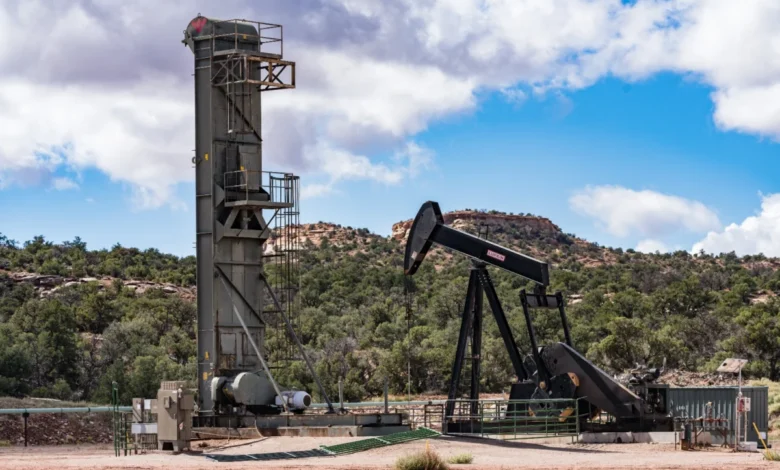
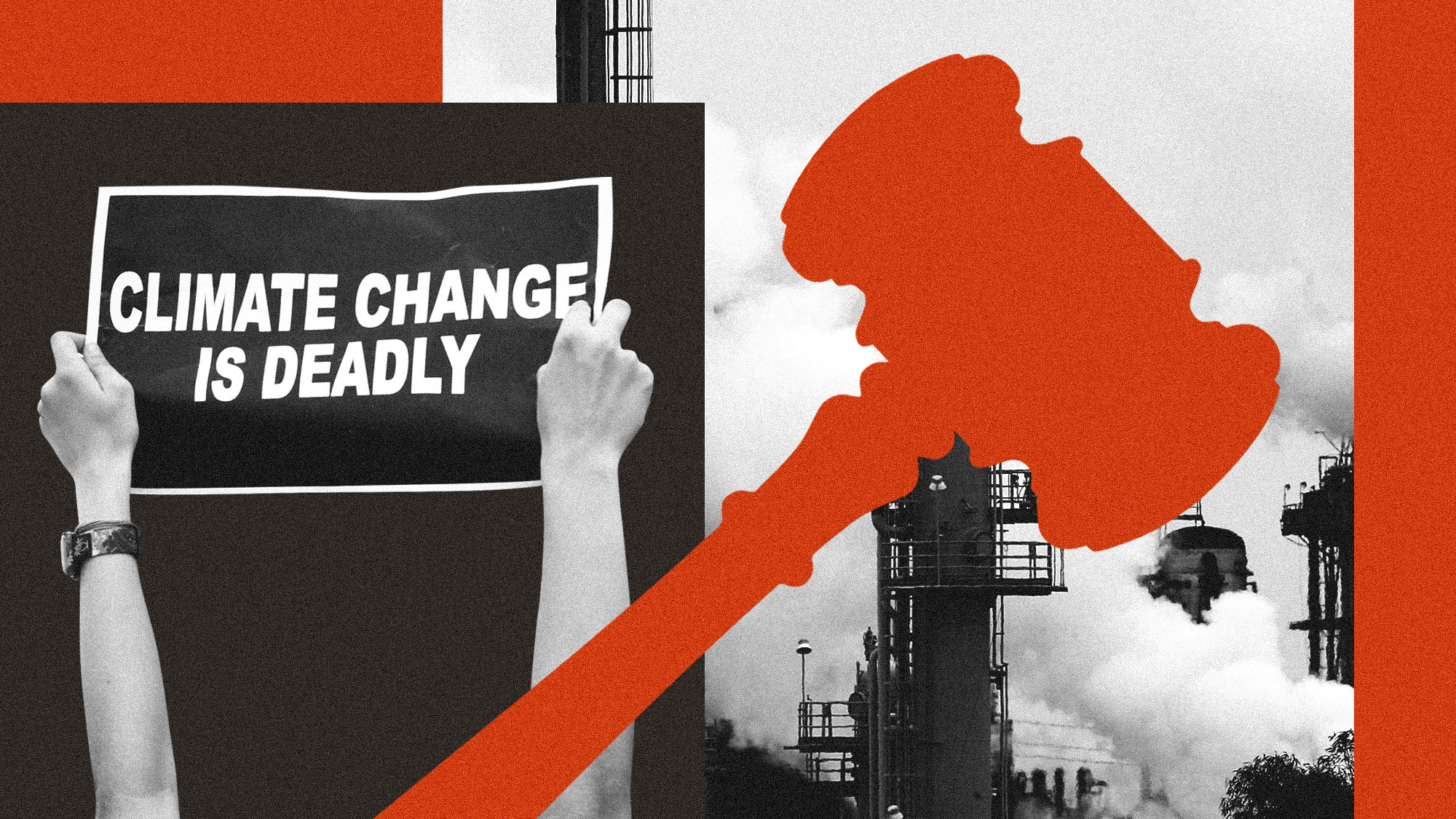
The legal landscape surrounding climate change shifted significantly this month as a Washington state judge cleared the way for a first-of-its-kind wrongful death lawsuit against the world’s largest fossil fuel corporations. The case, brought by Misti Leon following the death of her mother during the historic 2021 Pacific Northwest heat dome, represents a novel application of tort law that seeks to hold the energy industry directly accountable for individual loss of life. By denying motions to dismiss from Exxon Mobil, BP, Chevron, and Shell, the King County Superior Court has signaled that the theory of "climate-driven wrongful death" possesses sufficient legal merit to proceed toward a jury trial.
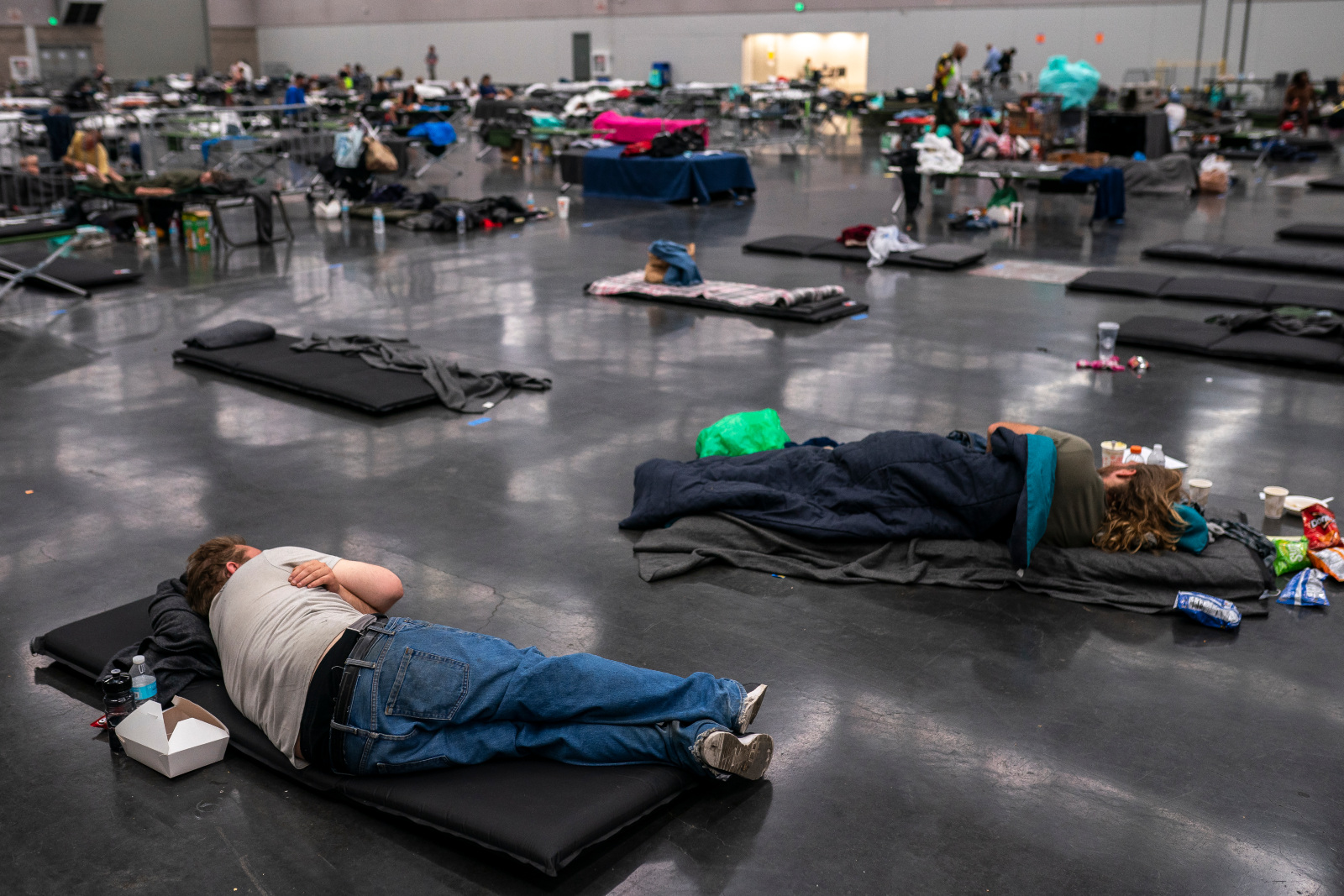
This ruling arrives at a pivotal moment in the broader climate litigation movement. For years, municipalities and states have sued oil majors to recover the costs of infrastructure damage caused by rising sea levels and wildfires. However, the Leon case personalizes the stakes, moving the argument from fiscal damages to human mortality. As temperatures in Washington reached a staggering 108 degrees Fahrenheit in June 2021—a level scientists categorized as "virtually impossible" without the influence of anthropogenic climate change—the resulting heatwave claimed an estimated 1,200 lives across the region. The Leon lawsuit alleges that these deaths were not merely natural disasters but the foreseeable consequences of a decades-long campaign of public deception regarding the dangers of fossil fuel emissions.
The 2021 Heat Dome: A Chronology of a Climate Catastrophe
To understand the weight of the current litigation, one must examine the atmospheric event that precipitated it. In late June 2021, a high-pressure ridge of unprecedented intensity settled over British Columbia, Washington, and Oregon. This "heat dome" acted like a lid on a pot, trapping hot air and amplifying temperatures to levels that shattered previous records by double digits in some locations.
The timeline of the event and its subsequent legal fallout illustrates the rapid escalation of climate-related grievances:
- June 26–29, 2021: Temperatures across the Pacific Northwest surge. Seattle hits 108°F, while Lytton, British Columbia, reaches a national record of 121°F before being destroyed by a wildfire.
- July 2021: Initial scientific "attribution" studies are released, concluding that the event was 150 times more likely to occur due to global warming.
- 2023: Misti Leon files her wrongful death suit in King County, Washington, targeting Exxon Mobil, BP, Chevron, and Shell.
- May 2025: High-profile reports from the National Academies of Sciences further solidify the link between specific emissions and extreme weather events.
- July 2026: A King County judge denies the oil companies’ motions to dismiss, moving the case into the discovery phase.
The plaintiff’s core argument rests on the "Exxon Knew" narrative—the assertion, backed by internal documents unearthed by investigative journalists and historians, that fossil fuel companies understood the catastrophic potential of global warming as early as the 1970s. The lawsuit contends that instead of pivoting toward renewable energy or warning the public, these companies funded sophisticated disinformation campaigns to delay regulation, directly leading to the extreme conditions that caused Leon’s mother to perish from overheating.
The Rise of Attribution Science and Legal Liability
Central to the success of the Leon case and others like it is the rapidly maturing field of "attribution science." This branch of meteorology uses complex computer modeling to compare the likelihood of specific weather events in a world with human-caused greenhouse gases versus a hypothetical world without them.
According to Mike Meno, communications director at the Center for Climate Integrity, the oil industry is "absolutely terrified" of this scientific evolution. For decades, the industry successfully argued that no single weather event could be blamed on global warming. Attribution science has dismantled that defense. A recent report from the National Academies of Sciences, Engineering, and Medicine confirmed that the science linking climate change to extreme heat and heavy precipitation is now "robust."
This scientific certainty has emboldened plaintiffs in nearly 40 pending cases across the United States. While many early cases were bogged down in jurisdictional disputes—with oil companies fighting to move cases from state courts to more industry-friendly federal courts—the tide has turned. At least five major lawsuits, including those from Massachusetts, Vermont, Connecticut, the District of Columbia, and Honolulu, have reached the discovery phase. In this stage, plaintiffs gain the power to subpoena internal corporate communications, potentially revealing "smoking gun" evidence of what executives knew and when they knew it.
The Industry Counter-Offensive: Immunity and Liability Shields
Faced with a mounting "Big Tobacco" moment, the fossil fuel industry has launched a multi-pronged counter-offensive involving legislative lobbying and federal intervention. The American Petroleum Institute (API), the industry’s primary lobbying arm, has explicitly identified the cessation of "extreme climate liability policy" as a top priority for 2026.
This strategy has manifested in the passage of "liability shield" laws in several Republican-led states. These laws are designed to grant fossil fuel companies immunity from lawsuits related to greenhouse gas emissions. Recent legislative actions include:
- Utah and Iowa: Passed laws shielding energy companies from climate-related litigation.
- Tennessee, Oklahoma, and Louisiana: Enacted protections against lawsuits targeting the production and marketing of fossil fuels.
- Montana: Narrowly redefined "public nuisance" laws to prevent them from being used as a basis for climate damage recovery.
An investigation by ProPublica has linked these legislative efforts to a coordinated campaign by conservative groups, including the American Legislative Exchange Council (ALEC) and the American Tort Reform Association (ATRA). These organizations, often funded by entities like Koch Industries and Exxon, provide "model legislation" to state lawmakers, ensuring that the legal defenses for Big Oil are uniform across jurisdictions.
On the federal level, the industry has found a powerful ally in the executive branch. Following an executive order from President Donald Trump aimed at protecting "American energy dominance," the Department of Justice has taken the unprecedented step of suing states like Minnesota to block their climate accountability efforts. The federal argument suggests that greenhouse gas regulation is the exclusive domain of federal law and international treaties, rather than state-level torts.
Broader Implications: A Turning Point for Corporate Accountability
The outcome of the Leon case and the impending Supreme Court review of a similar lawsuit from Boulder, Colorado, will likely dictate the future of corporate liability in the 21st century. If a jury in Washington state finds that an oil company can be held responsible for a wrongful death caused by a heatwave, it would set a precedent that could expose the industry to trillions of dollars in potential claims.
The parallels to the Master Settlement Agreement of 1998, in which the tobacco industry agreed to pay $206 billion to settle health-related claims, are striking. Like the tobacco companies before them, oil majors are accused of selling a product they knew to be dangerous while actively deceiving the public about those risks.
However, the fossil fuel industry maintains that it provides a legal and essential product that underpins the global economy. Justin Anderson, a lawyer for Exxon, noted during a Federalist Society panel that the industry’s legal strategy is one of total defense. "I have to win every time," Anderson remarked. "They just need to find one [case] they can get through."
As the Leon case moves toward trial, the focus will remain on the intersection of human rights, environmental science, and corporate ethics. For the families of the 1,200 people who died in the 2021 heat dome, the lawsuit is more than a legal maneuver; it is a quest for acknowledgment. For the oil industry, it is an existential threat to a business model that has dominated the global economy for over a century.
The coming months will see intense legal maneuvering as both sides prepare for discovery. With the National Academies of Sciences under increased political scrutiny and the Department of Justice actively intervening on behalf of energy companies, the battle over climate liability has moved beyond the courtroom and into the heart of the American political and scientific establishment. Whether the law views the 2021 heat dome as an "act of God" or an "act of industry" remains the defining question of this landmark litigation.