Who Is The Highest Paid Caddie

The Unseen Hand: Unmasking the Highest-Paid Caddies in Professional Golf
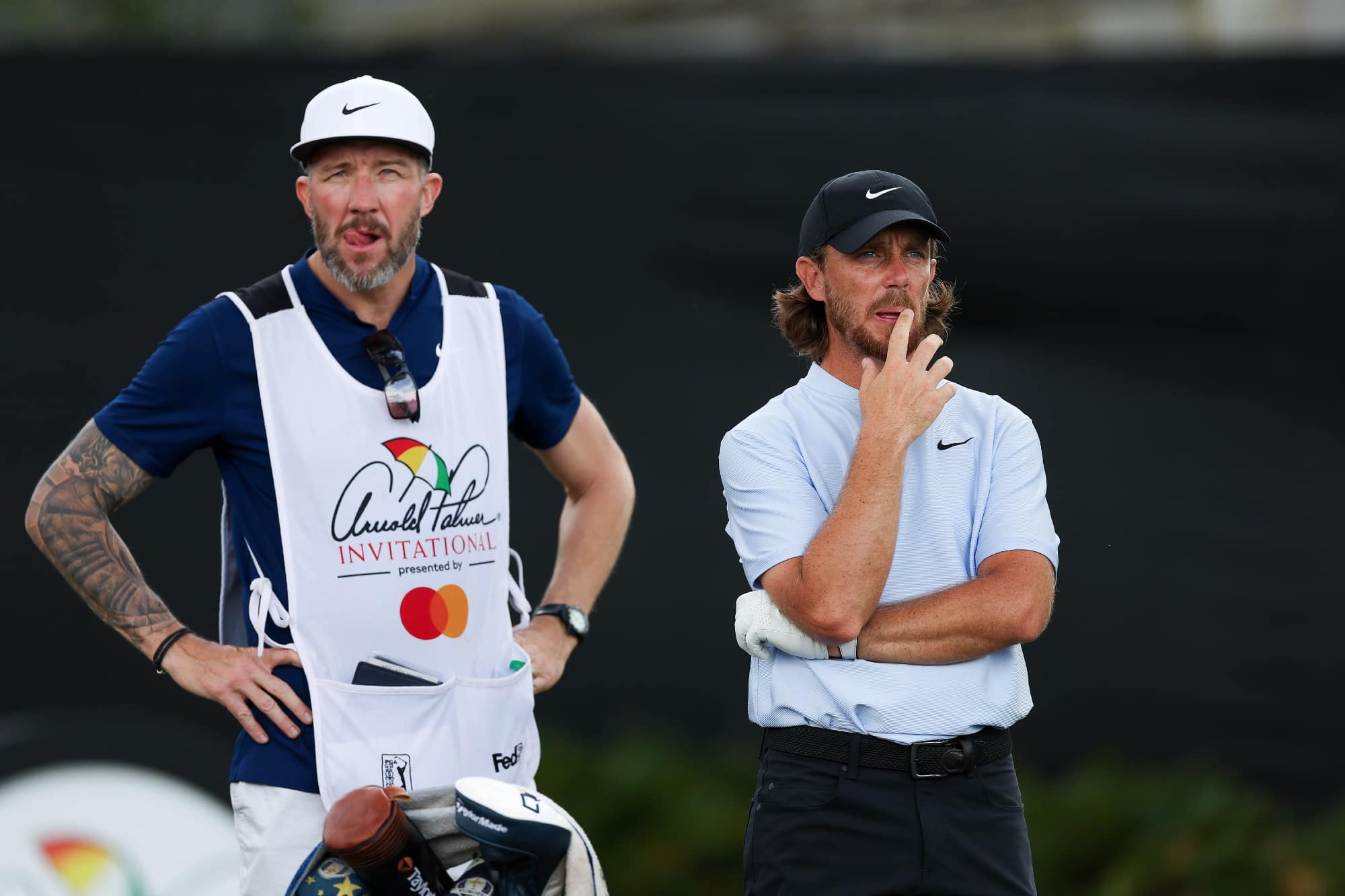
The glittering world of professional golf often shines a spotlight on its star players, their prodigious talent, and their multi-million dollar endorsements. Yet, behind every successful golfer stands a steadfast companion, a silent strategist, and a crucial member of the team: the caddie. While the players rake in tournament winnings and advertising deals, the earnings of their caddies, though often less publicized, can be remarkably substantial, particularly for those who partner with golf’s elite. Identifying the absolute "highest-paid caddie" at any given moment is a complex endeavor, as their income is a dynamic blend of a base salary, a percentage of tournament winnings (typically around 5-10%), and often a share of performance bonuses and endorsement deals secured through their player. However, by analyzing historical trends, reported figures, and the consistent success of top-tier players, a select group of caddies emerges as the likely contenders for this coveted, albeit unofficial, title.
The primary driver of a caddie’s income is their player’s on-course performance. The more tournaments won, the higher the finishes, and the larger the prize money, the greater the caddie’s cut. This direct correlation makes the caddies of perennial champions and major winners the most financially rewarded. For instance, the long-standing partnership between Tiger Woods and Steve Williams yielded astronomical earnings for Williams during their most dominant years. While precise figures are never officially disclosed, it’s widely estimated that Williams, during his tenure with Woods, earned tens of millions of dollars. This was not solely due to a generous percentage but also because Woods’ unparalleled success meant those percentages were applied to colossal sums of prize money, coupled with likely bonus structures and potentially even a stake in some of Woods’ business ventures. The sheer volume of Woods’ victories and high finishes during their partnership placed Williams in a financial stratosphere far beyond that of most caddies.
Similarly, the caddie of a player like Rory McIlroy, who has consistently been among the top earners in golf for over a decade, would also command a significant income. McIlroy’s multiple major championships and frequent PGA Tour victories translate into substantial prize money payouts. His caddie, Harry Diamond, has been a constant presence by his side, benefiting directly from McIlroy’s consistent excellence. While Diamond’s earnings won’t reach the legendary figures attributed to Williams during Woods’ peak, they are undoubtedly in the multi-million dollar range annually, depending on McIlroy’s performance in any given season. The calculation is straightforward: a player winning upwards of $10 million in prize money in a year, with a caddie receiving an 8% cut, immediately generates $800,000 for the caddie. When you factor in a base salary that can range from $50,000 to $150,000 or more for established caddies, plus potential bonuses for major wins or year-end awards, the annual income can easily surpass $1 million.
Beyond the obvious stars, other caddies who have been instrumental in the careers of consistently strong performers also earn exceptionally well. For example, Jim Mackay, who caddied for Phil Mickelson for over two decades, accumulated a substantial fortune through their numerous victories, including multiple major championships. Mackay’s intimate knowledge of Mickelson’s game, his strategic input, and his steady demeanor were invaluable to Mickelson’s success. The longevity and consistency of their partnership meant Mackay was a consistent recipient of significant income over a prolonged period. While not as explosively high as the peak years with Woods, the steady stream of earnings over 25 years would have placed Mackay among the highest-paid caddies of all time.
The dynamics of caddie earnings also extend to the strategic partnerships formed between caddies and players who may not be the absolute number one but are consistently in contention for major championships. A player like Justin Thomas, for instance, has enjoyed significant success on the PGA Tour, including a major championship. His caddie, Jimmy Johnson, has been a constant at his side, sharing in the victories and high finishes. Johnson, like many caddies for top-10 players, can expect to earn a comfortable six-figure salary annually, with significant bonuses tied to tournament wins and overall player performance. The landscape of professional golf means that even a player who isn’t a consistent world-beater but is frequently in the mix for $1 million+ prize pools can generate substantial income for their caddie.
The role of the caddie has evolved significantly from simply carrying clubs. Modern caddies are highly skilled professionals who provide a comprehensive service. They are course strategists, reading greens, advising on club selection, wind conditions, and shot trajectories. They are also psychologists, offering encouragement and maintaining focus for their player. Furthermore, they are often responsible for managing equipment, logistics, and even finances to some extent. This expanded role justifies higher base salaries and performance-based incentives. A player who trusts their caddie implicitly, viewing them as an indispensable extension of their own game, is more likely to negotiate lucrative contracts and reward their caddie generously.
The emergence of lucrative endorsement deals for players also indirectly benefits their caddies. While caddies themselves might not secure individual endorsement deals comparable to players, some players share a portion of their endorsement income with their long-time, trusted caddies. This is often seen as a form of loyalty bonus or profit-sharing, further cementing the financial rewards for those who have been integral to a player’s success. For instance, if a player signs a multi-million dollar endorsement deal, and their caddie has been with them through thick and thin, it’s not uncommon for the player to share a small percentage of that deal, contributing to the caddie’s overall financial well-being.
The competitive nature of the caddie profession also plays a role. The pool of highly skilled and experienced caddies is relatively small, and the demand from top players is consistently high. This scarcity, coupled with the high stakes of professional golf, drives up compensation. A top caddie with a proven track record can often "shop around" for the best player and the most lucrative arrangement. This competition among players to secure the best caddies also contributes to their elevated earnings. A player who wants the best for their game understands that investing in a top-tier caddie is an investment in their own success.
While specific figures are elusive due to non-disclosure agreements and the fluctuating nature of earnings, we can infer the general income brackets. For a caddie of a top-20 player on the PGA Tour, annual earnings can range from $300,000 to $700,000, depending on the player’s consistency and tournament wins. For caddies of players consistently ranked in the top 10, or those who have won major championships, the annual income can easily exceed $1 million, with some potentially reaching several million dollars in exceptional years. Steve Williams’ estimated earnings during his most successful periods with Tiger Woods are often cited as potentially exceeding $10 million over the course of their partnership, placing him in a category of his own, an outlier due to the unprecedented dominance of his player.
In conclusion, the highest-paid caddies in professional golf are those who are partnered with the game’s most successful and consistent performers. Their income is a direct reflection of their player’s prize money, with a significant percentage going to the caddie. Beyond that, base salaries, performance bonuses, and even a share of endorsement deals contribute to their substantial earnings. While naming a single "highest-paid caddie" definitively is challenging due to the proprietary nature of these financial arrangements, individuals like Steve Williams during his tenure with Tiger Woods, and current caddies for players like Rory McIlroy and Justin Thomas, represent the pinnacle of caddie compensation in the sport. Their dedication, expertise, and strategic acumen are undeniably valuable assets, translating into financial rewards that reflect their crucial role in the pursuit of golfing glory. The unseen hand behind the champion often holds a very well-compensated glove.