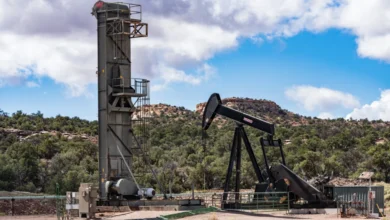
Gorilla Habitats and Pristine Forest at Risk as the Democratic Republic of the Congo Opens Half of the Country to Oil and Gas Drilling Bids

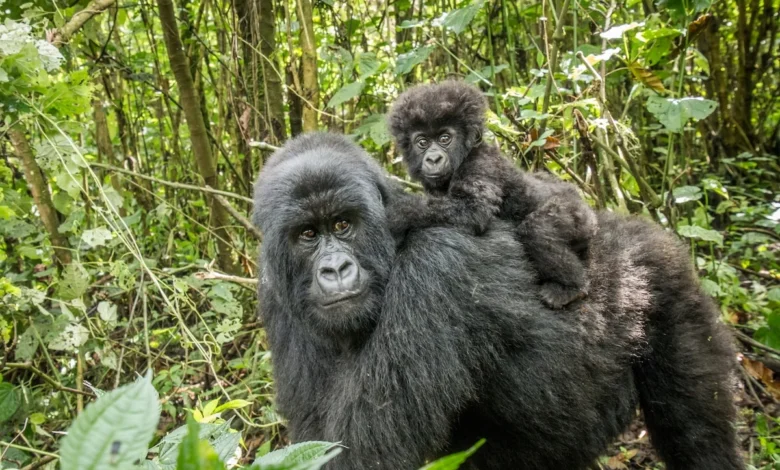
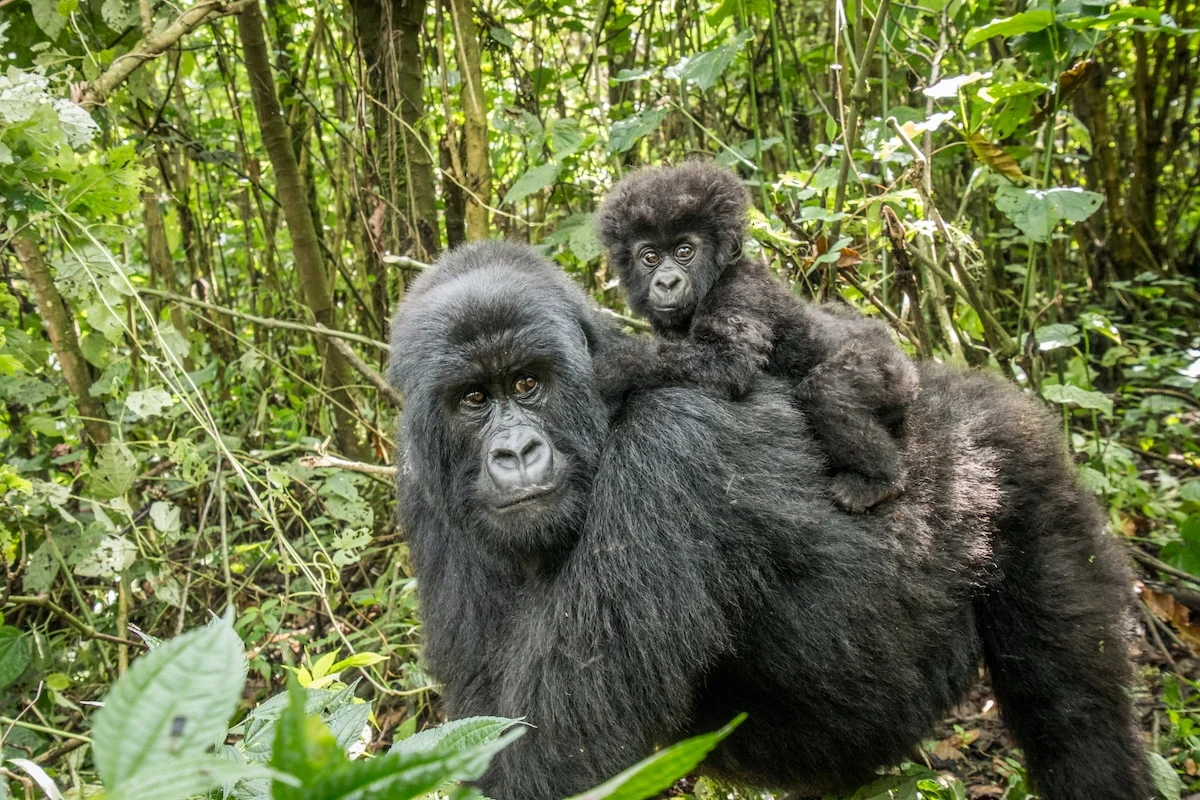
The Democratic Republic of the Congo (DRC), a nation that serves as a critical pillar of global climate stability, has moved forward with an aggressive expansion of its fossil fuel sector, opening over 50 percent of its landmass to oil and gas exploration. This policy shift, characterized by the government as a necessary path toward economic development, has triggered alarms among international conservationists, climate scientists, and local civil society groups. The decision to auction off 52 new oil blocks—on top of three previously awarded concessions—threatens some of the planet’s most vital ecosystems, including the Cuvette Centrale peatlands and the dense rainforests that serve as essential habitats for endangered species such as the mountain gorilla, the eastern lowland gorilla, and the bonobo.
A Chronology of Escalating Resource Extraction
The current crisis follows a trajectory of accelerating industrial interest in the Congo Basin. In 2022, the government of the DRC launched an initial, highly controversial auction for 30 oil and gas blocks. At the time, the proposal was met with significant resistance because many of these blocks overlapped directly with protected national parks and designated biodiversity hotspots.
Despite this opposition, the government maintained that the exploitation of hydrocarbon reserves was essential for the country’s economic sovereignty and poverty alleviation efforts. By 2025, the scope of these ambitions expanded significantly. According to the recent report titled Forests to Frontlines: Oil Expansion Threats in the DRC, published by Earth Insight in partnership with local organizations such as CORAP and Our Land Without Oil, the government is now seeking to auction off massive swaths of territory that had previously been considered off-limits. This expansion effectively places 64 percent of the country’s pristine forests under the shadow of industrial development, representing a major reversal of the conservation pledges the DRC has made in international forums.
The Ecological Significance of the Congo Basin
The Congo Basin is frequently referred to as the "second lung of the planet," trailing only the Amazon in size and ecological importance. Its role in the global climate system cannot be overstated. The region is home to the Cuvette Centrale, the largest tropical peatland complex in the world. This vast, waterlogged landscape stores approximately 30 gigatons of carbon—a quantity equivalent to several years of total global fossil fuel emissions. If this carbon were released due to industrial disturbance, drainage, or deforestation, the impact on global temperatures would be catastrophic, effectively nullifying international efforts to keep warming below the 1.5-degree Celsius threshold established by the Paris Agreement.
Beyond its carbon-sequestration capacity, the region is a biodiversity powerhouse. The forests support a unique mosaic of life, including millions of endemic plant species, birds, and large mammals. The presence of great apes—our closest biological relatives—serves as an indicator of the health of these ecosystems. By fragmenting these habitats with road networks, pipelines, and drilling rigs, the DRC government risks not only the extinction of vulnerable species but also the degradation of the ecosystem services—such as water purification and climate regulation—that millions of Congolese citizens rely upon daily.
Human Rights and Socio-Economic Implications
The narrative often pits "economic development" against "conservation," yet the reality on the ground is more nuanced. The areas slated for auction are not uninhabited wilderness. An estimated 39 million people live within these regions, many of whom are Indigenous or forest-dependent communities. For these populations, the tropical forests and river systems are not merely geographical features; they are the bedrock of cultural identity, traditional knowledge, and food security.
The displacement of these communities and the destruction of their ancestral lands could lead to a significant humanitarian crisis. As noted by Pascal Mirindi, the campaign coordinator for Notre Terre Sans Pétrole, there is a profound lack of coherence in government policy. While the state promotes the Kivu-Kinshasa ecological corridor as a model for sustainable development, it simultaneously undermines that very corridor by permitting drilling activities within its boundaries. Roughly 72 percent of the newly established Green Corridor now intersects with planned oil blocks, threatening to render the government’s own environmental goals obsolete.

Analysis of the Conflict: Development vs. Preservation
The DRC government justifies these auctions by citing the need for revenue to stabilize the economy and improve the standard of living for a population that continues to face severe poverty. Proponents of the drilling argue that the country has a sovereign right to exploit its natural resources. However, economic analysts often point to the "resource curse"—a phenomenon where nations rich in natural resources fail to see those benefits trickle down to the general population, instead suffering from increased corruption, conflict, and economic volatility.
Furthermore, international climate finance and carbon credit markets offer alternative pathways for the DRC. The global community has frequently pledged support for the protection of the Congo Basin, recognizing that the cost of preserving these forests is significantly lower than the global cost of losing them. The tension lies in the delivery of these funds and the transparency of governance. Critics of the current licensing round argue that if the government were to prioritize sustainable development, it would align its policies with global biodiversity commitments rather than entering into long-term fossil fuel contracts that lock the country into a carbon-intensive future.
Official Responses and International Pressure
The Earth Insight report serves as a formal challenge to the current licensing trajectory. By documenting the overlap between oil blocks and protected areas—specifically noting that 20.5 million acres of protected zones and 21.3 million acres of Key Biodiversity Areas are at risk—the report provides a factual basis for international advocacy.
International stakeholders, including donor nations and climate organizations, have expressed concern that the DRC’s actions contradict the commitments made at COP meetings and other global summits. The report from Earth Insight explicitly calls for the cancellation of the 2025 licensing round. It advocates for a transition toward development models that respect the rights of local communities, ensure transparency in decision-making, and uphold the ecological integrity of the Congo Basin.
Anna Bebbington, a research manager at Earth Insight, has highlighted the inherent danger in these projects, noting that the infrastructure required for oil and gas extraction—such as pipelines and access roads—inevitably leads to increased deforestation, poaching, and social disruption. Once a forest is opened to industrial activity, it is rarely, if ever, returned to its original, pristine state.
Conclusion: A Turning Point for the DRC
The Democratic Republic of the Congo stands at a critical juncture. The decision to pursue fossil fuel expansion in one of the world’s most sensitive ecological regions will have lasting consequences for both the local population and the global climate. As the government proceeds with its auctioning rounds, it faces increasing scrutiny from civil society groups who argue that the future of the nation should not be sold off to the highest bidder.
The path forward, according to environmental advocates, involves a fundamental shift in priorities. This includes:
- The immediate moratorium on new oil and gas licensing in sensitive forest and peatland areas.
- Enhanced transparency in the awarding of concessions, ensuring that local communities are active participants in any development decisions.
- Alignment of international financing with climate goals, providing tangible economic incentives for the preservation of the Congo Basin’s biodiversity and carbon stocks.
As the international community watches, the DRC’s choices will not only shape its own economic future but will also play a decisive role in the global effort to mitigate climate change. The preservation of the Congo Basin is not merely a regional concern; it is a global imperative that requires a balance between the sovereign rights of the state and the collective responsibility to protect the planet’s remaining life-sustaining ecosystems. The next few months, as the auctioning process continues, will reveal whether the government is willing to adjust its course or if it will proceed with a strategy that threatens the very environment upon which its people and the world depend.
Related posts: