Sen. Mitch McConnell Prepares for High-Stakes Senate Return Following Months-Long Health Absence

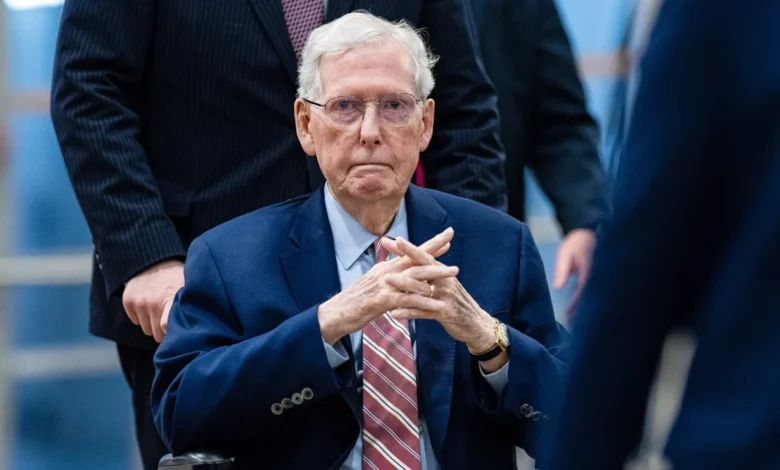
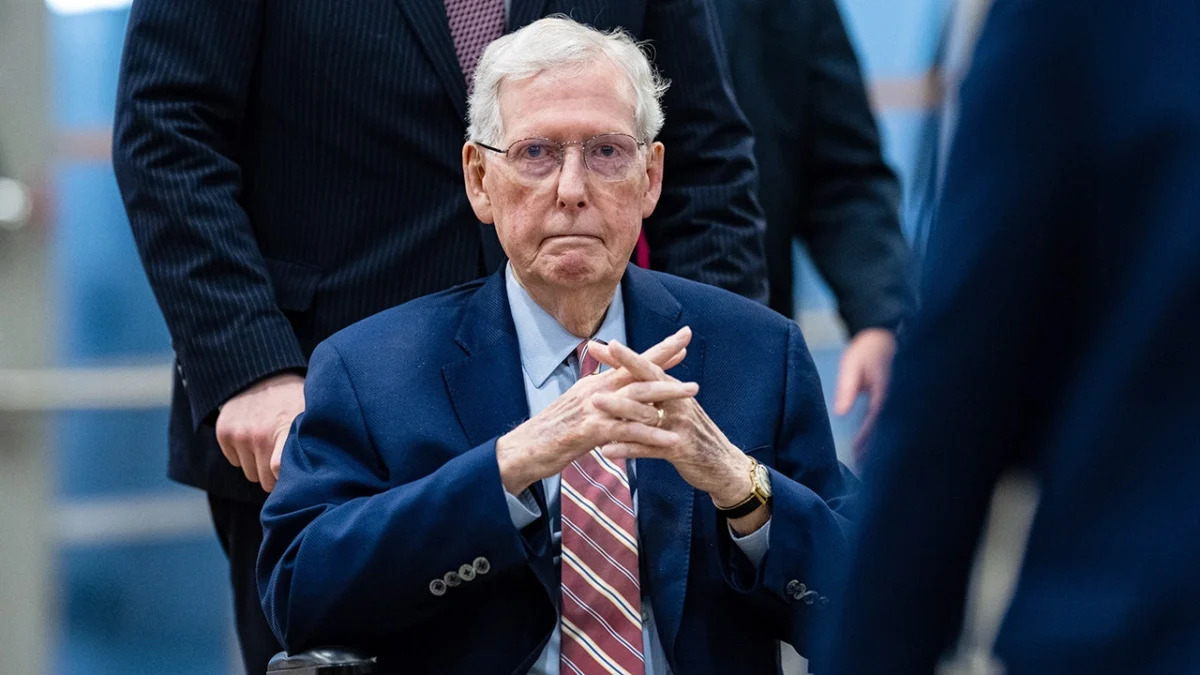
WASHINGTON — Senator Mitch McConnell, R-Ky., is slated to return to the United States Senate to cast his first legislative vote following a grueling months-long absence prompted by a severe fall at his Washington, D.C., home. The return of the longtime Republican lawmaker and former party leader marks a significant development for Capitol Hill, ending a period of intense speculation regarding his physical condition, future in public office, and the operational capacity of the Senate Republican Conference.
McConnell announced his impending return in a formal statement released on Monday, coinciding with the Senate’s reconvening after a month-long legislative recess. The milestone comes nearly nine months after the June incident that sidelined the 84-year-old senator from both floor votes and committee proceedings. As McConnell steps back onto the Senate floor, his presence provides a vital numerical boost for the Republican majority as they prepare to navigate contentious legislative battles, chief among them a stalled farm aid and funding package.
The Road to Recovery: A Challenging Path Back to the Capitol
Reflecting on his prolonged absence, McConnell acknowledged the immense physical toll the recovery process has demanded. He pointed out that his rehabilitation was further complicated by the lingering effects of childhood polio, a condition that has historically required him to exercise extraordinary resilience throughout his decades-long political career.
"I’m really looking forward to being back on the Senate floor and seeing my colleagues," McConnell said in his Monday statement. "My recovery has been a long and often frustrating process, and the lingering effects of childhood polio haven’t made it any easier. I’m still not quite back to 100%, but I’ve assured Leader Thune that, as I continue with physical therapy on the advice of my doctors, I will do my best to be present for tough votes when our Conference needs me."
McConnell also expressed appreciation for the support he received during his medical ordeal, offering specific gratitude to constituents back home. "Elaine and I are very grateful for all the continued well wishes from our fellow Kentuckians, and I’m glad to get back to more of business as usual on their behalf this month," he added, referencing his wife, former Transportation Secretary Elaine Chao.
Chronology of an Extended Absence
The timeline of McConnell’s health challenges illustrates the severity of the medical hurdles he has navigated over the past year:
- Early June: McConnell suffers a bad fall at his Washington residence, resulting in hospitalization and subsequent unconsciousness that alarmed colleagues and sparked widespread public concern.
- Mid-June to July: Following initial treatment for the fall, the senator develops a secondary medical complication with pneumonia, which significantly extends his inpatient hospital stay.
- Summer and Autumn: Upon discharge from the acute-care hospital, McConnell transitions to an intensive rehabilitation facility to address mobility issues exacerbated by the combination of the fall, pneumonia, and his history of childhood polio.
- Winter: Although out of formal rehab, McConnell remains under strict medical advisories, failing to receive immediate medical clearance to travel back to Washington or participate in in-person legislative duties.
- March: McConnell officially reemerges in the Capitol, utilizing a wheelchair in the Senate Subway as he prepares to resume legislative responsibilities.
Impact on the Legislative Agenda and the Farm Bill
McConnell’s return to Washington is not merely a personal milestone; it carries profound implications for the legislative balance of power in the upper chamber. The Senate Republican Conference has felt the acute effects of his prolonged vacancy, particularly during tight whip counts and high-stakes floor votes.
His absence most notably paralyzed a key Republican priority during the previous legislative cycle: a sweeping farm aid and funding package. When Senate Republican leadership last attempted to advance the comprehensive bill, the effort fell short of the necessary threshold, largely hindered by a razor-thin margin where every single vote was vital. Without McConnell’s reliable vote and institutional influence, the legislation stalled, leaving agricultural stakeholders and rural communities waiting for federal intervention.
With McConnell now signaling his readiness to attend crucial votes under the guidance of his medical team, Senate Majority Leader John Thune and the broader Republican leadership team regain a critical asset. Analysts note that McConnell’s return provides a psychological and strategic lift to the GOP caucus, which has had to navigate multiple intra-party divisions and attendance challenges while managing a narrow majority.
Political Analysis: The Senior Statesman’s Enduring Influence
Mitch McConnell’s political career is defined by historic longevity. Having served in the Senate since 1985, he holds the record as the longest-serving Senate party leader in U.S. history, having helmed the Republican Conference for nearly two decades before stepping down from formal leadership to focus on his senatorial duties and health.
Throughout his tenure, McConnell has earned a reputation as a master tactician who prioritized the federal judiciary, party unity, and procedural discipline. His ability to marshal votes under intense pressure has shaped the modern American legal and political landscape.
However, his recent health struggles have sparked inevitable conversations regarding the aging demographic of the United States Congress and the physical demands placed upon federal lawmakers. Incidents involving several aging members of both political parties in recent years have fueled nationwide debates over potential term limits, cognitive or physical competency screenings, and the transition of power to younger generations of political leaders.
Despite these broader systemic debates, McConnell’s return demonstrates his steadfast commitment to completing his current term and representing the interests of Kentucky voters. While his doctors have not declared him fully recovered, his calculated reentry into the legislative arena underscores his determination to fulfill his constitutional obligations.
Looking Ahead
As the Senate dives back into session, all eyes will be on McConnell’s physical stamina and participation levels. The immediate test will arrive with the renewed push for the farm aid and funding package, where McConnell’s vote is expected to serve as a bellwether for party cohesion.
For Kentucky constituents, his return signals a restoration of full representation in Washington. For Capitol Hill observers, it marks the comeback of one of the most influential and enduring political figures of the 21st century, stepping back into the fray at a critical juncture for the nation’s legislative branch.