Senator Hawley Demands Transparency Amidst McConnell’s Prolonged Absence, Citing Legislative Paralysis

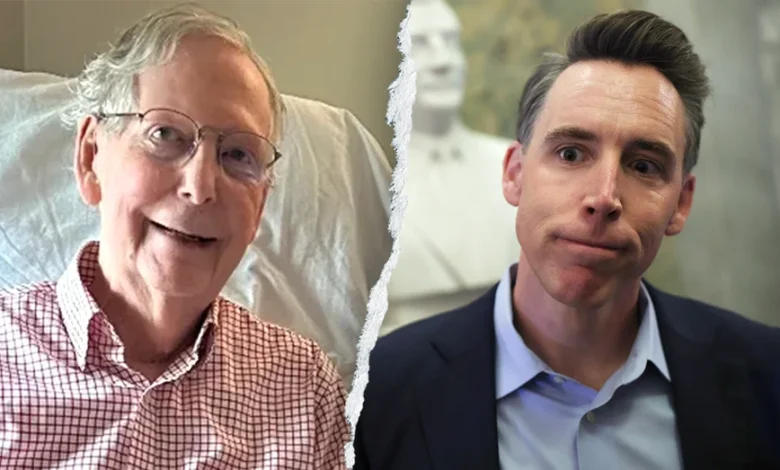
As pressing questions continue to mount regarding the health and prolonged absence of Kentucky Republican Senator Mitch McConnell, Senator Josh Hawley (R-Mo.) has issued a sharp rebuke to McConnell’s team, emphasizing their fundamental "obligation to your constituents" to provide clear updates. The 84-year-old former Senate majority leader, a towering figure in Republican politics for decades, has been notably absent from the upper chamber for over a month following a significant fall at his Washington, D.C., home that led to hospitalization and a subsequent diagnosis of pneumonia. This extended hiatus has sparked a growing chorus of concerns not only about the Senator’s personal well-being but also about the functional capacity of the Republican caucus, which operates with a precariously slim majority in the Senate.
The absence of a veteran lawmaker of McConnell’s stature, particularly during a period described as a "dead sprint" to advance key components of President Donald Trump’s legislative agenda, casts a considerable shadow over the legislative calendar. With the Republican party navigating a narrow lead, every vote holds immense significance, and the prolonged sidelining of a prominent member creates palpable challenges for party leadership and policy initiatives.
The Unfolding Health Crisis and Calls for Clarity
Senator McConnell’s health ordeal began in June, when he suffered a fall at his residence in Washington, D.C. The incident necessitated immediate hospitalization, from which he later developed pneumonia, further complicating his recovery and extending his stay away from Capitol Hill. For weeks, details surrounding his condition remained sparse, fueling speculation and increasing pressure on his office to provide more substantive updates. This lack of transparent communication ignited a debate within the Republican ranks and among the broader public about the accountability of elected officials regarding their health, especially when their ability to serve is compromised.
Senator Hawley, known for his conservative populist stance, conveyed his well wishes to Senator McConnell and his family, expressing hope for a swift and complete recovery. However, he concurrently underscored the critical need for public disclosure. "At a certain point, you do have an obligation to your constituents and the country to tell them what’s going on," Hawley stated in an interview with Fox News Digital. His remarks reflect a growing sentiment among some lawmakers and the electorate that transparency around the health of senior political figures is paramount, particularly given the responsibilities they hold and the potential impact on governance.
The calls for McConnell’s team to "come clean" about his health issues are not isolated. They resonate with broader public expectations for transparency from elected officials, particularly those holding positions of significant power. The protracted silence from McConnell’s office during the initial weeks of his absence amplified these demands, leading to heightened scrutiny and unease.
Legislative Gridlock and the Slim Republican Majority
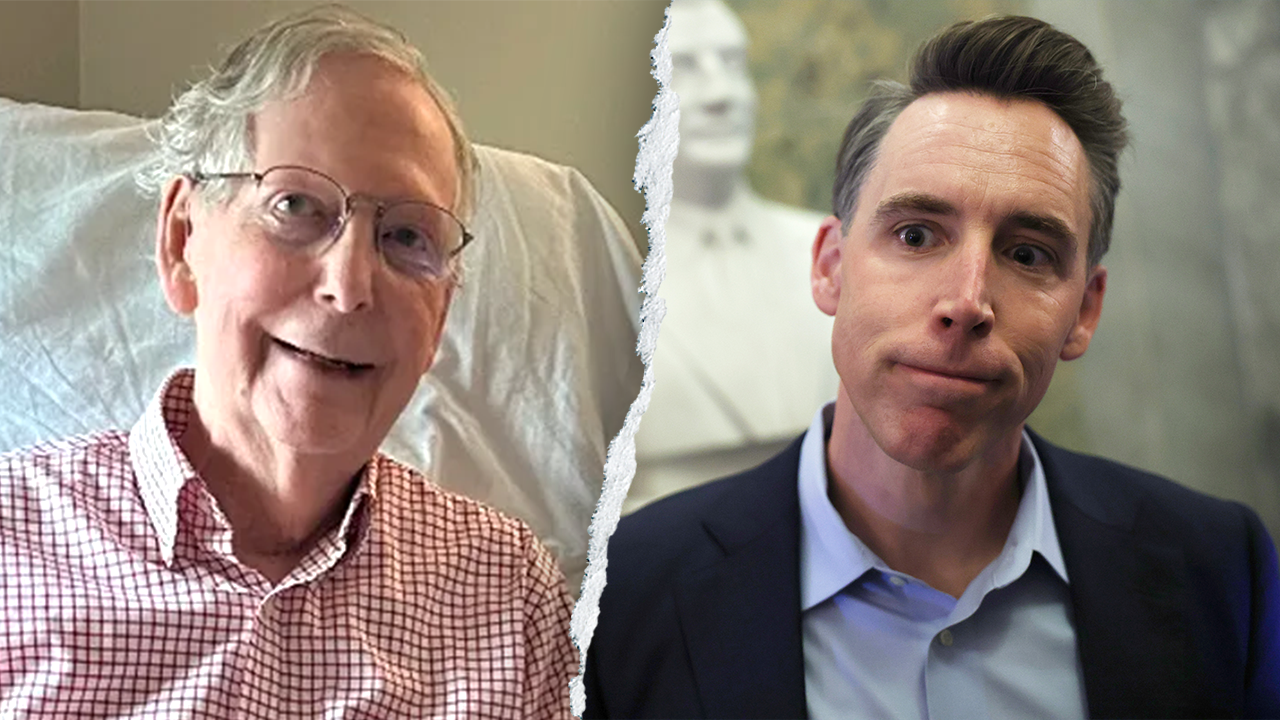
The practical implications of Senator McConnell’s absence are profound, especially given the delicate balance of power in the Senate. Republicans currently hold a narrow majority, making every single vote critical for passing legislation, confirming appointments, and shaping the national policy agenda. "To be down a vote," Hawley elaborated, "We’ve got a slim majority; it’s not easy." This stark assessment highlights the immediate operational challenges facing Senate Republicans.
Hawley pointed directly to the struggles in advancing key legislative priorities. While deferring to Senate Majority Leader John Thune (R-S.D.) on the precise handling of McConnell’s situation, Hawley noted that the deficit in GOP votes is directly hindering efforts on significant initiatives, such as the voter integrity measure, the SAVE America Act. This bill, a cornerstone of conservative legislative efforts to reform election processes, requires strong party unity to overcome potential procedural hurdles and opposition. "I just hear a lot from leadership that, ‘Well, we don’t have the votes for this.’ Like the voter I.D., we don’t have the votes for that. Well, we might want to do something about that," Hawley lamented, articulating the frustration within parts of the caucus.
The SAVE America Act, for instance, aims to implement stricter voter identification requirements and other election security measures, positions widely supported by conservative voters. The inability to move such legislation forward due to a single absent vote underscores the fragility of the Republican majority and the high stakes involved in every legislative battle. Beyond specific bills, the absence also impacts the speed and efficiency of confirming judicial nominees and executive branch appointments, a critical function of the Senate.
Internal Disconnect and Broader Congressional Sentiment
Senator Hawley also revealed a significant internal communication gap within the Republican conference, stating that he too has been "totally in the dark" about McConnell’s condition. "I never had any idea about any of his health stuff," he admitted, reinforcing the notion that transparency has been lacking even among his colleagues. This suggests that the issue extends beyond public perception to the functioning dynamics within the Senate itself, potentially fostering mistrust or disunity at a crucial time. "I hope he recovers, but I also hope that they get the transparency out there to help people know what the situation is," Hawley reiterated, balancing personal well-wishes with a clear demand for accountability.
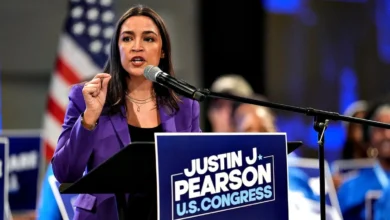
The debate surrounding McConnell’s absence and the need for transparency has transcended party lines. Democratic voices, such as Representative Alexandria Ocasio-Cortez (D-N.Y.), have previously weighed in on the issue, describing prolonged absences without clear explanations as "not normal" and calling for greater clarity. This indicates a broader, bipartisan expectation for elected officials to be forthcoming about health issues that could impede their duties. While some Republican senators have defended McConnell’s privacy, others have quietly echoed calls for a clearer timeline or more information, reflecting a subtle but significant split within the caucus regarding how to manage the situation.
McConnell’s Reassurance and the Lingering Questions
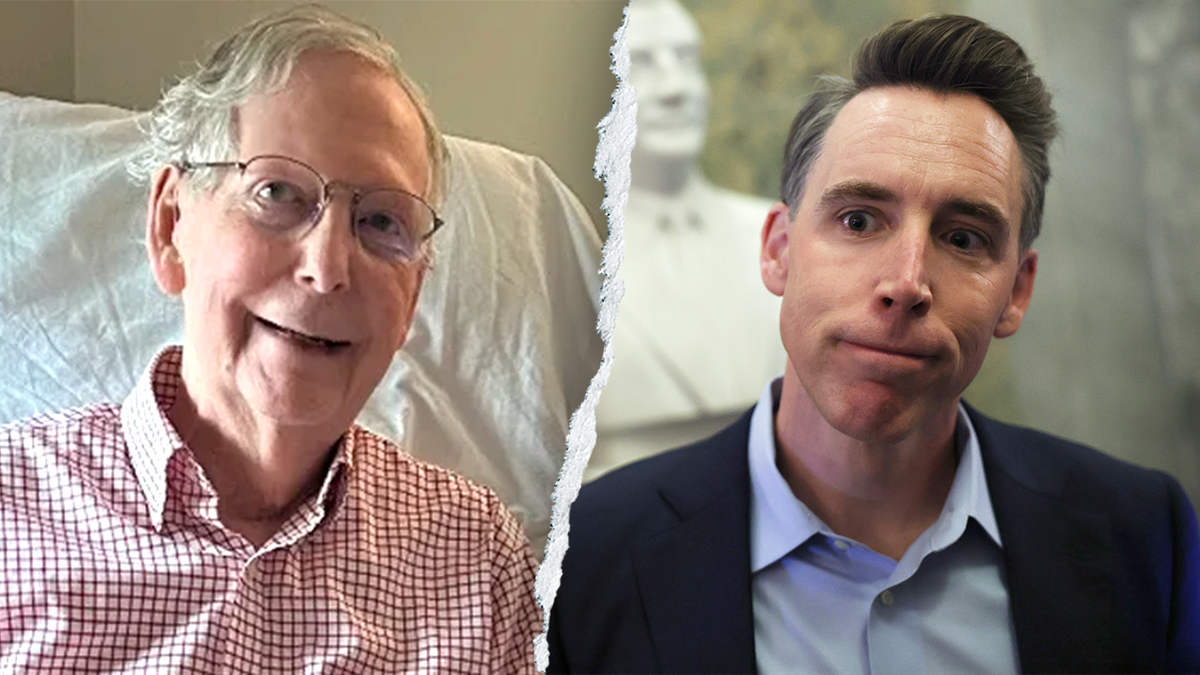
Following an extended period of silence, Senator McConnell eventually issued an open letter to his constituents in Kentucky, directly addressing his prolonged absence and health challenges. In his letter, McConnell attributed his recent fall and mobility issues to residual effects from his childhood battle with polio, a condition that has impacted him throughout his life. He acknowledged that, on the advice of his medical team, he would not be able to immediately return to the Senate floor for voting.
Crucially, McConnell used the letter to reaffirm his commitment to his role. "I have every intention of finishing the job you elected me to do," he declared, adding, "I’ll keep working hard to get back on the Senate floor as soon as possible." He also pledged to keep his constituents updated on the progress of his recovery, a commitment that many hope will lead to more consistent and detailed communication moving forward. While this letter provided some long-awaited insight, it did not fully quell all concerns, particularly regarding the precise timeline for his full return to active duties and the level of functionality he would be able to maintain.
The Enduring Debate: Age, Term Limits, and Public Service
McConnell’s health situation has inevitably reignited the perennial debate surrounding age limits for holding public office and the concept of term limits in Congress. When questioned about whether McConnell’s condition evidenced a need for age limits, Senator Hawley quickly pivoted to his long-held advocacy for term limits. "Well, I’m a term-limit guy, so I’m all for that," he responded.
Hawley clarified that his stance is not an indictment of older colleagues, citing 92-year-old Senator Chuck Grassley (R-Iowa) as an example of an elderly lawmaker who remains "sharp as a tack and spry." His argument for term limits stems from a belief that prolonged tenure in Washington runs counter to the intentions of the nation’s founders and the desires of the populace. "But I do think there needs to be term limits. People just come here and stay forever. And I don’t think it’s what the founders intended; I don’t think it’s what people want. So, I’ve always been a big proponent of a constitutional amendment for term limits."
This discussion touches upon fundamental aspects of American governance. Proponents of term limits argue that they would foster a more dynamic political landscape, encourage fresh perspectives, reduce the influence of special interests, and prevent the accumulation of excessive power by entrenched incumbents. Opponents, however, contend that term limits deprive legislative bodies of invaluable experience, institutional knowledge, and established relationships, potentially leading to less effective governance.
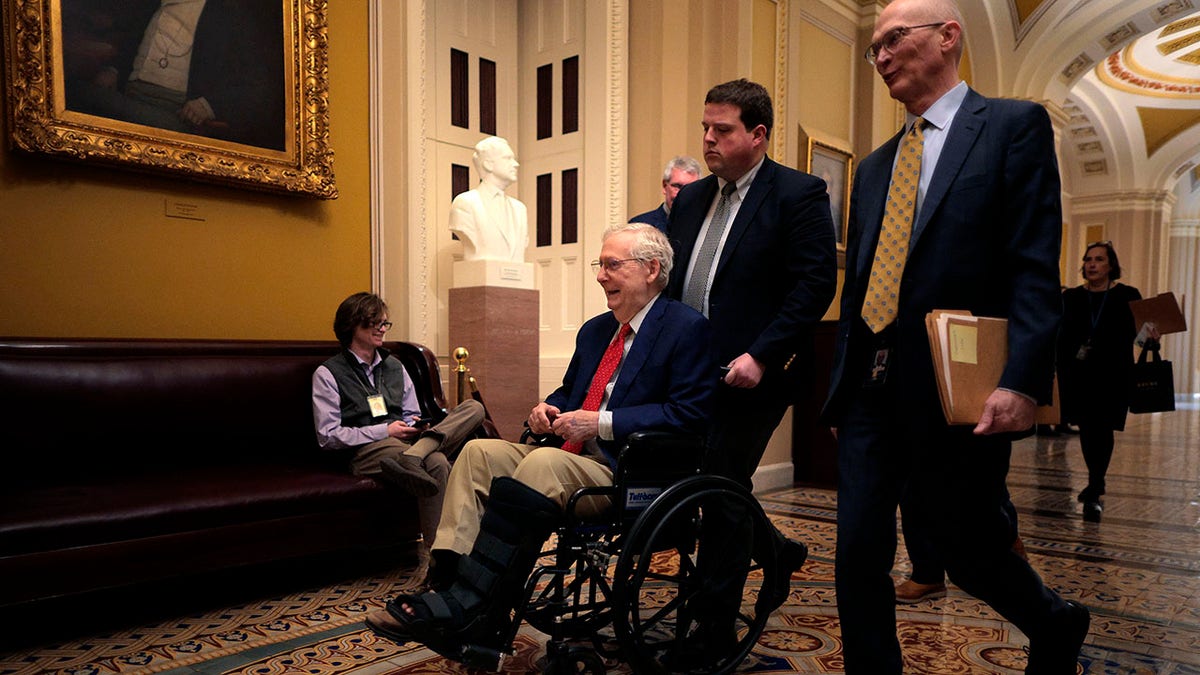
McConnell, first elected to the Senate in 1984, is currently serving his seventh term, a testament to the longevity possible under the current system. His tenure spans nearly four decades, witnessing numerous presidential administrations and significant shifts in the political landscape. His career itself embodies the arguments both for and against long-serving members: immense experience and strategic acumen versus potential entrenchment and concerns about health and vitality in advanced age.
Historical Context and the Path Forward
The history of American politics is replete with instances where the health of prominent leaders has become a matter of public concern and political consequence. From Woodrow Wilson’s stroke to Franklin D. Roosevelt’s declining health during World War II, and more recently, Dianne Feinstein’s prolonged absences, the physical and mental capacities of those in power have always been subject to scrutiny. In an era of instant information and heightened public demand for accountability, the expectation for transparency is arguably greater than ever before.
The coming weeks and months will be crucial for Senator McConnell, his constituents, and the Republican Party. His recovery timeline, the extent of his return to full duties, and the level of transparency his office provides will continue to be closely watched. The situation underscores the delicate balance between a public official’s right to privacy and the public’s right to information about those who represent them, particularly when the ability to fulfill demanding constitutional duties is in question. For the Republican caucus, navigating McConnell’s absence while maintaining unity and advancing its agenda will be a significant test of its leadership and resilience in a narrowly divided Senate. The broader implications for discussions on age, service, and accountability in American politics are likely to endure far beyond the immediate crisis.
Related posts: