Fox News Uncovers El Paso Drain System Exploited by Cartels for Migrant Smuggling, Revealing Perilous Underground Routes

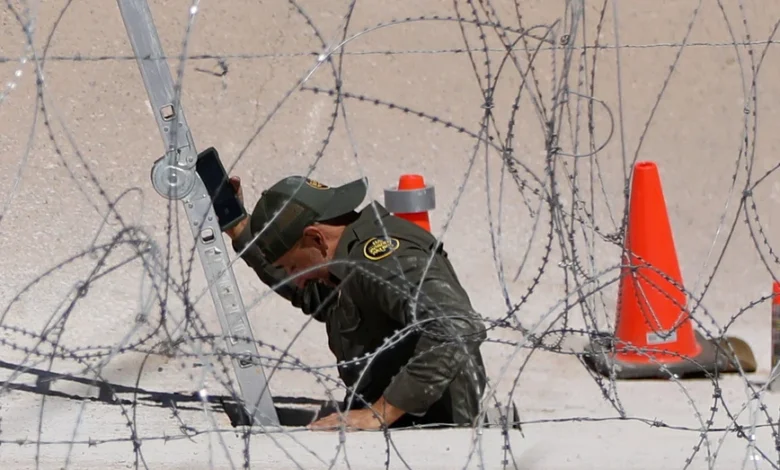
A recent investigation by Fox News, led by correspondent Brooke Taylor, has brought to light a clandestine network beneath El Paso, Texas: an extensive storm drain system now brazenly exploited by cartels to smuggle migrants from Mexico into the United States. This hidden world, characterized by extreme danger and harsh conditions, represents a critical new front in the ongoing battle for border security, showcasing the relentless adaptability of criminal organizations in circumventing tightened controls. Migrants, desperate for passage, are reportedly paying exorbitant fees ranging from $20,000 to $30,000 for the perilous journey through these dark, hot, and confined tunnels.
This revelation underscores a persistent challenge at the U.S.-Mexico border: despite intensified efforts to secure conventional crossing points, criminal enterprises continue to innovate, shifting their operations underground. The El Paso sector, a historically busy corridor for both legal and illegal crossings, has become a focal point for this subterranean activity, forcing U.S. Customs and Border Protection (CBP) to adapt its strategies and resources to confront an increasingly complex threat.
The Subterranean Labyrinth: Anatomy of a Smuggling Route
The storm drain system in El Paso presents a formidable challenge to law enforcement. Stretching for miles across the region, these narrow tunnels originate with at least 32 known entry points from the Rio Grande, the natural boundary between the U.S. and Mexico. From there, they spiderweb beneath the city, boasting hundreds of potential exit points that can lead directly into urban areas, making detection and interception exceptionally difficult.
CBP’s elite Confined Space Entry Team (CSET) likens patrolling these tunnels to a game of "whack-a-mole," where smugglers can emerge unexpectedly at any moment. The sheer scale and intricate nature of the network provide cartels with a significant advantage, allowing them to move people and narcotics with a degree of stealth unmatched by surface crossings. This adaptation highlights a continuous evolution in smuggling tactics; as physical barriers and aerial surveillance become more sophisticated above ground, criminal organizations invest in subterranean infrastructure, demonstrating a disturbing level of engineering and logistical capability.
Historically, tunnels have been a persistent feature of border illicit activity, often purpose-built by sophisticated cartel operations. However, the repurposing of existing municipal storm drains adds another layer of complexity, as these systems are designed for water management, not border security, making them inherently difficult to monitor and secure. The El Paso region’s arid climate means these drains are often dry, offering a deceptively accessible pathway for extended periods, though the risk of sudden, dangerous flash floods remains ever-present during rainfall.
U.S. Customs and Border Protection’s Elite Response
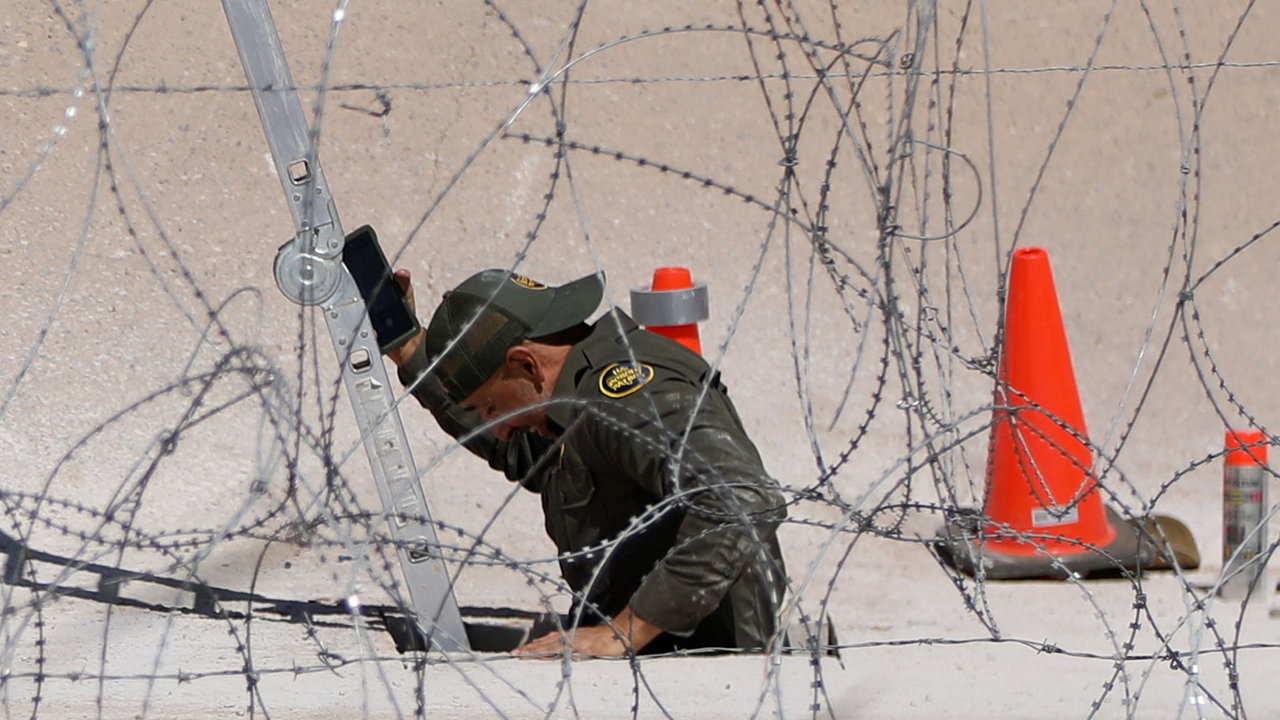
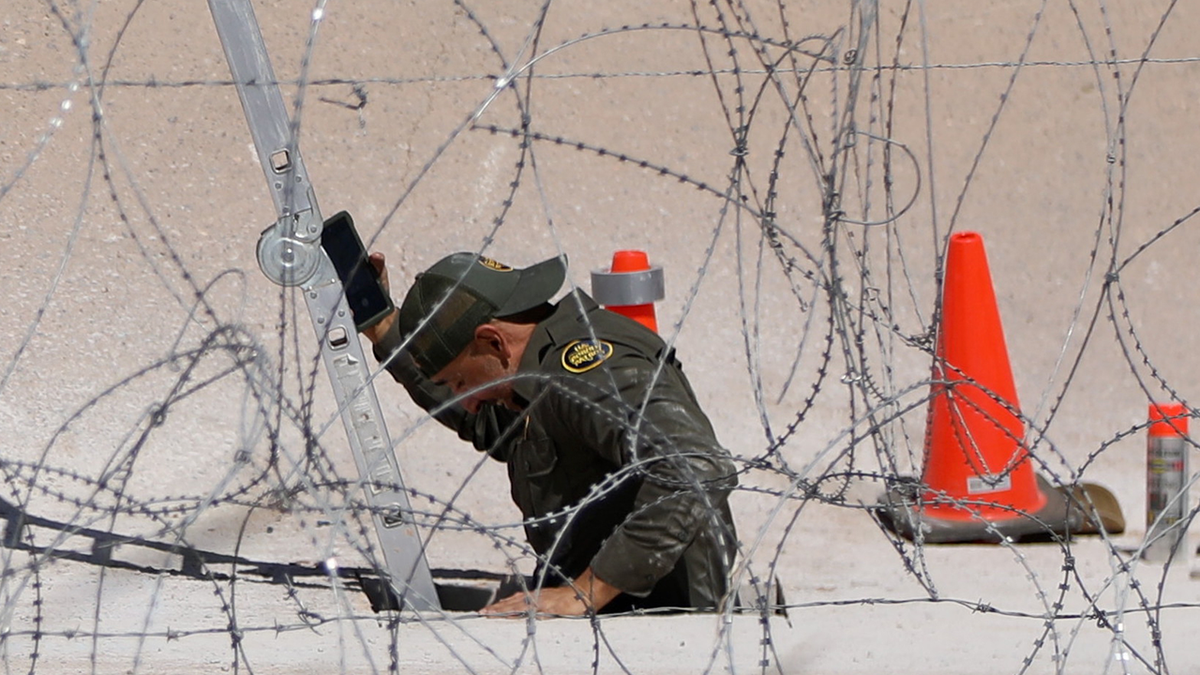
To combat this emergent threat, CBP relies on highly specialized units like the Confined Space Entry Team. Fox News was granted exclusive access to observe these agents, offering a rare glimpse into their perilous work. These dedicated officers undergo rigorous training specifically designed for operating in the extreme conditions of underground environments. Their preparation includes mastering confined space rescue protocols, advanced first aid, and tactical engagement in low-visibility, low-oxygen settings. Monitoring oxygen levels, navigating intricate dark passages, and maintaining situational awareness in claustrophobic spaces are paramount to their survival and mission success.
A CSET team member underscored the profound challenges faced by agents within these tunnels. The intense heat, particularly during El Paso’s summers when daytime temperatures routinely exceed 100 degrees Fahrenheit, combined with thick, low-oxygen air, rapidly exhausts even the fittest agents. "Often by the time they encounter a cartel smuggler," the agent explained, "you’re already exhausted, and now, you have to potentially fight with someone underground."
The inherent isolation of subterranean operations adds another layer of danger. "You can’t call for backup; you can’t call for help. It’s just you and your team versus everybody else," the agent emphasized. This stark reality means agents must be self-sufficient and capable of handling high-stress confrontations without immediate external support, elevating the physical and psychological toll of their duty. To mitigate these risks, CBP employs a combination of advanced technology, including ground-penetrating radar, seismic sensors, and specialized cameras, to detect movement and monitor known entry points, allowing for strategic positioning of interception teams.
The Shifting Economics of Human Smuggling
The cartel’s exploitation of the El Paso drain system is not merely a logistical adaptation; it’s a shrewd economic maneuver. Reports indicate a significant increase in the fees charged to migrants for passage through these tunnel routes, now ranging from $20,000 to $30,000 per person. This premium pricing reflects both the perceived "guarantee" of passage (bypassing visible border patrols) and the inherent risks involved, which smugglers pass on to their desperate clientele.
This escalation in cost is a stark indicator of the cartels’ evolving business model. As traditional surface routes become more heavily policed and physical barriers restrict movement, the value of less detectable, albeit more dangerous, methods like tunnel smuggling increases. The human smuggling industry, intertwined with drug trafficking, is a multi-billion-dollar enterprise for these criminal organizations. By leveraging existing infrastructure and demanding exorbitant fees, cartels maximize profits while minimizing their direct exposure to surface patrols.
Adding to the complexity, CBP has observed a worrying trend: smugglers are increasingly utilizing social media platforms to recruit and train guides to navigate these hazardous passageways. This digital recruitment strategy allows cartels to expand their operational reach, potentially engaging individuals with less direct ties to traditional cartel structures but who are lured by the promise of quick financial gain, further complicating law enforcement efforts to dismantle these networks. The use of encrypted messaging and social media platforms for coordination makes these recruitment and operational communications difficult to trace, presenting a continuous challenge for intelligence agencies.
Perilous Journeys: Dangers to Migrants and Agents
The journey through El Paso’s storm drains is fraught with peril, posing severe threats to both the migrants attempting passage and the agents tasked with intercepting them. For migrants, the conditions are harrowing. They face extreme heat, often coupled with poor air quality and claustrophobic confines, leading to dehydration, heatstroke, and respiratory distress. The darkness is absolute, disorienting those unfamiliar with the labyrinthine passages. The risk of injury from falls, encounters with wildlife, or structural collapses is constant. Furthermore, while the drains are often dry, the sudden onset of rain can transform them into deadly torrents, trapping and drowning individuals within minutes—a grim reminder of the unpredictable and unforgiving nature of these illicit routes.
The article references a tragic human smuggling crash that killed 56 and injured over 100, for which Guatemalan nationals pleaded guilty. While not directly related to tunnels, it serves as a stark reminder of the broader, often fatal, dangers inherent in cartel-orchestrated irregular migration, where human lives are routinely sacrificed for profit. The psychological toll on migrants, who endure immense fear and uncertainty, is also significant, often leaving lasting trauma.
For CBP agents, the dangers are equally profound. Beyond the physical exertion and environmental hazards, the potential for violent confrontation in confined spaces is a constant threat. Operating in an environment where visibility is minimal and escape routes are limited, agents face a heightened risk of ambush or injury. The mental fortitude required to repeatedly enter these dangerous, unpredictable tunnels, knowing that each encounter could escalate into a life-or-death struggle, cannot be overstated. The unique challenges of subterranean operations require constant vigilance, meticulous planning, and unwavering courage from the CSET members.
Policy and Enforcement: A Dynamic Landscape
The current revelations come amidst a period of intense focus on border security and migration policy. The article notes that "despite President Donald Trump’s tight clamp on the border, cartels are continuing to attempt to smuggle humans and narcotics by going underground." This highlights the persistent nature of smuggling, regardless of the administration’s posture. However, CBP team members reported a significant shift in the scale of tunnel migrant traffic under Trump’s policies, stating that while groups of 40 to 60 people were once common, agents now typically encounter only two or three individuals at a time. This suggests that while the activity hasn’t ceased, large-scale organized movements through the tunnels may have been disrupted or deterred.
The Department of Homeland Security (DHS) recently announced what it touted as an "unprecedented trend of historically low border crossings," with June marking 14 consecutive months of "zero releases at the border." Furthermore, DHS reported a dramatic decrease in daily apprehensions, claiming they are down 94 percent from what they were during the Biden administration. These statistics, presented by DHS, suggest that current enforcement strategies are yielding tangible results in reducing overall irregular migration attempts at the surface level, potentially pushing cartels towards more covert and dangerous methods like the tunnel system.
In a move aimed at bolstering border security capabilities, CBP has also achieved record staffing levels this spring, reaching 21,471 agents—the highest in the agency’s 102-year history. This increased manpower, coupled with specialized teams and advanced technology, is crucial for addressing the multifaceted challenges posed by modern smuggling operations, including the newly exposed underground networks. The commitment to strengthening the border patrol force underscores the federal government’s ongoing effort to maintain control over the nation’s borders, even as criminal organizations continue to seek new vulnerabilities.
Broader Implications and Future Outlook
The uncovering of the El Paso drain system as a significant smuggling route has profound implications for border security, international relations, and humanitarian efforts. It underscores the perpetual "cat-and-mouse" game between law enforcement and criminal cartels; as one avenue of illicit activity is curtailed, another emerges, often more dangerous and technologically sophisticated. This dynamic demands continuous innovation in detection, interdiction, and intelligence gathering from U.S. authorities.
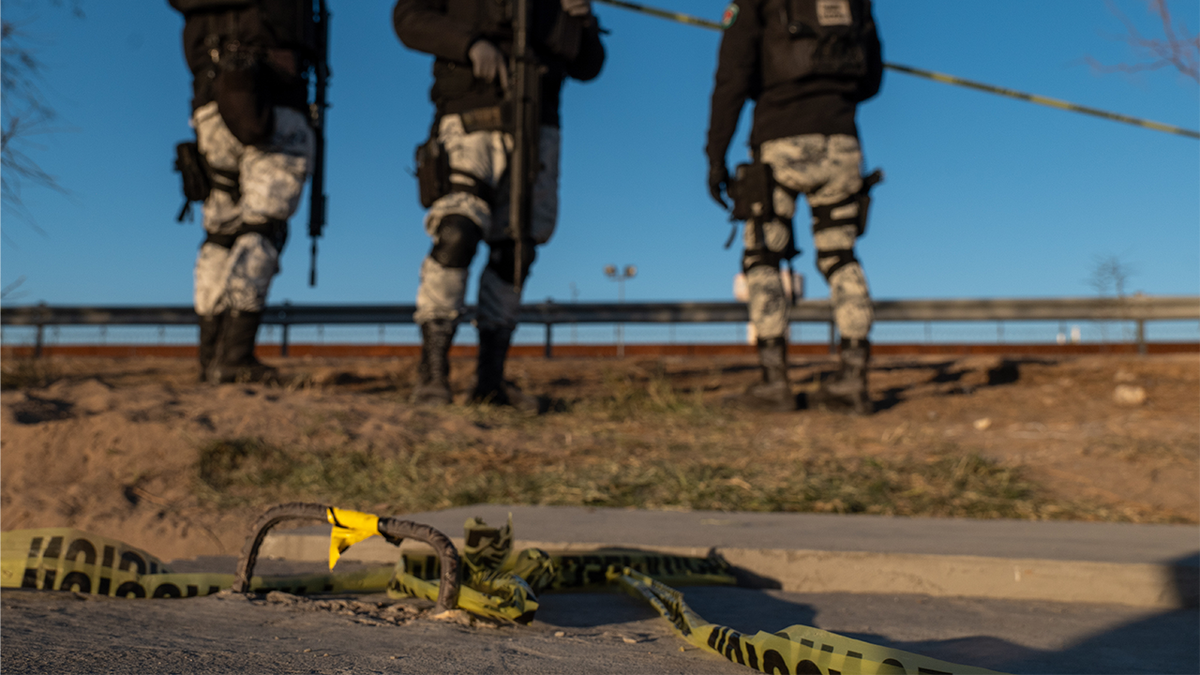
The adaptability of cartels also highlights the need for robust cross-border cooperation with Mexican authorities. Efforts to identify, map, and seal these tunnels, whether purpose-built or repurposed municipal infrastructure, must be a joint endeavor. Images accompanying the original Fox News report depicted Mexican police actively working to close and secure clandestine tunnels at the border in Ciudad Juárez, demonstrating a shared commitment to disrupting these networks. Effective intelligence sharing and coordinated operations are vital to addressing the problem at its source.
From a humanitarian perspective, the reliance on such dangerous routes raises serious ethical concerns about the exploitation of vulnerable populations. The exorbitant fees charged for passage through life-threatening conditions underscore the callous disregard cartels have for human life, viewing migrants merely as commodities. This aspect of the crisis necessitates a broader discussion on addressing the root causes of migration, providing legal pathways, and dismantling the economic incentives that fuel the smuggling industry.
Looking ahead, the challenge for U.S. border security agencies will be to sustain their current successes while remaining agile in the face of evolving threats. This will require ongoing investment in advanced surveillance technologies, continuous training for specialized units, and unwavering international partnerships. The El Paso drain system serves as a stark reminder that border security is not a static endeavor but a dynamic, ever-changing landscape requiring constant vigilance and comprehensive strategies that extend far beyond the visible surface. The dedication of agents like those in the Confined Space Entry Team remains critical in protecting both the nation’s borders and the lives of those caught in the dangerous web of human smuggling.
Related posts: