A Rare Diplomatic Consensus Emerges as World Leaders Affirm Statehood for Nations Threatened by Rising Seas

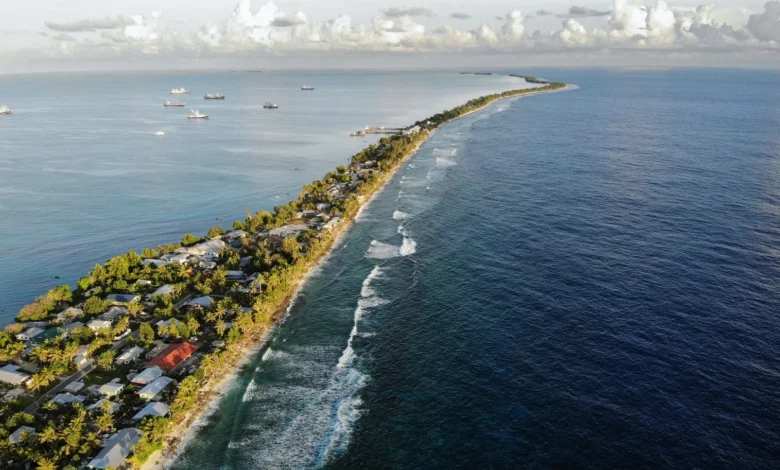
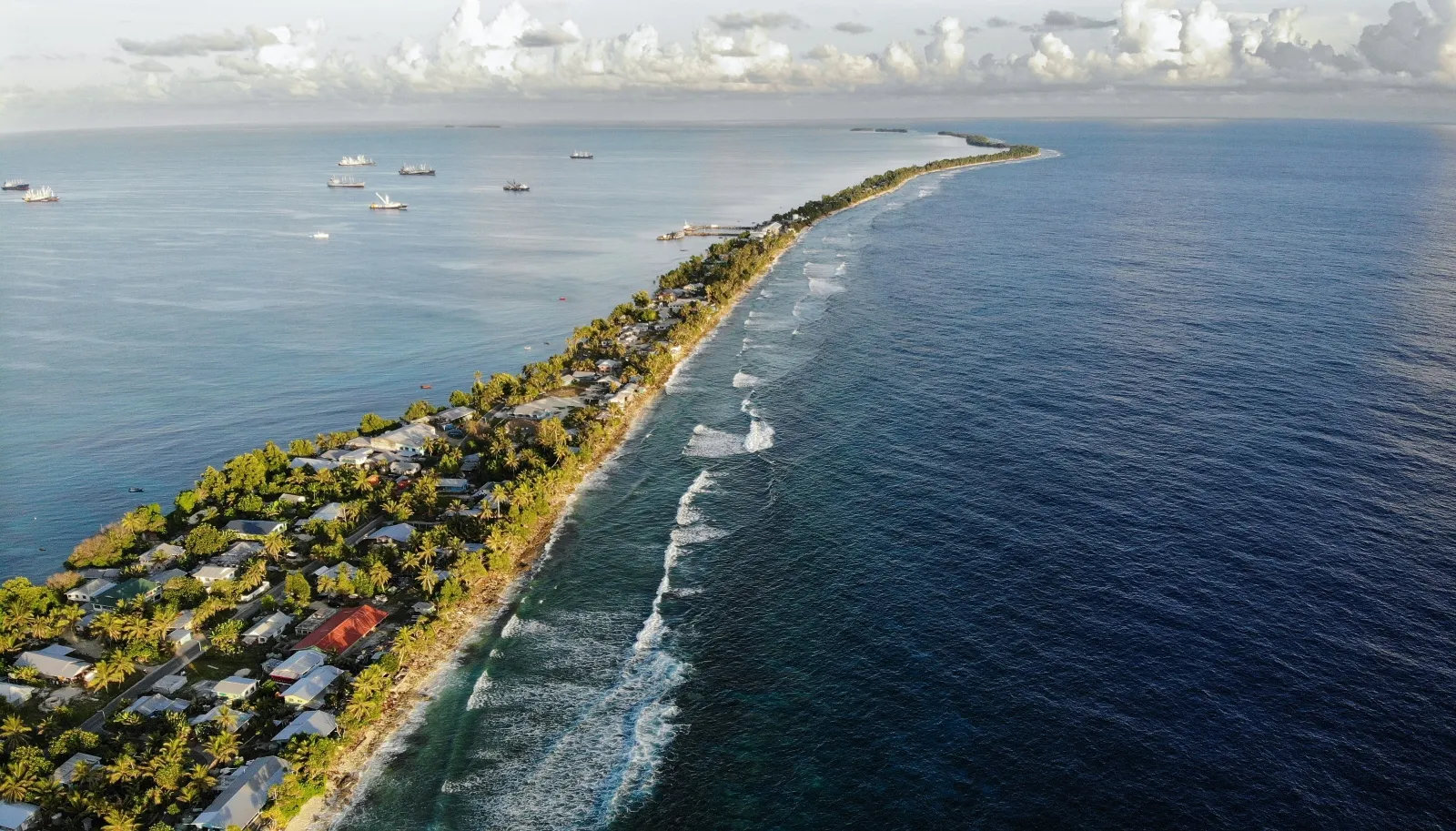
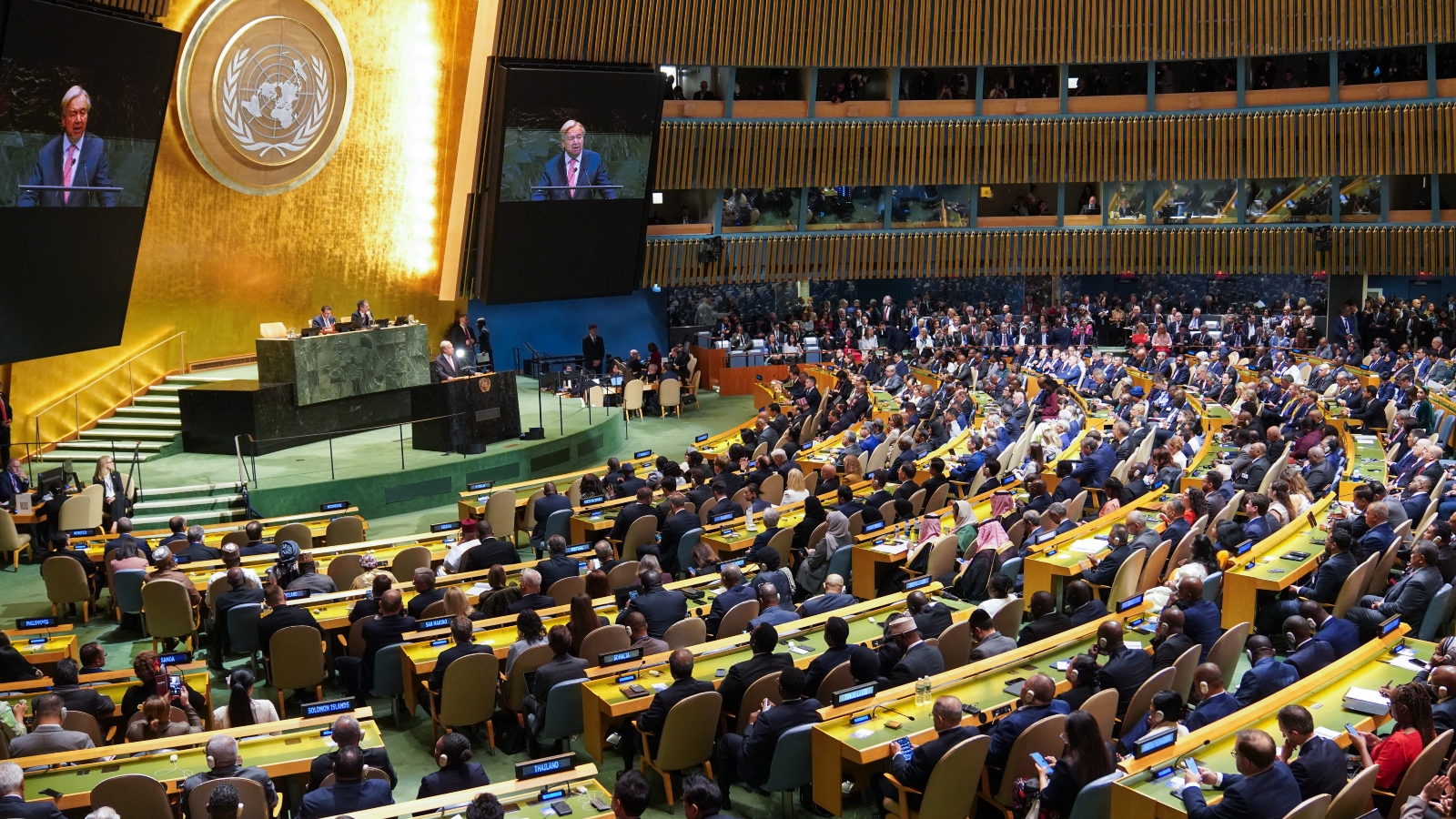
In a geopolitical climate defined by the Trump administration’s systematic withdrawal from international environmental frameworks, a surprising consensus materialized at the United Nations General Assembly this week. World leaders unanimously approved a landmark resolution establishing a legal precedent for the continued statehood and territorial integrity of nations facing total inundation due to rising sea levels. The resolution, which marks a rare instance of global cooperation during a period of heightened isolationism, provides a critical lifeline for low-lying island nations that currently face an existential threat from the accelerating climate crisis.
The United States, which has recently withdrawn from the Paris Agreement, challenged international carbon taxation schemes for the maritime sector, and threatened punitive tariffs against climate-vocal nations, notably chose not to obstruct this accord. The decision not to use its veto power, or attempt to derail the resolution, signals a pragmatic recognition by the U.S. and other major powers that the legal ramifications of vanishing landmasses carry significant risks for all sovereign states, regardless of their climate stance.
A Chronology of Existential Risk
The vulnerability of small island states is not a novel concern, but the speed at which the crisis has evolved has outpaced international law. Over the past decade, the Marshall Islands, Tuvalu, and the Bahamas have emerged as the primary advocates for a new legal doctrine regarding statehood.
- 2019: Hurricane Dorian causes catastrophic damage to the Bahamas, highlighting the intersection of extreme weather and sovereign debt.
- 2023–2024: Diplomatic efforts intensify within the U.N. General Assembly, spearheaded by climate envoys aiming to bridge the gap between scientific reality and legal recognition.
- 2024: A landmark ruling from the International Court of Justice establishes that the disappearance of a country’s physical territory does not automatically negate its existence as a sovereign state.
- September 2025: The United Nations General Assembly formally adopts the resolution, codifying the "presumption in favor of continued statehood" and the retention of maritime borders.
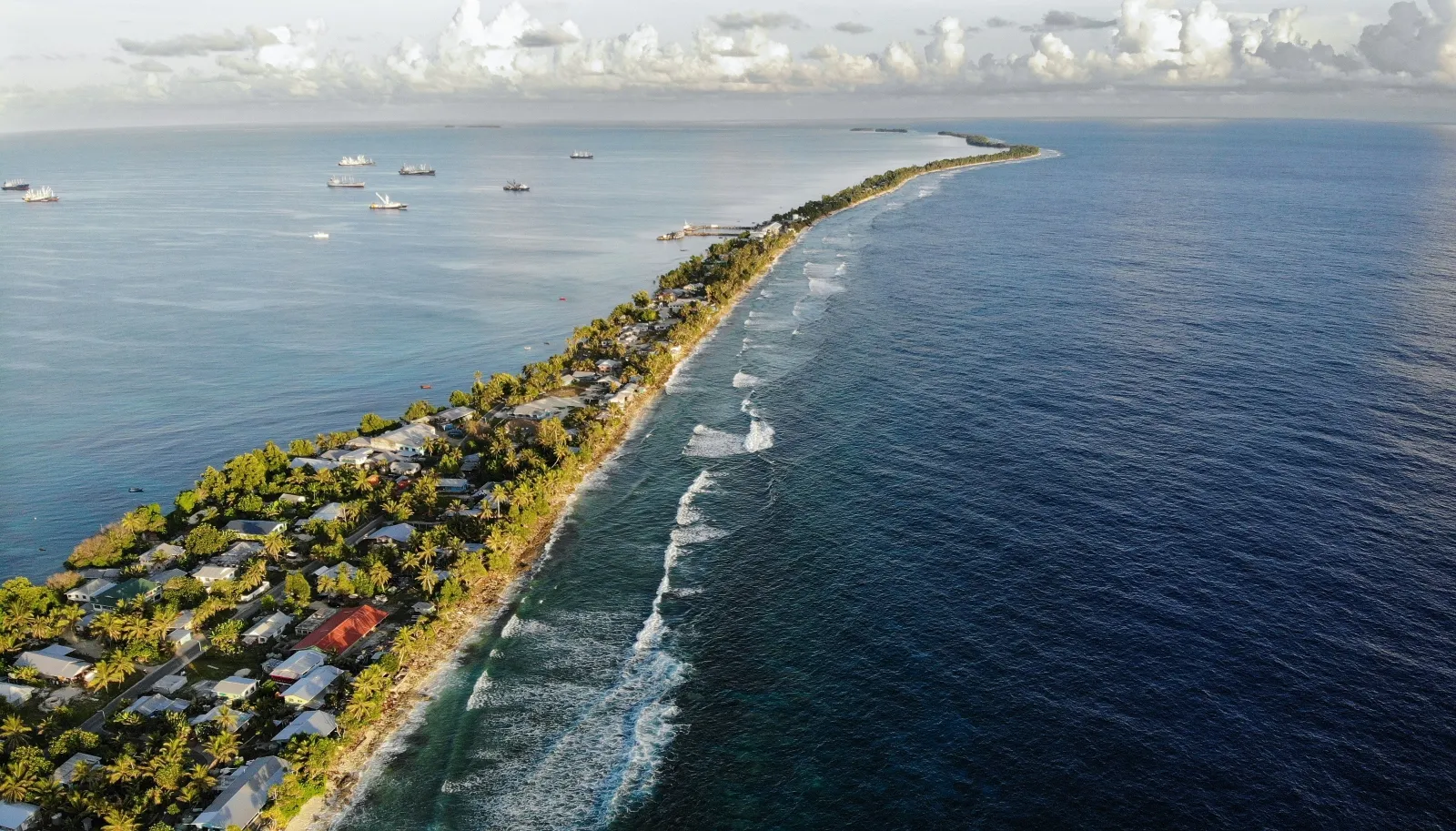
For nations like Tuvalu, which hosts a population of approximately 11,000, this resolution is the difference between remaining a recognized entity and becoming a stateless population. The agreement clarifies that even if a nation’s land is swallowed by the Pacific Ocean, its exclusive economic zones—the stretches of sea extending from its coastline—remain under its jurisdiction. This ensures that countries retain the rights to fish, engage in deep-sea energy development, and manage resources, even if their physical population must be relocated.
The Economic and Strategic Stakes
Prime Minister Philip Davis of the Bahamas emphasized that the declaration serves as a crucial defensive barrier against the "might is right" ethos currently permeating international relations. In an era where deep-sea mining and oceanic resource extraction are becoming increasingly lucrative, the risk of powerful nations encroaching on the territorial waters of "disappearing" states is substantial.
"Our landmass is less than 3 meters above sea level; we are already seeing our land being swallowed by water, and the global effort to stem the carbon footprint has stalled," Davis stated. "This declaration will perhaps heighten the flow of action and ensure that our sovereignty is not treated as a vacuum for others to exploit."
The economic implications are equally grave. Small island nations are heavily dependent on tourism and ocean-based industries. By enshrining the right to retain maritime zones, the resolution protects these nations from losing the very assets that sustain their national budgets. Without such protection, the international community would have been left with a dangerous ambiguity: if a state ceases to exist physically, do its maritime rights revert to the "global commons," or are they open to seizure by neighboring powers? The U.N. consensus effectively closes that loophole.
Global Climate Finance and the Adaptation Gap
While the resolution provides a legal framework for survival, it does not solve the funding crisis. Current global climate finance, which stands at approximately $130 billion annually, remains drastically insufficient. The U.N. target to reach $300 billion annually by 2035 is widely regarded by economists as a floor rather than a ceiling, particularly given the high cost of climate-resilient infrastructure.
Furthermore, the nature of the aid remains a point of contention. Many island nations are already burdened by significant sovereign debt, exacerbated by the costs of repairing damage from superstorms. Loans, even at low interest rates, often serve to worsen this debt cycle rather than facilitate recovery. The new resolution includes language recognizing an "urgent" obligation for developed countries to provide expanded access to climate aid, but it remains to be seen whether this will result in grants—which do not add to national debt—or further loan-based mechanisms.
The Trump administration’s recent decision to dismantle the U.S. Agency for International Development (USAID) and its general hostility toward international aid obligations complicates the delivery of these funds. Despite this, the lack of opposition to the U.N. declaration suggests a tacit admission that the U.S. has its own interests at stake.
Analysis: Why the U.S. Stepped Aside
Legal experts suggest that the U.S. failure to block the resolution was not a sudden shift in climate policy, but rather a calculation of self-interest. Bryce Rudyk, a law professor at New York University and legal advisor to the Alliance of Small Island States, argues that the legal principles established are universal.
"Everyone will lose land, and no one wants to lose ocean territory," Rudyk noted. "It is in everyone’s interest to say that we do not want states just disappearing. If the precedent is set that losing land equals losing your sovereign rights to the ocean, that creates a global legal nightmare for every coastal nation, including the United States."
The U.S. coastline is subject to significant erosion and rising sea levels. If the international community were to accept the premise that territory loss results in the forfeiture of maritime sovereignty, the U.S. would eventually be vulnerable to similar international legal challenges regarding its own offshore oil and mineral rights. By allowing the resolution to pass, the U.S. has effectively protected its own long-term maritime interests, even while maintaining an aggressive stance against the broader climate agenda.
Future Implications
The resolution is a watershed moment in international law, transitioning from what was once a theoretical legal "presumption" to a solidified global affirmation. However, the path forward remains precarious. The declaration provides a shield against political erasure, but it does not provide the physical infrastructure needed to protect coasts from the encroaching sea.
As the world looks toward future climate summits, the focus will likely shift from the legal definition of statehood to the practical implementation of relocation and defense. For island nations, the challenge is to turn this diplomatic victory into tangible financial support. For the rest of the world, the resolution serves as a grim reminder: climate change is no longer a future threat to be debated, but a present reality that is forcing the international community to rewrite the very rules of sovereignty.
In the coming months, observers will be watching to see if the U.N. can translate this rare consensus into concrete fiscal commitments. Without a substantial increase in non-debt-inducing climate finance, the "continued statehood" of these nations may become a legally protected, yet physically hollow, reality. The challenge remains to ensure that the international community, including the United States, lives up to the spirit of the declaration by supporting the nations it has now formally acknowledged as sovereign, regardless of their changing physical geography.
Related posts: