Trump Electric Vehicle Policies Uncertainty
The Electric Vehicle Policy Uncertainty Under Trump: A Deep Dive
Donald Trump’s rhetoric and past actions surrounding electric vehicle (EV) policies have generated significant uncertainty, creating a complex landscape for manufacturers, consumers, and the broader energy sector. This uncertainty stems from a combination of expressed skepticism towards EVs, a preference for fossil fuels, and a history of policy reversals. Understanding the potential implications of a Trump presidency on the EV market requires examining his stated positions, proposed regulatory changes, and the broader economic and environmental contexts. His administration’s approach has historically favored deregulation and a strong emphasis on traditional energy industries, which directly contrasts with the upward trajectory and policy support EVs have seen in recent years. This inherent tension is the bedrock of the current policy ambiguity.
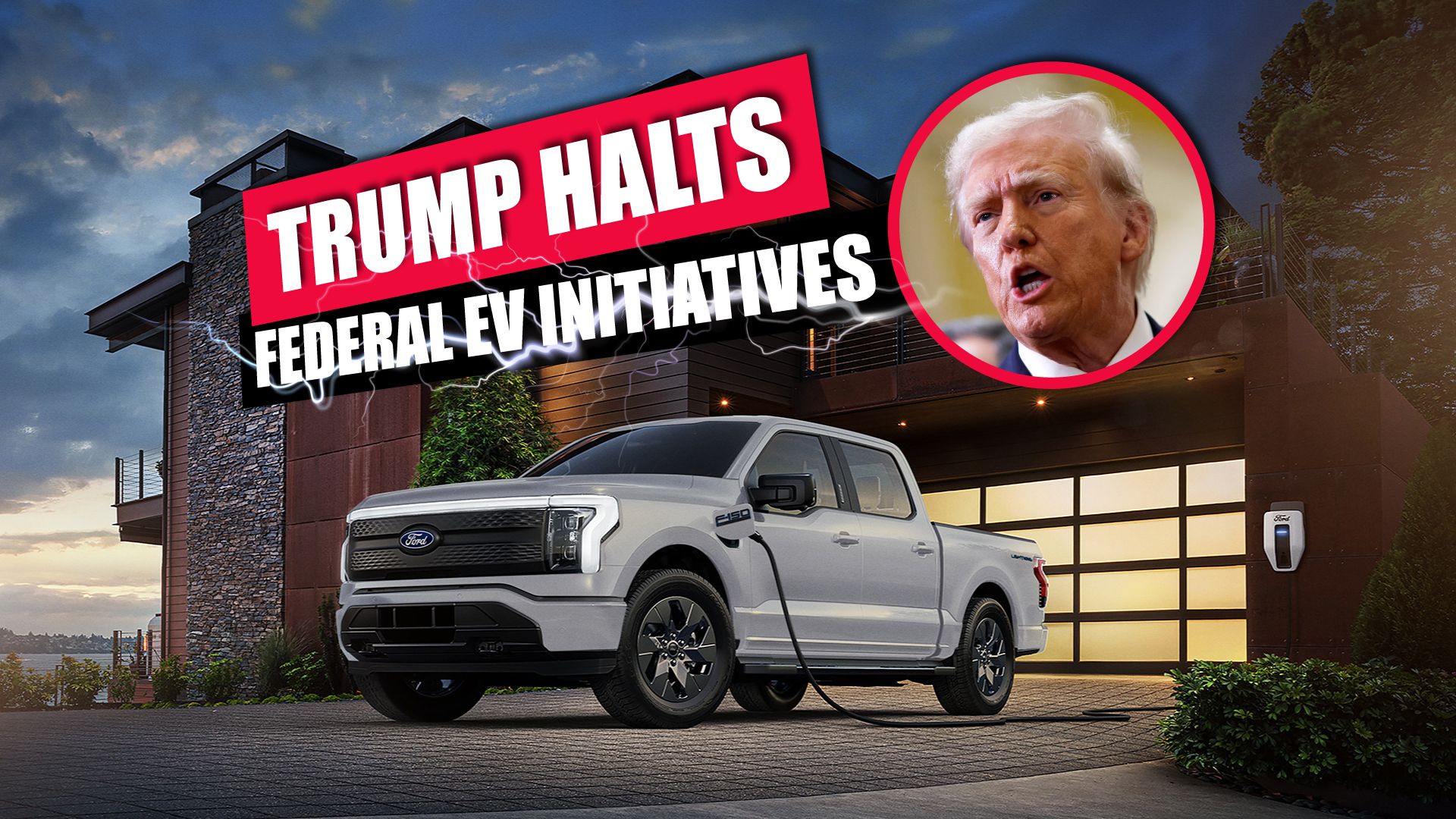
A core element of Trump’s EV policy uncertainty lies in his consistent criticism of government mandates and subsidies aimed at promoting EV adoption. During his previous term, his administration actively sought to roll back fuel economy standards, a move that would directly impact the pressure on automakers to produce more fuel-efficient vehicles, including EVs. His public statements have often framed EVs as impractical, expensive, and reliant on a power grid that is not yet equipped to handle widespread adoption. This perspective suggests a potential dismantling of federal incentives such as tax credits, which have been instrumental in driving consumer demand for EVs. Without these financial carrots, the upfront cost of EVs, still a significant barrier for many consumers, could become even more prohibitive, slowing down market penetration. The uncertainty is amplified by the possibility of retaliatory tariffs on imported EVs or EV components, further complicating global supply chains and potentially increasing costs for American consumers and manufacturers alike.
The economic rationale behind Trump’s skepticism towards EVs is often rooted in his "America First" agenda and a desire to bolster domestic fossil fuel industries. He has frequently championed increased domestic oil and gas production, viewing these sectors as crucial for national security and job creation. This stance directly clashes with the environmental imperative driving EV adoption, which aims to reduce greenhouse gas emissions and reliance on fossil fuels. The potential for a Trump administration to prioritize traditional energy sources could lead to a rollback of environmental regulations that indirectly benefit EVs by making cleaner alternatives more attractive. For instance, stricter emissions standards for internal combustion engine (IC (ICE) vehicles would naturally push consumers towards EVs, but a relaxation of these rules could diminish that indirect incentive. The uncertainty here is not just about direct EV policy but also about the broader regulatory environment that shapes the competitive landscape.
Furthermore, the geopolitical implications of EV policy uncertainty under Trump are substantial. The global race for EV dominance involves significant international collaboration and competition. Countries like China are heavily invested in EV manufacturing and battery production, and any protectionist trade policies enacted by a Trump administration could disrupt these established relationships. This could lead to trade wars, supply chain disruptions for critical EV components like lithium-ion batteries, and increased costs for consumers. The reliance on foreign sources for critical minerals necessary for battery production is a vulnerability that a protectionist stance could exacerbate, leading to calls for reshoring manufacturing and potentially higher prices for vehicles. The uncertainty regarding trade policy is a major concern for automakers who have invested heavily in globalized supply chains and have committed to ambitious EV production targets.
The impact on the automotive industry itself is a significant area of concern. Automakers have made massive investments in EV research, development, and manufacturing, driven in part by existing government policies and projections of future demand. A sudden or drastic shift away from pro-EV policies could leave these companies in a precarious position, potentially leading to significant financial losses, workforce reductions in new EV plants, and a redirection of capital away from clean energy initiatives. The uncertainty forces companies to adopt a more cautious approach, potentially slowing down innovation and production ramp-ups. The very definition of "American automotive industry" could be re-evaluated, with a potential resurgence of interest in ICE vehicle technology at the expense of electrification. This could create a bifurcated market, where EVs remain a niche product for a segment of the population, while the majority continue to drive traditional vehicles.
Environmental advocacy groups and climate scientists express grave concerns about the potential rollback of EV-friendly policies. EVs are considered a critical tool in mitigating climate change by reducing tailpipe emissions. A Trump administration that prioritizes fossil fuels and disincentivizes EVs would likely lead to an increase in greenhouse gas emissions, undermining global efforts to combat climate change. The uncertainty here lies in the potential for a complete reversal of progress made in emissions reduction targets and a weakening of the scientific consensus on climate action. This could have long-term, irreversible consequences for the planet. The disconnect between scientific evidence and policy direction is a recurring theme in discussions about Trump’s environmental policies.
The uncertainty also extends to the future of charging infrastructure. The expansion of public and private charging networks is crucial for widespread EV adoption. Government incentives and mandates have played a role in encouraging investment in this area. A Trump administration might reduce or eliminate these incentives, potentially slowing down the build-out of charging infrastructure. This would create a chicken-and-egg problem: consumers may be hesitant to buy EVs if charging is not readily available, and without strong consumer demand, private companies may be less inclined to invest in building more charging stations. The uncertainty could lead to a fragmented and less robust charging network, disproportionately impacting consumers in rural areas or those who rely on public charging.
Technological innovation within the EV sector is also susceptible to policy shifts. Research and development in battery technology, vehicle efficiency, and charging solutions are often spurred by government funding and strategic goals. A potential reduction in federal support for such research could stifle innovation, making it harder for American companies to compete with international counterparts who continue to receive substantial government backing. The uncertainty could lead to a brain drain of talent and a decline in domestic technological leadership in the EV space. This has long-term implications for economic competitiveness and national security, as control over critical technologies becomes increasingly important.
The global economic landscape for EVs is shifting rapidly. Many countries are setting ambitious targets for EV sales and phasing out ICE vehicles. If the United States were to significantly backtrack on EV policies, it could find itself increasingly isolated in this global transition. This isolation could manifest in reduced international trade opportunities for American automakers and a diminished influence in setting global standards for electric mobility. The uncertainty lies in how the U.S. will navigate this evolving global market if its domestic policy diverges sharply from international trends. This could lead to a scenario where U.S. consumers are priced out of newer, more advanced EV models developed elsewhere due to trade barriers or a lack of domestic manufacturing integration.
Consumer confidence is a critical, yet often overlooked, factor influenced by policy uncertainty. When consumers are unsure about the long-term availability of incentives, the future of charging infrastructure, or the resale value of EVs in a potentially less supportive policy environment, they may delay their purchasing decisions. This ripple effect can dampen demand and create a cycle of indecision. The uncertainty surrounding government policy creates a hesitant consumer base, making it more challenging for the market to achieve critical mass. This hesitancy can be amplified by media coverage that highlights potential policy changes and their implications.
The regulatory environment for emissions standards is a key determinant of EV market growth. Federal fuel economy and emissions standards, enforced by agencies like the Environmental Protection Agency (EPA), have historically pushed automakers to improve the efficiency of their ICE fleets and invest in alternative powertrains like EVs. A Trump administration has previously signaled its intent to weaken these standards, which would reduce the regulatory pressure on automakers to transition away from fossil fuel-powered vehicles. The uncertainty lies in the extent to which these standards would be rolled back and whether any new, less stringent standards would be introduced. This directly impacts the competitive advantage EVs currently hold and could prolong the lifespan of less efficient vehicles on American roads.
The future of the automotive workforce is also a significant concern. The transition to EVs requires different skill sets and manufacturing processes compared to ICE vehicles. New jobs are being created in battery manufacturing, EV assembly, and charging infrastructure installation. However, there is also the potential for job losses in traditional ICE manufacturing facilities. Policy uncertainty can hinder workforce development and training initiatives, leaving workers unprepared for the evolving demands of the automotive sector. The lack of clear, long-term policy direction can discourage investment in retraining programs and create anxiety among workers in the industry.
In conclusion, the uncertainty surrounding Donald Trump’s potential EV policies presents a multifaceted challenge. It encompasses potential shifts in regulatory frameworks, trade policies, consumer incentives, international relations, and technological innovation. The preference for fossil fuels and a skeptical stance towards government intervention in the market create a landscape where the future of electric mobility in the United States remains highly unpredictable. This ambiguity has far-reaching implications for the automotive industry, the environment, and the nation’s role in the global transition to cleaner transportation. The lack of clear, consistent, and supportive policy creates a significant impediment to achieving ambitious climate goals and harnessing the full economic potential of the EV revolution.