The Hidden Public Health Costs of the Rapid AI Data Center Expansion and EPA Deregulation

While tech industry leaders engage in high-profile debates regarding the existential risks of artificial intelligence superintelligence, a coalition of former Environmental Protection Agency (EPA) officials has sounded an alarm over a more immediate and tangible threat: the unregulated expansion of the massive data centers required to power these models. A comprehensive new report from the Environmental Protection Network (EPN) details how the current administration’s push for AI dominance has systematically dismantled the federal safeguards designed to protect communities from industrial air pollution.
The report, titled "The Hidden Costs of AI Data Centers," highlights that since January 2025, the EPA has initiated at least 30 distinct regulatory rollbacks. These actions target critical pollution safeguards, environmental permitting processes, and long-standing inspection protocols. According to the former agency experts, these shifts in policy create a dangerous environment where the infrastructure fueling the AI boom is being fast-tracked at the expense of public health.
The Scale of Infrastructure and the Regulatory Gap
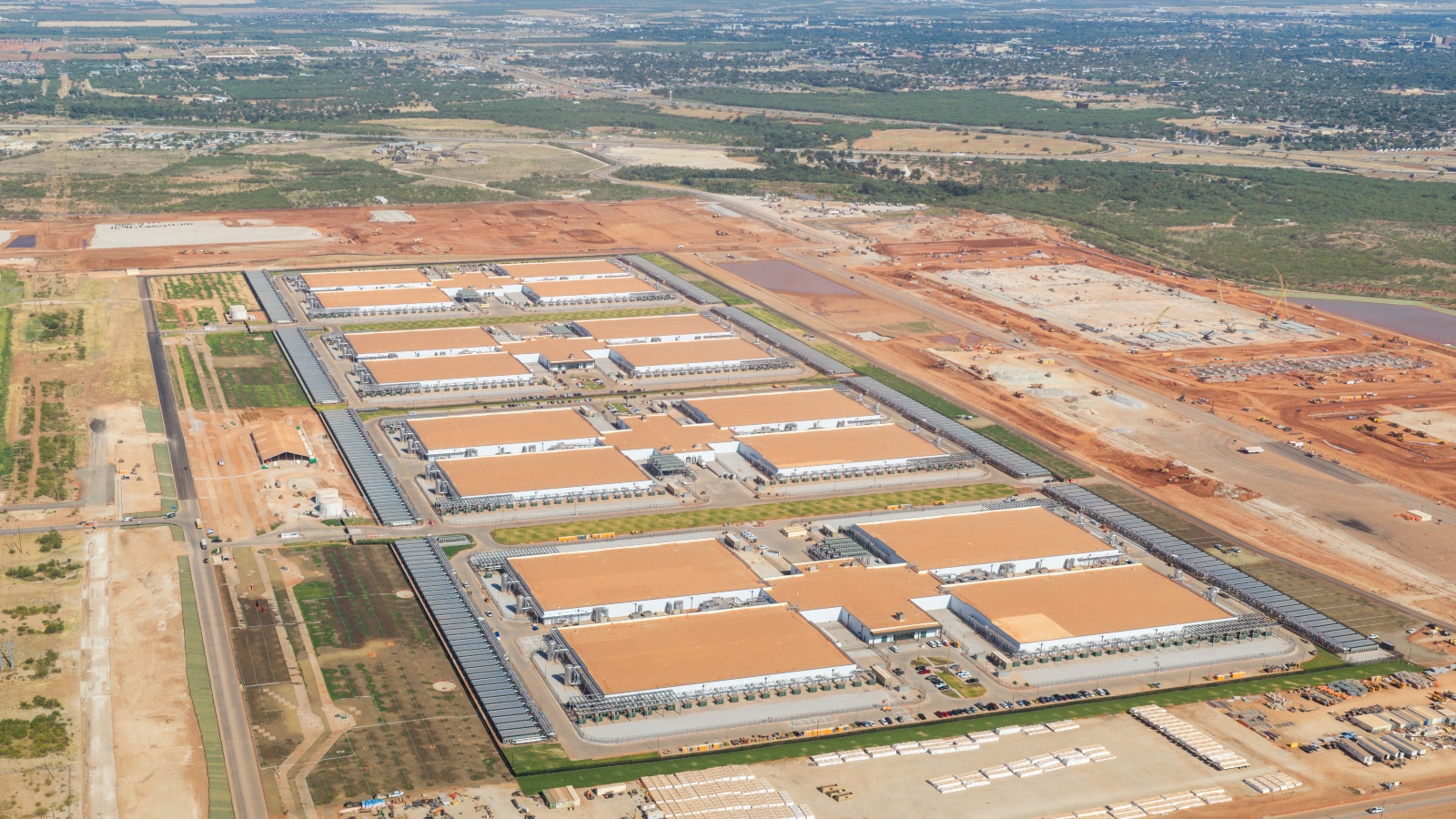
The United States currently hosts approximately 3,000 data centers, with more than 1,500 additional facilities currently in planning or early construction phases. This surge represents one of the most significant shifts in national energy consumption in decades. As these facilities are built, they create immense demand for electricity, which, in the absence of rapid renewable energy deployment, is increasingly being met by existing fossil fuel-fired power plants.
For decades, the EPA operated under a mandate to balance industrial growth with the protection of the American public from harmful emissions. However, the EPN report argues that this mission has been fundamentally undermined. Dan Costa, who served at the EPA for 35 years as a senior researcher, emphasized that the agency’s scientific rigor has been severely diminished. During his tenure, the EPA relied on a cross-disciplinary team of toxicologists, chemists, and atmospheric scientists to assess the health impacts of industrial activity. Today, he argues, that scientific capacity has been gutted, replaced by an industry-first regulatory approach.
Chronology of Deregulation
The shift in EPA policy began shortly after the start of the 2025 administration. The following timeline outlines the key milestones in the current regulatory environment:
- January 2025: The administration declares AI infrastructure a national priority, signaling an intent to bypass "heavy-handed" environmental regulations.
- Mid-2025: EPA Administrator Lee Zeldin issues an internal memo directing agency staff to prioritize the speed of data center development and minimize disruptions to power generation.
- Late 2025: The agency begins a series of rule changes that allow developers to initiate site construction and deploy power-generation infrastructure before formal air pollution permits are secured.
- Throughout 2026: Enforcement staff are instructed to limit oversight that could "unduly burden" the energy sector, leading to a noticeable decline in facility inspections and compliance reporting.
Fossil Fuel Reliance and Public Health Tolls
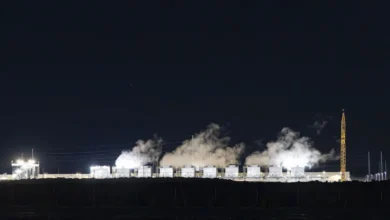
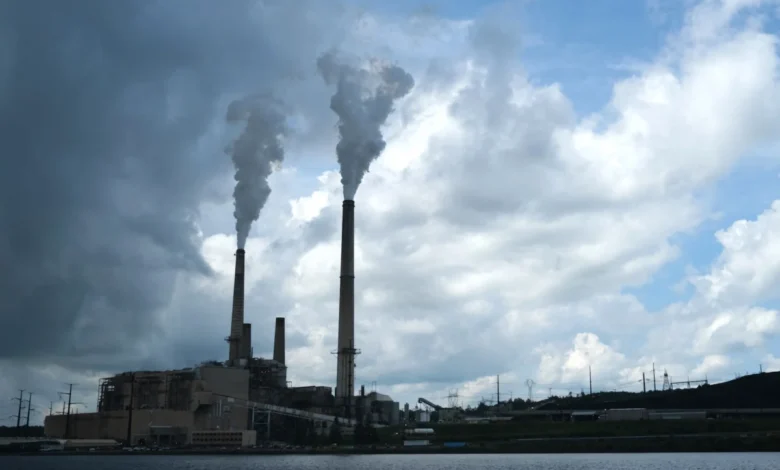
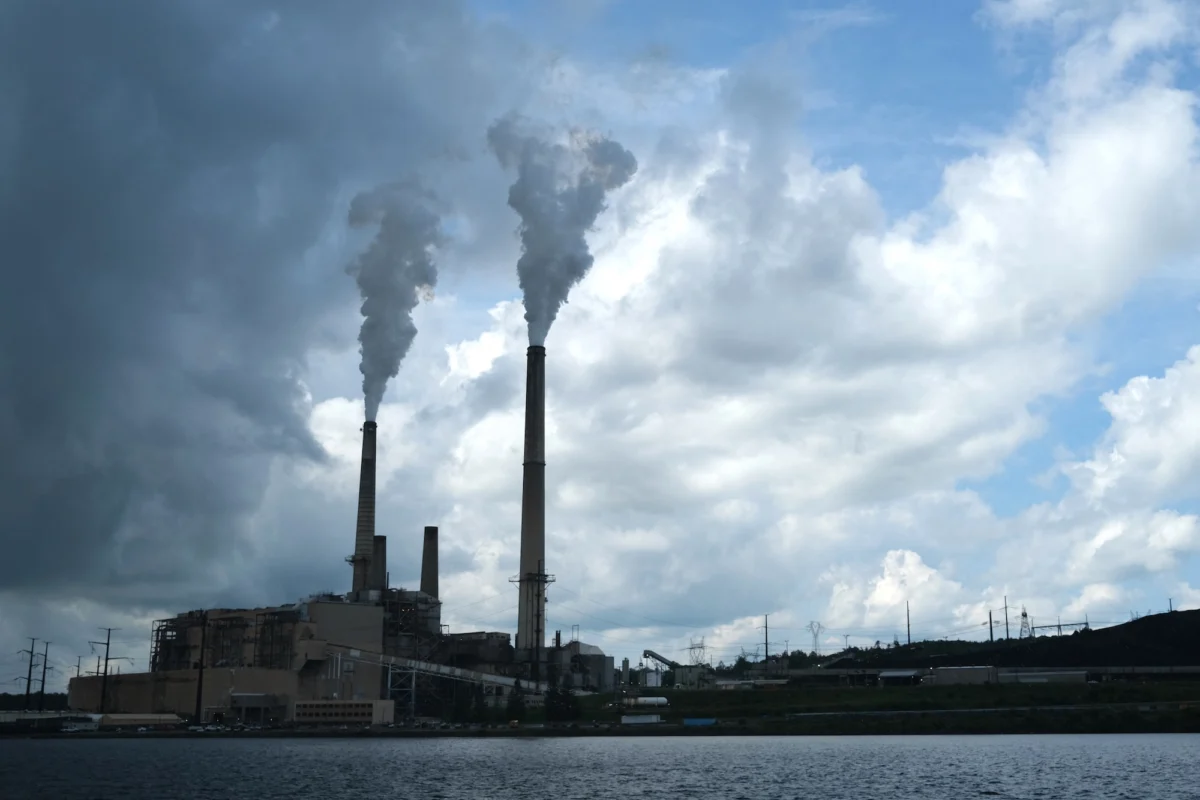
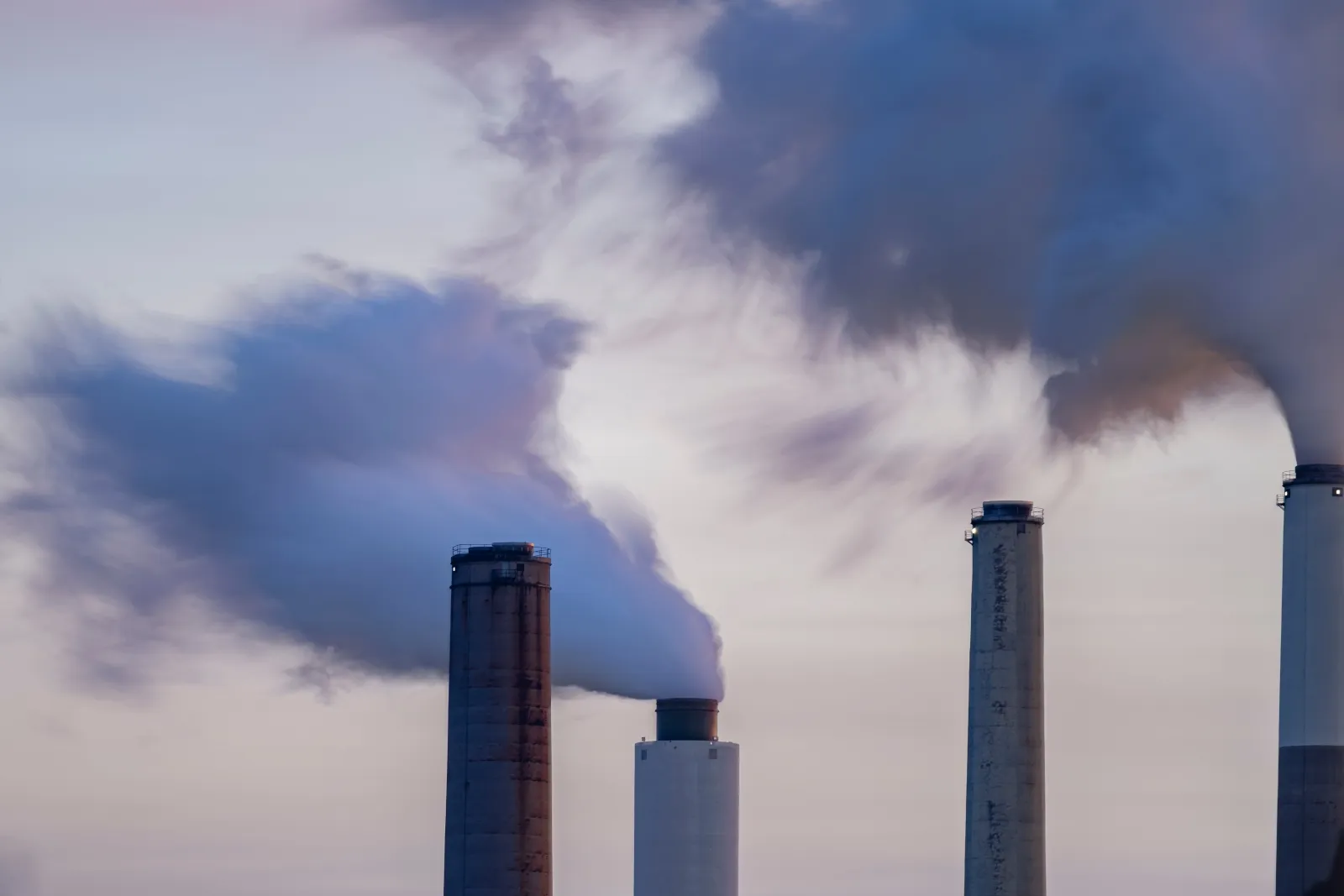
A primary concern among environmental health experts is the reliance of these data centers on carbon-intensive energy sources. To satisfy the 24/7 power requirements of AI servers, developers are increasingly keeping aging coal-fired power plants in operation far beyond their scheduled decommissioning dates. Furthermore, some large-scale hyperscale data centers are opting for onsite, fossil-fuel-powered turbines—such as those seen at xAI’s Colossus facility—to ensure power reliability, often with limited oversight of the resulting nitrogen oxide and particulate matter emissions.
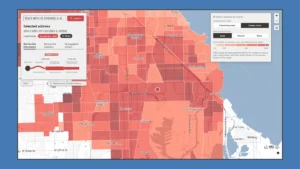
The public health implications of this strategy are severe. Scientific studies cited by the EPN suggest that the localized pollution associated with this accelerated AI-related power demand could lead to approximately 1,300 additional deaths annually.
Dr. Lynn Goldman, a physician and former EPA administrative official, explained that these health impacts are often cumulative and immediate. Increased exposure to particulate matter is clinically linked to an uptick in heart attacks, strokes, and premature births. In the long term, exposure to industrial byproducts is known to increase cancer risks. "The AI industry’s race for advantage should not be a matter of life or death," Dr. Goldman stated during a recent press briefing. "Families should not have to pay for the technological boom with their physical health."
Official Stance and Administrative Strategy
The current administration maintains that its regulatory approach is essential to maintaining national security and economic competitiveness. In his 2025 memo, EPA Administrator Lee Zeldin characterized the regulatory environment as a barrier to progress, arguing that the agency’s mission must evolve to support the goal of making the United States the "AI Capital of the World."
This directive has fundamentally changed the agency’s day-to-day operations. By shifting the EPA’s focus away from "compliance-first" enforcement, the agency has created a permissive environment where data center developers operate with unprecedented autonomy. Critics argue that this policy ignores the "externalities"—the costs borne by the public, such as increased medical expenses and loss of quality of life—that do not appear on the balance sheets of tech companies.
Broader Economic and Environmental Implications
The tension between AI development and environmental protection represents a larger conflict in modern governance: how to manage the transition to a high-tech economy without sacrificing environmental justice.
From an economic perspective, proponents of the current EPA policies argue that the speed of deployment is necessary to prevent the U.S. from losing its competitive edge to international rivals. They suggest that the "bottleneck" of environmental permitting creates a drag on the economy that the nation cannot afford during an era of rapid technological change.
However, environmental economists and former agency staff counter that this is a false dichotomy. They argue that sustainable development is not synonymous with stagnation. By gutting the EPA’s scientific research capacity, the government is not only risking public health but also operating in the dark. Without rigorous scientific modeling of how these 1,500 new data centers will affect local air quality, the nation is unable to implement targeted mitigation strategies that could protect vulnerable populations while still allowing for industrial growth.
Furthermore, the lack of transparency in the current permitting process means that communities located near proposed data centers often have little recourse to challenge developments that may significantly degrade their local environment. As the legal and regulatory landscape continues to shift, it is likely that the burden of monitoring these impacts will fall to state-level agencies and private litigation, creating a patchwork of standards that lacks the consistency of federal oversight.
Looking Ahead
The report by the Environmental Protection Network serves as a critical intervention in a national conversation that has largely ignored the physical infrastructure required to sustain the digital age. As the demand for AI processing continues to climb, the pressure on the national grid will only intensify.
If the current trajectory holds, the U.S. may see a significant increase in the prevalence of respiratory and cardiovascular issues in regions where data center clusters are concentrated. The conflict between the digital aspirations of Silicon Valley and the physical health of American communities remains unresolved. Whether the EPA will eventually return to its traditional role as a check on industrial expansion or continue to act as a facilitator for the AI sector remains a central question for the coming years.
For now, the warning from the former EPA officials is clear: the hidden costs of the AI boom are being paid in the air we breathe and the health of our most vulnerable citizens. As the nation races to define the future of technology, the absence of robust environmental guardrails risks creating a legacy of pollution that may outlast the very models it was intended to power.
Related posts: