The Battle for the Backcountry: Federal Policy Shift Threatens to Redefine Motorized Access on National Forest Lands

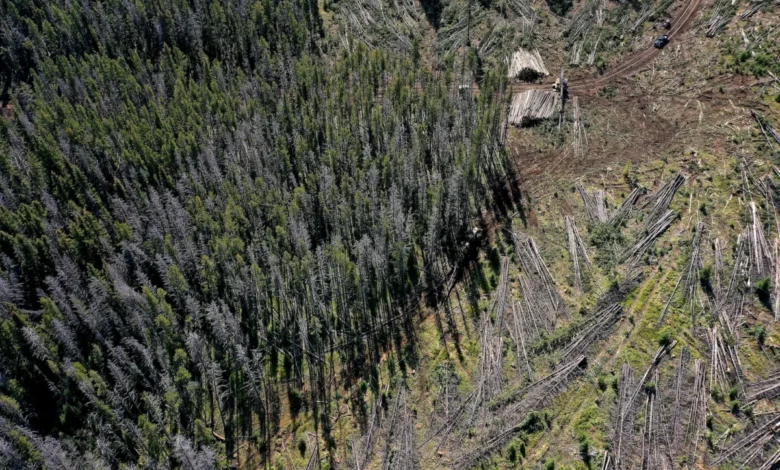
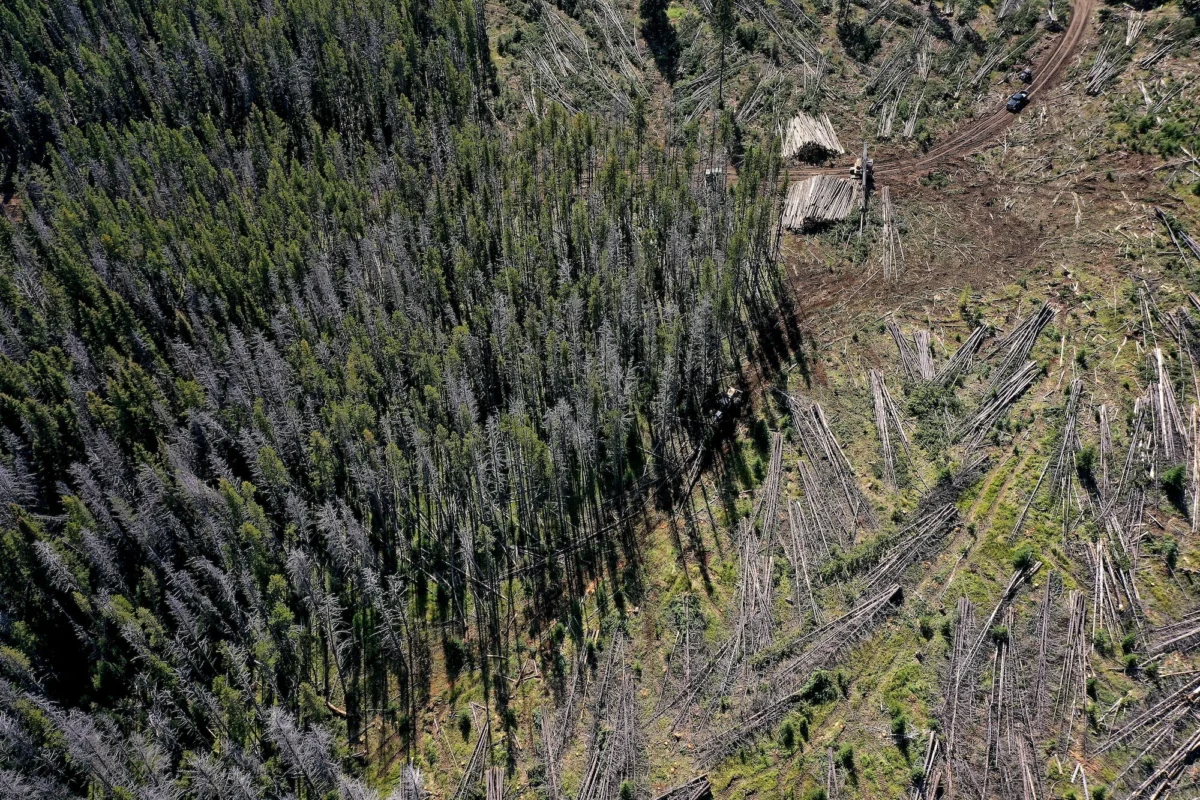
For generations, the United States Forest Service (USFS) has managed the nation’s 193 million acres of public lands under a clear, foundational philosophy: trails are closed to motorized vehicles unless explicitly designated as open. This “closed unless designated open” mandate has served as the bedrock of land management, dictating everything from where a family might hike in silence to where an off-roader can navigate a rugged ATV. Now, that decades-old regulatory framework faces a seismic challenge. The current administration has proposed a sweeping revision to the travel management rule, aiming to invert the existing standard to one where trails are open to motorized use unless explicitly designated as closed.
The proposed policy change, announced in late August, represents a significant pivot in federal land management priorities. By shifting the burden of designation from the user to the forest manager, the USDA and the Forest Service argue that the move will simplify regulatory requirements and broaden recreation access for Americans. However, the proposal has ignited a fierce debate among conservationists, sportsmen, and land management experts, who warn that the shift could lead to widespread habitat fragmentation, irreparable damage to sensitive watersheds, and the erosion of decades of conservation progress.
A Chronology of Conflict and Regulatory Evolution
To understand the weight of this proposal, one must look at the history of the Travel Management Rule, which was finalized in 2005. Before this rule, motorized recreation on national forests was often chaotic, with vehicles frequently creating "social trails"—unauthorized paths that scarred meadows, damaged wetlands, and caused erosion. The 2005 rule was designed to bring order to this chaos, requiring forests to produce official "Motor Vehicle Use Maps" (MVUMs) that clearly demarcated where vehicles were permitted.
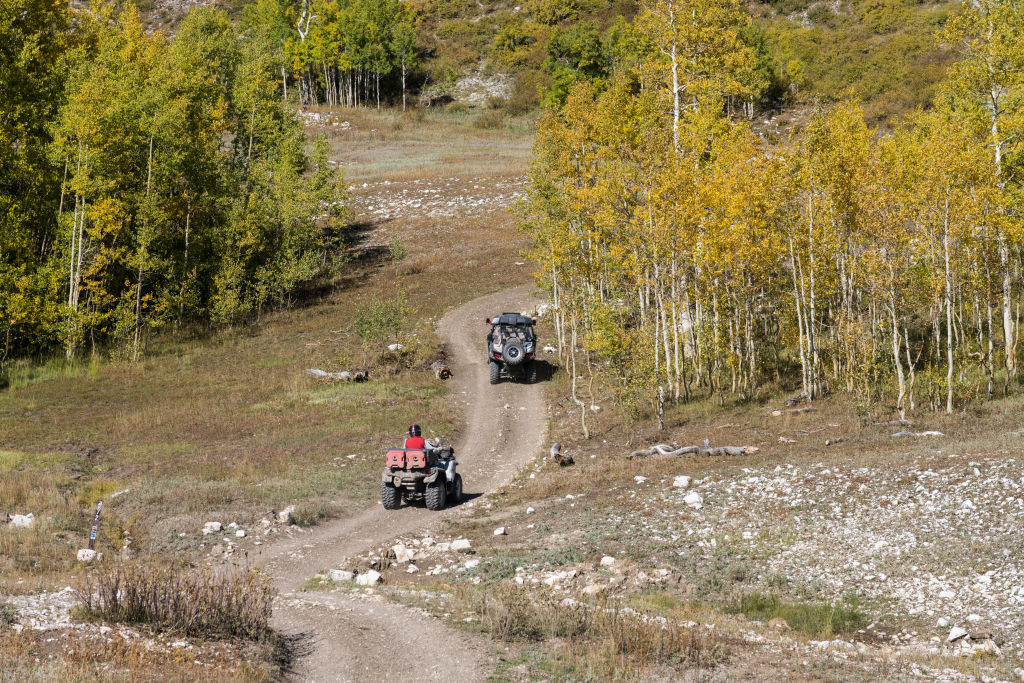
For nearly two decades, these maps have been the primary tool for rangers and visitors alike. They provided legal certainty for timber managers, grazing permit holders, and hikers, ensuring that recreational activities did not conflict with ecological health. The recent announcement to reverse this process comes in the wake of other aggressive policy shifts, most notably the effort to rescind the 2001 Roadless Area Conservation Rule. That policy, which protects roughly 45 million acres of forest from road building and commercial logging, has long been a flashpoint for political contention. The synchronized efforts to soften both the Roadless Rule and the Travel Management Rule suggest a broader, systemic move to prioritize industrial and motorized access over the preservation of intact wilderness.
Environmental Consequences: Lessons from the Middle Fork
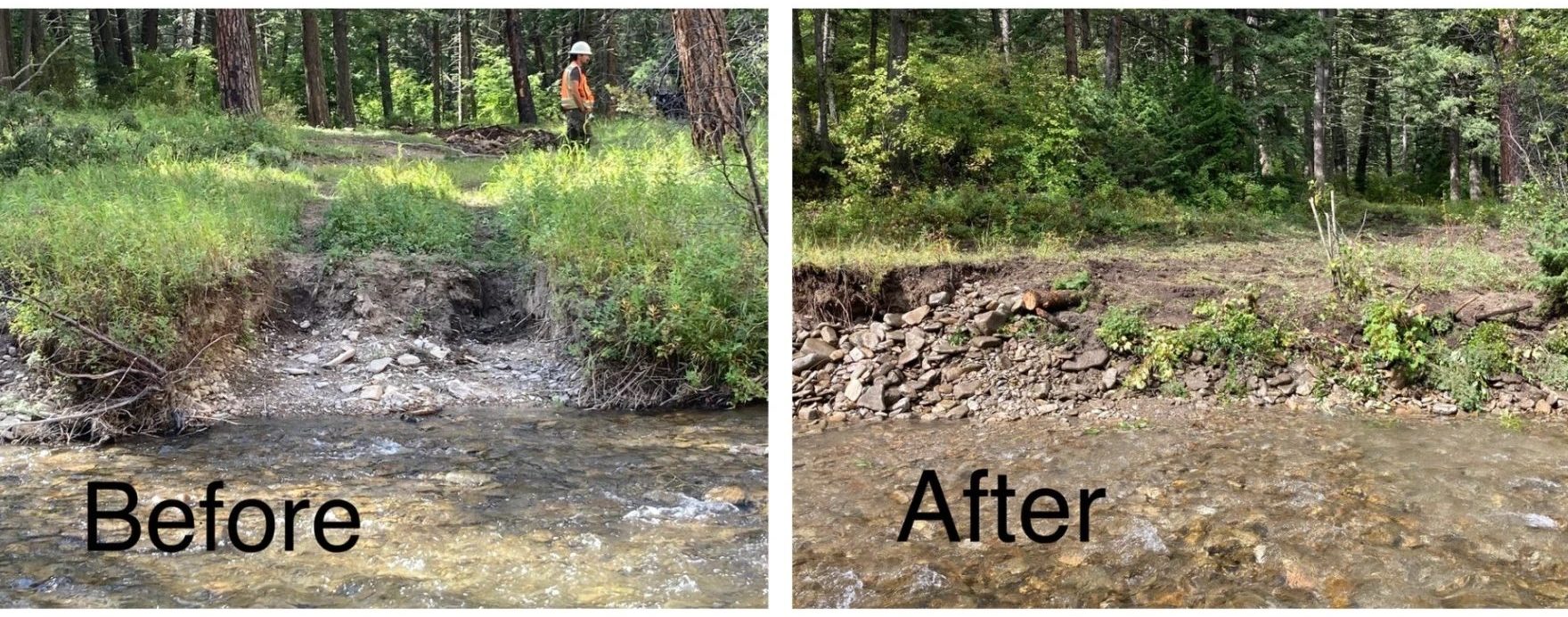
The potential impacts of such a policy are not merely theoretical; they are rooted in documented environmental history. Chris Edgington, a watershed project manager with Montana Trout Unlimited, has witnessed the tangible destruction that occurs when motorized traffic is permitted in ecologically fragile corridors. In the Middle Fork of the Judith River, which winds through Montana’s Little Belt Mountains, the impact of uncontrolled vehicle crossings was profound.
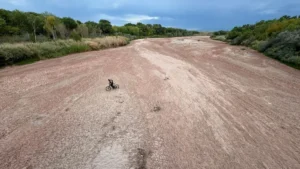
Prior to 2023, the river was crisscrossed by more than 80 unauthorized vehicle entrances. These crossings served as conduits for sediment, which smothered the riverbed, choked off spawning grounds for threatened cutthroat trout, and stunted the insect populations necessary to sustain the aquatic food web. By 2020, data indicated that the fish population had plummeted to less than 10 percent of expected levels for a river of that character. The subsequent restoration effort—a massive collaborative project between the Forest Service, motorized recreation groups, and conservationists—required the reduction of crossings by 80 percent and the rerouting of trails to protect the riverbank.
Edgington’s experience highlights the danger of the proposed rule change: if motorized use becomes the default, the delicate, iterative work of restoring degraded ecosystems will become significantly more difficult and expensive. “Cold, clean water is a finite resource,” Edgington noted. “When you remove the guardrails provided by existing travel management plans, you are effectively gambling with the long-term viability of these fisheries.”
The Argument for Access: A Conflict of Priorities
Proponents of the policy change maintain that the current system is overly bureaucratic and exclusionary. Kerry White, who leads the Bozeman-based nonprofit Citizens for Balanced Use, argues that the current "closed unless open" system often prevents people with limited mobility—including the elderly and those with physical injuries—from accessing the deep woods. For many in the motorized recreation community, the Forest Service’s existing maps are seen as a tool of restriction rather than a tool of protection.
“Without roads and trails, people can’t get out in the woods,” White said. “This is public land, and there is a segment of the population that requires motorized transport to enjoy these areas. By making everything open unless posted closed, it puts the onus on the agency to be precise and clear about where the boundaries lie.”
However, critics point out that the Forest Service is already struggling with a massive backlog of maintenance and staffing shortages. Adding the responsibility of posting and maintaining signs on every conceivable trail, two-track road, and backcountry access point is, according to many experts, a logistical impossibility. Hillary Eisen, federal policy director for Wild Montana, argues that without the current, clear designations, the default state of the forest will become one of confusion. "If you can get a side-by-side on it, someone will," Eisen said. "Without clear guidelines, the ‘open unless closed’ policy invites motorized users into every corner of the landscape, including areas that are not physically or ecologically suited for such traffic."
Broader Implications for Public Land Stewardship
The proposed change does not exist in a vacuum. It is part of a larger, ongoing effort by the current administration to redefine the mission of the Department of Agriculture and the Forest Service. The reversal of the Roadless Rule and the potential gutting of the Travel Management Rule have drawn sharp criticism from groups who view public lands as a legacy to be held in trust for future generations.
Data from the first round of public comments on the roadless rule proposal showed overwhelming opposition, with 99 percent of respondents urging the agency to maintain existing protections. The Forest Service’s recent decision to extend the public comment period by 15 days, pushing the deadline to October 6, reflects the significant pushback the agency has received. Yet, for advocates like Eisen, the concern goes beyond any single policy. It touches on the fundamental question of what public lands are for.
“The intent of Congress when it created these systems was sustained yield and conservation,” Eisen noted. “The regulations we have in place are the mechanics that ensure that these lands remain viable for our children and grandchildren. When you start pulling at these threads, you aren’t just changing a map; you’re changing the fundamental nature of the American forest experience.”
Economic and Ecological Analysis
From a fiscal perspective, the proposed policy change could create a paradoxical scenario for taxpayers. The government spends millions of dollars annually on watershed restoration, wildlife habitat improvement, and trail maintenance. If the new rule leads to increased habitat fragmentation—which research shows correlates with the spread of invasive species and an increased risk of human-caused wildfires—the cost of mitigation may far outweigh any administrative savings gained from simplifying the "open/closed" designation process.
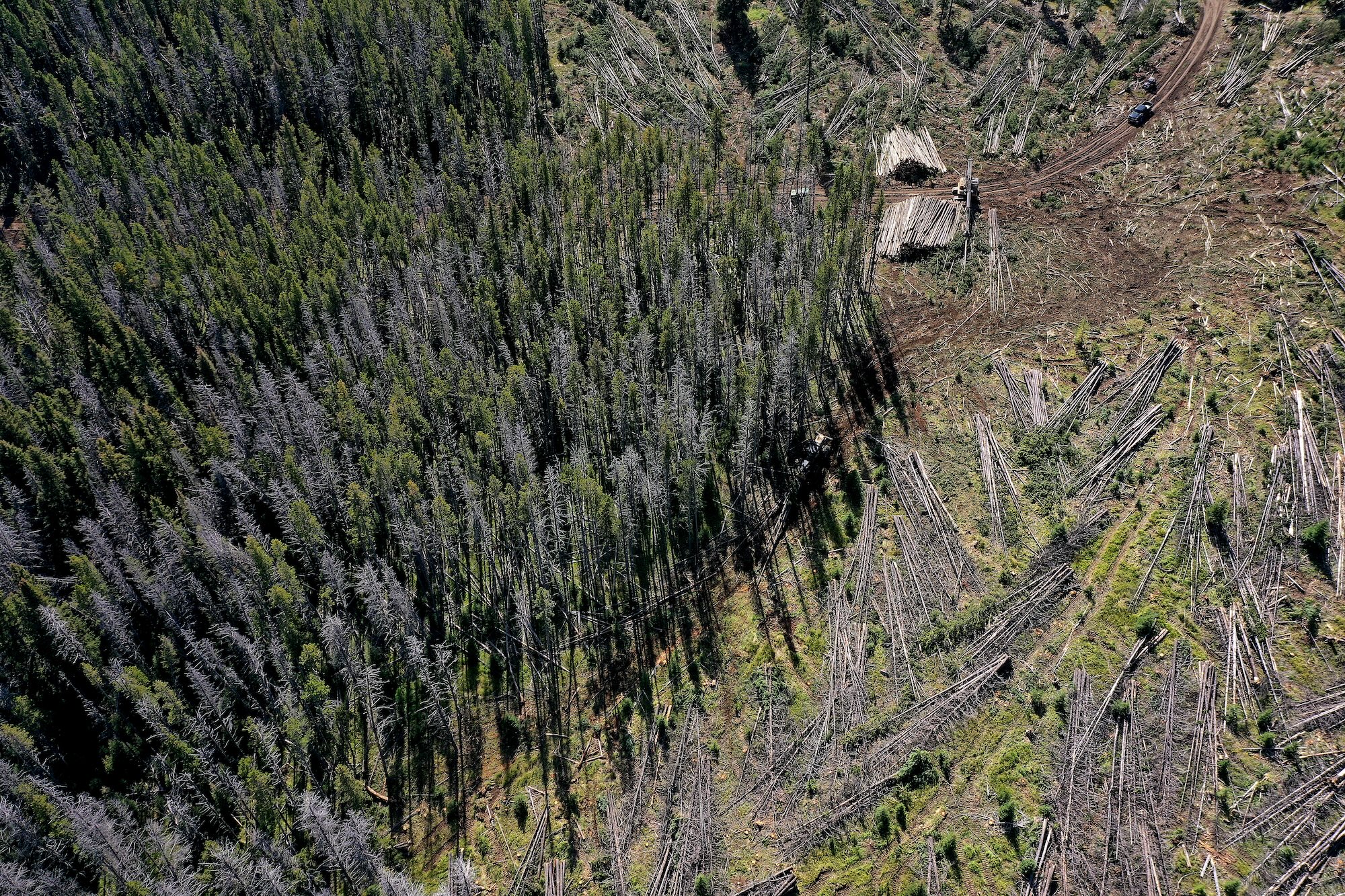
Furthermore, the fragmentation of habitat is a critical concern in a warming climate. Large, intact forest blocks are essential for carbon sequestration and providing corridors for wildlife migration as species adjust to changing temperature ranges. By opening more backcountry areas to motorized use, the agency risks creating "islands" of habitat that are no longer connected, thereby reducing the resilience of the ecosystem to environmental stressors.
As the public comment period for the Travel Management Rule continues through September 23, the discourse remains polarized. On one side, a coalition of motorized recreationists, industry groups, and proponents of expanded access are pushing for a model that prioritizes individual utility. On the other, a broad alliance of anglers, hunters, conservationists, and recreation groups are warning that the loss of the current framework will lead to a "tragedy of the commons" scenario, where the overuse of sensitive landscapes destroys the very features that draw people to the woods in the first place.
Ultimately, the decision rests with the Forest Service. The agency must weigh the demand for greater accessibility against its mandate to protect the long-term health of the national forest system. The outcome of this policy shift will likely set the tone for public land management for the next several decades, determining whether the nation’s forests remain managed landscapes of distinct, protected zones or transition into an open-access system where the motorized footprint is limited only by the ruggedness of the terrain. For those who manage the rivers, trails, and forests of the American West, the stakes could not be higher.