The Geothermal Gold Rush: How Tech Giants are Racing to Unlock the Earth’s Core for Carbon-Free Energy

Deep beneath the jagged peaks of the Rocky Mountains, the expansive ridges of the Sierra Nevada, and the parched basins of the American West, lies an immense, untapped reservoir of thermal energy. For decades, this subterranean heat remained largely ignored, overshadowed by the abundance of fossil fuels and the rapid rise of intermittent renewables like solar and wind. However, a seismic shift in energy demand—driven by the insatiable power needs of artificial intelligence and cloud computing—has thrust geothermal energy into the spotlight. As tech giants scramble to meet aggressive decarbonization mandates while keeping their massive data centers running 24/7, a new generation of geothermal startups is leveraging advanced drilling techniques to capture the planet’s internal heat, setting the stage for a critical collision between energy innovation and regional water scarcity.
The Catalyst: Data Centers and the Search for Firm Power
The modern digital economy operates on the premise of "always-on" connectivity. Data centers, the physical backbone of the internet and the current AI boom, require a constant, uninterrupted flow of electricity to function. While solar and wind are increasingly affordable, they are inherently intermittent, requiring expensive battery storage or backup generation from fossil fuels—typically natural gas—to bridge the gaps during cloudy days or still nights.
For corporations like Google, Meta, and Oracle, the pressure to meet sustainability goals while scaling infrastructure has created a "firm power" crisis. Geothermal energy, which provides a steady, baseload supply of carbon-free electricity regardless of weather conditions, has emerged as the "holy grail" of the green energy transition. This demand has triggered a flurry of activity in the Mountain West. In June 2025, Meta solidified its commitment to the sector by signing a landmark agreement with a geothermal developer in New Mexico. Shortly thereafter, Google announced a massive contract to procure 396 megawatts of power from Fervo Energy’s Cape Station facility in southwest Utah. This singular deal is expected to supply enough electricity to power approximately 430,000 households, marking a significant milestone in the commercial viability of next-generation geothermal.
From Oil Wells to Geothermal Fields: A Technological Evolution
The current boom is not a return to the traditional geothermal energy of the 20th century. Conventional geothermal requires the "perfect storm" of geological conditions: naturally occurring heat, permeability, and water trapped in underground reservoirs. These conditions are rare, limiting traditional plants to specific volcanic or tectonic hotspots.
The new wave of geothermal companies, such as Fervo Energy and XGS Energy, are utilizing advanced techniques borrowed from the oil and gas sector—specifically horizontal drilling and hydraulic fracturing—to "manufacture" their own geothermal reservoirs. By drilling miles into the Earth’s crust and creating artificial fractures, developers can circulate fluid through hot rock, extracting heat that was previously inaccessible.
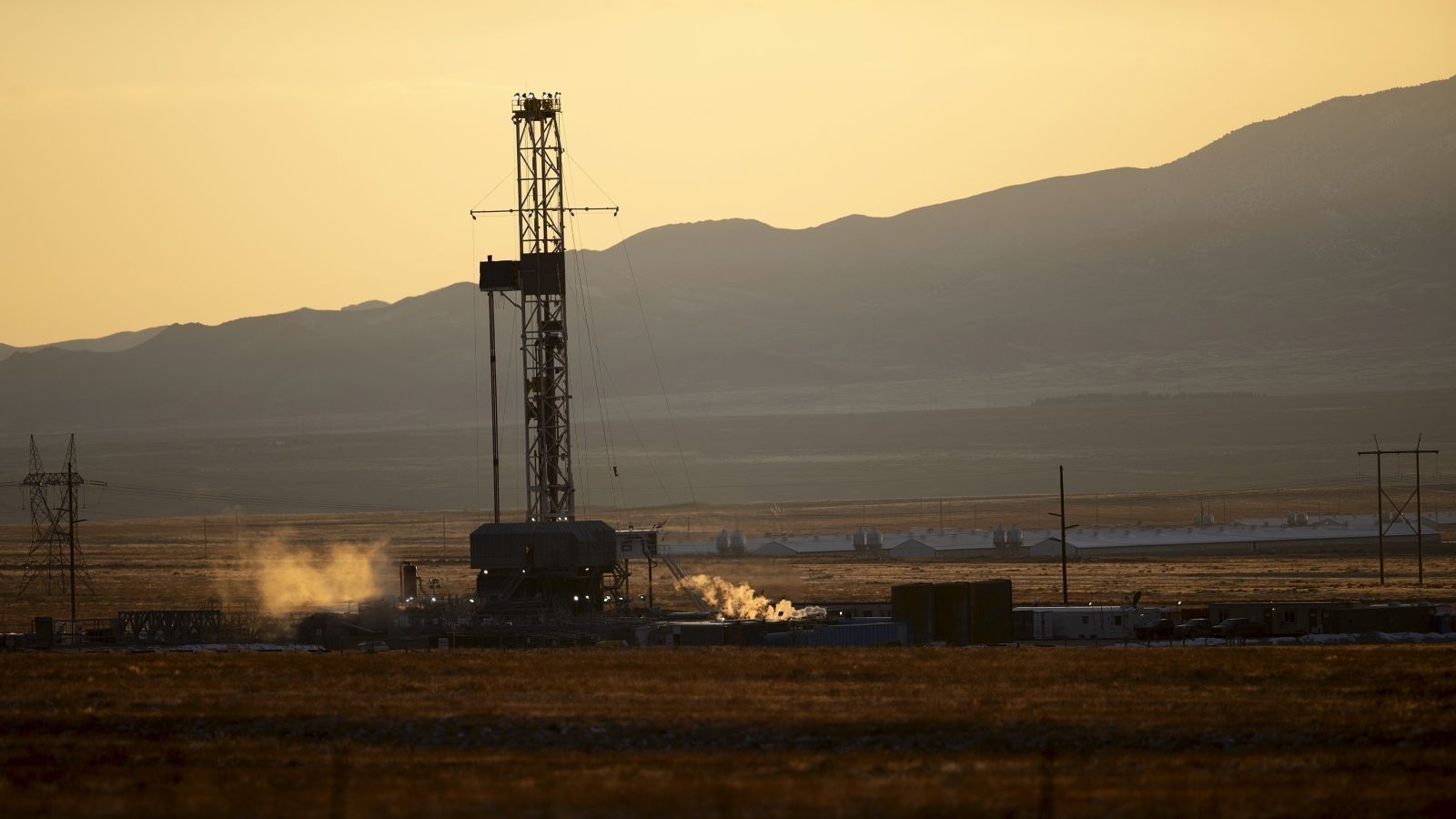
This evolution has been rapid. A timeline of recent developments illustrates the momentum:
- 2023: The U.S. Department of Energy (DOE) intensifies funding for "Enhanced Geothermal Systems" (EGS), recognizing their potential to provide 90 gigawatts of power by 2050.
- 2024: Fervo Energy’s "Project Red" in Nevada successfully proves the concept of commercial-scale enhanced geothermal, providing consistent power to the grid.
- 2025: A record-breaking federal auction for geothermal leases on public lands in Utah signals a surge in developer interest, with per-acre bids reaching historic highs.
- 2026: Major tech companies, including Oracle and Meta, officially pivot toward geothermal as a primary strategy to offset the carbon footprint of their massive data center expansions.
The Water Paradox: A High-Stakes Resource Conflict
While geothermal energy is carbon-free, it is not necessarily "water-free." The irony of developing geothermal in the arid West is not lost on hydrologists or environmental regulators. Most geothermal systems require significant water volumes for two primary functions: cooling the power plant and serving as the working fluid that travels underground to capture heat.
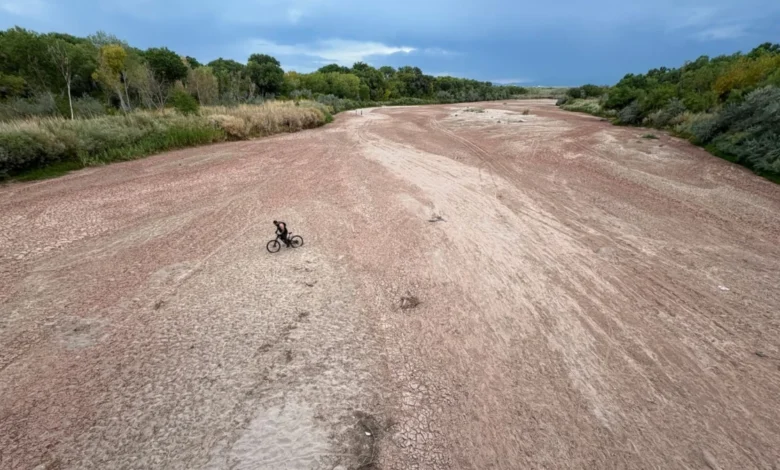
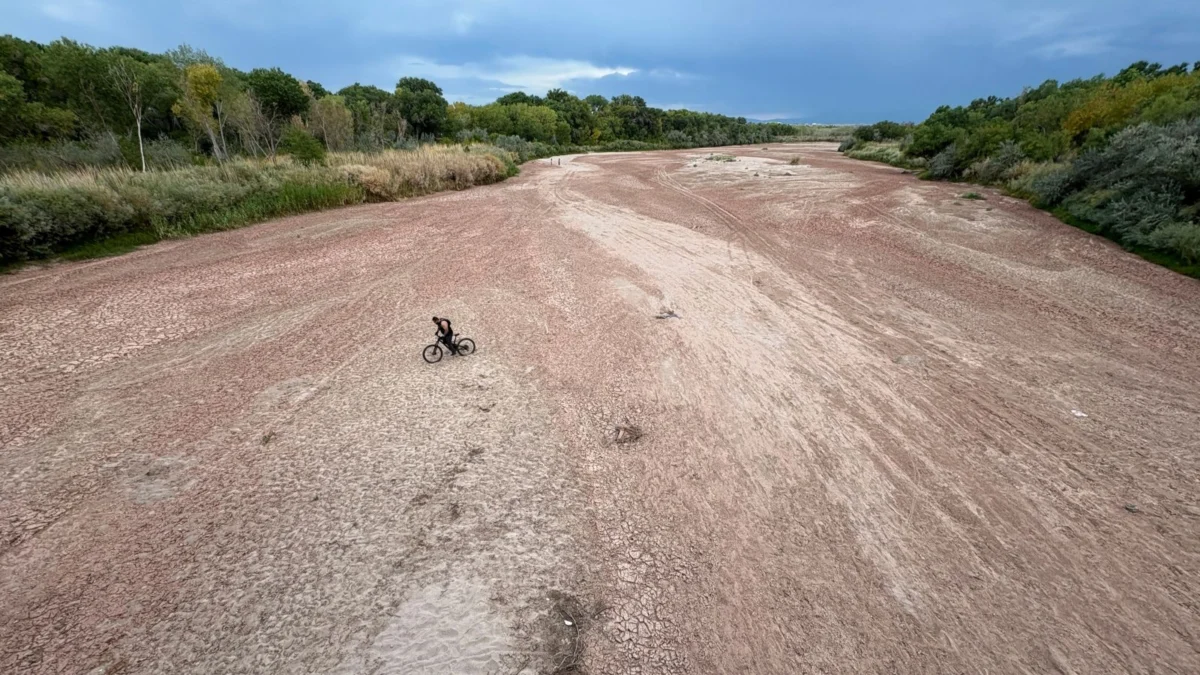
In regions like New Mexico and Utah, which are grappling with decades-long drought and dwindling aquifers, the prospect of industrial-scale water consumption is contentious. When a data center is built, it already requires vast amounts of water for cooling servers; layering a "thirsty" geothermal plant on top of that demand creates a localized resource strain.
This has prompted a split in the industry between "enhanced" and "closed-loop" technologies. Companies like XGS Energy are championing closed-loop systems that cycle a working fluid through a sealed pipe network, theoretically preventing water loss to evaporation or seepage. Proponents argue this is the only way to scale geothermal in drought-prone areas. However, critics, including experts from Stanford University’s geothermal program, point to the thermodynamic limitations of these designs. Closed-loop systems currently struggle to match the high-output capacity of enhanced systems, often resulting in lower power generation per well and higher costs.
Analytical Outlook: The Math of Sustainability
The challenge of scale is best exemplified by the recent proposal by Oracle to construct up to 2 gigawatts of new renewable capacity in New Mexico. While the move was intended to placate critics of the company’s gas-powered data center project, the water implications are staggering. According to independent analysis by the Utah FORGE laboratory—a premier geothermal research facility—powering such a massive load exclusively through enhanced geothermal could require up to 42 million gallons of water per day. To put this in perspective, that volume represents nearly half of the total daily water demand for the city of Albuquerque.
"This is a real problem that the industry absolutely needs to figure out," notes Kristie McLin, a lead investigator at Utah FORGE. "When the water is additive—meaning it is being pulled from a system where every drop is already allocated for agriculture or municipal use—the sustainability narrative starts to fray."
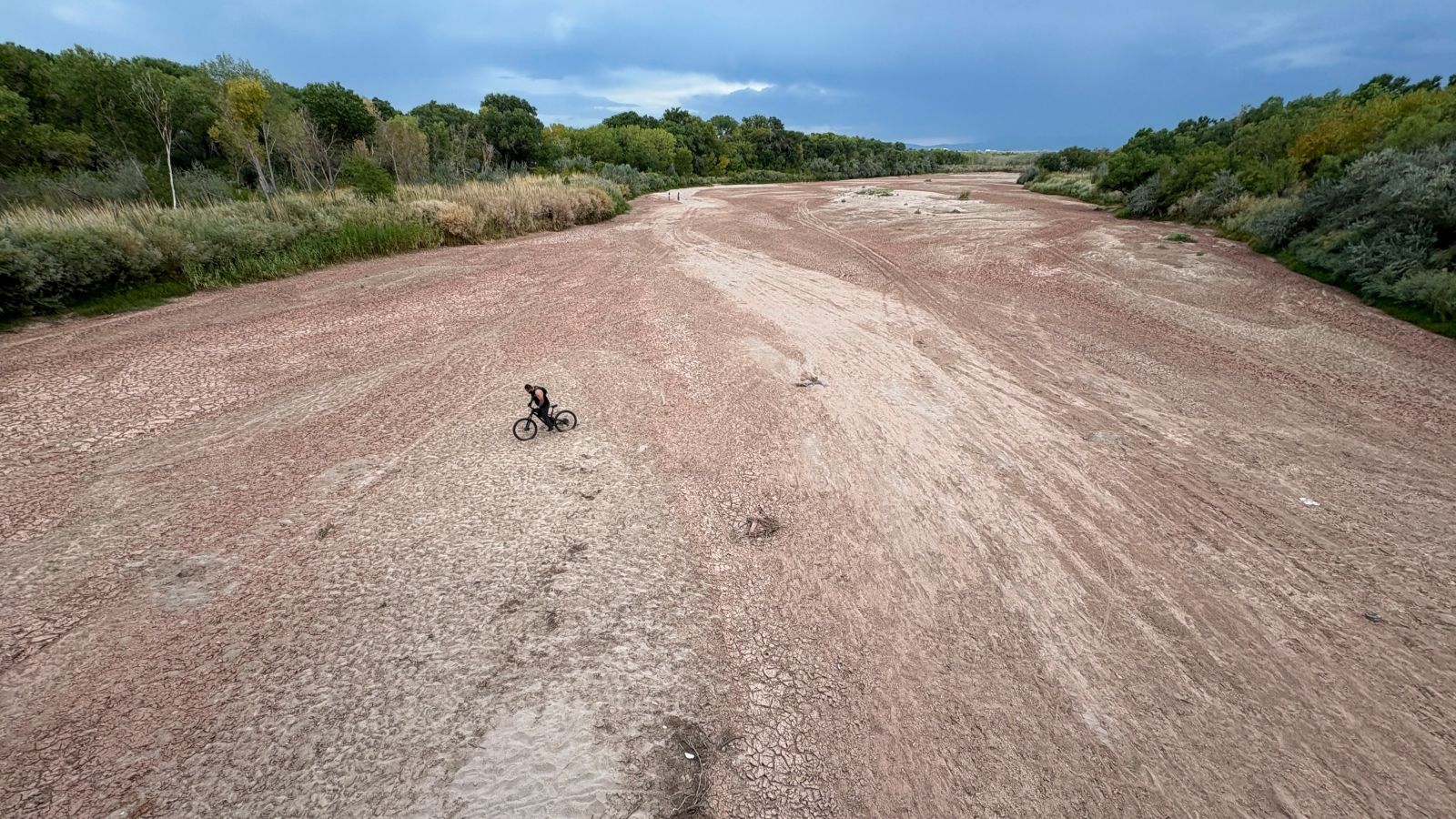
The industry is responding with innovation. Researchers at Utah FORGE are currently testing new well-spacing patterns and injection techniques designed to minimize water loss. Furthermore, some developers are pivoting to non-potable sources, such as brackish groundwater or industrial wastewater, to avoid competing with residential needs. However, these alternatives come with their own set of environmental risks and logistical costs.
Broader Implications for the Western Grid
The success of geothermal in the Mountain West has implications far beyond the walls of data centers. California, which aims to reach 100 percent clean electricity by 2045, is closely watching these developments. Having reached a point where more than half of its electricity is sourced from renewables, California faces the "duck curve"—a phenomenon where solar generation peaks during the day but drops off just as demand spikes in the evening.
State regulators have already mandated that utilities procure a gigawatt of "clean firm power" by 2026. This mandate has effectively created a guaranteed market for geothermal developers, with California utilities already signing contracts for energy from Utah-based projects. For the grid, geothermal acts as the ultimate stabilizer—a "battery" that never runs out of charge, provided the geological and water-management challenges can be overcome.
The Path Forward: Balancing Innovation and Preservation
As the race for clean, reliable power intensifies, the geothermal industry stands at a crossroads. It possesses the technology to revolutionize the American energy landscape, offering a viable alternative to the gas turbines that many tech firms would otherwise rely upon. Yet, its long-term viability hinges on its ability to decouple power production from the consumption of scarce water resources.
The future of geothermal will likely be defined by a mix of high-output enhanced systems for urban hubs and water-conservative closed-loop designs for more isolated, arid regions. As Mike O’Connor of the Mountain West Geothermal Consortium aptly stated, the argument for geothermal is independent of the data center boom; it is a fundamental pillar of a resilient, decarbonized future. However, for that pillar to hold, developers must move beyond the "move fast and break things" ethos of the tech sector and adopt a more cautious, site-specific approach to resource management.
The next five years will be decisive. With federal land auctions, multi-gigawatt procurement deals, and rigorous scientific research happening in tandem, the geothermal industry is no longer a niche pursuit. It is a central player in the global climate strategy, provided it can prove that it can power the digital age without draining the very landscapes it seeks to save. As the industry matures, the integration of advanced water-recycling technology, improved drilling economics, and transparent, data-driven planning will be the metrics by which its true success is measured. The heat beneath our feet is abundant, but the water required to harvest it remains the true currency of the American West.