The Climate Reserve: A Strategic Response to the Systematic Dismantling of American Climate Science

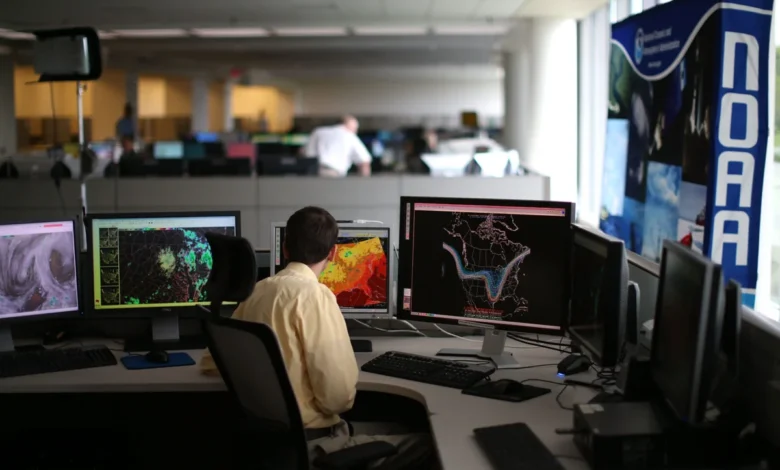
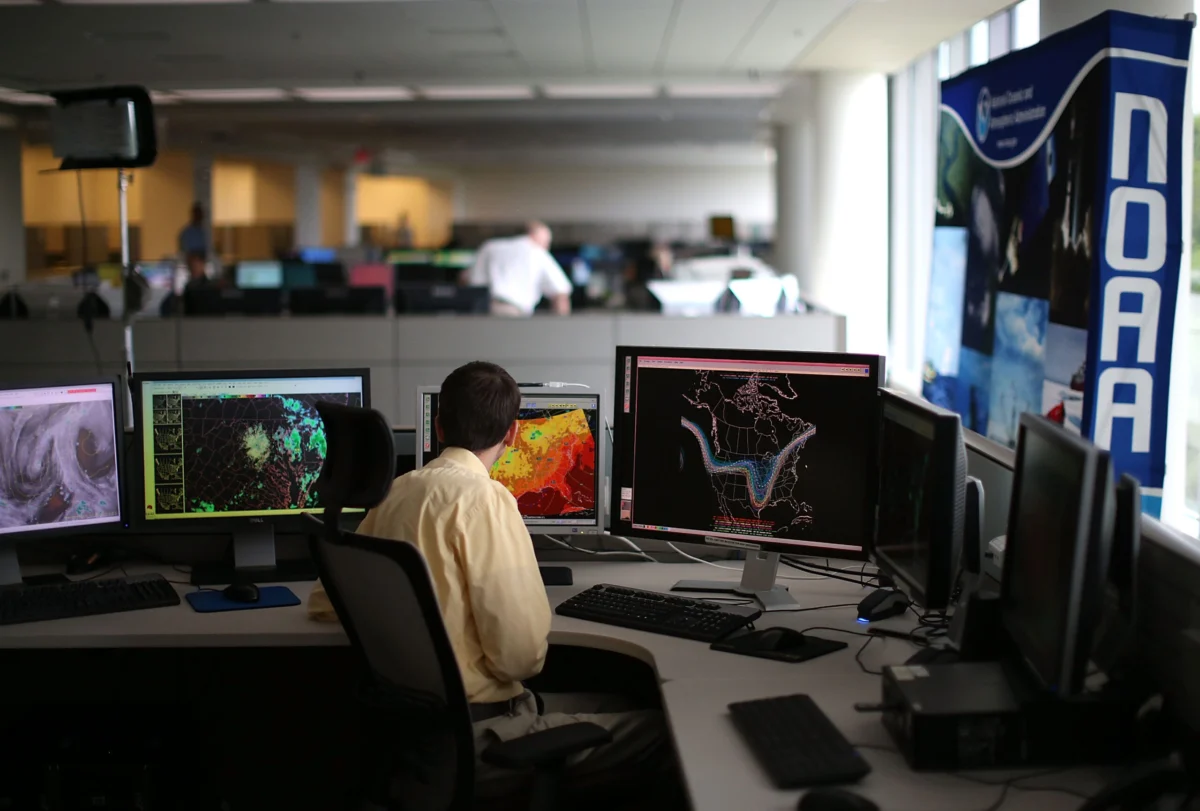
The past twelve months have represented a period of profound instability for the American scientific community. Following the commencement of President Donald Trump’s second term, a series of aggressive administrative actions resulted in the widespread termination of federal climate research programs. These policy shifts, characterized by the slashing of billions of dollars in research grants and the forced departure of thousands of specialized federal employees from agencies such as the Environmental Protection Agency (EPA) and the National Oceanic and Atmospheric Administration (NOAA), have fundamentally altered the landscape of environmental science in the United States. In response to this unprecedented institutional vacuum, a coalition of displaced experts has launched the Climate Reserve, an initiative designed to salvage critical research projects and provide a professional safety net for scientists navigating the fallout of federal disinvestment.
A Timeline of Institutional Retrenchment
The erosion of federal climate science did not happen in a vacuum, but rather through a rapid series of executive decisions that began almost immediately following the inauguration. In the early weeks of the administration, a directive was issued to review and subsequently defund a broad spectrum of climate-focused initiatives. By the end of the first quarter of the year, major grant programs managed by the National Science Foundation and the Department of Energy had been shuttered.
By July of last year, the scale of the displacement became clear. The Aspen Global Change Institute convened a workshop in Colorado, bringing together more than 30 senior climate experts to assess the damage. Many of these attendees were themselves newly unemployed, having been part of the senior leadership or research staff within the Biden administration’s environmental agencies. It was during these sessions that the conceptual framework for the Climate Reserve was formalized. The mission was not merely to find new employment for displaced workers, but to ensure that the "institutional memory" of the federal government—the specialized knowledge of how to monitor emissions, track sea-level rise, and model climate feedback loops—was not permanently lost to the public domain.
The Operational Model: Movement Generosity
At the helm of the Climate Reserve is Aparna Shrivastava, a former senior climate official who witnessed the immediate aftermath of the funding cuts. Shrivastava describes the formation of the initiative as a "parachute" for the scientific workforce. Unlike traditional academic or private sector hiring, which often emphasizes institutional competition, the Climate Reserve operates on a philosophy its founders term "movement generosity."
This philosophy mandates a collaborative approach to resource allocation. Rather than hoarding talent within a single organization, the Reserve often negotiates arrangements where a single expert may split their time between multiple nonprofits or research institutions. This strategy serves two purposes: it reduces the financial burden on individual organizations and ensures that critical, cross-disciplinary projects—such as the integration of satellite-based methane detection with regional climate policy—are managed with consistency.
Ben Poulter, who oversees an emissions-monitoring program at the climate solutions nonprofit Spark, has become a key partner in this network. Poulter notes that the fragmentation of the scientific community was the administration’s most effective tool for silencing environmental data. By centralizing the support system for these experts, the Climate Reserve prevents that fragmentation from becoming irreversible. "We are all in the same boat," Poulter stated. "The goal is to maintain the continuity of data sets that would otherwise be abandoned."
Impact on Critical Data Infrastructure
The consequences of the federal cuts extend far beyond the loss of individual jobs; they threaten the integrity of data infrastructure upon which the global climate community relies. Among the projects salvaged by the Climate Reserve is EJScreen, an essential online mapping tool that identifies communities disproportionately affected by pollution. Following the withdrawal of federal funding, the project faced a complete cessation of maintenance. Through a partnership with the Open Environmental Data Project, the Climate Reserve was able to hire a former Biden-era senior advisor for environmental justice to ensure the tool remains functional and updated.

The Reserve is also currently supporting international efforts that were previously managed through bilateral government agreements. These include:
- Methane Monitoring: Coordinating satellite data analysis across five African nations to improve the accuracy of global greenhouse gas emission reports.
- Sea-Level Mapping: A longitudinal study tracking the impacts of rising ocean levels on coastal communities in Panama, a project that was deemed "non-essential" by federal budget reviewers earlier this year.
- Feedback Loop Research: Investigating how warming wetlands accelerate the release of stored carbon, a critical variable often missing from predictive climate models.
The Risks of Operating in a Hostile Climate
The need for the Climate Reserve is underscored by the current political environment. The group’s leadership has adopted a policy of strategic secrecy regarding certain fellows and projects. This measure is intended to protect researchers from further punitive actions, as many of these individuals still apply for various federal grants or interact with government-funded university systems. The administration has shown a willingness to utilize funding mechanisms as a tool of political enforcement, making transparency a double-edged sword for the scientists involved.
However, the organization is beginning to step into the public eye as it seeks to scale its operations. Shrivastava reports that the group has already funded more than 50 positions, with plans to triple that number by the end of the next fiscal year. The anecdotal evidence of the crisis is pervasive; Shrivastava noted that her own driver to the airport during a recent fundraising trip was a former climate and energy expert who had been displaced from his federal role.
Broader Implications for Science Policy
The rise of the Climate Reserve highlights a growing tension between federal administrative policy and the requirements of scientific consensus. While the organization is effectively filling a gap, observers note that it cannot act as a permanent replacement for the federal government. The scope of federal environmental oversight—ranging from regulatory enforcement to national health monitoring—requires resources that far exceed what private philanthropy or nonprofit networks can provide.
John Balbus, a former senior official at the Department of Health and Human Services (HHS) and now a Climate Reserve fellow, emphasizes that the necessity for this work is only increasing. Balbus spent 15 years within the federal government, specializing in the intersection of climate and public health, including the development of seasonal forecasts for extreme heat events. He warns that the degradation of this knowledge base poses a long-term threat to national security and public health infrastructure. "The need is not going to subside," Balbus said. "If anything, the environmental pressures on our health systems are becoming more acute with every passing season."
Future Outlook
As the Climate Reserve transitions from a crisis-response network to a more formal structure, its founders hope that the collaborative systems they are building will endure even if federal interest in climate science is eventually restored. By establishing a "reserve" of talent and expertise, the initiative aims to build a more resilient scientific community capable of surviving cyclical political shifts.
The project is currently seeking to expand its endowment to support more fellows in the coming year, with a focus on retaining early-career scientists who might otherwise leave the field entirely due to the lack of job security. Whether the model can survive as a permanent fixture of the American scientific landscape remains to be seen, but for now, it serves as the primary conduit for maintaining the continuity of climate research in an era of systematic federal withdrawal. The effort stands as a testament to the resilience of the scientific workforce, proving that even when the state apparatus for climate action is dismantled, the community of experts remains committed to the empirical study of the warming planet.
Related posts: