The Economic Crisis of Record Diesel Prices and the Growing Call for Export Bans

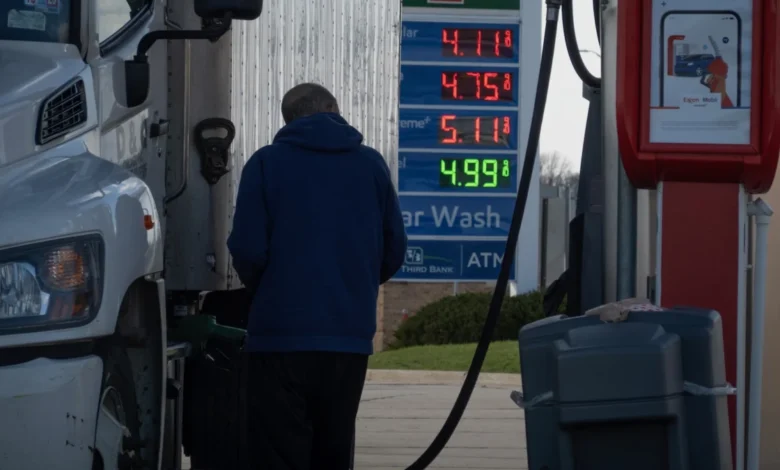
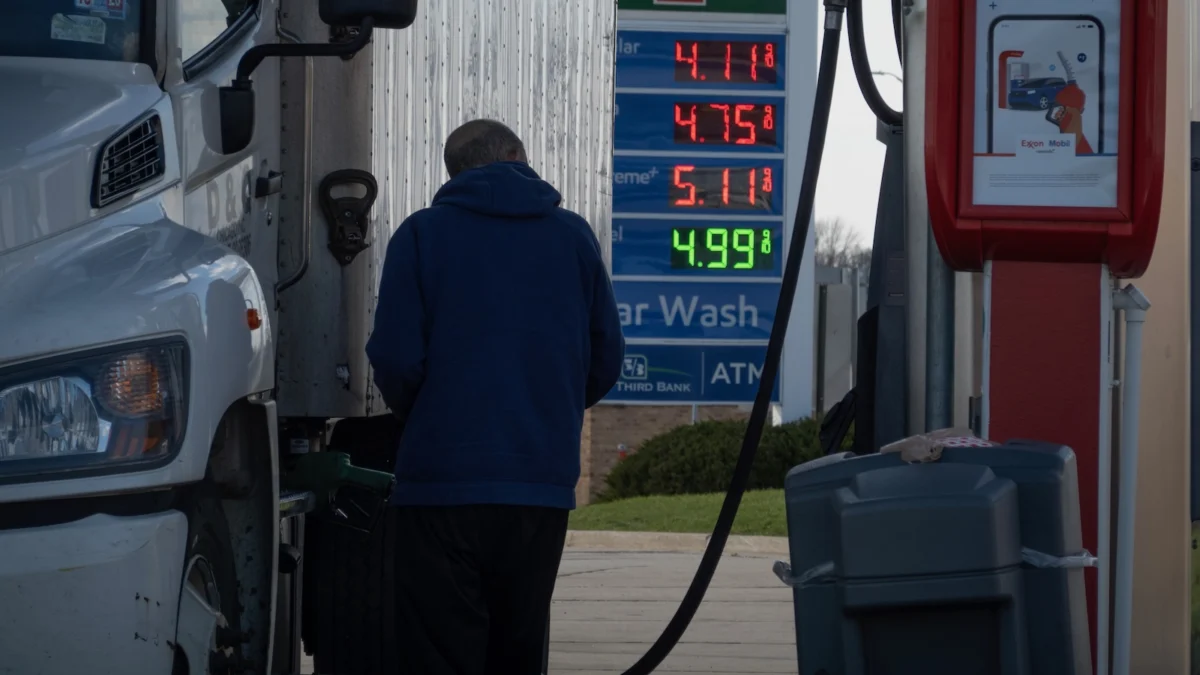
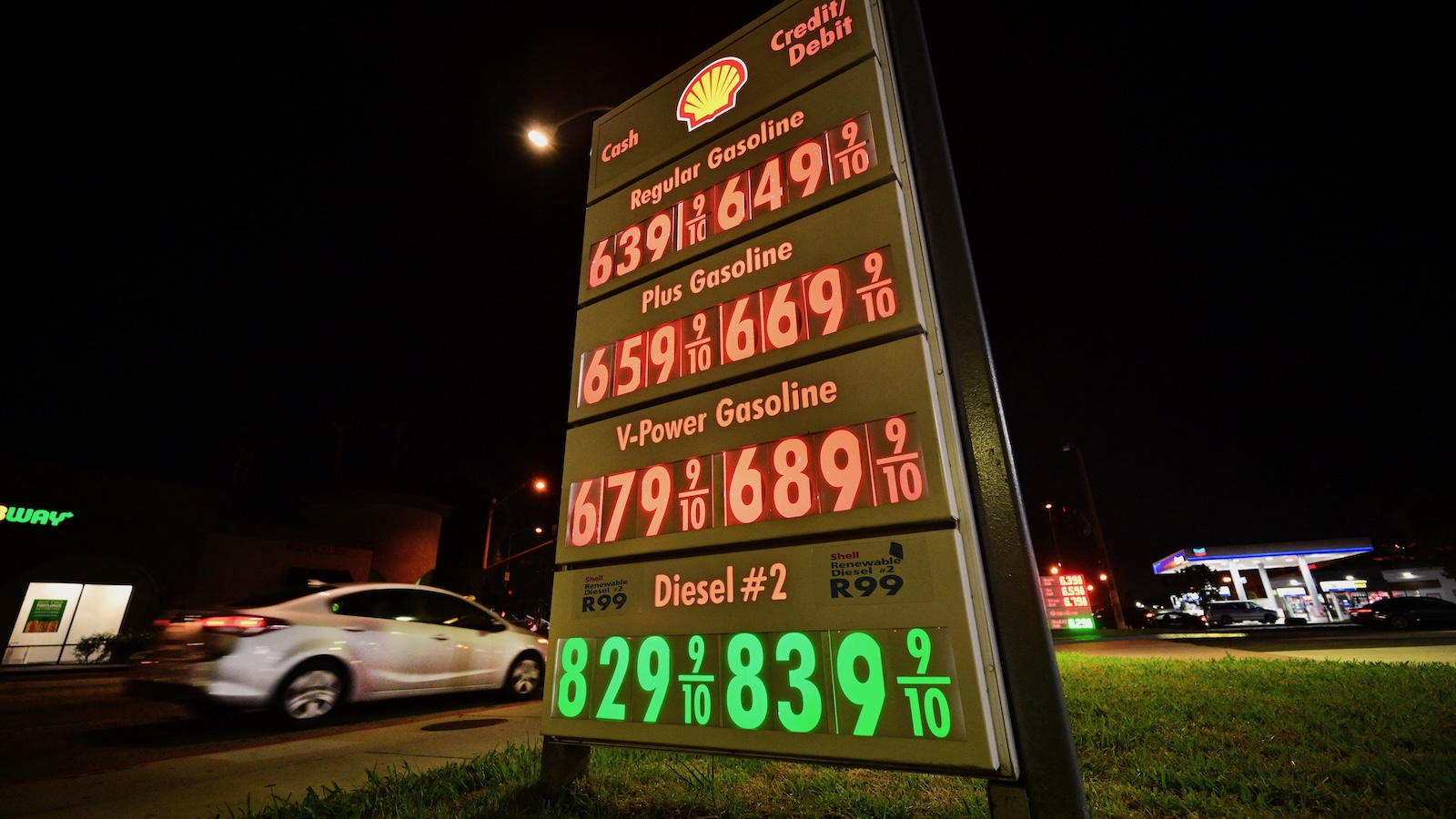
Diesel fuel prices across the United States have reached unprecedented levels, with the national average hitting a staggering $6.52 per gallon this Tuesday, according to data from the American Automobile Association (AAA). This relentless surge, which has seen prices climb by nearly $1 per gallon in September alone, has transformed from a localized concern into a national economic emergency. As the fuel that powers the nation’s supply chain—including heavy-duty trucking, rail freight, maritime shipping, and the entirety of the agricultural sector—the diesel crisis is now acting as a primary driver of inflation for consumer goods. In response to these record-setting costs, President Donald Trump has officially endorsed the concept of banning diesel exports to prioritize domestic supply, igniting a fierce debate among policymakers, industry experts, and energy stakeholders.
The current price trajectory represents an approximate 80 percent increase since the escalation of conflict between the United States and Iran earlier this year. This geopolitical instability has choked off key shipping lanes, most notably the Strait of Hormuz, through which roughly 10 percent of the world’s seaborne diesel flows. With the global supply chain already fractured, the United States has found itself in the precarious position of being a primary supplier to nations struggling to offset these losses, even as domestic reserves dwindle to their lowest levels since 1982.
A Chronology of the Fuel Crisis
The current volatility is not an overnight development but the result of a series of cascading geopolitical and economic failures over the last several months:
- Early Year: The commencement of military hostilities between the United States and Iran disrupts global oil shipping, causing an immediate tightening of global distillate supplies.
- Summer Months: Sustained conflict in the Middle East, coupled with Ukrainian strikes on Russian energy infrastructure, reduces global refining output, forcing an increased reliance on U.S.-produced distillates.
- September 11 Week: U.S. Energy Information Administration (EIA) data reports domestic production of approximately 5 million barrels of distillate fuels per day. Despite domestic shortages, the U.S. continues to export roughly 1.6 million barrels daily.
- Late September: Diesel prices set record highs on a nearly daily basis. President Trump, speaking from the sidelines of the United Nations General Assembly in New York, confirms he has urged his administration to explore a ban on diesel exports.
The Case for and Against an Export Ban
The proposal to restrict fuel exports is rooted in the "America First" economic doctrine, which advocates for redirecting domestic production to satisfy local demand before allowing commodities to flow to foreign markets. Proponents, such as Senator Chuck Grassley (R-IA), argue that the government has a responsibility to protect American farmers and logistics companies from the volatility of global markets. "If our government can embargo chips to China, it can embargo diesel to help American farmers and truckers," Grassley wrote on social media.
This sentiment is echoed by Representative Ashley Hinson (R-IA), who highlighted the immediate impact on household budgets. "Iowans are being squeezed and shouldn’t have to foot the bill at the pump or the checkout line for the war in Iran," Hinson stated. Senate Majority Leader John Thune (R-SD) has also expressed a willingness to entertain the proposal, provided it can be proven that such a move would effectively alleviate price pressure.
However, the energy industry and several prominent Republican lawmakers remain deeply skeptical. Critics of the ban, including the American Fuel & Petrochemical Manufacturers (AFPM), argue that market intervention of this magnitude would be counterproductive. "Export bans do not create more fuel for Americans," the organization stated in a recent press release. "They reduce U.S. fuel production, put upward pressure on prices, weaken energy security, and hand market share to foreign competitors."
From a technical standpoint, analysts like Patrick De Haan of GasBuddy argue that the global nature of the oil market makes a domestic ban largely ineffective. "U.S. diesel prices are determined not by a U.S. supply and demand balance, but a global one," De Haan explained. "Keeping distillates and diesel home does not change the world price."
Historical Context and Legislative Precedent
The debate over export restrictions is not entirely new to the American legislative landscape. In 1975, in the wake of the OPEC oil embargo, the U.S. Congress enacted the Energy Policy and Conservation Act. This legislation included a long-standing ban on the export of crude oil, a policy that remained in effect for four decades until it was repealed under the Obama administration in 2015.
Advocates for a modern-day diesel ban point to the 1975 act as evidence that the federal government possesses the legal framework to intervene in energy markets when national security and economic stability are at risk. Conversely, opponents point to the post-2015 era, noting that the removal of export restrictions allowed U.S. energy companies to scale production significantly, transforming the United States into a net energy exporter. A reversal of this policy, they argue, would damage investor confidence and discourage the long-term capital investment necessary to maintain high production levels.
Economic Implications and the Path Forward
The real-world cost of the current diesel crisis is substantial. An online dashboard maintained by the Watson Institute at Brown University estimates that the price surge has cost American households approximately $51 billion in aggregate. This represents an average of $400 per household, a figure that is expected to climb if energy costs are not stabilized before the onset of winter heating demands.
Tyson Slocum, energy program director at the consumer advocacy group Public Citizen, suggests that the current binary debate—either total export freedom or a total ban—is fundamentally flawed. Slocum advocates for a more nuanced approach, such as placing quotas on exports or implementing a "domestic-first" priority system that would allow for flexible adjustments based on current inventory levels. "It could be very significant," Slocum said. "You would absolutely see a significant short-term drop in diesel prices if even partial measures were taken."
Meanwhile, the political divide remains sharp. Democrats have largely refrained from engaging in the specific debate over a diesel export ban, with some, like Senator Peter Welch (D-VT), characterizing the President’s rhetoric as a distraction from the underlying geopolitical causes of the inflation. "Trump is all smoke and mirrors," Welch noted. "If he’s serious about lowering prices of oil, gas, and home heating oil, he needs to end his illegal war with Iran."
As of this writing, the White House has not formally initiated the legal mechanisms required to impose an export ban. The tension between the administration’s desire to provide immediate relief to consumers and the industry’s warning of long-term economic damage leaves the country at a crossroads. With agricultural harvest season approaching and winter fuel demands looming, the pressure on the administration to take decisive action is likely to intensify, regardless of the conflicting economic theories regarding global market integration. The resolution of this crisis will likely depend on whether the administration chooses to prioritize short-term price stabilization through interventionist policy or maintains the current market-based system, despite the significant political and social costs of the current record-high prices.