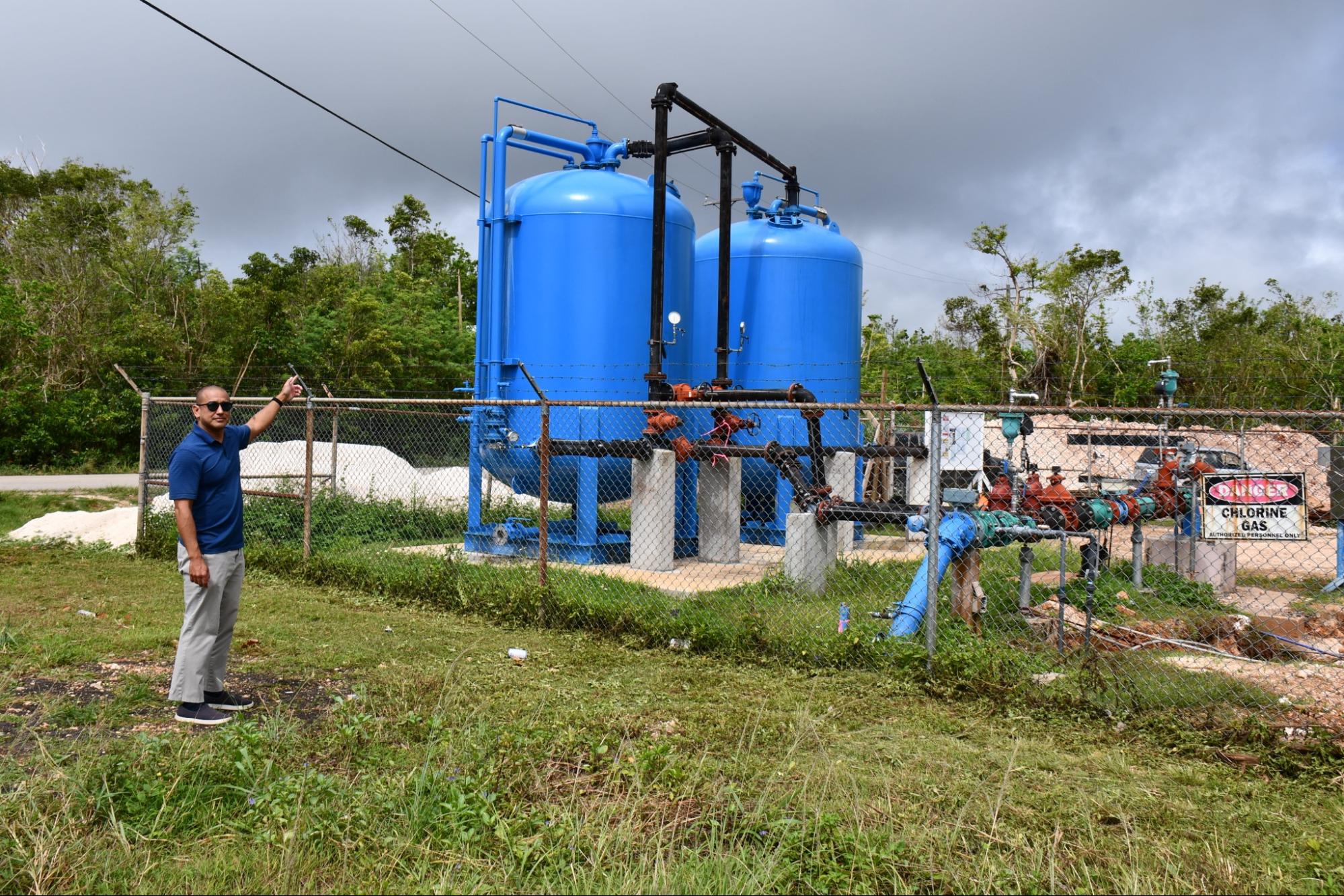
Leevin Camacho was brushing his teeth one quiet autumn morning when a frantic text from his mother shattered the routine of his daily life in the northern village of Yigo. Attached to her message was a digital copy of a public notice from the local water authority, its tone stark and urgent. The document warned of significant contamination in the community’s water supply, explicitly identifying the presence of dieldrin—a potent, banned organochlorine insecticide. The advisory included a blunt, capitalized command: DO NOT DRINK. For Camacho, a father of two, the realization that his children had been consuming this tainted water for years turned a standard morning into a moment of profound, cold clarity.
A Legacy of Persistent Pollution
Dieldrin, a chemical once widely used in agriculture, was officially banned by the United States in 1987 due to its toxicity and its status as a persistent environmental pollutant. It is a known carcinogen, and exposure is linked to severe adverse health outcomes, including liver damage and neurological impairment.
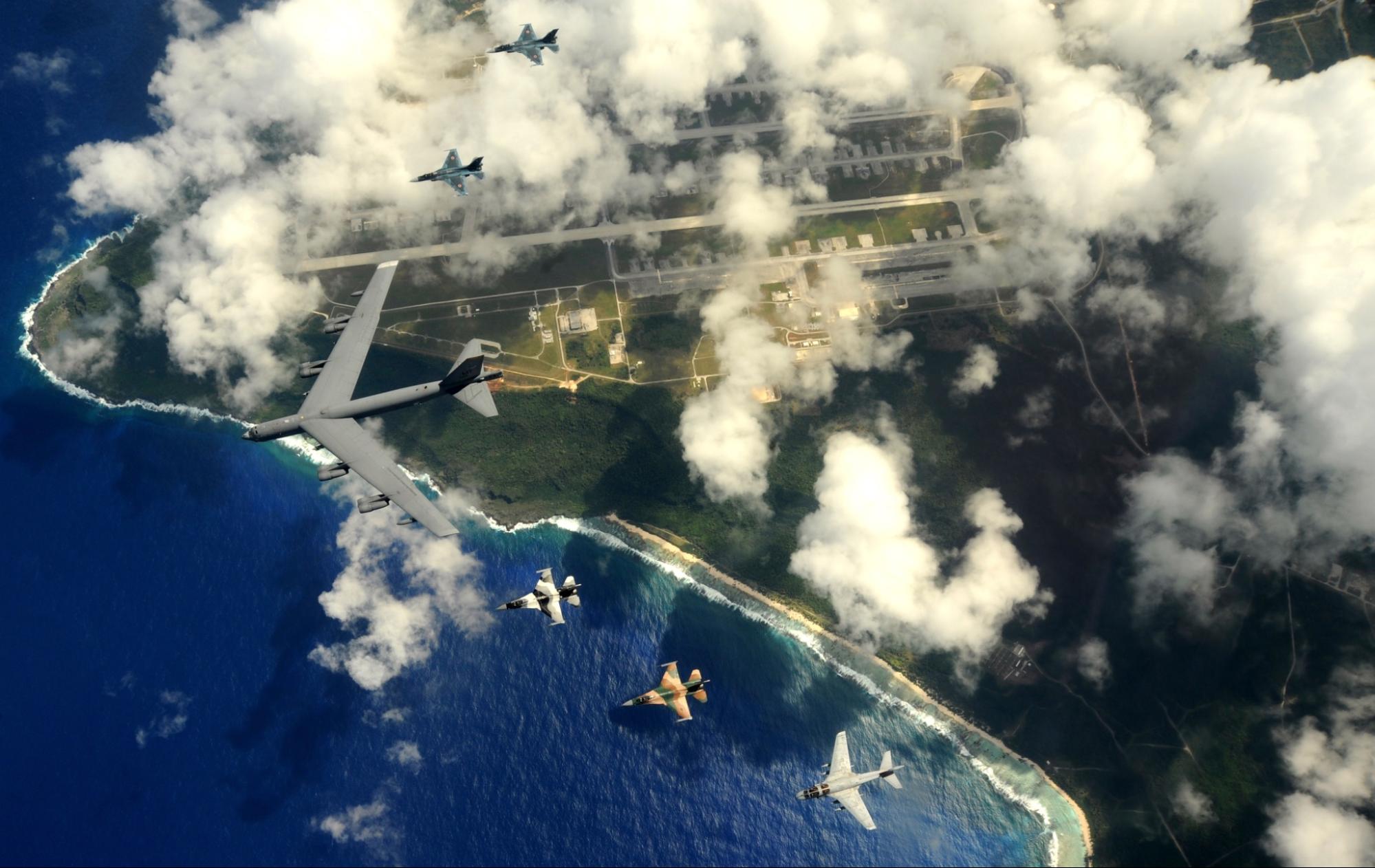
The contamination in Yigo is not a recent development. Investigative records indicate that high levels of dieldrin have been detected in the community’s wells since at least 2008. The discovery has prompted a wave of scrutiny regarding the proximity of these wells to Andersen Air Force Base. Documents show that the military has identified dieldrin as a "chemical of concern" at the base since 1993. While local authorities continue to investigate potential sources, the proximity of the military installation—which has historically utilized such chemicals—remains the primary focus of community suspicion.
The Human Cost of Strategic Buildup
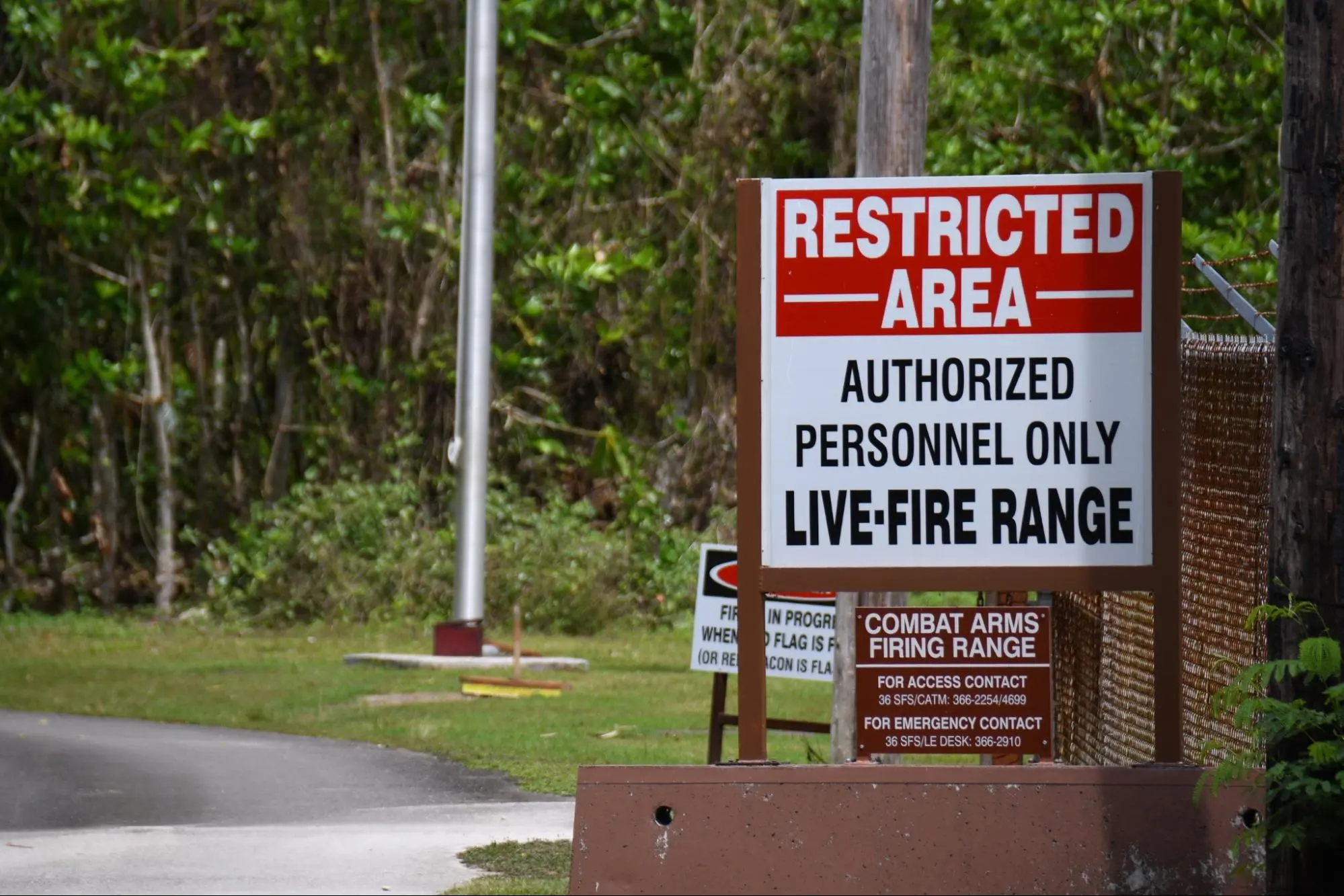
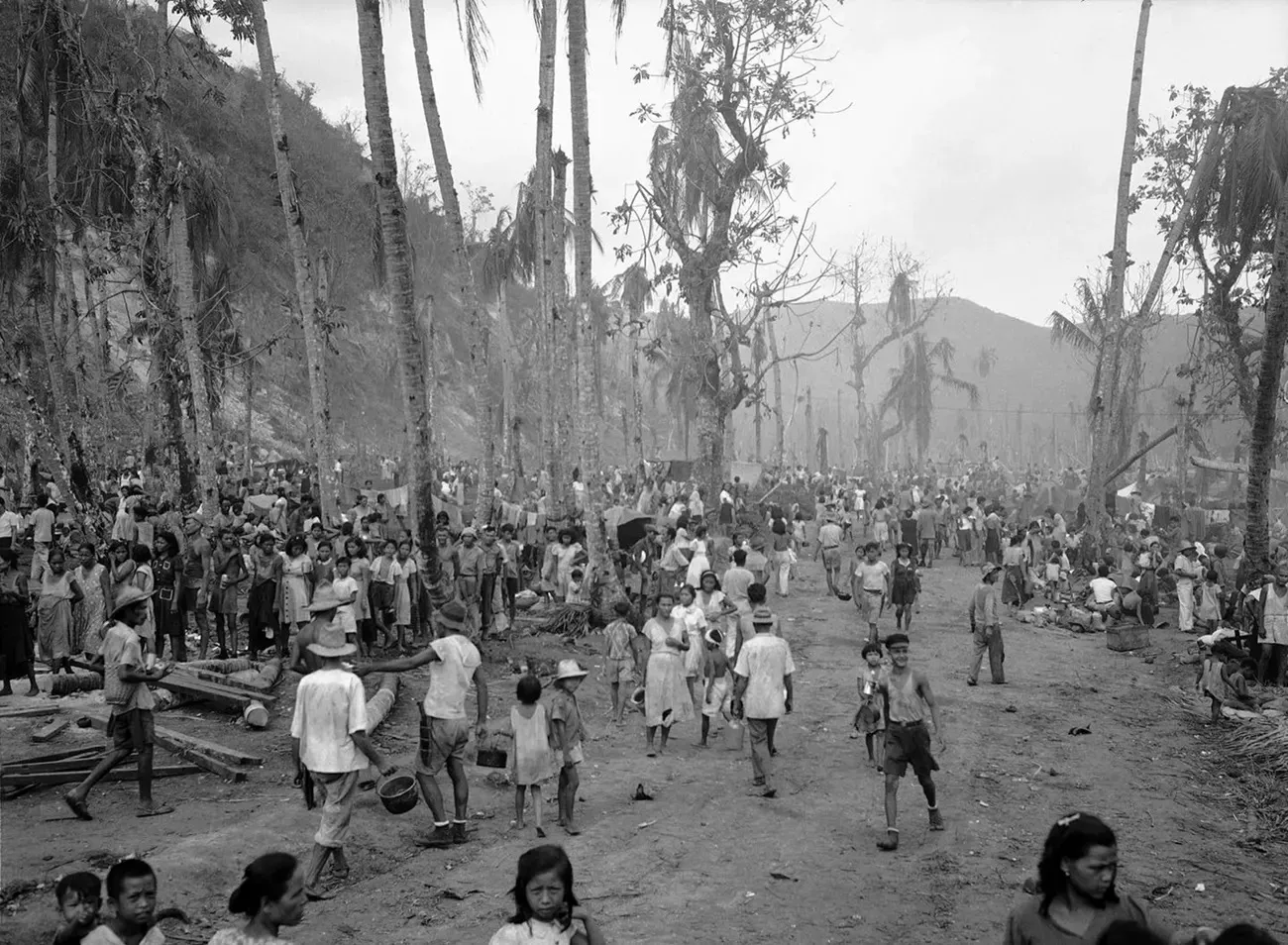
Guam’s relationship with the U.S. military is deeply complex, dating back to the island’s role as a strategic hub during and after World War II. For decades, the narrative of liberation dominated local discourse, with many residents viewing the military as a necessary guarantor of safety. However, this perspective has shifted significantly as the environmental and cultural costs of a century-long military presence have become impossible to ignore.
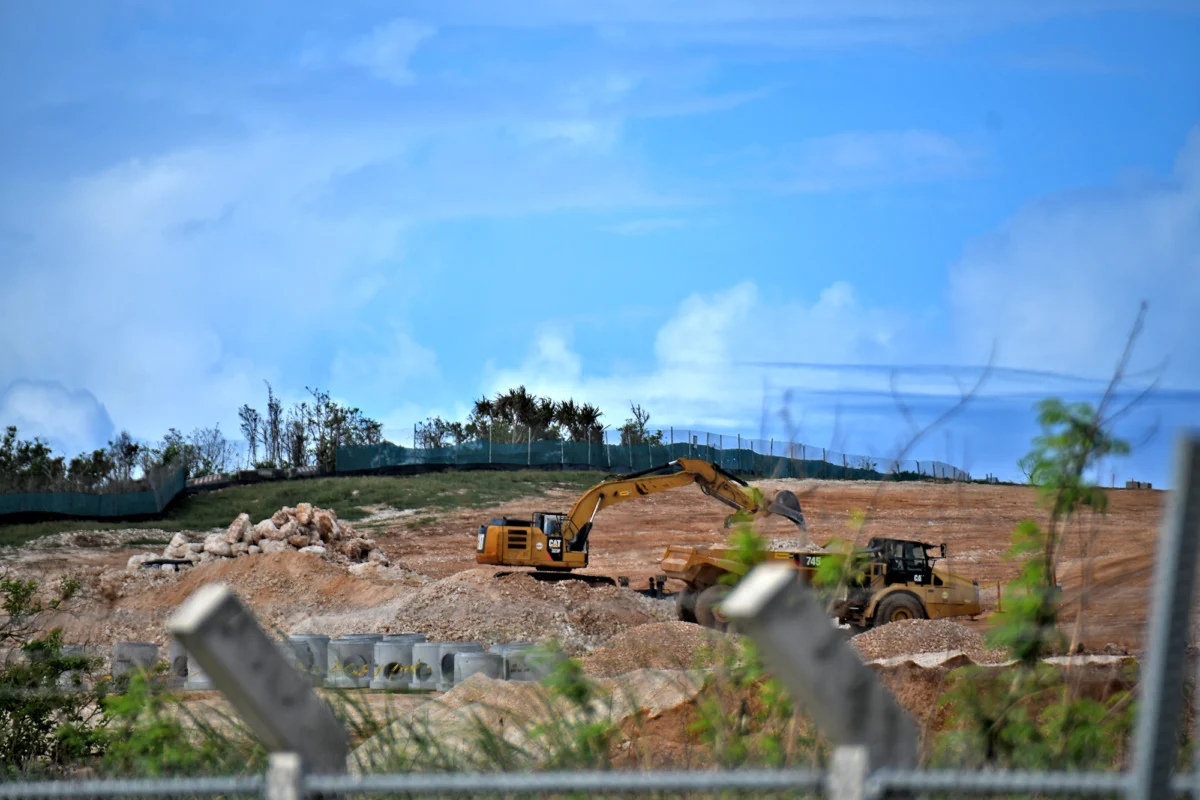
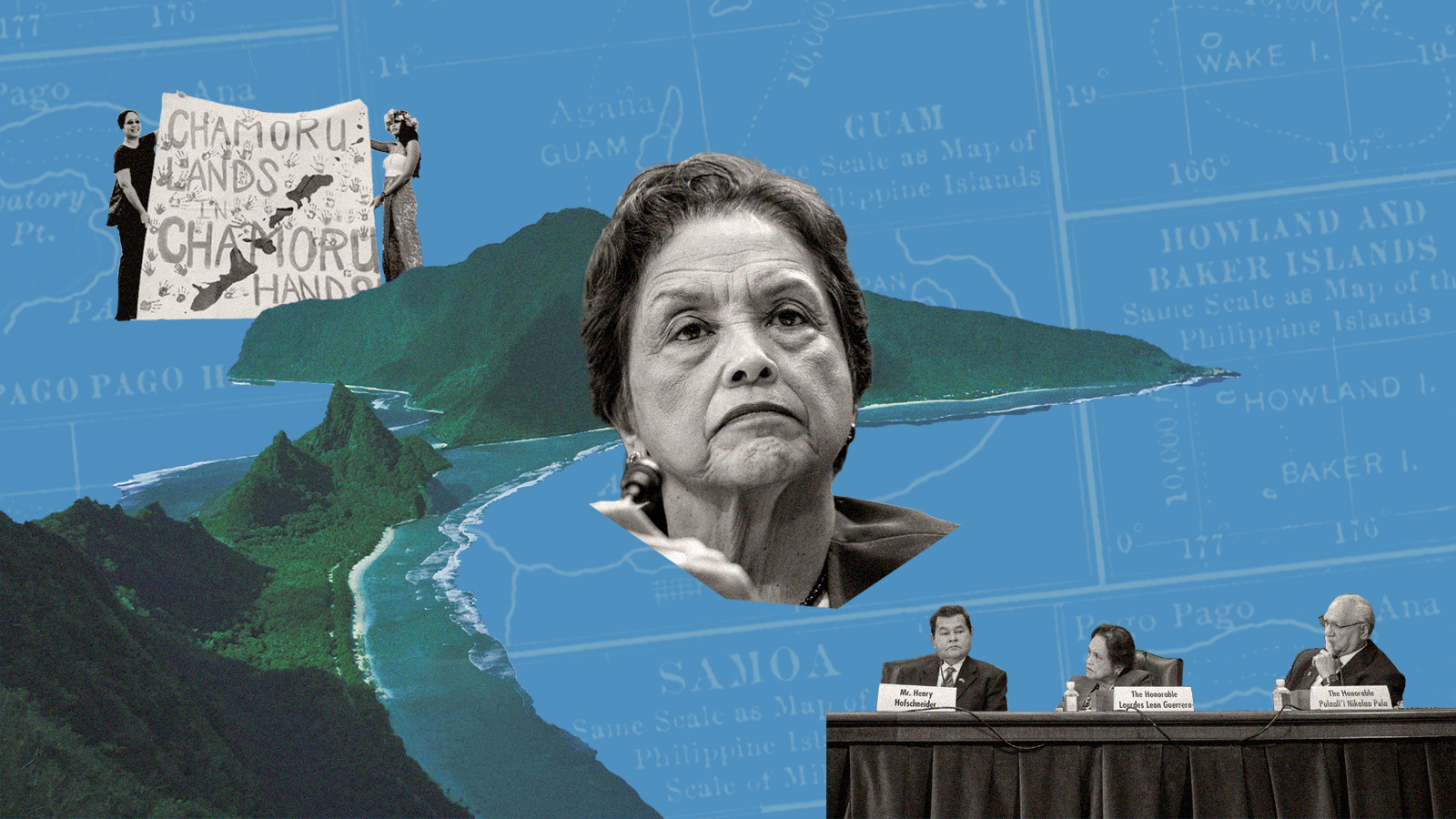
The island is currently navigating an unprecedented military expansion. The Department of Defense is pouring billions of dollars into the construction of new training ranges, upgraded port facilities for nuclear submarines, and advanced missile defense systems. While proponents, including Governor Lou Leon Guerrero, argue that this buildup represents a vital economic opportunity and a necessary deterrent against regional aggression, many residents view it through a different lens. For them, the buildup is a continuation of a pattern where the island is treated as an expendable asset in global geopolitics rather than a home to U.S. citizens.
Chronology of Contention: A Timeline of Military Impact
The tension between the military’s strategic objectives and the welfare of Guam’s residents is well-documented:
- 1898–1945: The United States assumes control of Guam from Spain, followed by the brutal Japanese occupation during World War II and the subsequent American retaking of the island.
- 1945–1950s: The U.S. military initiates massive land seizures, claiming roughly two-thirds of the island for operational use.
- 1993: The U.S. military lists dieldrin as a "chemical of concern" in internal reports regarding Andersen Air Force Base.
- 2008: Elevated levels of dieldrin are detected in Yigo’s water supply, marking the start of a long-standing environmental health crisis.
- 2010: Leevin Camacho and the group "We Are Guåhan" file suit to prevent the construction of a machine-gun range on ancestral land at Pågat, successfully delaying expansion plans.
- 2020: The U.S. Supreme Court rules unanimously in favor of Guam in a case regarding the cleanup of the hazardous Ordot Dump, a landmark victory for local accountability.
- 2023–2026: Continued expansion of Camp Blaz and new missile defense sites sparks renewed protests and legal challenges from Indigenous groups and environmental advocates.
Official Responses and the Defense Perspective
Rear Admiral Brett Mietus, commander of Joint Region Marianas, maintains that the military is operating within the parameters of U.S. law. In a statement to the press, Mietus emphasized that the command is committed to environmental stewardship and that significant financial resources are being allocated to meet regulatory standards. "We are meeting every letter of every law for environmental regulations," Mietus stated, highlighting that the primary mission of the current buildup is to defend the region against advanced hypersonic and ballistic missile threats.
However, critics point out that "meeting the letter of the law" is often insufficient when the laws themselves fail to account for the unique geographical and social vulnerabilities of Pacific island nations. The military has not publicly accepted responsibility for the specific dieldrin contamination in Yigo, noting that investigations into the source of the pollution are ongoing.
Broader Implications: The Pacific as a Sacrifice Zone
The situation in Yigo is reflective of a broader phenomenon across the Pacific. From Palau to the Federated States of Micronesia, local leaders and Indigenous groups are increasingly challenging the "strategic necessity" argument. In Yap, for instance, plans to dredge lagoons and expand airfields for military use are meeting stiff resistance from residents concerned about the destruction of marine ecosystems and the disturbance of sacred ancestral sites.
The Pentagon is the world’s largest institutional emitter of greenhouse gases, and its regional buildup threatens not only the immediate environment—through dredging, forest clearing, and chemical runoff—but also the long-term resilience of these islands against the climate crisis. As sea levels rise and typhoons grow more intense, the focus on military infrastructure over civilian needs has become a flashpoint for political unrest.
The Path Toward Accountability
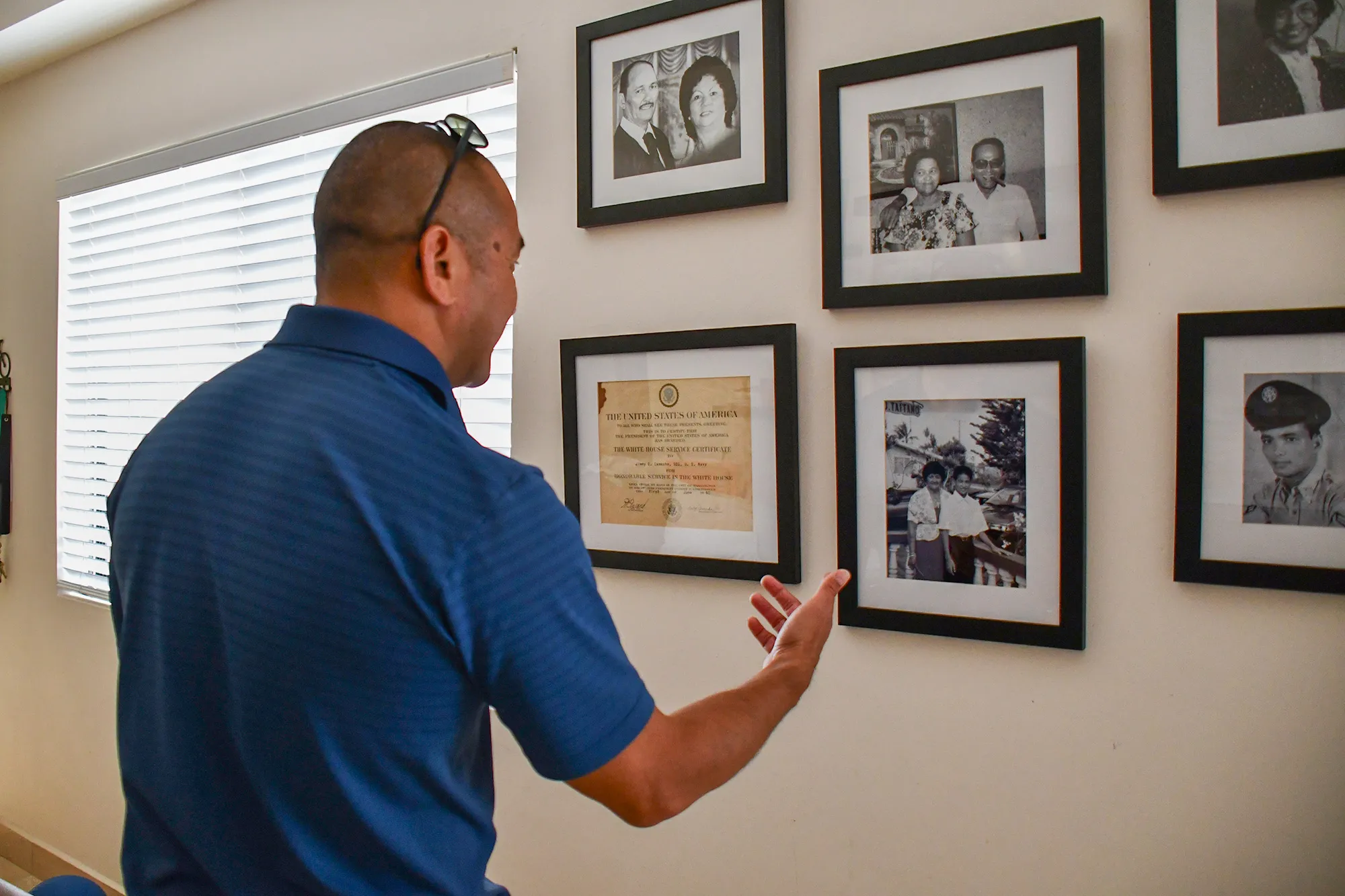
For Leevin Camacho, the fight for clean water is about more than just a single chemical. It is about the fundamental right of Guam’s residents to determine their own future. Having served as the island’s Attorney General, Camacho understands the legal machinery that has allowed for decades of environmental negligence. His work now involves helping hundreds of families file claims against local authorities, with the ultimate goal of forcing the Department of Defense to acknowledge its role and provide reparations.
The economic argument for the buildup—that it provides jobs and revenue—is often weighed against the reality of a housing market inflated by military spending and the potential for long-term health crises. As the median home price in Guam climbs toward half a million dollars, many locals find themselves priced out of their own island.
Conclusion: A Future in Flux
The residents of Yigo and the broader population of Guam find themselves at a crossroads. The geopolitical reality of the 21st century has placed the island at the center of a potential conflict between superpowers, leaving the local population in a state of perpetual vulnerability.
"At some point, someone has to force them to do what’s right," Camacho says. As he continues his legal advocacy, his work serves as a reminder that the cost of global military dominance is not just paid in tax dollars, but in the health of families, the sanctity of ancestral land, and the integrity of the water that sustains the island. Whether the U.S. military will evolve to treat the people of Guam as citizens entitled to the same protections as those on the mainland, or continue to view the territory as a strategic piece of real estate, remains the defining question of the island’s future. For now, the people of Yigo wait for the wells to be cleared and for the silence from the halls of power to finally be broken by accountability.