The Bipartisan Race for Permitting Reform as Energy Demand Strains American Infrastructure

As members of the United States Senate prepare to depart Washington for the final stretch of midterm election campaigning, a high-stakes legislative scramble is unfolding behind closed doors. A bipartisan group of lawmakers is working to finalize a comprehensive permitting reform bill, a piece of legislation that analysts argue is fundamental to securing the nation’s energy future. The urgency of this endeavor is underscored by a record-breaking surge in electricity demand, driven by a national transition to electrification and an unprecedented expansion of data centers to support the artificial intelligence boom.
For years, the federal permitting process—a labyrinth of environmental impact studies, multi-agency reviews, and protracted litigation—has been viewed as a bottleneck for national progress. Whether the project is a wind farm, a natural gas pipeline, or a high-voltage transmission line, developers face years of bureaucratic delays. As the demand for reliable, affordable power reaches an inflection point, the political appetite for streamlining these processes has reached its highest level in a decade.
A Chronology of Legislative Gridlock and Renewed Momentum
The current push for permitting reform did not emerge in a vacuum. For years, bipartisan frustration has mounted as energy projects languished in federal limbo.
- 2023-2024: Legislative efforts to modernize the National Environmental Policy Act (NEPA) and other regulatory frameworks saw several attempts, most notably the failed Energy Permitting Reform Act of 2024. While the bill managed to clear committee hurdles, it ultimately collapsed before reaching a full floor vote, hampered by partisan disagreements over environmental safeguards and the scope of the reforms.
- Early 2026: As data center construction accelerated across the Midwest and the Sun Belt, the strain on the regional grids became undeniable. The North American Electric Reliability Corporation (NERC) began issuing warnings about potential capacity shortfalls.
- August 2026: Senator Marsha Blackburn (R-Tenn.) and other proponents signaled a renewed, aggressive push for the American Energy and Mineral Infrastructure Act. Twelve new co-sponsors joined the effort, marking a pivot toward a more unified legislative front.
- September 2026: Discussions between the Senate’s energy-related committee leaders reached a critical stage. However, as the midterm election window narrowed, leadership signaled that final passage would likely be delayed until the post-election "lame duck" session, where the bill will face competition for legislative bandwidth.
The Data Center Paradox: A PR Minefield
While there is a consensus among legislators that the grid requires massive upgrades, the public perception of the primary drivers of this demand—data centers—presents a significant political challenge. Public opinion research, including recent data from Redbud Consulting, indicates that data centers are increasingly viewed as "toxic" infrastructure. Residents in communities slated for development often cite concerns regarding water consumption, noise, and, most importantly, the impact on local electricity rates.
"If you phrase permitting reform as serving data centers, the polling results get way worse," noted Alex Lundry, president of Redbud Consulting. This creates a difficult tightrope for legislators. They recognize that the digital economy—and the AI race with China—demands massive computing power. Yet, associating a major regulatory overhaul with the expansion of controversial tech hubs risks alienating voters who are already struggling with the rising cost of living.
Data-Driven Reality: The Energy Demand Surge
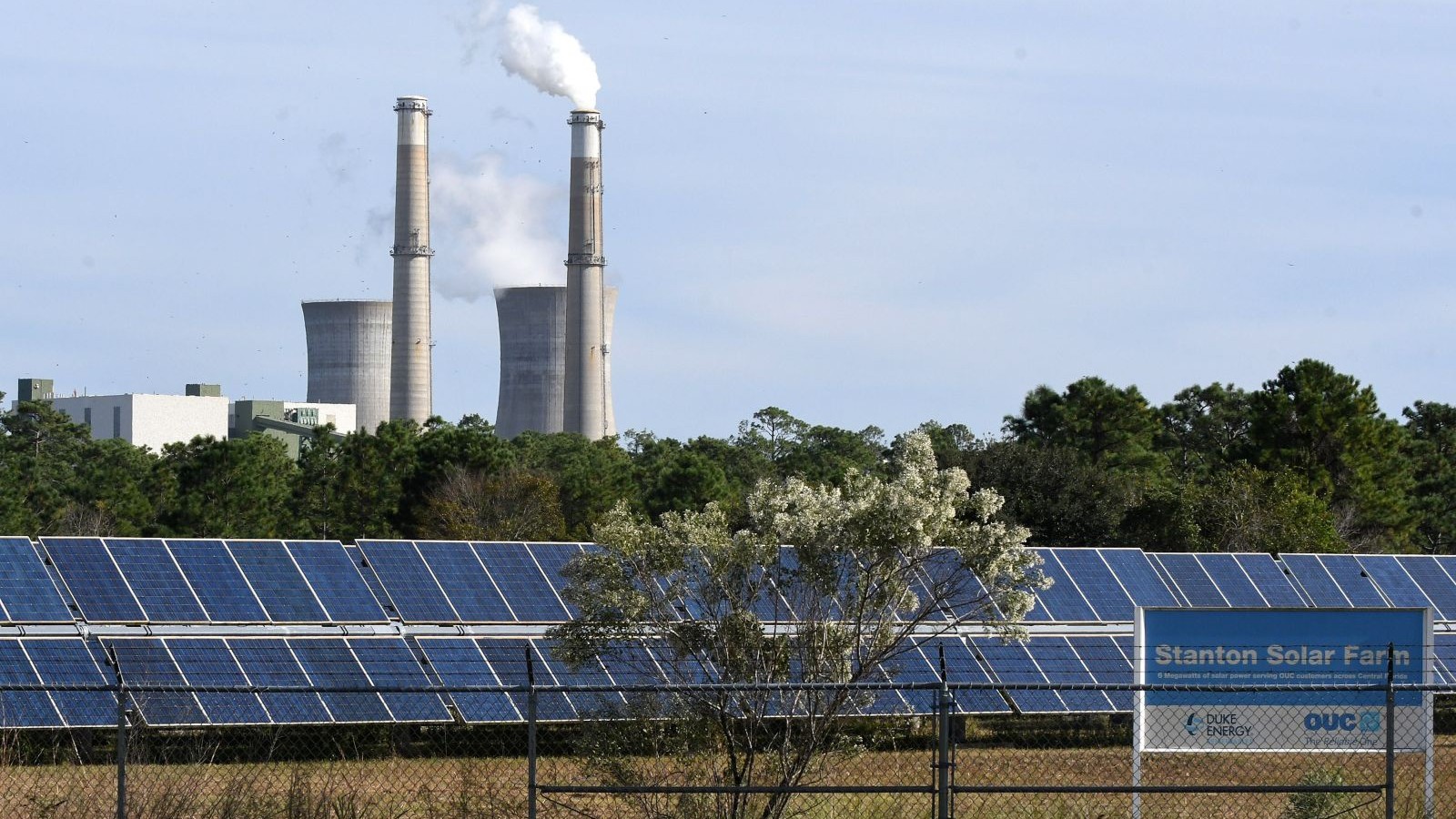
The urgency behind this legislation is grounded in hard data. The U.S. Energy Information Administration (EIA) projects that solar power and battery storage will account for approximately 80 percent of all new power generation capacity added to the grid in 2026. Simultaneously, natural gas remains the backbone of the nation’s electricity mix, accounting for the largest share of power generation in 2025.
The growth in demand is not solely the result of tech giants. It is a multi-faceted phenomenon:
- Electrification: The widespread adoption of heat pumps, electric vehicles, and industrial electrification is fundamentally altering the load profile of the American grid.
- Manufacturing Reshoring: Federal policies aimed at bringing semiconductor and EV battery manufacturing back to the U.S. have created massive industrial power requirements that the current grid was not designed to accommodate.
- Efficiency Saturation: The gains made during the 2010s from energy-efficient lighting and consumer electronics have largely plateaued, meaning that new load is now additive rather than offset by efficiency gains.
The Geopolitical Stakes and the "China Factor"
Legislators are increasingly framing the permitting debate through the lens of global competition. A recurring theme in recent congressional discourse—and at the mid-September Clean Energy Week conference—is the assertion that excessive "red tape" is preventing the U.S. from maintaining its economic and military edge over China.
"While Communist China cuts corners to get ahead, a mountain of red tape has America fighting the energy war with one hand tied behind our backs," Senator Rick Scott (R-Fla.) stated in a recent press release. This narrative is designed to appeal to national security interests, though pollsters caution that the "competition with China" angle is losing its efficacy as a primary motivator for the average voter, who remains more concerned with domestic energy costs.
Negotiating the Terms: The Path Forward
The draft legislation, while currently shielded from the public eye, is expected to include several high-impact provisions. These likely include:
- Reduced Review Scope: A narrowing of the environmental and social impacts that agencies must consider during the permitting process.
- Statutory Loosening: Amendments to the Clean Water Act and the Endangered Species Act to expedite the approval of linear infrastructure like transmission lines.
- Litigation Shielding: Provisions aimed at making issued permits more resilient to the court challenges that currently freeze large-scale projects for years.
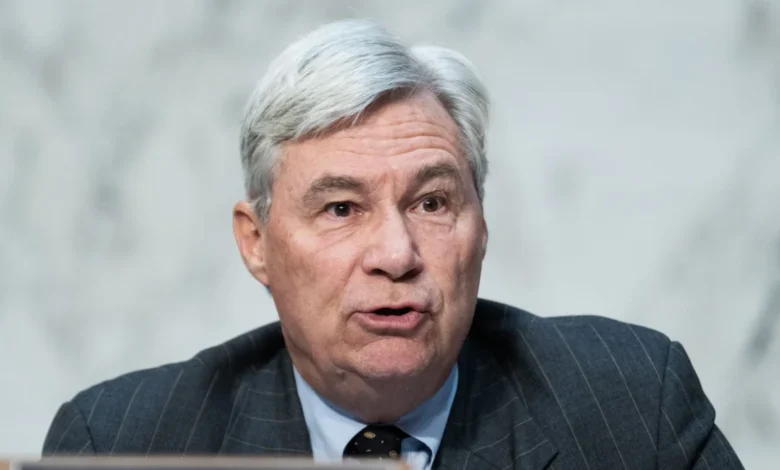
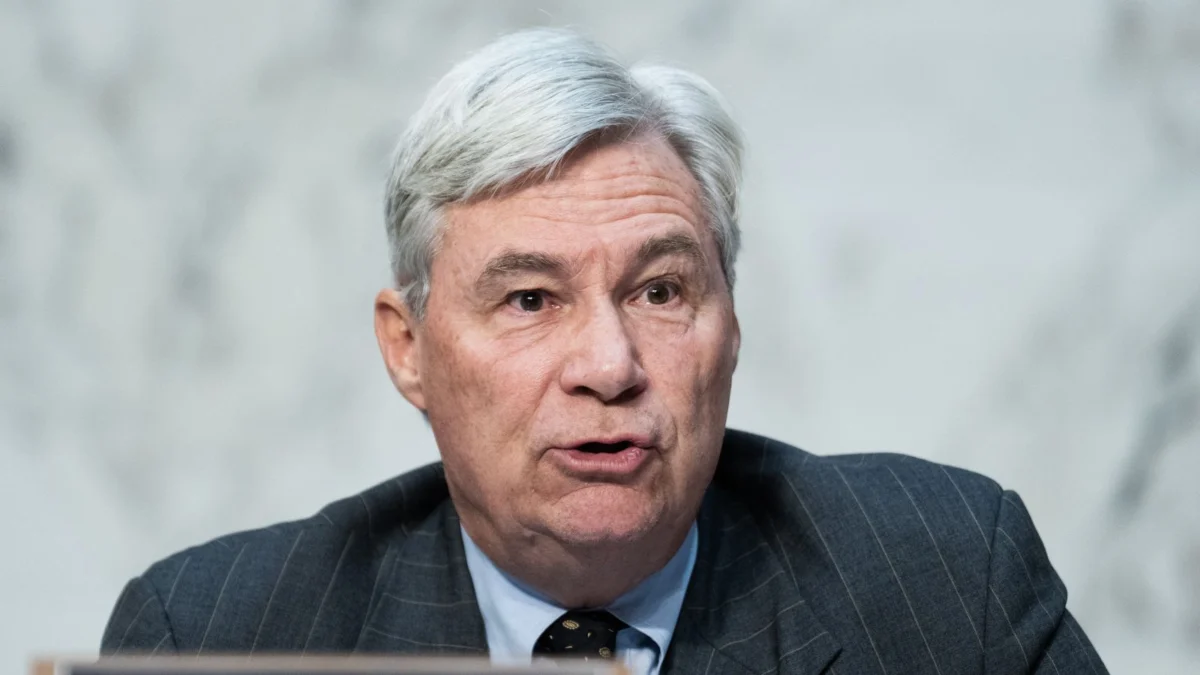
The involvement of the Trump administration has introduced an unexpected variable. Signals from the White House regarding a willingness to "green light" renewable energy projects in exchange for the broader permitting deal have drawn cautious interest from Democrats. Senator Sheldon Whitehouse (D-R.I.), a primary negotiator, has emphasized that while the administration’s overture is welcome, Democrats require clear, enforceable language to ensure that these commitments survive the transition from political rhetoric to administrative action.
Broader Implications: Grid Reliability vs. Environmental Protection
The fundamental conflict of this bill lies in the trade-offs between speed and oversight. Environmental organizations, such as the Natural Resources Defense Council (NRDC), have argued that modernizing the grid should not require the dismantling of bedrock environmental protections. They advocate for better land-use planning and "smart" siting that can bypass sensitive ecosystems entirely, rather than simply shortening the review windows.
Conversely, industry groups, including the Solar Energy Industry Association, argue that the current system is "constipated," preventing the U.S. from achieving its climate goals or maintaining grid reliability. They argue that without these reforms, the transition to a clean energy economy will be too slow to meet the demands of the coming decade.
As the House of Representatives recently signaled by passing a bill aimed at forcing data centers to shoulder the costs of their own power usage, Congress is acutely aware of the "ratepayer" issue. The stalemate in the Senate over that House-passed bill suggests that while there is an appetite for reform, the question of who pays—and who benefits—from the rapid expansion of the energy grid remains a deeply divisive issue that will define the political landscape long after the midterm elections conclude.
Related posts: