The Global Climate Crisis Accelerates as a Record-Breaking El Niño Disrupts Weather Systems Worldwide



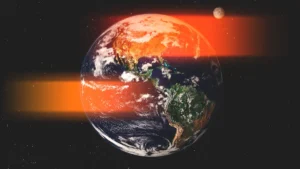
A meteorological phenomenon of unprecedented magnitude is currently unfolding across the Pacific Ocean, marking the most intense El Niño event since the advent of satellite-based sea surface temperature monitoring fifty years ago. With water temperatures surging to more than 3 degrees Celsius above historical averages, the Pacific is currently experiencing a climatic anomaly that experts warn is far from its peak. Projections from leading climate research institutions suggest that this "super" event could see temperatures climb to 4 degrees Celsius above normal by the end of the calendar year, a trajectory that has placed the global scientific community on high alert.
A Study in Extremes: The Pacific-Atlantic Dichotomy
The current global weather landscape is defined by a paradoxical relationship between the Pacific and Atlantic basins. While the Pacific is witnessing the formation of hyper-active, rapidly intensifying storms, the Atlantic hurricane season—traditionally a period of intense cyclonic activity beginning in June—has remained unnervingly quiet.
By late September, climatological data typically records the formation of at least four major hurricanes in the Atlantic. This year, the basin has failed to produce even a single named hurricane, shattering the previous record for the latest onset of the first hurricane, which had stood since September 11.
Climate scientists, including Zeke Hausfather of Berkeley Earth, point to the "intertwined" nature of these events. The primary driver is wind shear. El Niño acts as a disruptive atmospheric force, generating significant wind shear across the Atlantic—a condition where air currents at different altitudes move at varying speeds and directions. This turbulence acts as a structural deterrent to hurricane formation. Furthermore, the sinking, arid air masses characteristic of a strong El Niño further inhibit the high humidity levels required for tropical cyclones to develop.
"Hurricanes do not like that," notes Brian McNoldy, a senior research associate at the University of Miami. "It creates a gusty, unstable environment that shreds developing storms before they can gain strength. It is a fundamental suppression of the Atlantic season caused directly by the sheer magnitude of the Pacific heat anomaly."
Rapid Intensification and the Pacific Threat
While the Atlantic remains suppressed, the Pacific side of the Americas is facing the consequences of the excess thermal energy. Hurricane Polo, which recently evolved from a standard tropical storm into a Category 5 monster in less than 24 hours, serves as a textbook example of "rapid intensification." This phenomenon, defined as an increase in sustained wind speeds of at least 35 mph within a 24-hour window, is becoming a hallmark of a warming climate.
The heat stored in the upper layers of the ocean acts as high-octane fuel for these systems. With the additional thermal contribution of the current El Niño, these storms are capable of reaching catastrophic intensity with little warning. Simultaneously, Tropical Storm Nolo has demonstrated similar potential, threatening to dump several feet of rain on Hawaii. The vulnerability of coastal regions—particularly Baja California and the Hawaiian archipelago—has reached a critical threshold, as municipal infrastructure is rarely designed to withstand such accelerated meteorological transformations.
The Physics of Oceanic Thermal Capacity
The question of how a few extra degrees of sea surface temperature can fundamentally reorganize global weather patterns is rooted in the specific heat capacity of the ocean. According to Art Miller of the Scripps Institution of Oceanography, the ocean possesses a heat-holding capacity approximately 1,000 times greater than that of the atmosphere.
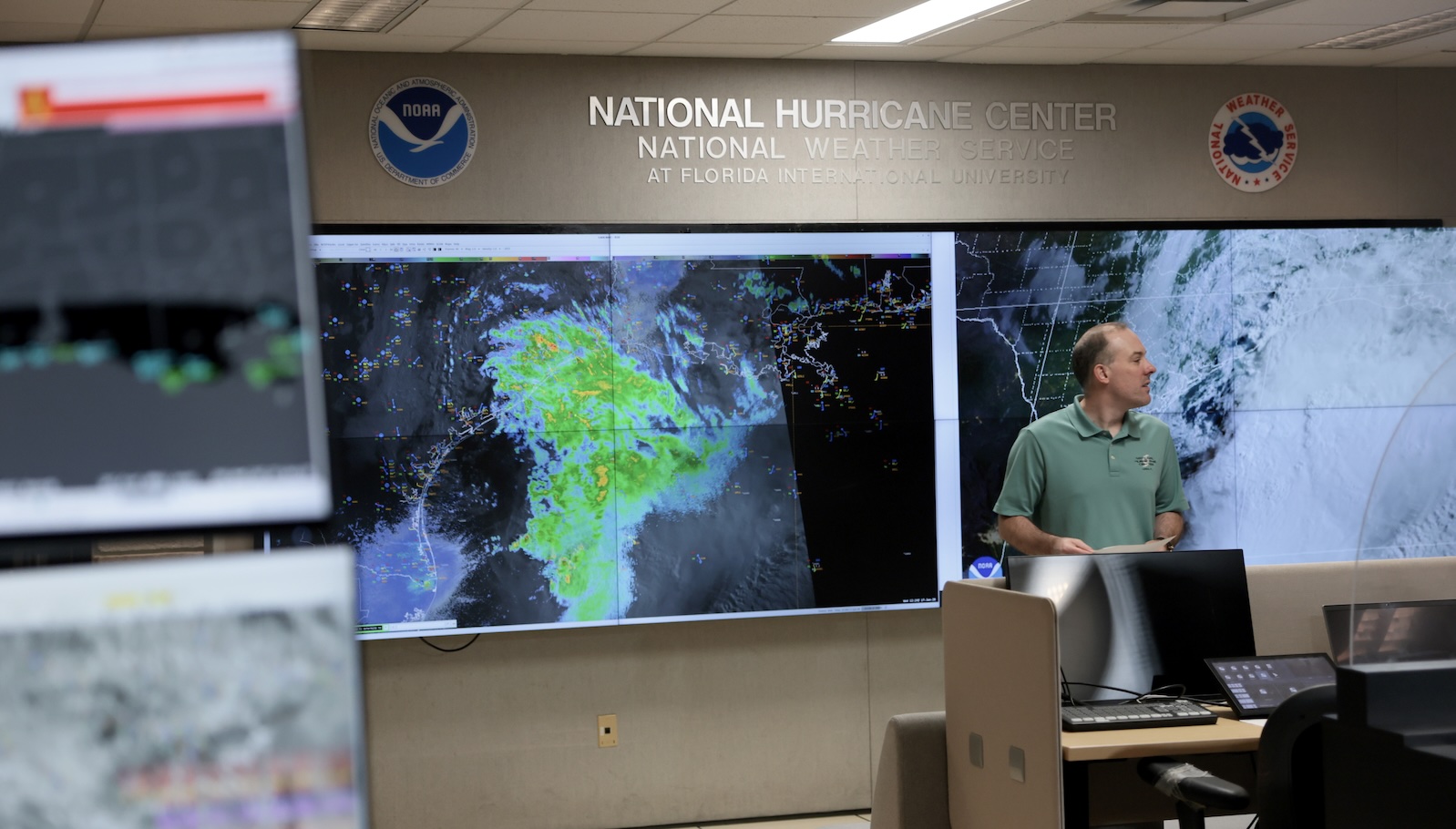
"Slight changes in ocean surface temperatures translate into massive amounts of energy transfer to the atmosphere," Miller explains. This transfer creates a ripple effect, altering the position of the jet stream and shifting precipitation patterns across the globe. The result is a dual-track catastrophe: while California and the American Southwest brace for potentially record-breaking rainfall, the Amazon rainforest, Southeast Asia, and large swathes of sub-Saharan Africa are witnessing a severe reduction in moisture, leading to systemic drought conditions.
Socioeconomic Implications and Humanitarian Risk
The humanitarian toll of this El Niño is expected to be profound. Climate models have generated sobering projections, suggesting that the excess heat generated in the first nine months of the event could contribute to an estimated 451,000 global fatalities, primarily through heat-related illnesses and the systemic collapse of agricultural yields.
The economic impact centers on subsistence farming. In regions where agriculture is the primary source of income and food security, the failure of harvests due to drought creates a cycle of poverty and food insecurity. Experts argue that the window for mitigation is closing, necessitating immediate international coordination.
"The priority must be the preparation for crop failure," says Hausfather. "We need to see a surge in the stockpiling of food supplies and the implementation of robust financial transfer systems. If we cannot prevent the drought, we must at least provide the liquidity for farmers to purchase food when their own harvests fail."
Strategic Mitigation and Future-Proofing
As the world looks toward the next two decades, climatologists are viewing the current event as a grim preview of the "new normal." By 2045, the baseline temperature of the planet is projected to be significantly higher; when an El Niño event is superimposed on that higher baseline, the resulting impacts will likely exceed anything currently recorded.
Governments are now tasked with a dual-track response: immediate disaster management and long-term adaptation. Regarding the heightened risk of wildfires, fire management strategies must shift from reactive to proactive. Controlled burns to manage brush density, stricter regulations on the burning of agricultural biomass, and significant investments in fire-fighting infrastructure are no longer elective measures—they are essential components of public safety.
The current situation is not merely a transient weather event but a signal of the planetary climate’s heightened sensitivity. The compounding effects of climate change—characterized by increased baseline temperatures and desiccated landscapes—mean that even natural oscillations like El Niño now carry a much heavier burden of destruction.
Conclusion: A Glimpse of the Future
The current record-breaking El Niño serves as a diagnostic tool for the health of the global climate. It highlights the vulnerability of our current infrastructure to rapid, extreme shifts in energy distribution. As the world watches these systems unfold, the consensus among researchers is clear: the impacts are not accidental or isolated. They are the direct result of a system that is operating at a much higher energy state than it was a century ago.
"Everything is happening on a baseline that is much hotter than it was in the past," Hausfather concludes. "This event is a little glimpse of what the planetary climate will look like on a regular basis in the coming years. It is a call to accelerate the transition to climate-resilient policies before the next, even more severe cycle begins."
Related posts: