A Rare Diplomatic Consensus: Global Leaders Unite on Sea Level Rise Despite U.S. Climate Skepticism

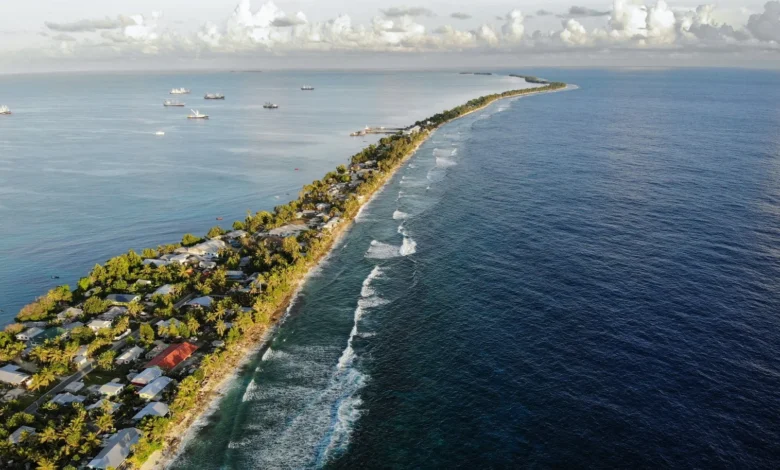
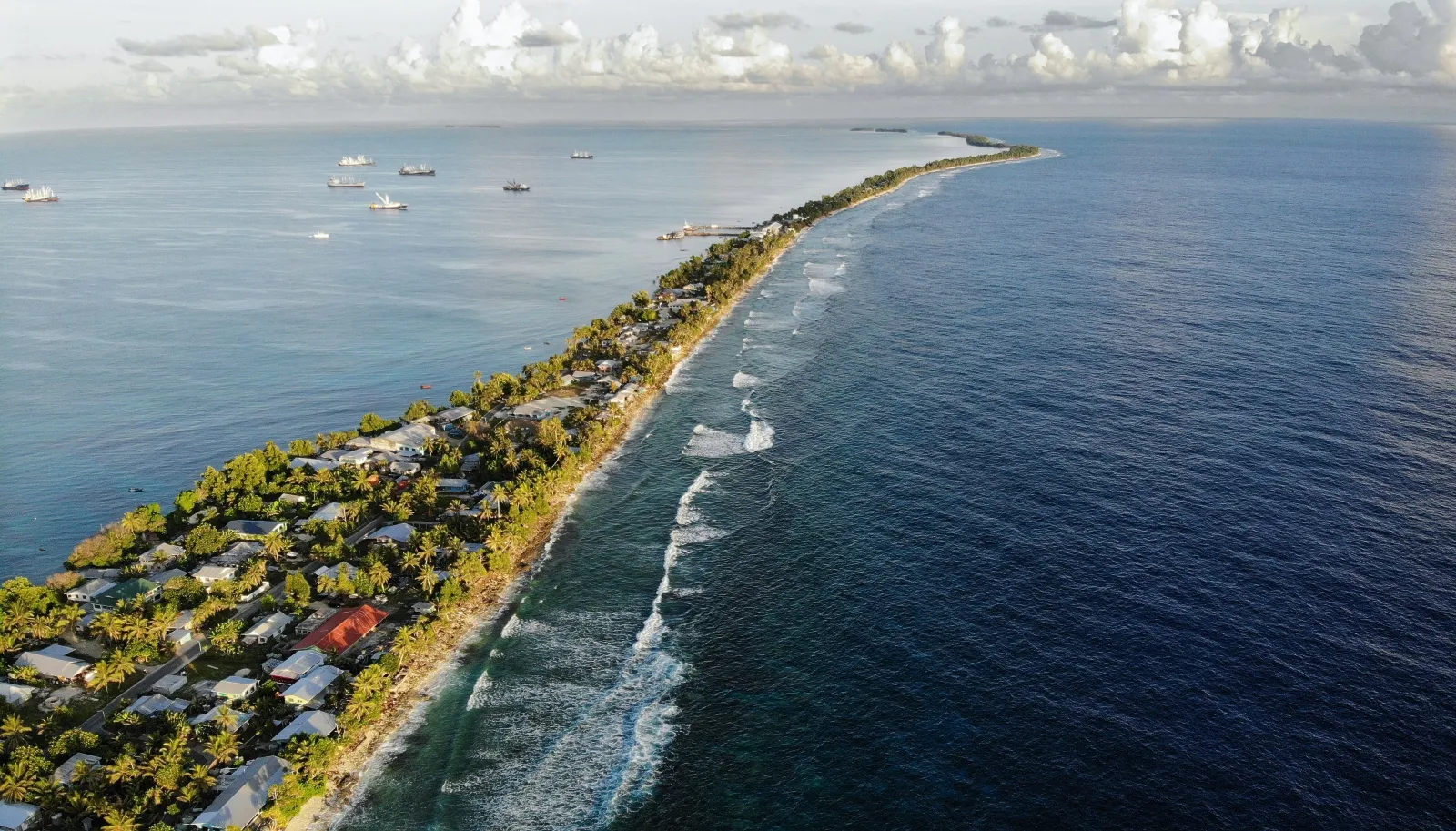
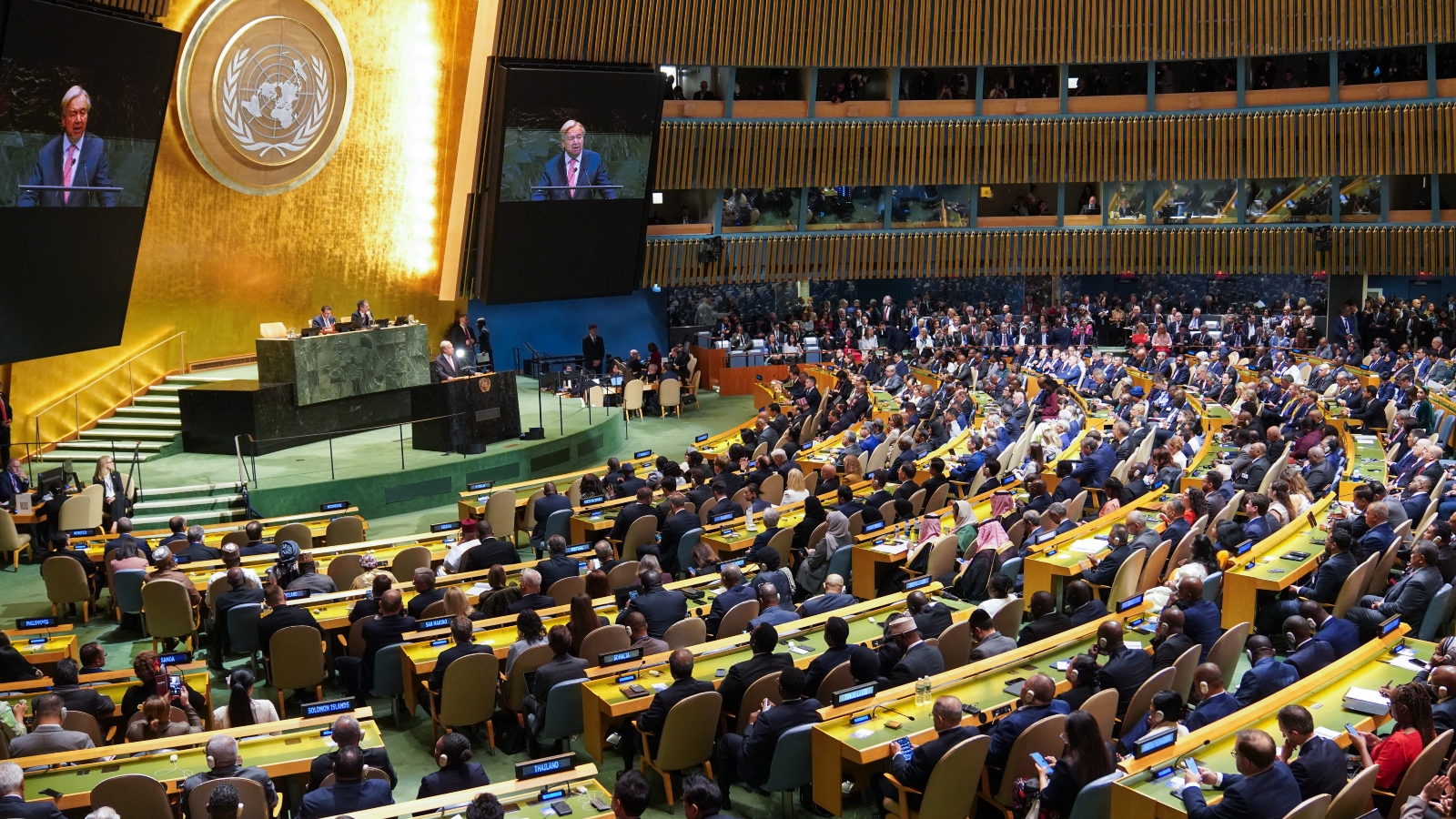
The United Nations General Assembly reached a historic, unanimous agreement this week regarding the legal status of nations threatened by rising sea levels, marking a surprising shift in the current geopolitical landscape. In a climate where global cooperation has been systematically dismantled by the second term of the Trump administration, this resolution stands as a rare pillar of multilateralism. The accord, which affirms the sovereignty and maritime boundaries of low-lying island nations even in the event of total land inundation, was passed without opposition from the United States, providing a glimmer of stability for countries facing an existential threat.
This development follows a period of intense diplomatic isolationism. Since taking office, President Donald Trump has aggressively withdrawn the United States from the Paris Agreement, challenged international carbon taxation frameworks for the global shipping industry, and utilized economic coercion—specifically the threat of tariffs—to suppress climate discourse on the international stage. Against this backdrop, the U.S. decision to allow the sea-level resolution to proceed is being interpreted by international legal experts as a pragmatic recognition of self-interest rather than a shift in environmental policy.
A Chronology of Climate Diplomacy and Legal Shifts
To understand the weight of this week’s declaration, one must look at the progression of climate law over the past three years. The journey toward this UN consensus began in earnest following the 2024 climate negotiations, where the "New Collective Quantified Goal" for climate finance was established, aiming for $300 billion in annual aid by 2035.
However, the legal groundwork was arguably laid by the International Court of Justice (ICJ) in 2025. In a landmark ruling, the ICJ addressed the "statehood" of nations, asserting that the physical disappearance of territory due to environmental catastrophe does not automatically equate to the dissolution of a sovereign state. This ruling provided the intellectual and legal architecture for the current UN resolution, shifting the debate from a theoretical, academic inquiry into a concrete, actionable policy framework.
The Alliance of Small Island States (AOSIS), a coalition of 39 low-lying and coastal nations, has been the primary architect of this diplomatic campaign. For years, these nations have pushed for an international acknowledgment that their legal existence—and their rights to the exclusive economic zones (EEZs) surrounding their islands—must persist regardless of sea-level rise. By securing this consensus at the UN, they have transitioned a "presumption" of statehood into an affirmed right under international law.
The Economic Stakes: Why Maritime Borders Matter
The implications of this agreement extend far beyond the symbolic preservation of sovereignty. For nations like the Bahamas, Tuvalu, and the Marshall Islands, the maritime territory—the stretch of ocean extending from their coastlines—is their most valuable economic asset. These zones are essential for fisheries, energy development, and increasingly, the regulation of emerging industries such as deep-sea mining.
Prime Minister Philip Davis of the Bahamas emphasized that for many island nations, the loss of land would be compounded by the "might is right" vacuum if maritime rights were not legally tethered to the nation itself. "Our landmass is less than 3 meters above sea level," Davis noted in an interview. "We are already seeing our land being swallowed by water. This declaration is a vital step toward ensuring that even as we adapt, our economic future remains under our control."
The fear among these nations is that without this declaration, the world’s oceans could become a lawless frontier. As islands vanish, external powers might attempt to claim the seabed and the surrounding waters, effectively colonizing the marine resources of displaced populations. By enshrining the principle that maritime zones are maintained even when the land is submerged, the UN resolution effectively creates a "sovereign buffer" that prevents the wholesale theft of resources.
The U.S. Calculus: Pragmatism Over Policy
The decision by the U.S. State Department to refrain from blocking the resolution has surprised many, given the current administration’s record of gutting international aid programs like USAID and withdrawing from treaty obligations. However, legal scholars argue that the American position is driven by a cold, long-term calculation of national security and economic preservation.
Bryce Rudyk, a legal advisor to AOSIS and a professor at New York University, explains that the issue of sea-level rise is not exclusive to developing island nations. "Everyone will lose land, and no one wants to lose ocean territory," Rudyk stated. "The United States has massive coastal interests. If the precedent is set that disappearing land leads to the loss of maritime zones, it creates a dangerous instability for every nation with a coastline."
From the American perspective, the resolution is essentially an insurance policy. By protecting the status quo, the U.S. ensures that its own vast maritime borders—which are critical for its offshore oil, mineral, and wind energy sectors—remain secure, even as the global climate shifts. It is a rare instance where the immediate interests of climate-vulnerable nations align perfectly with the defensive, status-quo interests of a global superpower.
Financial Obligations and the Gap in Implementation
While the diplomatic victory is significant, it does not solve the underlying fiscal crisis facing the developing world. The resolution includes language acknowledging that developed nations have an "urgent" obligation to provide expanded access to climate finance. This is a contentious point, as wealthy nations have frequently resisted such mandates, preferring to label such transfers as voluntary rather than a legal duty.
The current financial reality is stark. According to data from the OECD, developed nations provided approximately $130 billion in 2024 for climate adaptation and mitigation. While this represents a high-water mark, it remains significantly lower than the trillions required to build effective defenses, such as seawalls, or to fund the massive relocation efforts necessary for populations in low-lying areas. Furthermore, much of this aid is delivered in the form of high-interest loans, which exacerbate the debt burdens of nations already reeling from the economic aftermath of climate-linked disasters like Hurricane Dorian.
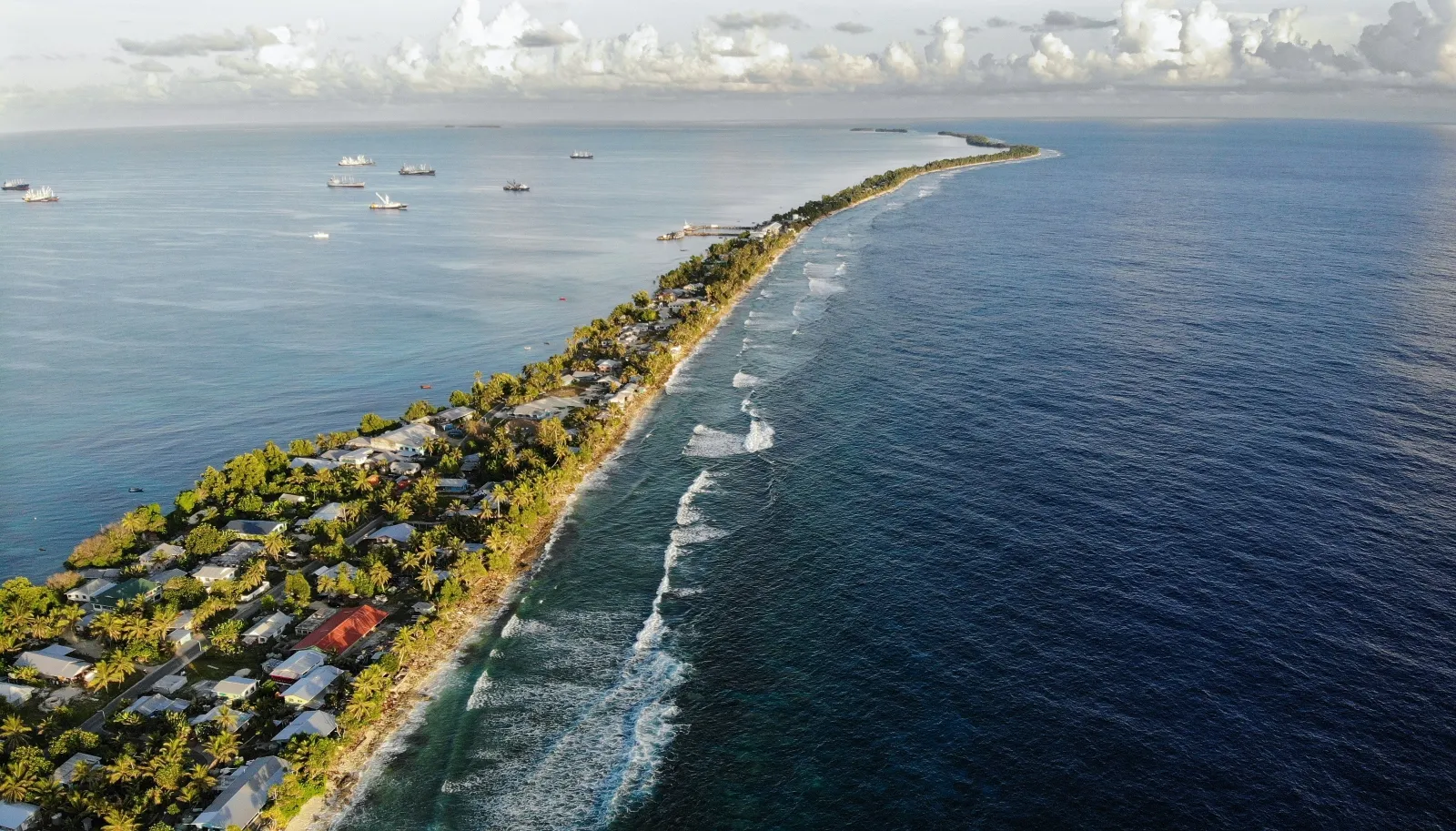
The Bahamas, for instance, remains heavily indebted from the recovery efforts following the 2019 hurricane. Adding climate-related loans to existing debt cycles creates a "climate-debt trap," where island nations are forced to borrow money to fix damage caused by the carbon emissions of the nations that lent them the money in the first place.
Looking Toward the Future
The UN declaration is a testament to the persistence of diplomatic channels, even when the executive branches of major powers are hostile to climate action. It serves as a precedent-setting moment that will likely define the legal landscape for the remainder of the century.
However, observers caution that a declaration is not a panacea. The path forward requires moving from the affirmation of rights to the enforcement of financial responsibility. The "presumption in favor of continued statehood" ensures that these nations will exist on paper, but the physical survival of their people will depend on the very climate finance that the current U.S. administration has so far sought to minimize.
As the international community looks ahead, the focus will likely shift to how this new legal status is integrated into domestic policies. If nations are to maintain maritime rights, they must now prepare for the complex task of governing "non-territorial states"—entities that have legal standing and exclusive economic zones, but perhaps no physical landmass. It is a frontier of international law that was once the subject of science fiction, but which is now, through this UN resolution, a formal component of global governance.
The fact that this agreement reached consensus during a year characterized by the erosion of international norms suggests that, despite the political volatility of the Trump era, the global community remains tethered to the necessity of a rules-based order. For the Marshall Islands and Tuvalu, this is more than just an agreement—it is a lifeline, a recognition that while the tide may rise, their identity as nations will remain anchored in international law.
Related posts: