Leevin Camacho was brushing his teeth in his Yigo home one autumn morning when a frantic text from his mother shattered his routine. Attached was a flyer from the local water authority, stark and unforgiving: the water supply was contaminated. It cited risks of liver damage and a potential link to cancer, concluding with a chilling instruction in bold, capitalized letters: DO NOT DRINK. As he looked at his children, then 10 and 12 years old, who had spent their entire lives consuming that very water, Camacho realized the profound betrayal of trust that had been unfolding beneath his feet for decades.
The culprit was dieldrin, a highly persistent organochlorine insecticide banned by the United States in 1987. For the residents of Yigo, a northern village on Guam, the discovery was not a singular event but the latest chapter in a long history of environmental degradation linked to the U.S. military presence. Records indicate that elevated levels of this chemical had been detected in local wells since at least 2008, yet public warning systems failed to communicate the danger effectively until years later.
A Legacy of Contamination and Military Expansion
Guam, a strategic U.S. territory in the Western Pacific, has served as a central node for American military power for over a century. However, this status has come at an immense cost to the island’s ecology and its indigenous CHamoru population. Dieldrin is merely one of several pollutants haunting the island. The legacy of World War II, including unexploded ordnance littering jungles and lagoons, combined with modern military activities—such as the presence of polychlorinated biphenyls (PCBs) in local fish and ongoing groundwater contamination—has created a pervasive sense of anxiety.
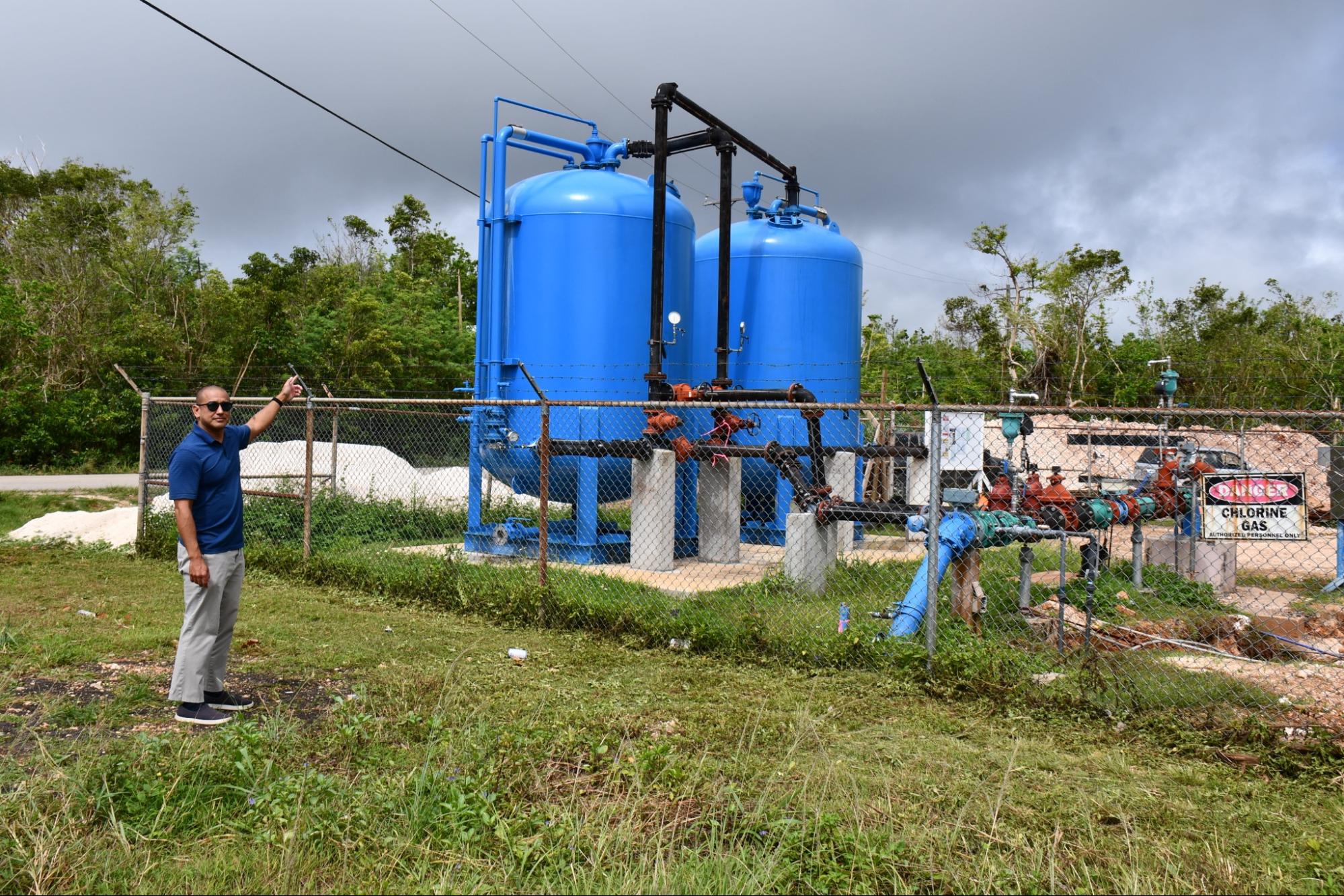
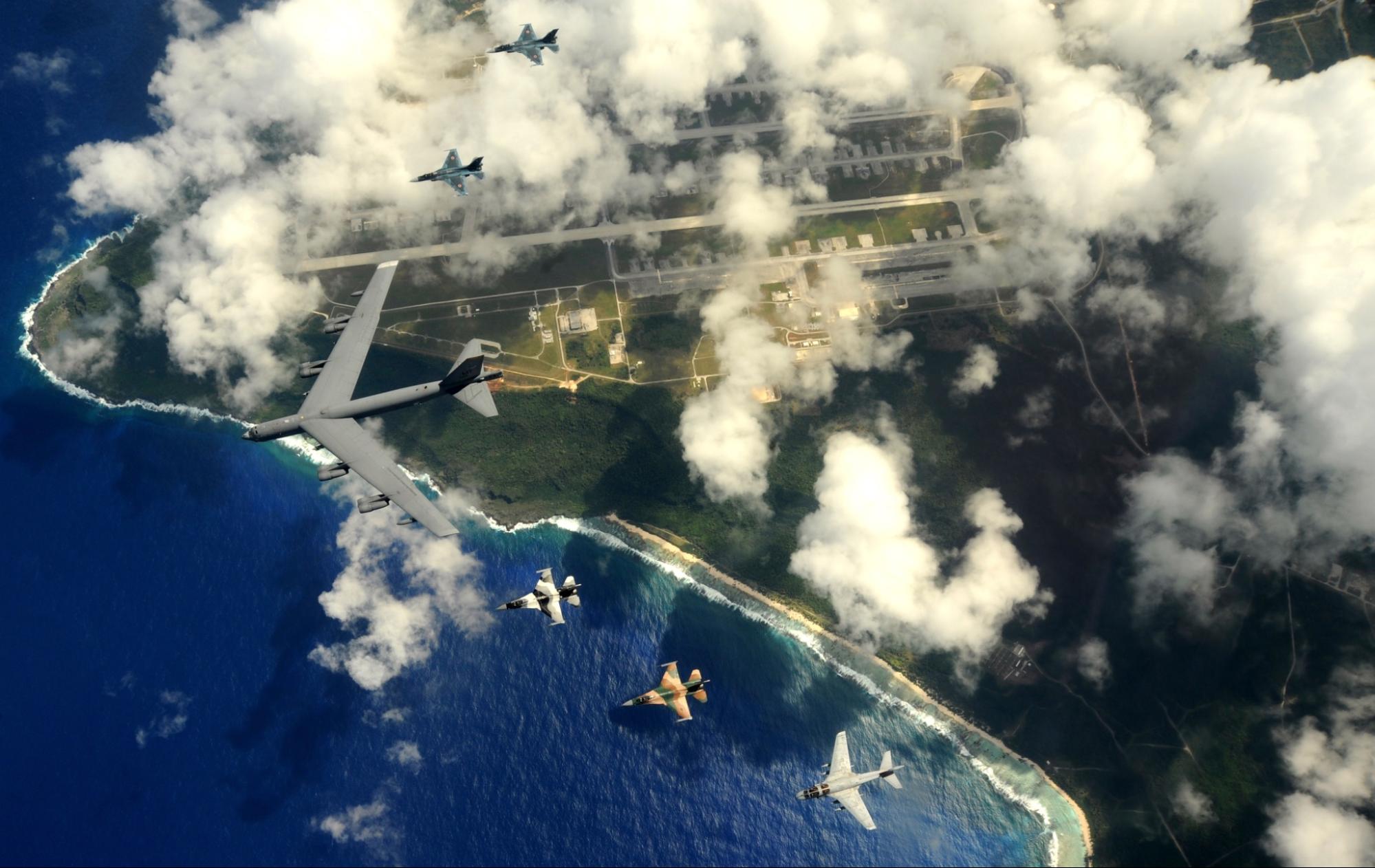
The Pentagon’s investigation into the dieldrin in Yigo, spearheaded by officials at Joint Region Marianas, remains in its nascent stages. While local officials suspect the nearby Andersen Air Force Base is a primary source, given that the military has identified the pesticide as a "chemical of concern" since 1993, the military has been slow to accept responsibility. The situation in Yigo reflects a broader pattern of "sacrifice zones," where the geopolitical necessity of the "tip of the spear" takes precedence over the health and safety of local citizens.
The Military Buildup: Economic Opportunity or Existential Threat?
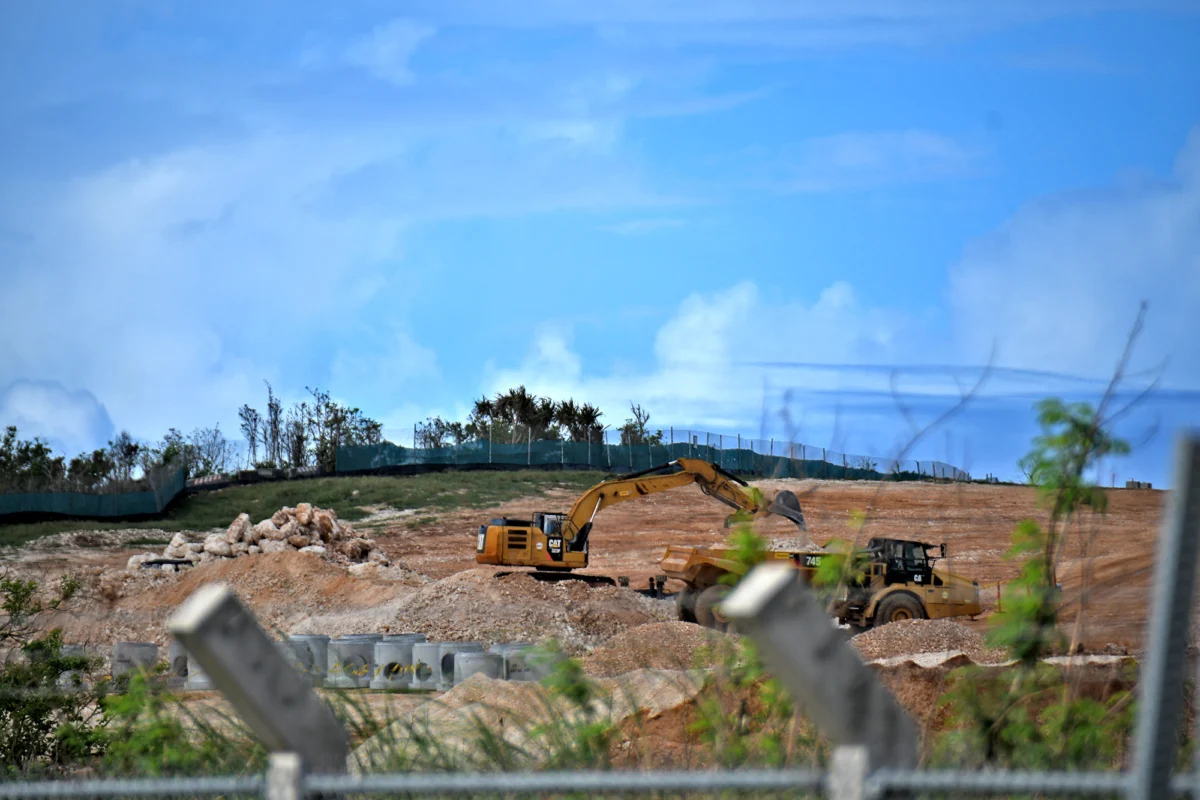
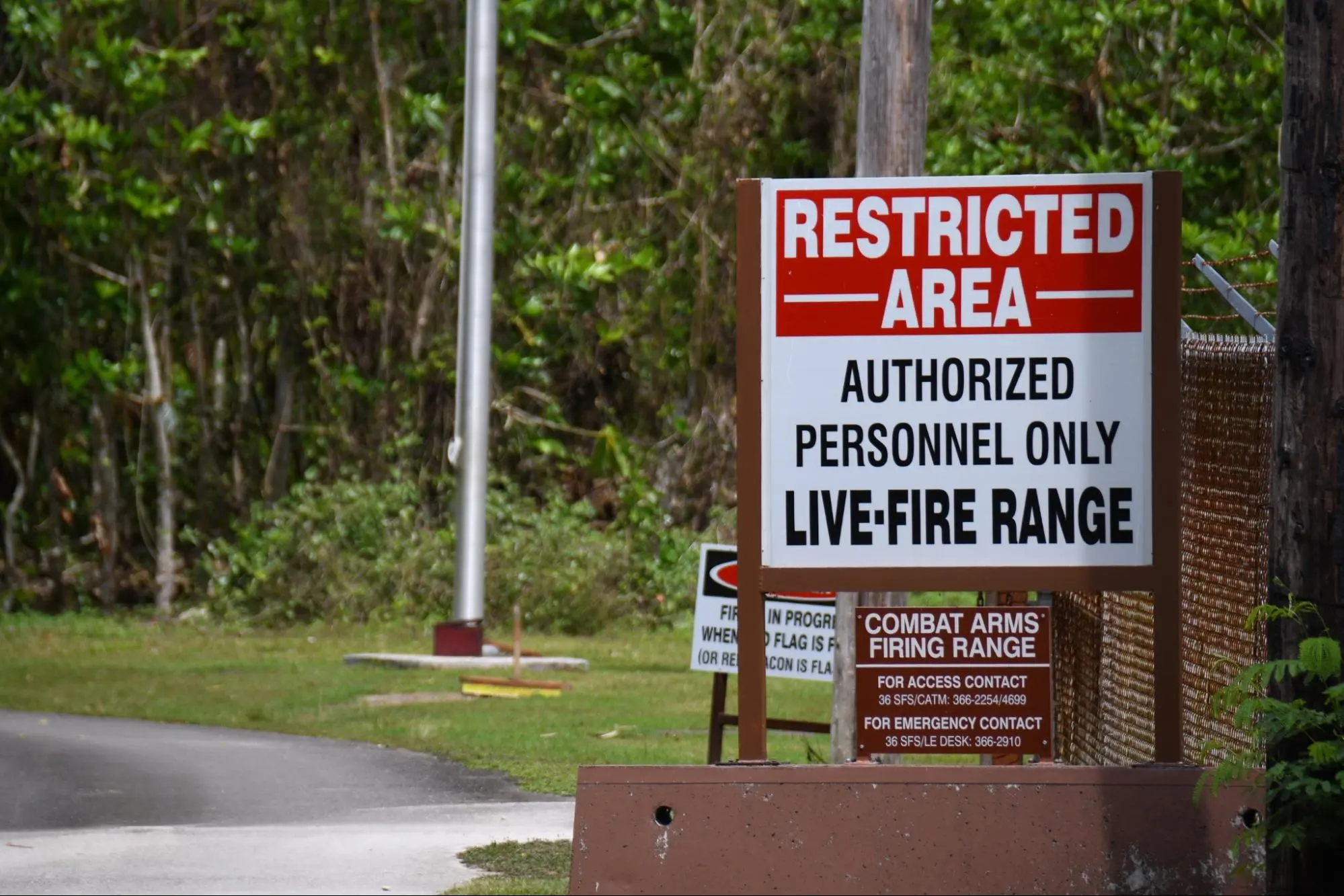
The current U.S. military buildup in the Indo-Pacific is arguably the most significant transformation the island has faced since the post-WWII era. With the Pentagon seeking to counter rising tensions with China, Guam is being fortified with an influx of personnel, new missile defense systems, and expanded training ranges. Rear Admiral Brett Mietus, commander of Joint Region Marianas, maintains that the military is committed to protecting the island. "We’re meeting every letter of every law for environmental regulations," Mietus stated, emphasizing the billions of dollars being poured into defending the region against advanced missile threats.
However, many residents see this buildup as an existential threat. The expansion is not limited to Guam; it stretches across the Pacific to Palau, the Federated States of Micronesia, and the Northern Mariana Islands. In Yap, plans to expand a seaport and airfield threaten to disturb over 1,000 graves and destroy critical marine habitats. Indigenous leaders in these regions have increasingly resorted to lawsuits and United Nations complaints to assert their right to free, prior, and informed consent.
Chronology of Conflict: From Liberation to Litigation
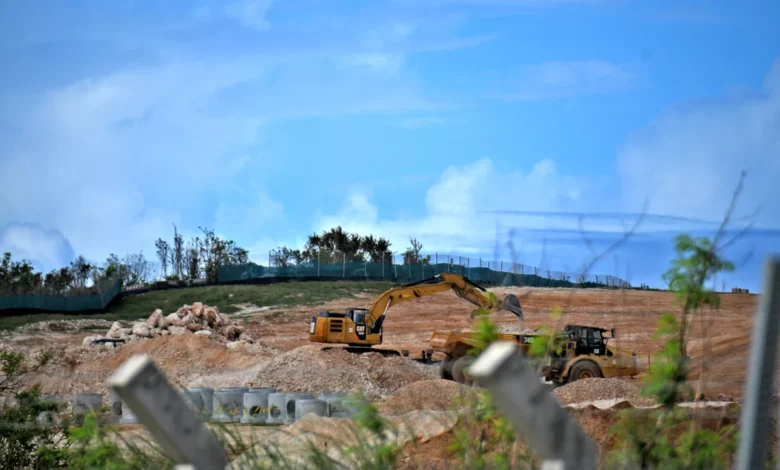
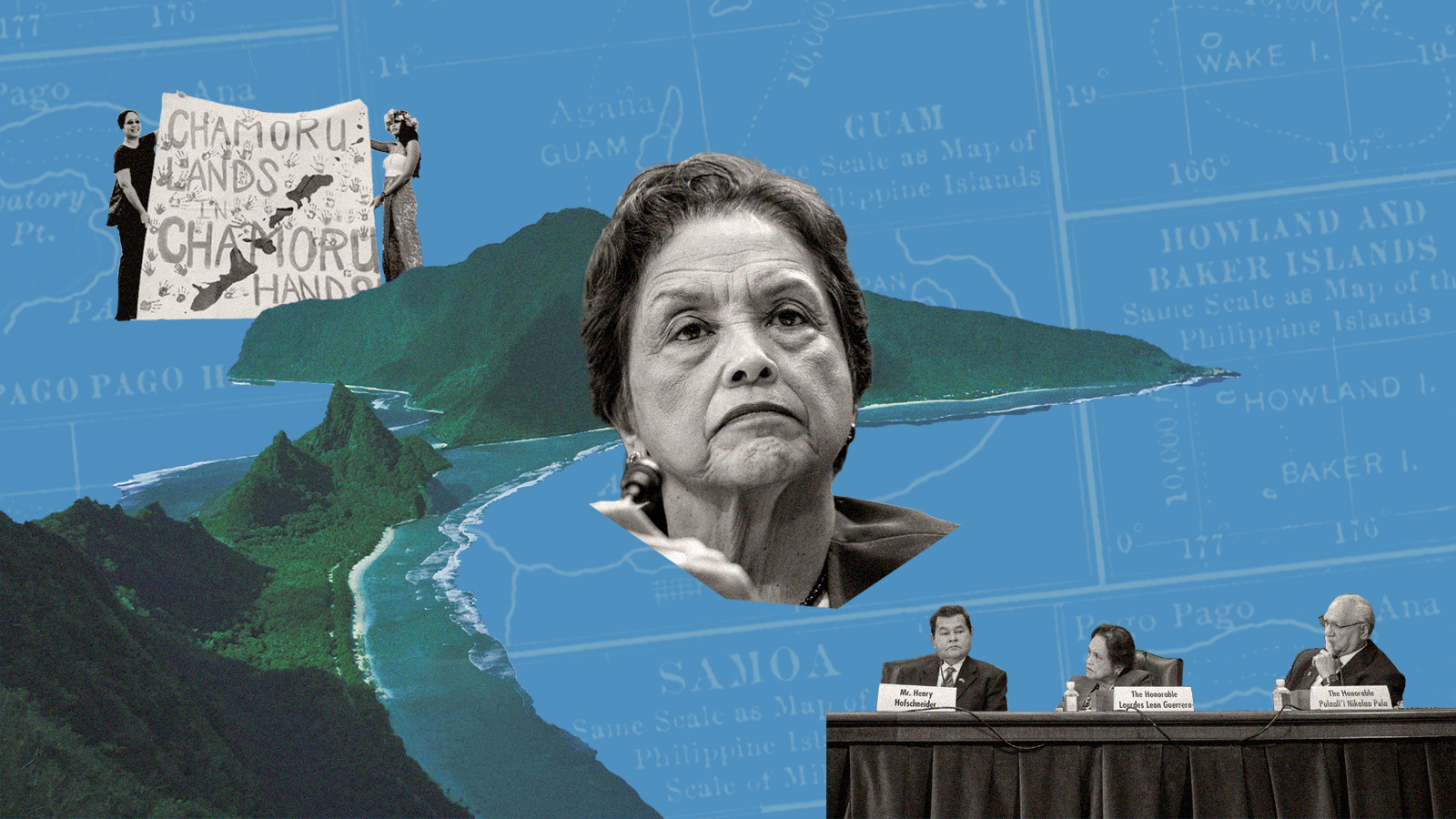
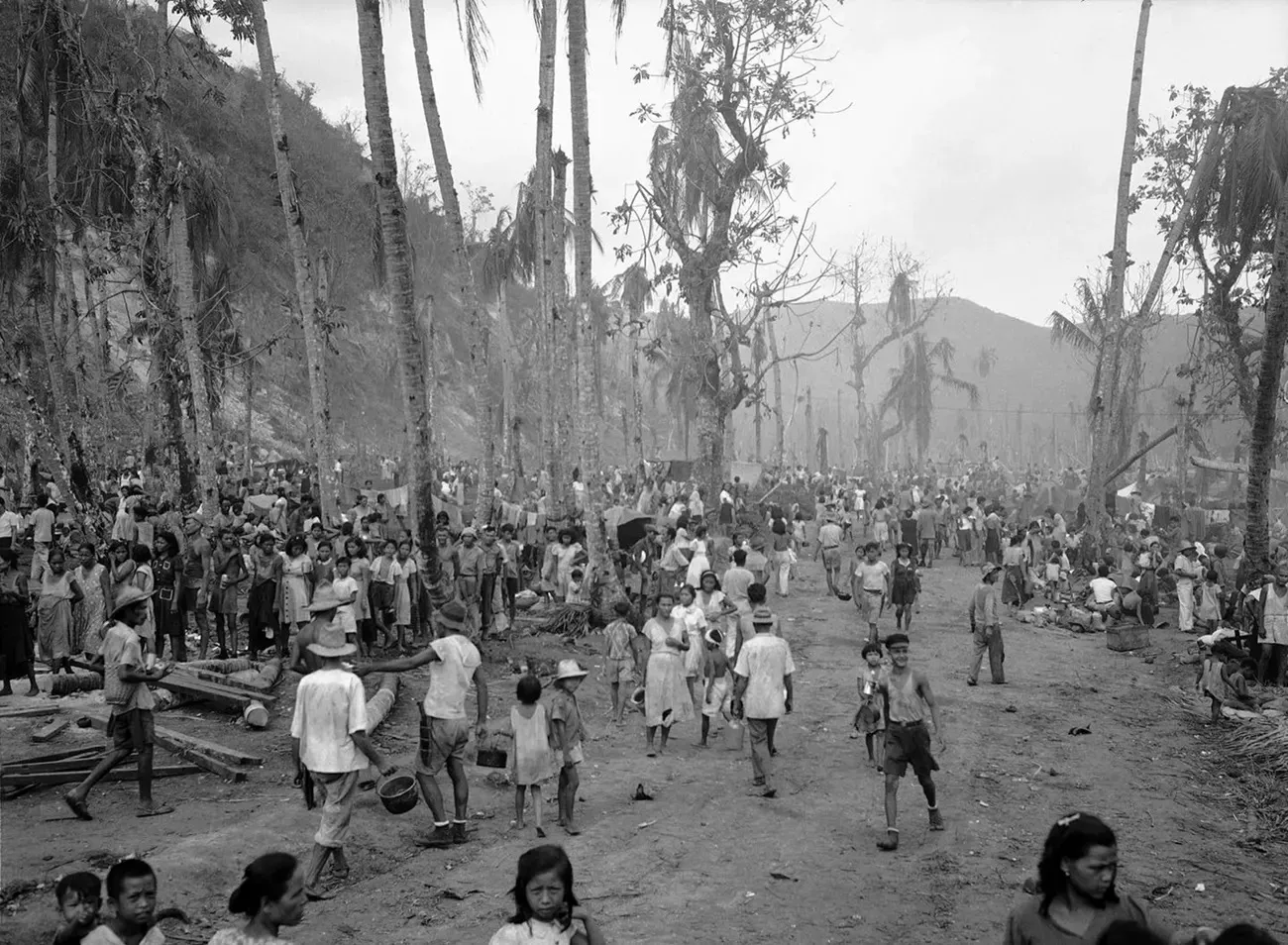
The narrative of the U.S. as a "liberator" has been central to the identity of many Guam residents, particularly those who lived through the brutal Japanese occupation during World War II. For generations, the military’s land grabs were accepted as the price of freedom. Yet, the perspective has shifted as the reality of modern militarization—the bulldozing of limestone forests, the destruction of ancient latte stones, and the contamination of aquifers—has become impossible to ignore.
- 1898: The U.S. acquires Guam from Spain, beginning a century of military governance.
- 1941–1944: Japan occupies Guam; subsequent U.S. liberation is followed by a massive military land grab.
- 1987: The U.S. bans dieldrin due to its toxicity and persistence in the environment.
- 1993: The military formally categorizes dieldrin as a "chemical of concern" at Andersen Air Force Base.
- 2008: First records of high dieldrin levels in Yigo wells emerge.
- 2010: Leevin Camacho and the group "We Are Guåhan" sue to protect ancestral sites like Pågat.
- 2021: The U.S. Supreme Court rules that Guam can sue the federal government over the Ordot Dump cleanup, leading to a $48.9 million settlement.
- 2026: Ongoing construction of Camp Blaz and new missile defense sites sparks renewed protests and legal challenges regarding endangered species and water safety.
The Human and Environmental Cost
The economic argument for the buildup is frequently cited by local leadership. Governor Lou Leon Guerrero has expressed that while activists are vocal, the military presence is an immutable reality of the region’s geography. She argues that instead of futile resistance, the focus should be on leveraging military investment to harden local infrastructure, such as power grids and hospitals, which currently struggle to handle the demands of a growing population.
Conversely, activists like Monaeka Flores, executive director of Prutehi Guåhan, argue that the military presence makes Guam a target rather than a bastion of security. They point to the "Guam Killer" ballistic missiles developed by foreign adversaries as proof that the concentration of military assets increases the risk of the island becoming a battlefield once more. For many, the contamination of the water supply is the ultimate evidence of this expendability: "Are we just collateral damage?" Flores asks.
Fact-Based Analysis: The Legal and Social Implications
The legal battles led by figures like Leevin Camacho have fundamentally changed how Guam engages with the federal government. By moving the struggle from the streets to the courts, they have achieved milestones, such as the Supreme Court victory regarding the Ordot Dump. These legal precedents provide a roadmap for other Pacific nations currently facing similar pressures from U.S. military expansion.
However, the systemic issue remains: the Department of Defense operates under environmental assessments that critics claim often minimize or ignore the cumulative impact of these projects. When the military proposes clearing thousands of acres of forest or dredging protected marine areas, the "mitigation" measures proposed are frequently viewed by local communities as inadequate.
Moving Toward Accountability
As the military buildup accelerates, the question of accountability becomes paramount. For the people of Yigo and the broader Micronesian region, the promise of security is currently overshadowed by the reality of toxic water, vanishing forests, and the fear of becoming a front line in a potential conflict between superpowers.
Leevin Camacho, who transitioned from a quiet lawyer to one of the region’s most prominent environmental advocates, continues to represent the struggle for self-determination. For him, the fight for compensation regarding the dieldrin contamination is not just about the money; it is about establishing a precedent that the military cannot simply treat the island’s resources as a bottomless well for its strategic objectives. As his children grow up in a landscape irrevocably altered by foreign interests, Camacho’s resolve is clear: Guam is home, and it is a home that deserves to be protected from the very forces that claim to be its guardians. The future of the island, and the thousands of people who call it home, rests on the ability to demand a standard of care that reflects their status not as mere real estate, but as fellow citizens with rights that cannot be sacrificed for the sake of the spear.
Related posts: