Global Hunger Declines Overall But Surges in Africa and Western Asia as UN Report Highlights Growing Inequality in Food Security

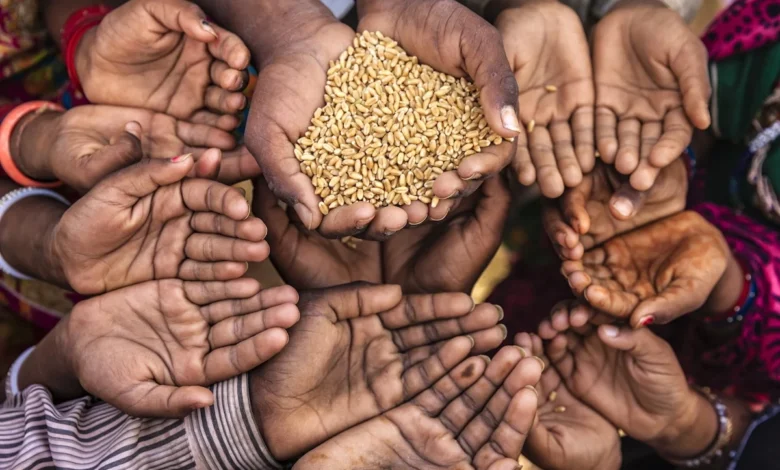
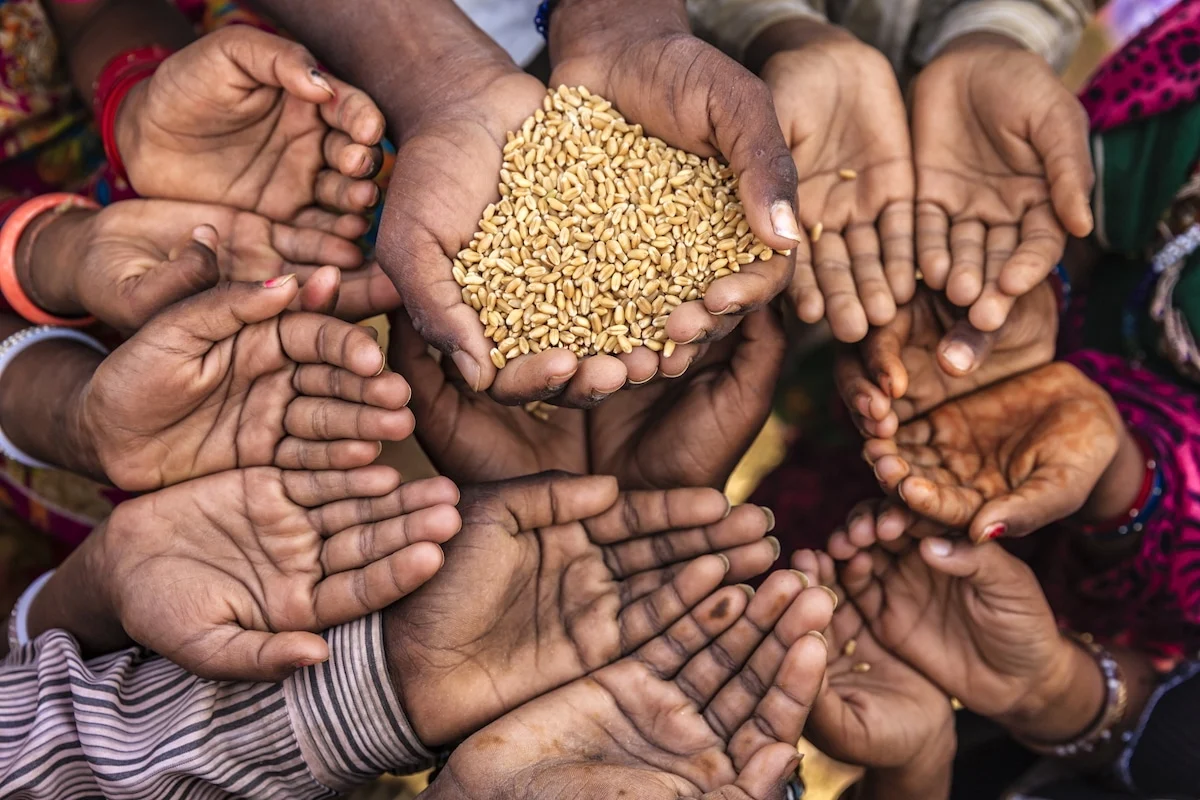
The latest edition of The State of Food Security and Nutrition in the World (SOFI) report, a flagship publication released jointly by five specialized United Nations agencies, reveals a complex and bifurcated landscape of global nutrition. While the total number of people facing hunger worldwide saw a marginal decline in 2024, significant regional disparities persist, with hunger levels continuing to climb across Africa and Western Asia. Published on Monday by the Food and Agriculture Organization (FAO), the International Fund for Agricultural Development (IFAD), the UN Children’s Fund (UNICEF), the World Food Programme (WFP), and the World Health Organization (WHO), the report serves as a stark assessment of the world’s progress—or lack thereof—toward achieving Sustainable Development Goal 2: Zero Hunger by 2030.
According to the data, approximately 8.2 percent of the global population, or roughly 673 million people, suffered from hunger in 2024. This represents a modest improvement from 8.7 percent in 2022 and 8.5 percent in 2023. In absolute terms, between 638 million and 720 million people were undernourished last year, a decrease of approximately 15 million from 2023 and 22 million from 2022. However, UN officials warn that these aggregate gains mask a deepening crisis in specific geographic corridors where conflict, economic instability, and climate-induced disasters have erased years of developmental progress.
Regional Divergence: Progress vs. Persistence
The SOFI 2025 report highlights a significant "decoupling" of food security trends between the Eastern and Western hemispheres. In Asia, the proportion of the population facing undernourishment fell to 6.7 percent, down from 7.9 percent just two years prior. This improvement was largely driven by robust economic recovery in Southern and Eastern Asia, alongside targeted government interventions in food distribution systems. Similarly, Latin America and the Caribbean continued their downward trajectory in hunger rates. Undernourishment in this region decreased to 5.1 percent—affecting approximately 34 million people—representing a steady recovery from a 2020 peak of 6.1 percent.
In sharp contrast, the situation in Africa continues to deteriorate. The proportion of the population facing hunger on the continent surpassed 20 percent in 2024, affecting 307 million people. This means that one in every five people in Africa is currently undernourished. Western Asia has also seen a troubling rise, with an estimated 12.7 percent of the population—more than 39 million people—facing hunger in 2024. This surge is attributed to a combination of prolonged civil conflicts, the destabilization of trade routes, and the lingering effects of the global food price crisis.
FAO Director-General QU Dongyu emphasized that while the global decrease is encouraging, the unevenness of the progress is a cause for grave concern. "SOFI 2025 serves as a critical reminder that we need to intensify efforts to ensure that everyone has access to sufficient, safe, and nutritious food," Dongyu stated. He called for collaborative and innovative strategies to address the specific challenges faced by vulnerable populations in regions where hunger remains persistent.
The Economic Aftershocks of 2021-2023
A significant portion of the report is dedicated to analyzing the causes and consequences of the food price surge that occurred between 2021 and 2023. This period saw a convergence of "polycrisis" factors: the economic disruptions caused by the COVID-19 pandemic, the impact of Russia’s invasion of Ukraine on global grain and fertilizer markets, and a series of extreme weather events linked to climate change.
While global food price inflation reached a median peak of 13.6 percent in early 2023, the burden was not shared equally. Low-income nations were hit the hardest, with food price inflation in these regions peaking at a staggering 30 percent in May 2023. This hyper-inflationary environment effectively neutralized the purchasing power of the poorest households, forcing many to transition from diverse, nutritious diets to calorie-dense but nutrient-poor staples.
Despite these headwinds, there was a slight global improvement in the affordability of healthy diets. The number of people unable to afford a healthy diet fell to 2.6 billion last year, down from 2.76 billion in 2019. However, this global trend again hides a localized crisis: in low-income countries, the number of people unable to afford nutrition rose to 545 million in 2024, up from 464 million five years earlier. In lower-middle-income nations (excluding India), the figure rose from 791 million to 869 million over the same period.
The Human Toll: Maternal and Child Nutrition
The report underscores the long-term biological and developmental costs of food insecurity, particularly for children. UNICEF Executive Director Catherine Russell highlighted that over 190 million children under the age of five are currently affected by various forms of undernutrition. This includes stunting (being too short for one’s age) and wasting (being too thin for one’s height), both of which can have permanent negative consequences for physical and mental development.

"Every child deserves the chance to grow and thrive," Russell said. "Undernutrition robs them of the chance to live to their fullest potential. We must work in collaboration with governments and the private sector to ensure that vulnerable families have access to affordable, nutritious food."
The UN agencies noted that while there has been some progress in reducing stunting and supporting exclusive breastfeeding globally, the pace of improvement is insufficient to meet 2030 targets. WHO Director-General Dr. Tedros Adhanom Ghebreyesus noted that while the world has made "good progress" in specific metrics, the broader burden of malnutrition remains a global health emergency.
Chronic Undernourishment and the 2030 Outlook
The projections for the end of the decade are sobering. The SOFI report estimates that if current trends continue, approximately 512 million people will experience chronic undernourishment by 2030. Nearly 60 percent of those individuals will reside in Africa. This forecast indicates that the world is significantly off-track to meet the "Zero Hunger" goal established by the UN Sustainable Development Goals (SDGs) in 2015.
The persistent nature of hunger in the modern era is increasingly linked to structural issues rather than a lack of total global food production. The report suggests that the problem lies in the "agrifood systems"—the complex web of production, processing, transport, and consumption. Disruptions in global value chains and the lack of investment in rural infrastructure have left many regions unable to withstand external shocks.
IFAD President Alvaro Lario argued that the solution lies in fundamental agricultural transformation. "In times of rising food prices and disrupted global value chains, we must step up our investments in rural and agricultural transformation," Lario said. "These investments are not only essential for ensuring food and nutrition security—they are also critical for global stability."
Policy Recommendations for a Resilient Future
To combat these trends, the five UN agencies outlined a series of policy recommendations aimed at building resilience and lowering the cost of nutritious food. These recommendations include:
- Monetary and Fiscal Policy: The report calls for transparent and credible monetary policies to contain inflationary pressures. Additionally, it recommends time-bound and targeted fiscal measures, such as social protection programs and cash transfers, to shield the most vulnerable households from price volatility.
- Investment in R&D: Strategic investing in agrifood research and development is deemed essential to boost productivity and adapt to climate change. This includes developing drought-resistant crop varieties and improving market information systems to prevent price gouging.
- Infrastructure Development: Enhancing transportation and production infrastructure is critical to reducing "food deserts" and ensuring that locally produced food can reach urban centers efficiently.
- Social Protection and Education: Strengthening programs that teach parents about locally produced nutritious food and the importance of breastfeeding is highlighted as a low-cost, high-impact intervention.
Analysis of Global Implications
The findings of the SOFI 2025 report suggest that food security is no longer just a humanitarian issue but a central pillar of geopolitical stability. The concentration of hunger in Africa and Western Asia—regions already grappling with migration crises and political volatility—threatens to create a cycle of poverty and unrest that could have far-reaching global consequences.
Furthermore, the data indicates that the "middle-income" bracket of nations is becoming increasingly vulnerable. While the world’s wealthiest nations have largely absorbed the shocks of the 2021-2023 price surge, and the most populous nations like India have shown resilience through massive internal food subsidy programs, lower-middle-income countries are slipping through the cracks.
The report concludes that the fight against hunger requires a shift from emergency aid to systemic reform. As the 2030 deadline for the Sustainable Development Goals approaches, the international community faces a narrowing window to realign global trade, climate, and agricultural policies to ensure that the progress seen in parts of Asia and Latin America can be replicated in the regions currently left behind. Without a massive scaling of investment and a renewed commitment to multilateral cooperation, the goal of a world without hunger will remain an aspiration rather than a reality.