The Hidden Health Costs of the Artificial Intelligence Data Center Boom and the Erosion of EPA Oversight

While technology industry leaders continue to dominate public discourse with warnings regarding the existential risks posed by hypothetical artificial intelligence superintelligence, a coalition of former Environmental Protection Agency (EPA) officials is sounding the alarm on a more immediate, tangible threat to public health. According to a new report from the Environmental Protection Network (EPN), the rapid, unfettered expansion of energy-intensive data centers is being facilitated by a systematic dismantling of environmental safeguards, creating a public health crisis that is unfolding in real time.
The report, which examines the regulatory landscape since January 2025, details how the current administration has initiated at least 30 distinct policy changes. These actions have collectively weakened pollution safeguards, streamlined permitting processes, and relaxed inspection norms—all to accommodate the massive energy requirements of the AI sector. As the United States moves toward cementing its status as a global hub for artificial intelligence, the infrastructure required to power these models is bypassing the traditional environmental reviews designed to protect local air and water quality.
A Chronology of Regulatory Rollbacks
The shift in EPA priorities did not happen overnight; it represents a strategic pivot initiated shortly after the current administration took office in early 2025. Following the inauguration, the EPA shifted its organizational focus from a "compliance-first" enforcement model to one prioritizing "energy dominance" and infrastructure speed.
By mid-2025, the administration began targeting the scientific research arm of the agency. The subsequent dismantling of the EPA’s primary research office signaled a departure from data-driven regulation. This was followed by a series of administrative memos from EPA Administrator Lee Zeldin, which explicitly instructed enforcement staff to avoid any actions that might "unduly burden or significantly disrupt" energy production.
The culmination of these efforts is a proposed rule change that would allow developers to begin physical construction on data centers and their accompanying power facilities before obtaining necessary air pollution permits. This "build first, permit later" approach removes the most significant leverage the government has to demand cleaner technology or mitigation strategies from developers.
The Scale of the Infrastructure Expansion
To understand the scope of the problem, one must look at the physical footprint of the industry. The United States currently hosts approximately 3,000 operational data centers. However, this figure is projected to balloon as tech companies scramble to build out the computational capacity required for Large Language Models (LLMs) and advanced neural networks. Industry analysts estimate that more than 1,500 new centers are currently in the planning or early development stages.
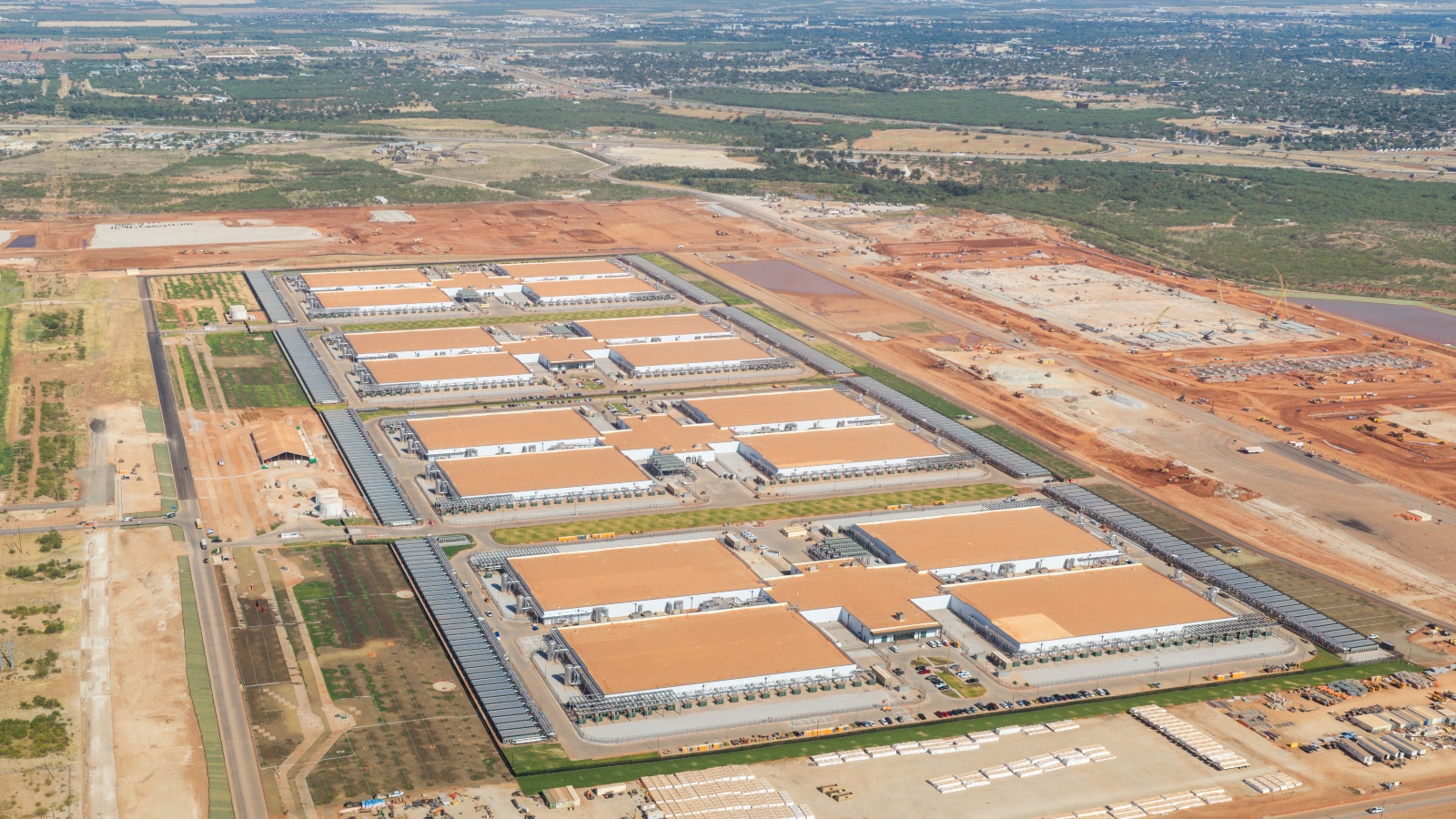
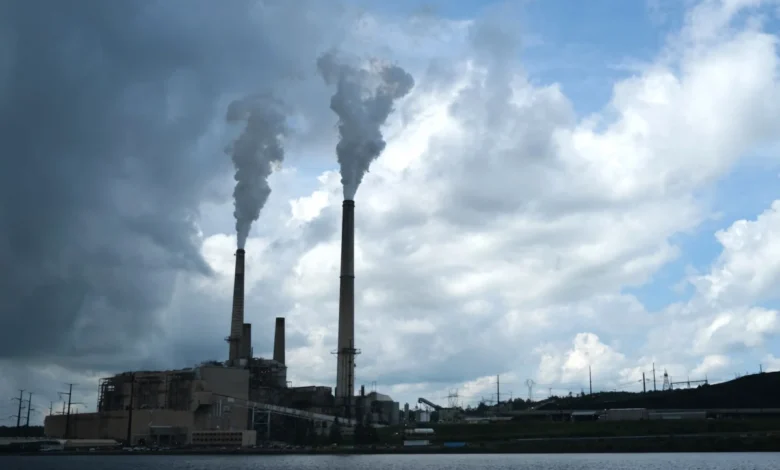
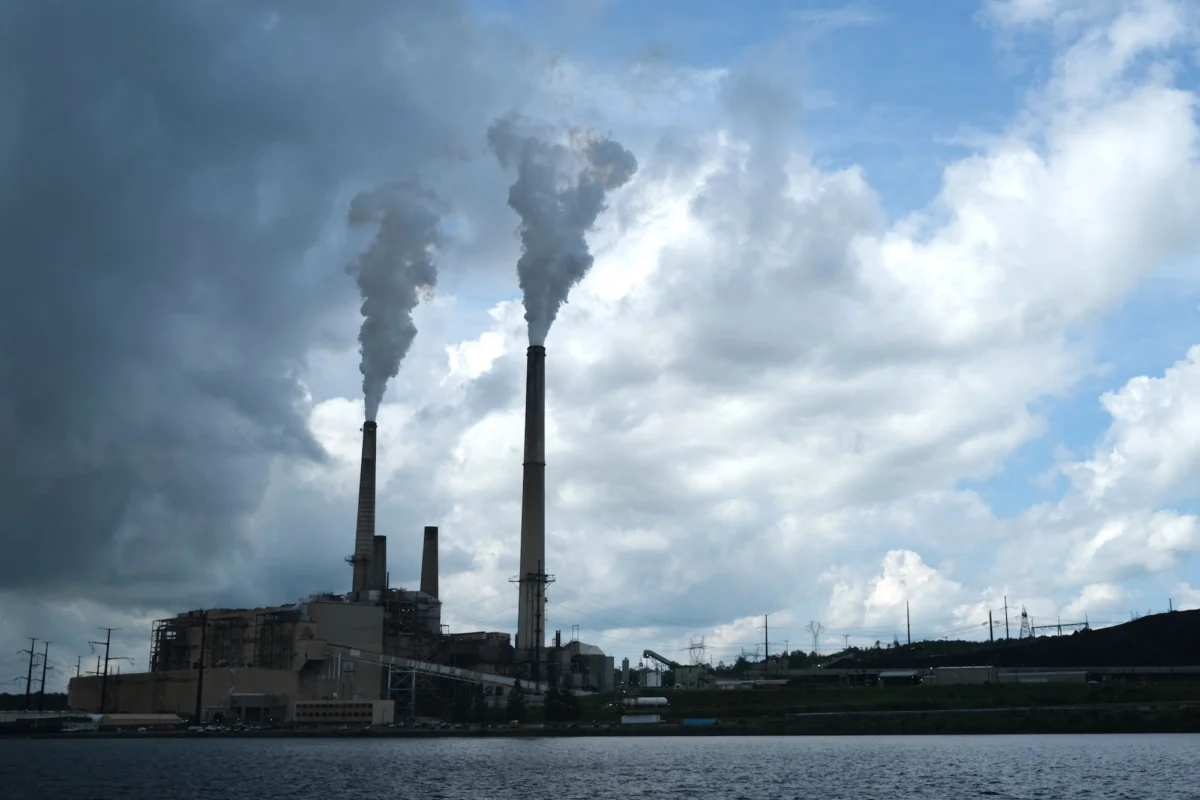
These facilities are not merely server rooms; they are high-capacity industrial sites. To operate 24/7, many of these centers require dedicated, reliable power sources. In many regions, the existing electrical grid is unable to handle the sudden, concentrated load. This has led to the revival of fossil fuel-reliant power generation. In several states, coal-fired power plants that were scheduled for decommissioning have been granted stays of execution to provide the baseload power necessary for massive data clusters. Elsewhere, companies are turning to onsite natural gas turbines, which often operate with fewer emissions controls than centralized utility power plants.
Scientific Capacity and the Loss of Expertise
The transition in EPA policy has been accompanied by a significant "brain drain." Dan Costa, a veteran of the agency with 35 years of experience in air pollution research, has highlighted the danger of losing the collective knowledge of toxicologists, chemists, and atmospheric modelers who previously formed the backbone of the EPA’s mission.
"Over the decades, we worked in concert with academic colleagues on behalf of the American people—not on behalf of industry," Costa stated during a recent press briefing. "Transforming the nation’s energy system, while simultaneously diminishing the scientific capacity to understand what the environmental and health impacts are going to be, is a profound dereliction of the agency’s duty."
The loss of this scientific capacity means the government is no longer effectively monitoring the cumulative impact of these centers. While one data center might produce a localized increase in nitrogen oxides or particulate matter, the current regulatory climate fails to account for the "cluster effect," where multiple, massive power-hungry facilities are built in proximity to one another, compounding the pollution levels in surrounding communities.
Implications for Public Health
The health consequences of these regulatory changes are not merely theoretical. Research cited by the EPN suggests that the emissions associated with the AI boom could lead to as many as 1,300 additional deaths annually. These deaths are linked to the release of fine particulate matter (PM2.5), which is known to penetrate deep into the lungs and enter the bloodstream.
Dr. Lynn Goldman, a physician and former EPA administrative official, emphasizes that the latency of these health issues varies. "Some impacts are acute," Dr. Goldman explained. "We are talking about increased incidents of heart attacks and adverse birth outcomes that occur shortly after exposure. Other impacts, such as respiratory cancers or chronic cardiovascular diseases, may take years to manifest."
The concern is that the current administration’s focus on short-term economic metrics—namely, AI dominance and speed-to-market—is effectively externalizing these health costs onto local populations. Families living near these massive, newly constructed, or extended-life power plants are bearing the cost of the AI revolution through increased medical bills and diminished quality of life.
Official Stance and Industry Ambition
The administration’s defense of these policies rests on the argument of national competitiveness. Administrator Zeldin has been clear in internal communications that the EPA’s primary role in this context is to remove obstacles. In a memo circulated last year, Zeldin stated that the agency is "committed to bolstering" AI leadership by "cutting heavy-handed regulations to ensure America can build and power the data centers essential to Making America the AI Capital of the World."
This position aligns with the tech industry’s broader lobbying efforts. Companies developing these AI models argue that the energy demand is a temporary hurdle and that they are investing in clean energy alternatives. However, critics point out that the speed of AI deployment is far outstripping the deployment of renewable energy sources. Until the grid can be fully transitioned to carbon-neutral power, the demand for "always-on" power is almost exclusively being met by fossil fuels.
Fact-Based Analysis of the Regulatory Gap
The current situation represents a significant departure from the principles of the Clean Air Act. Traditionally, the EPA’s role was to set standards based on the best available science to ensure that industrial expansion did not compromise the health of the populace. By removing the requirement for air permits prior to construction, the agency has effectively abandoned the "precautionary principle."
Furthermore, the focus on "streamlining" ignores the reality of localized air quality. Even if a data center is powered by "cleaner" energy, the onsite backup generators—which are often large diesel engines—are frequently tested and run in areas that may already be burdened by other industrial pollutants. Without stringent, enforced inspection norms, these backup systems often operate with little oversight, creating "pollution hotspots" that disproportionately affect marginalized or low-income communities situated near industrial zones.
Broader Implications and Future Outlook
The conflict between AI development and environmental protection is set to intensify. As global competition for AI dominance remains a central pillar of U.S. domestic and foreign policy, the pressure to maintain this pace of infrastructure growth will likely increase.
If the current trend of deregulation continues, the country faces a future where the benefits of AI—increased productivity, medical breakthroughs, and economic growth—are enjoyed nationally, while the health burdens of the power generation required to sustain those benefits are concentrated in the communities hosting the data centers.
The report by the former EPA officials serves as a stark reminder that policy decisions made in Washington have long-term biological consequences. As the nation pivots toward an AI-driven future, the lack of robust, science-based oversight risks repeating the environmental mistakes of the mid-20th century, where industrial progress was often prioritized at the expense of public health. Whether the administration will respond to these warnings by restoring oversight or by doubling down on deregulation remains the central question for the coming years. For now, the "hidden costs" of the AI boom remain, for many citizens, an invisible and mounting threat.
Related posts: