The Global Climate Crisis Accelerates as a Historic Super El Niño Reshapes Weather Patterns Worldwide

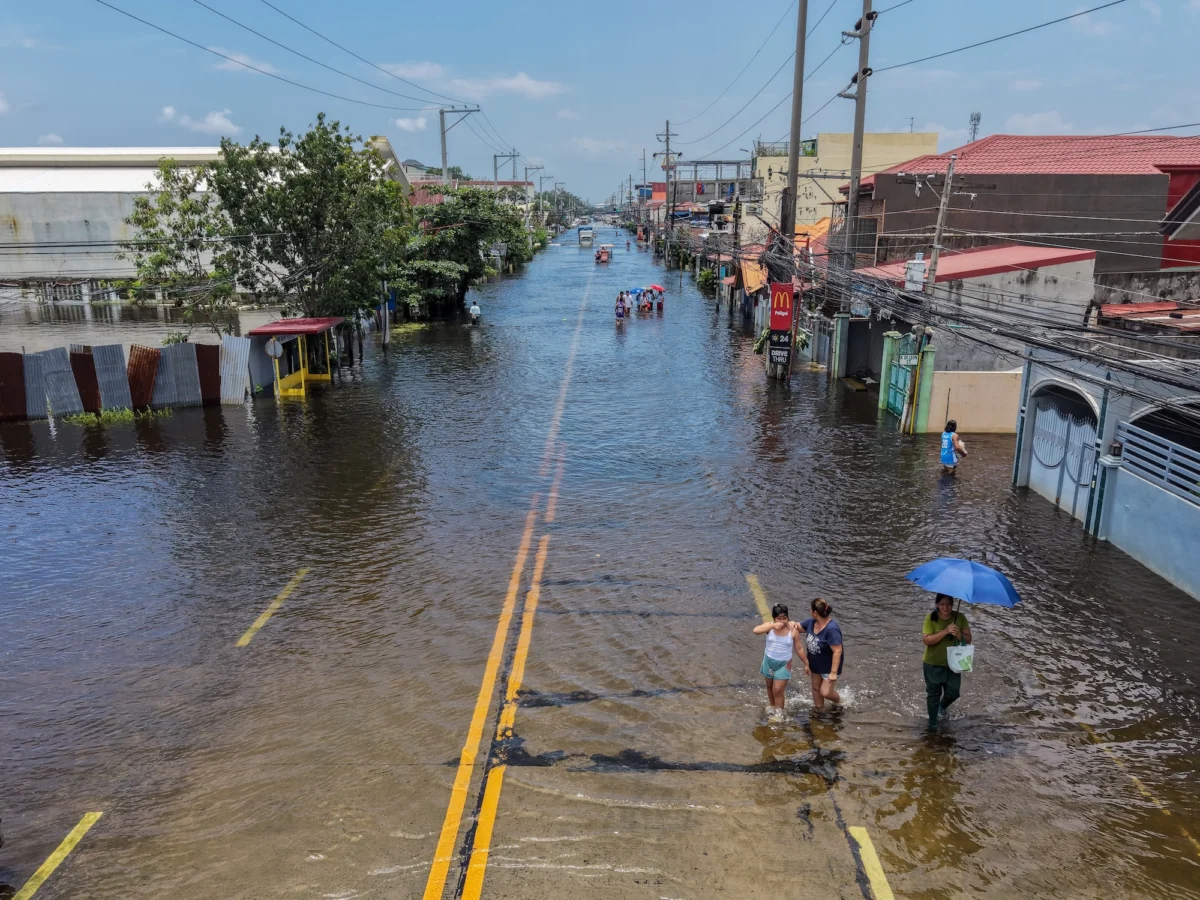
The current Pacific climate phenomenon, colloquially dubbed a "super El Niño," has triggered an urgent global response as scientists and policymakers grapple with the implications of unprecedented ocean warming. Characterized by a significant shift in equatorial trade winds, this event has already shattered temperature records and prompted emergency legislative action in regions like California, where authorities are bracing for the compounded effects of extreme drought and catastrophic flooding. As the Pacific Ocean continues to harbor record-breaking heat, the international scientific community is increasingly viewing this event not merely as a cyclical weather anomaly, but as a visceral preview of the systemic risks posed by a planet undergoing rapid, human-induced climate change.
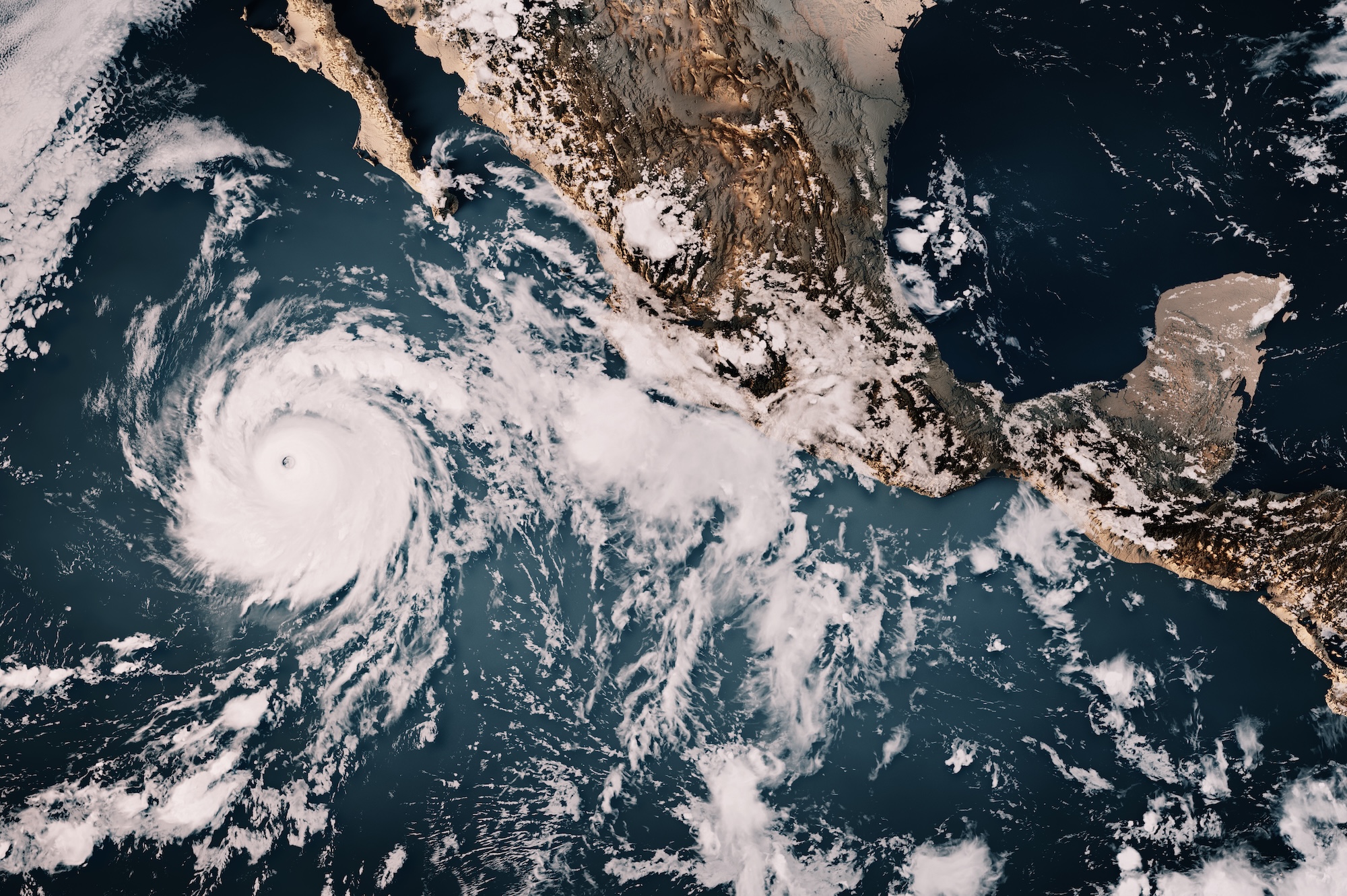
The Mechanics of the 2026 Super El Niño
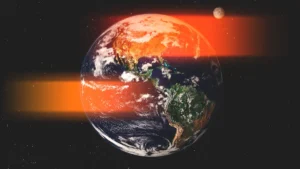
El Niño is a naturally occurring climate pattern, formally known as the El Niño-Southern Oscillation (ENSO), which typically emerges when sea surface temperatures in the central and eastern Pacific Ocean rise above historical averages. Under normal conditions, trade winds blow from east to west, pushing warm, nutrient-rich surface water toward the western Pacific, near Indonesia and Australia. During an El Niño event, these trade winds weaken, stagnate, or occasionally reverse, allowing the vast reservoir of accumulated heat to slosh back toward the Americas.
This specific event is being labeled a "super" El Niño due to the magnitude of its temperature anomalies. The "Niño 3.4" index—the primary metric used by the National Oceanic and Atmospheric Administration (NOAA)—measures surface warming in a key strip of the equatorial Pacific. While a shift of 0.5 degrees Celsius constitutes an El Niño, and 1.5 degrees is classified as "strong," recent data from Carbon Brief indicates that this year’s anomaly has surged to a staggering 3.11 degrees. This surpasses the previous peak observed during the significant 2015 event, marking a new threshold of intensity that has left climatologists concerned about the predictability of current global weather models.
Chronology and Escalation
The trajectory of this year’s climate crisis can be traced back to early 2026, when oceanographic monitoring stations began detecting a rapid, unexpected warming trend in the Pacific. By mid-summer, it became clear that the phenomenon was gaining strength faster than anticipated.
- Early 2026: Initial Pacific sea surface temperature anomalies begin to exceed established thresholds, signaling the onset of an El Niño.
- June–August 2026: Global sea surface temperatures reach their highest recorded levels, providing a massive energy surplus that amplifies the developing El Niño.
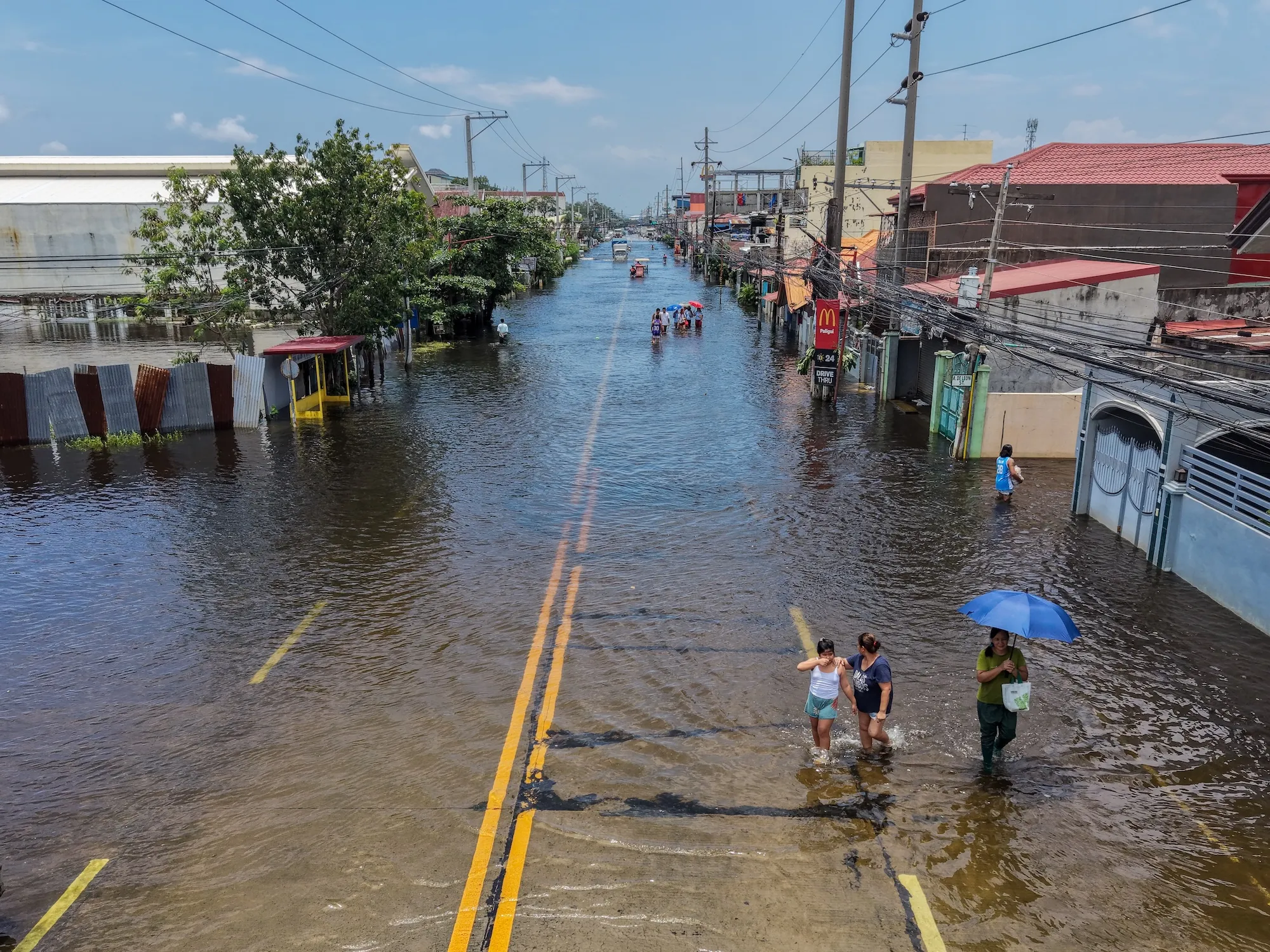
- September 2026: The anomaly reaches 3.11 degrees Celsius. California Governor Gavin Newsom declares a state of emergency, citing the high probability of severe storm surges and coastal erosion.
- February 2027 (Projected): Current modeling suggests a high probability that the event will continue to drive global temperature spikes through early 2027, with the potential for 451,000 heat-related deaths according to recent academic projections.
The Intersection of Natural Cycles and Anthropogenic Warming
The primary challenge for climate scientists today is disentangling the effects of this natural cycle from the long-term trend of global warming. While El Niño events have historically been associated with transient spikes in global mean surface temperature, the "backdrop" of modern climate change has fundamentally altered the baseline.
Christopher Callahan, a climate scientist at the Indiana University, notes that we are witnessing a very strong event occurring against a backdrop of rapid, carbon-driven atmospheric heating. This creates a synergistic effect: the ocean releases heat that has been trapped by greenhouse gases, while the altered circulation patterns trap heat over landmasses. The result is a "fast-forward" effect on the planet’s climate. Some high-end projections suggest that the temperature anomalies experienced this year reflect the typical conditions expected by 2040, effectively bringing a future climate state into the present day.
Socioeconomic and Public Health Implications
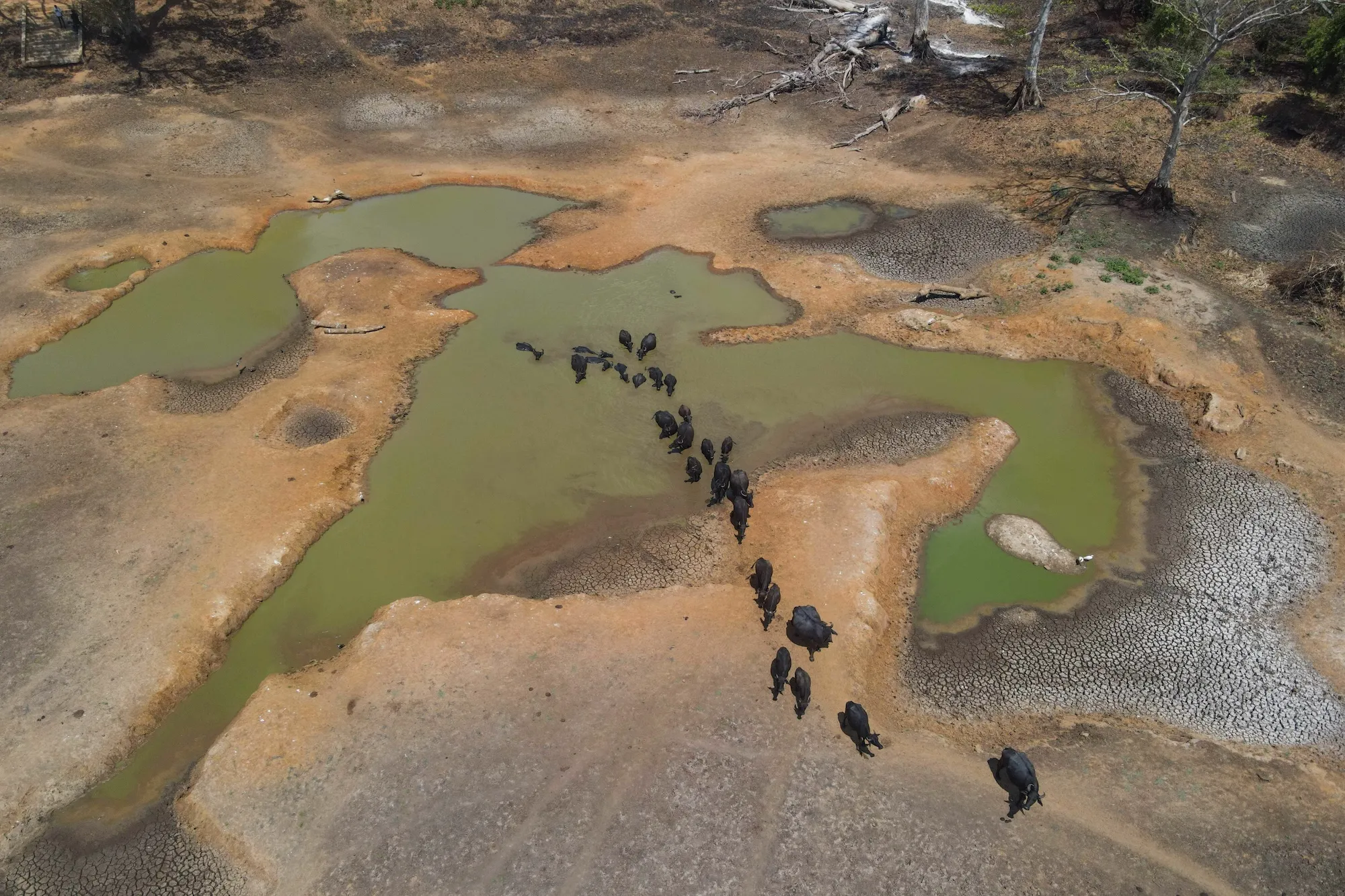
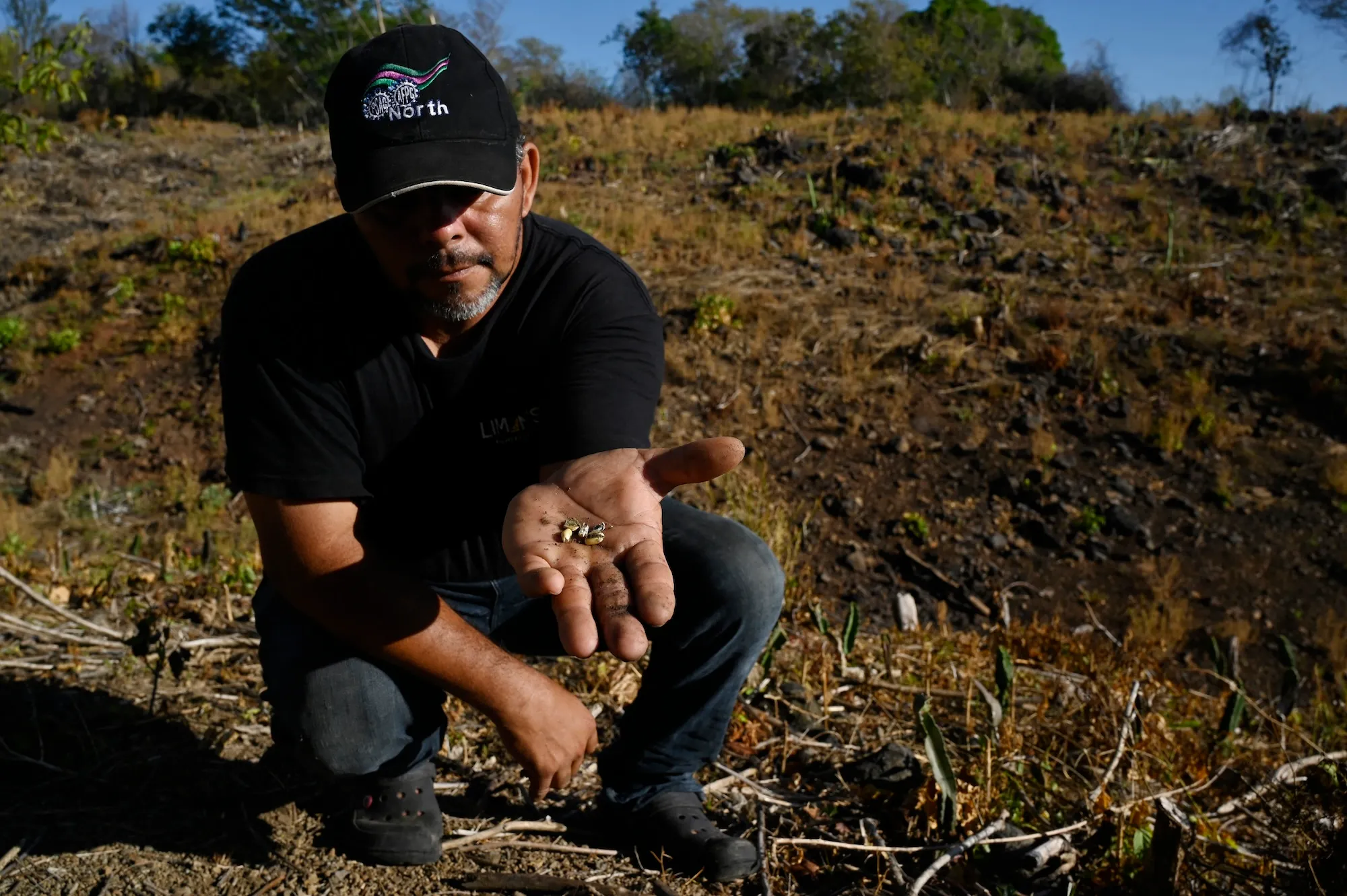
The ripples of this climatic event are already being felt across the global economy. Agricultural sectors are particularly vulnerable, as shifted precipitation patterns threaten to disrupt crop cycles in the world’s breadbaskets. In regions like Honduras and parts of Southeast Asia, farmers have reported failed harvests, with drought conditions rendering soil unworkable.
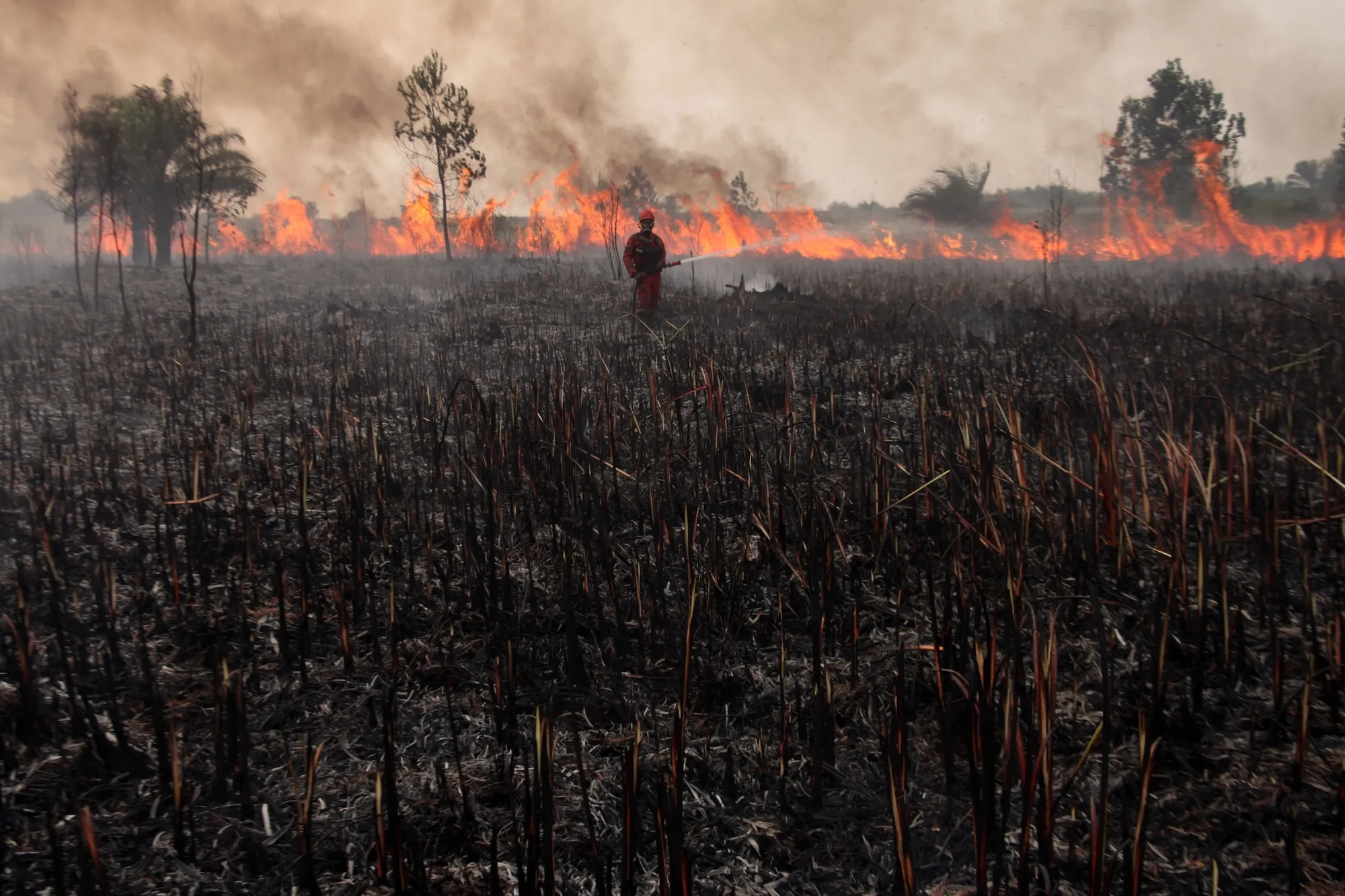
Public health experts are sounding the alarm regarding heat stress. The projected 451,000 heat-related deaths represent a significant burden on global healthcare infrastructure, particularly in developing nations where heat mitigation strategies are less developed. Furthermore, the disruption of water sources—as seen in the drying lakes of Sri Lanka—poses a secondary threat: the potential for waterborne disease outbreaks and regional instability caused by resource scarcity.
The Evolution of Climate Communication
The term "super El Niño" is not an official designation from the World Meteorological Organization, yet its adoption by the scientific community and global media outlets highlights a crisis in climate communication. Jovana Vurdelja, an expert in ecolinguistics, argues that as weather events become more extreme, the language used to describe them must evolve to maintain public awareness without inducing desensitization or despair.
Historically, the scale of such events was smaller, and the language used—such as "strong" or "very strong"—was sufficient. However, as anomalies exceed 3 degrees, those labels feel increasingly inadequate. This has led to a linguistic "arms race," where scientists and journalists reach for descriptors like "mind-bogglingly crazy" or "gobsmackingly bananas" to accurately convey the magnitude of the hazard. While these terms may seem unprofessional to some, they represent an attempt to bridge the gap between abstract scientific data and the visceral reality of a changing world.
Official Responses and Future Preparedness
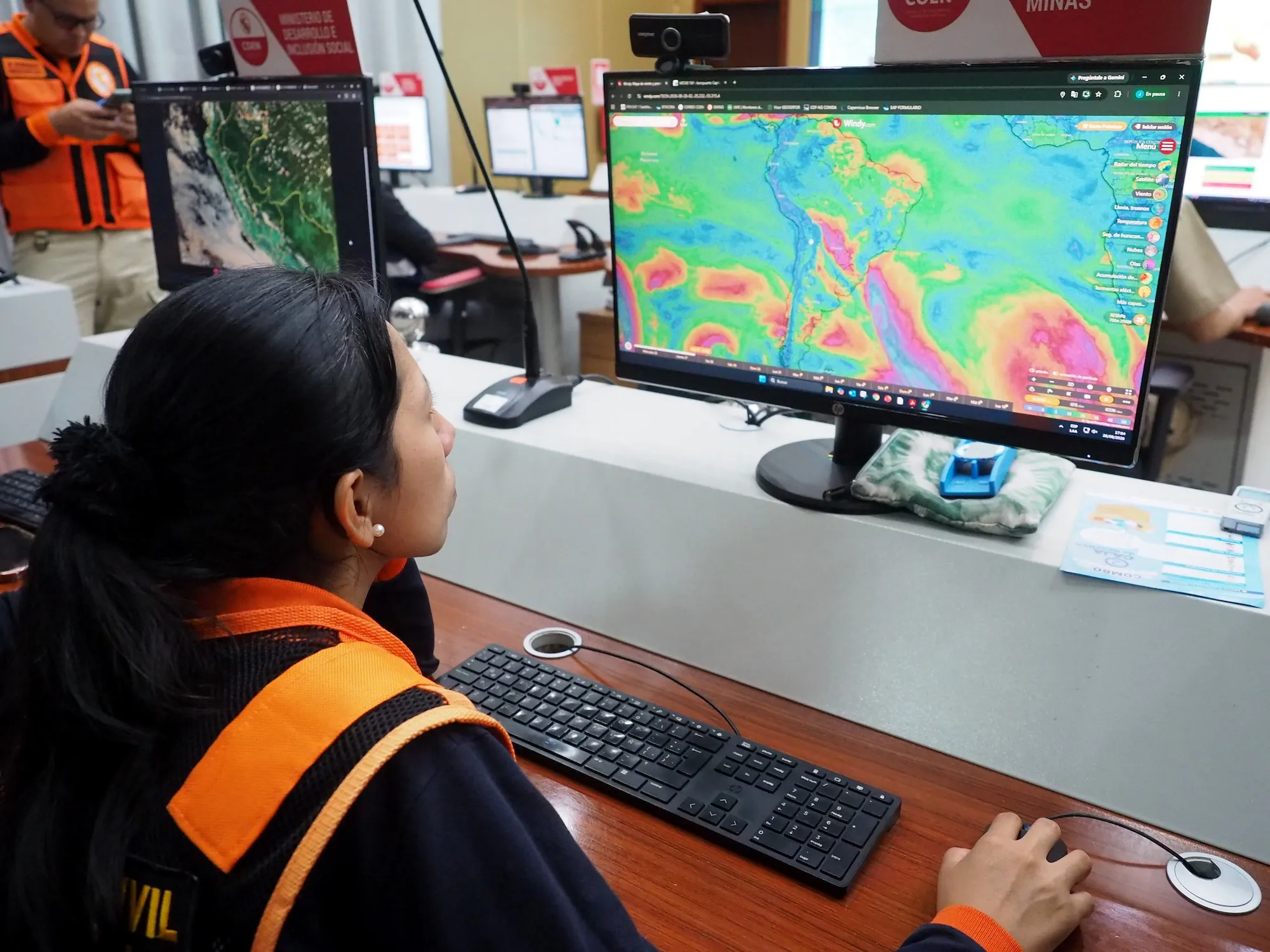
Governments are beginning to shift from reactive to proactive measures. The state of emergency in California is a clear indication that policymakers are now treating these events as inevitable, high-impact stressors on public infrastructure. Multi-hazard drills in Peru, involving the monitoring of wind speeds and oceanic currents, reflect a growing regional commitment to preparedness.
However, experts argue that preparation alone is insufficient. The current "super" event serves as a critical stress test for global supply chains, energy grids, and health systems. As the world moves toward the end of the year, the 90 percent probability of the event remaining "very strong" means that the focus must remain on disaster mitigation and the strengthening of social safety nets.
Ultimately, this El Niño serves as a diagnostic tool for the health of the planet. If "super" events become a regular occurrence, the global community will be forced to reconsider its current trajectory regarding fossil fuel consumption. The data is clear: the climate is shifting, and the window to adapt is narrowing. Whether the world uses this crisis as a catalyst for meaningful change or simply as a warning that went unheeded remains to be seen. For now, the global response is defined by vigilance, as society attempts to navigate the turbulent waters of a climate in transition.
Related posts: