The Arbereshe Diaspora and the Climate Crisis Threatening an Ancient Sicilian Legacy

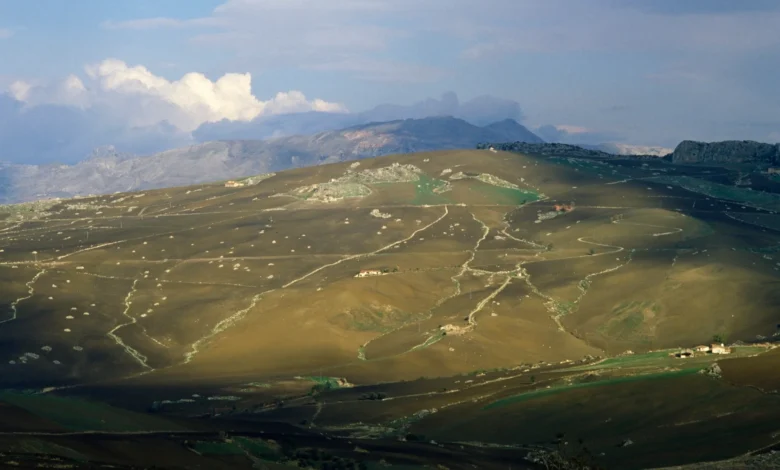
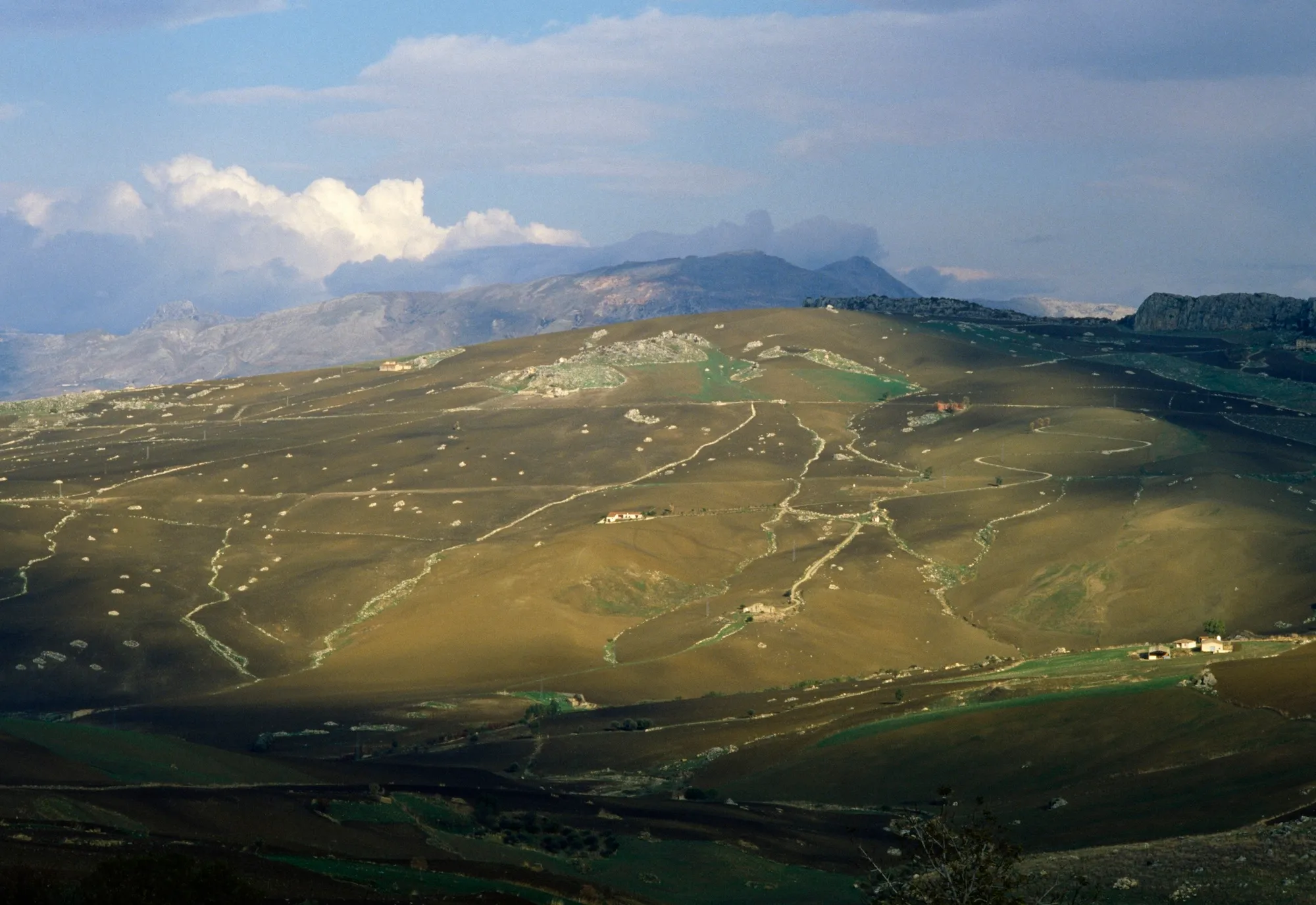
For five centuries, the community of Piana degli Albanesi has served as a cultural anchor in the Sicilian mountains, a testament to the resilience of Albanian refugees who fled the Ottoman conquest in the 15th century. Today, this historic enclave, known for its unique language, Orthodox traditions, and agricultural prowess, faces an existential threat that is less military and more elemental. As climate change accelerates the degradation of Sicily’s interior, a new wave of migration is threatening to hollow out one of southern Europe’s oldest ethnic minority populations, leaving residents like Giorgia Caruso to choose between their ancestral heritage and the safety of their children.

Caruso, a third-generation farmer who has spent her life tending to the livestock that defines the region’s identity, describes her farm as a third child. However, after losing several acres of land and nearly two dozen sheep in a catastrophic wildfire three years ago, her perspective has shifted. She now actively encourages her two daughters to look toward a future beyond the Mediterranean, fearing that the land can no longer sustain their livelihood. This sentiment is becoming the norm rather than the exception in Piana degli Albanesi, where the population has plummeted by 17 percent since 2015—a rate of decline nearly triple that of Sicily as a whole.
A Chronology of a Slow-Motion Crisis
The environmental instability currently plaguing Piana degli Albanesi is the result of a compounding series of climatic events. The region, which sits on a fertile plateau south of Palermo, has historically been the breadbasket of the island. However, the Mediterranean basin is warming at a rate 20 percent faster than the global average, leading to a precarious shift in local conditions.
The crisis is marked by several key moments of acceleration:
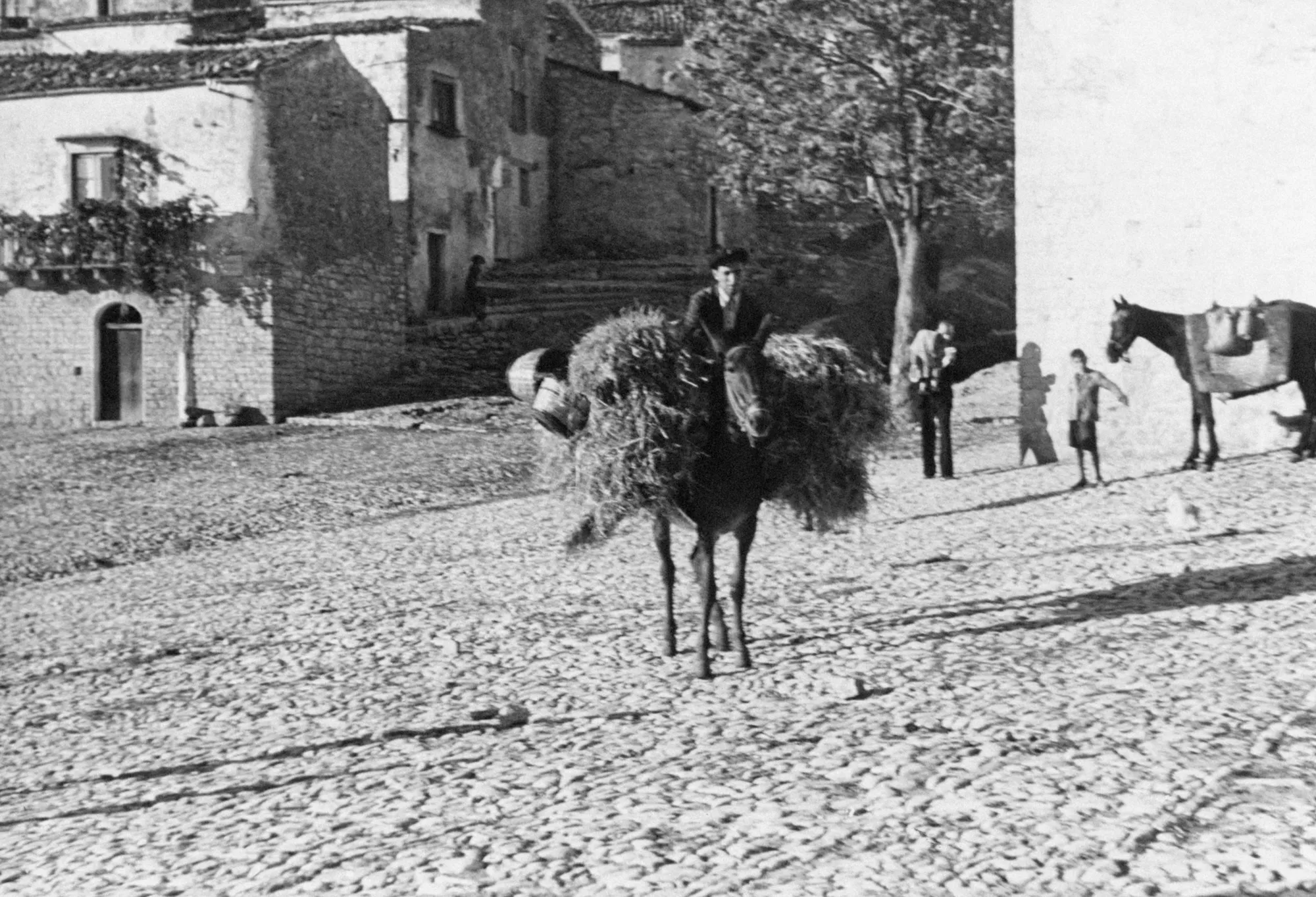
- 1947: The Portella della Ginestra massacre, where 11 farmers were killed, solidified the community’s spiritual connection to the land and their right to work it.
- 2015–2020: The beginning of a significant demographic shift as young people began leaving the region in search of economic stability.
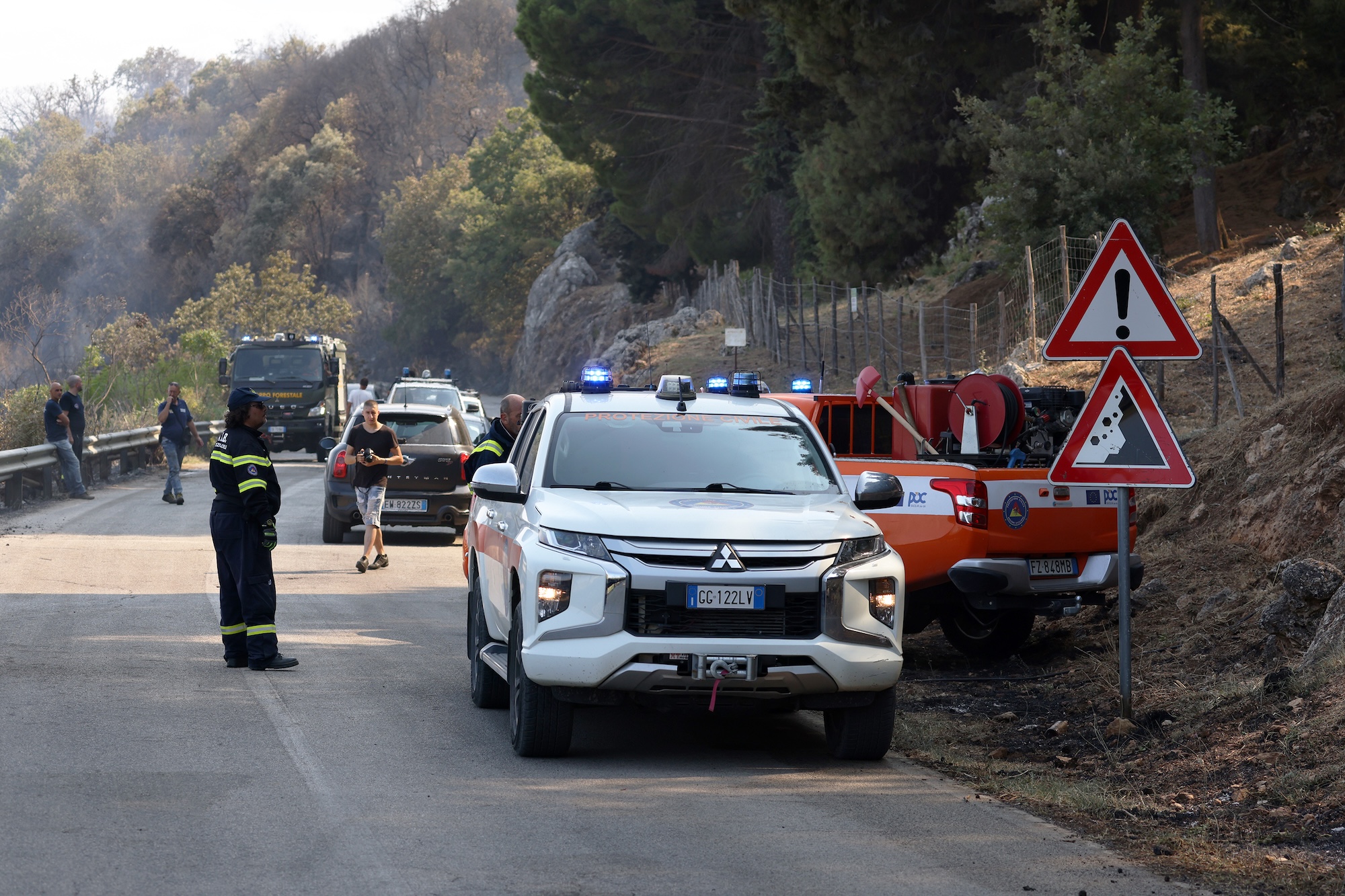
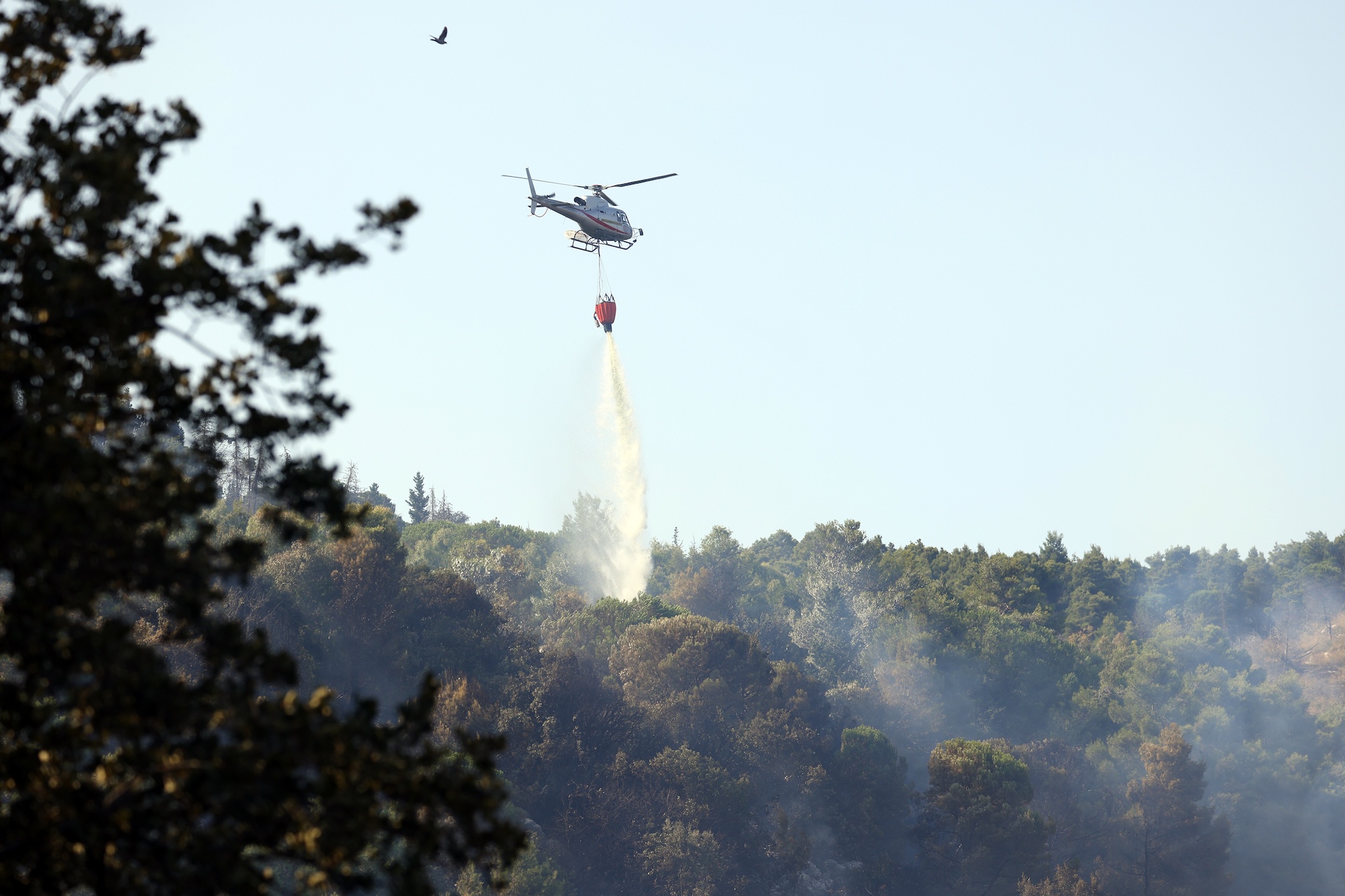
- 2021: A landmark year for environmental trauma, with extreme heat waves leading to a European record temperature of 119.8 degrees Fahrenheit in Sicily. More than 100 people were displaced in Piana degli Albanesi due to surrounding wildfires.
- 2023: A season of record-breaking destruction, with wildfires scorching over 142,000 acres of Sicilian land and causing over 200 million euros in damages.
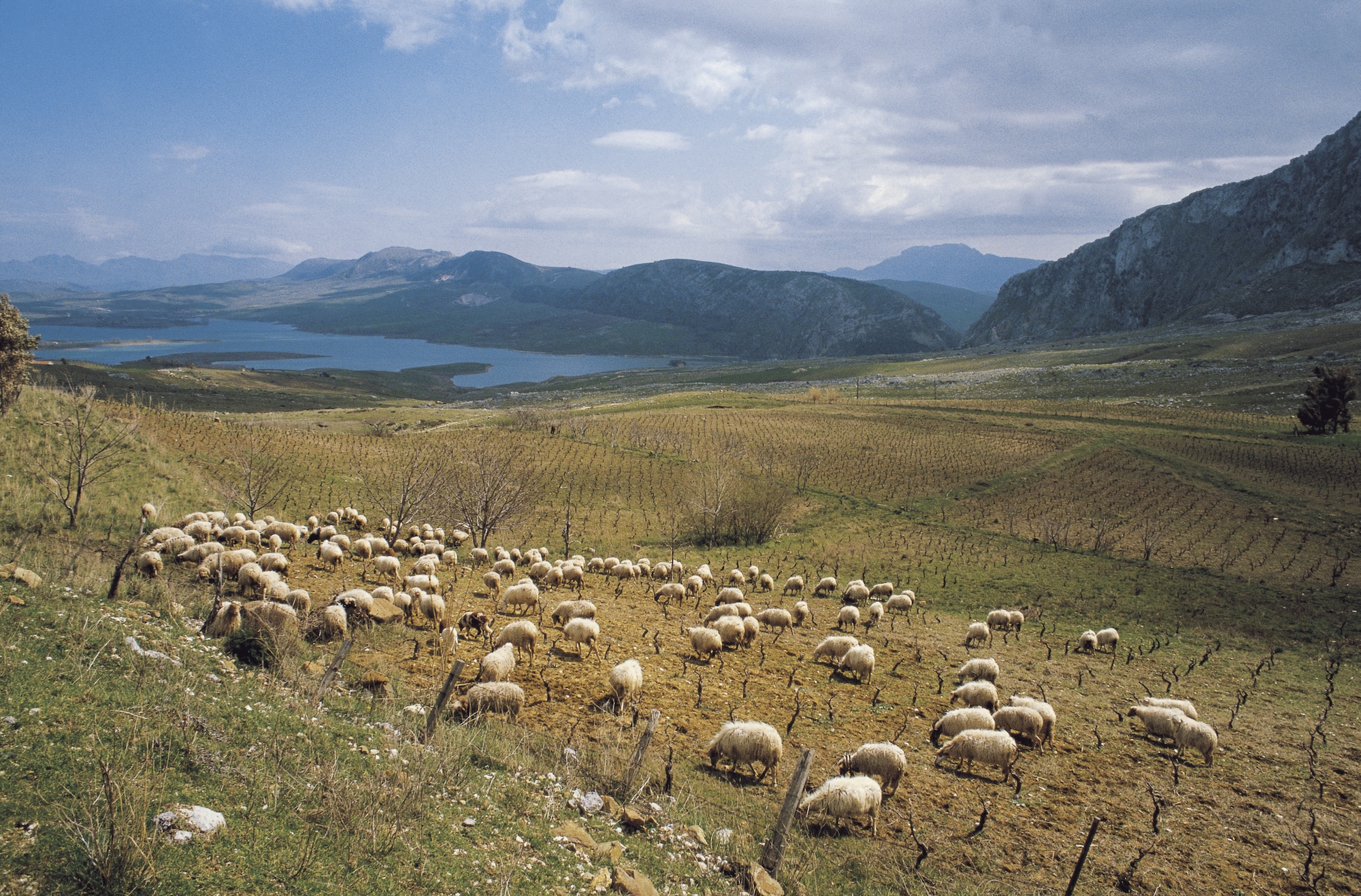
- 2024: An unprecedented drought resulted in a national state of emergency, with local reservoirs—including the one overlooking the farm of Giovanni Scalora—nearly drying up entirely.
- 2025–2026: Ongoing efforts by local officials to secure international aid and diversify the economy through tourism, while struggling to maintain agricultural output.
The Economic and Cultural Erosion of the Arbereshe
The Arbereshe identity is inextricably linked to the land. Beyond their role as wheat and dairy producers, the community is famous for the production of authentic ricotta, the essential ingredient in the globally renowned Sicilian cannoli. For generations, the town’s international cannolo festival has been a point of pride and economic vitality.
Giovanni Scalora, a fourth-generation farmer, notes that the loss of sheep due to drought and heat means the traditional production of this iconic pastry is becoming functionally impossible. "If we disappear, a part of Sicily’s, Albania’s, and Europe’s cultural history disappears," Scalora says. He has attempted to adapt by shifting toward cattle, which are more resilient to the changing climate, but acknowledges that the final product will never be the same as the centuries-old tradition.
The implications of this loss are profound. Ecologist Christian Mulder of the University of Catania has observed that the emptying of rural areas is not merely an economic trend but a potential "climate migration" event. He warns that ancient populations and the unique agricultural heritage they preserve—including rare, ancient grains—are at risk of total extinction.
Official Responses and Administrative Deadlocks
The response to this crisis has been characterized by a lack of coordination between regional and national authorities. Mayor Rosario Petta has made the fight against depopulation a central pillar of his administration, acknowledging that every resident who leaves carries away a piece of the Arbereshe language and identity.
However, Petta notes that the town lacks the resources to combat large-scale wildfires and long-term desertification on its own. While the national government in Rome claims to provide resilience funding, local leaders argue that these funds are insufficient for the scale of the crisis. Salvatore Cona, head of Sicily’s Civil Protection Unit, emphasizes that Piana degli Albanesi is currently in a "do-it-yourself" scenario, where they are forced to organize local volunteers for fire prevention because national support is slow to materialize.
In 2024, the Sicilian regional government committed 100 million euros to assist farmers in drought-stricken areas. Critics, however, argue that these measures are reactive rather than proactive. Experts like Mulder emphasize that the European Environment Agency has explicitly called for ethnic minorities and vulnerable groups to be at the center of climate adaptation planning—a directive that has yet to be effectively implemented in the case of the Arbereshe.
A Global Diaspora and the Price of Stability
As the rural interior of Sicily grows less hospitable, many families are looking toward established diaspora communities in the United States, particularly in California. Anthony Plescia, president of the Arbereshe of Sacramento association, represents a community whose roots in America date back over a century. Many of these early immigrants chose California because its climate and fertile land mirrored that of their ancestral home.
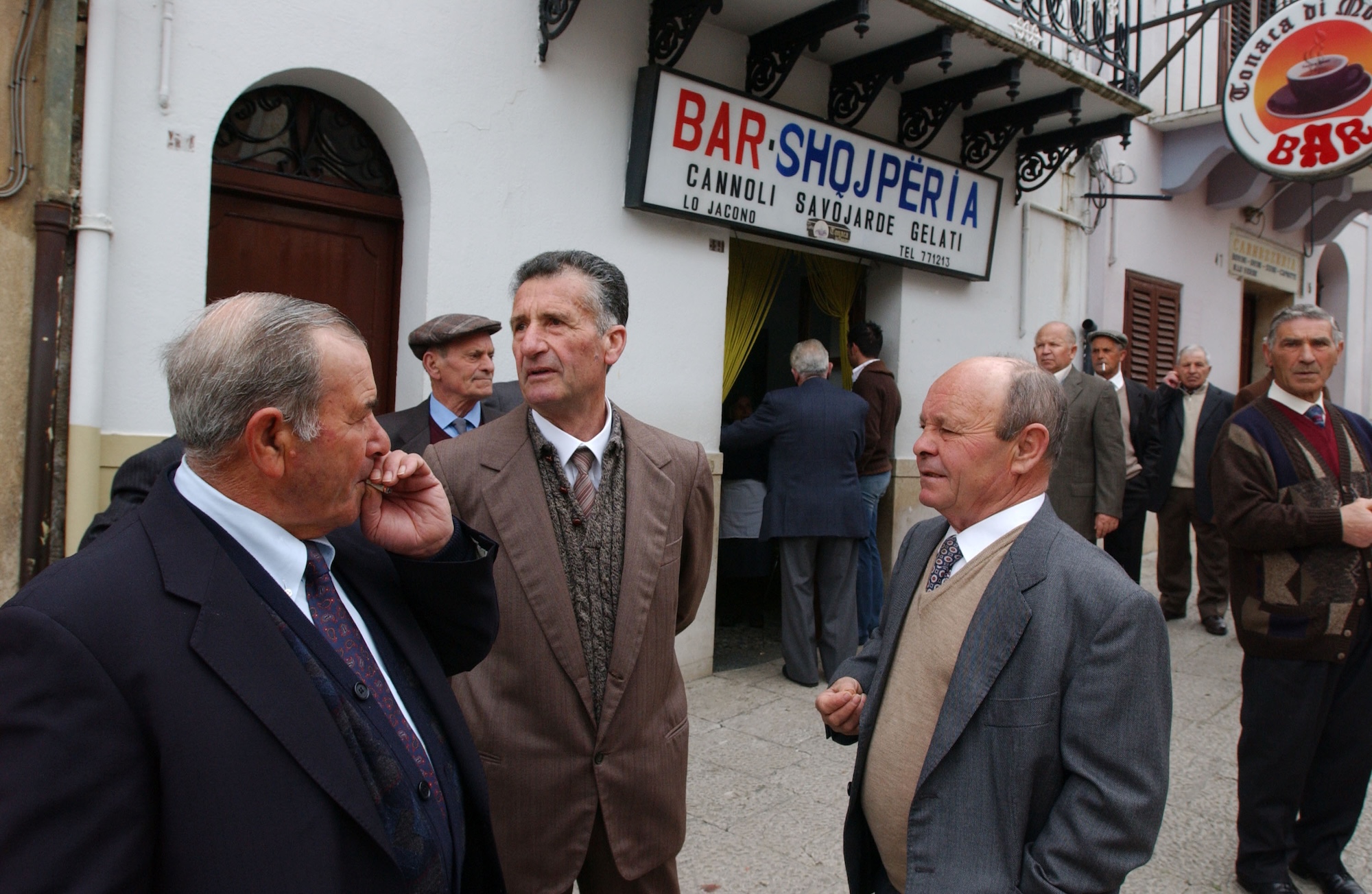
For families like the Liscaris, who have maintained ties between Piana and Newport Beach for five decades, the decision to leave has become permanent. Anna Liscari, who operates as a tourism agent for travelers heading to southern Italy, closed her family’s legendary bar in Piana because the local organic supply chain collapsed. She views the situation with a mixture of grief and pragmatism: "We have survived wars, displacement, and poverty over the course of 500 years. It’s crazy to think that climate and the inability to manage its effects is what might wipe us out."
The Future: Preservation vs. Adaptation
In an effort to save the community, Mayor Petta is looking toward international partnerships. By fostering ties with Albania, Kosovo, and the U.S.-based Arbereshe diaspora, he hopes to increase tourism and encourage investment. However, tourism introduces its own set of risks, including increased pressure on limited water supplies and the potential for over-development, which could further damage the agricultural landscape.

There is also a move to formalize the relationship between the town and the Arbereshe in the United States. During a visit to Piana in late 2026, Anthony Plescia and Mayor Petta discussed the creation of a confederation to strengthen cultural exchanges. The goal is to ensure that even if the physical town becomes a shell of its former self, the language and cultural traditions of the Arbereshe are preserved in the diaspora.
Ultimately, the survival of Piana degli Albanesi as a living, breathing community hinges on whether the Italian state will prioritize the preservation of its cultural heritage alongside its environmental infrastructure. For families like the Carusos, the clock is running out. While they cling to the land of their ancestors, the reality of the climate crisis is making the choice to stay an increasingly heavy burden. The story of Piana degli Albanesi is not just a tale of rural decline; it is a preview of the difficult choices that many vulnerable communities across Europe will face in a warming world. Whether the community adapts or disperses, the transformation of this Sicilian plateau serves as a stark reminder that the history of a people is often only as secure as the land they are able to cultivate.