The Proposed Overhaul of National Forest Access Policies Sparks Intense National Debate

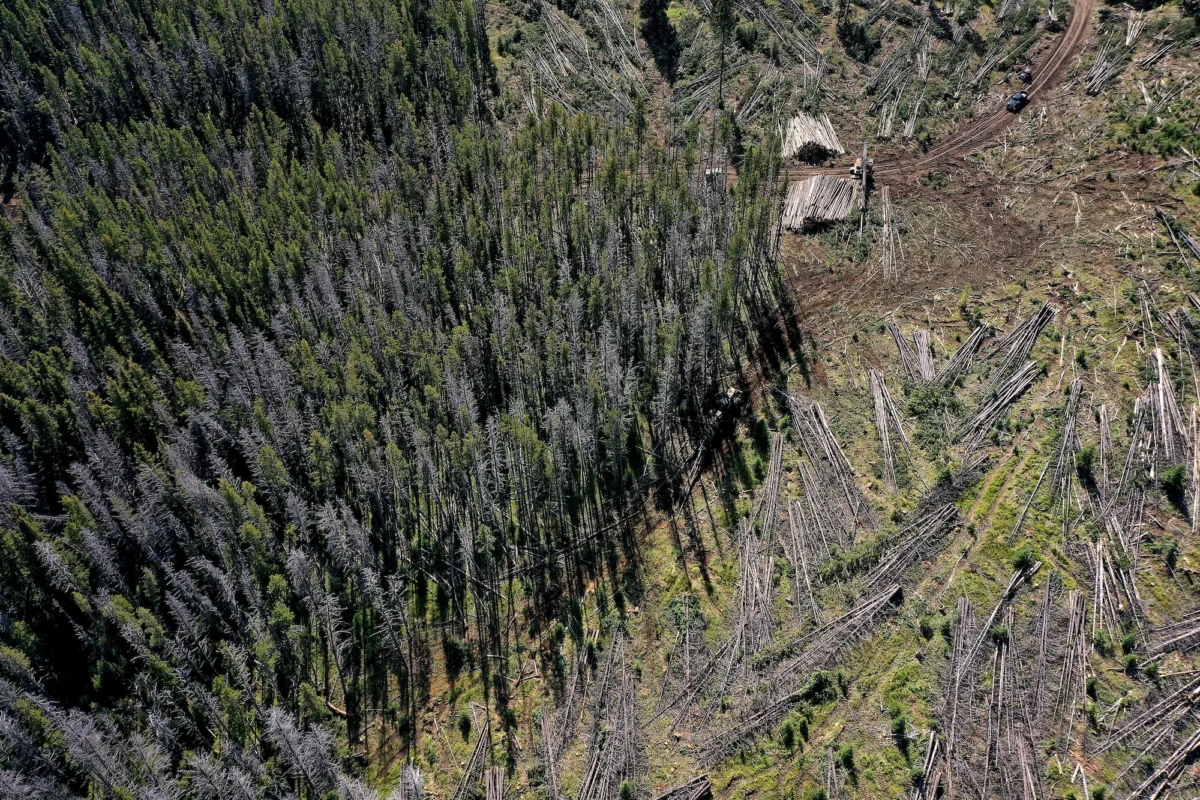
For decades, the United States Forest Service has operated under a foundational regulatory framework that dictates how millions of Americans interact with public lands. The governing principle, established under the 2005 Travel Management Rule, is binary and precise: motorized access is prohibited unless a trail or road is explicitly designated as open. This “closed unless designated open” policy has served as the bedrock for managing the 193 million acres of National Forest System lands, balancing the competing demands of conservation, motorized recreation, and quiet-use wilderness. However, a sweeping proposal from the current administration to invert this paradigm—shifting to a default “open unless designated closed” status—has ignited a firestorm of controversy among conservationists, recreationists, and federal land managers.
The proposed policy shift represents more than a mere administrative adjustment; it signals a fundamental change in the management philosophy of the nation’s public estate. Proponents argue the change will reduce bureaucratic friction and expand access for those who rely on motorized transport to enjoy the outdoors. Opponents, meanwhile, warn of a potential ecological crisis, suggesting that the move could lead to widespread habitat fragmentation, the degradation of water quality, and an increase in user-group conflicts.
The Evolution of the Travel Management Rule
To understand the gravity of the current proposal, one must look back at the origins of federal land management. In the early 2000s, the Forest Service recognized that the proliferation of unregulated off-highway vehicle (OHV) use was causing significant damage to soil, vegetation, and wildlife corridors. The 2005 Travel Management Rule was the agency’s response to this chaos. It required every national forest to develop a motor vehicle use map, providing clear, legally enforceable guidance on where motorized vehicles were permitted.
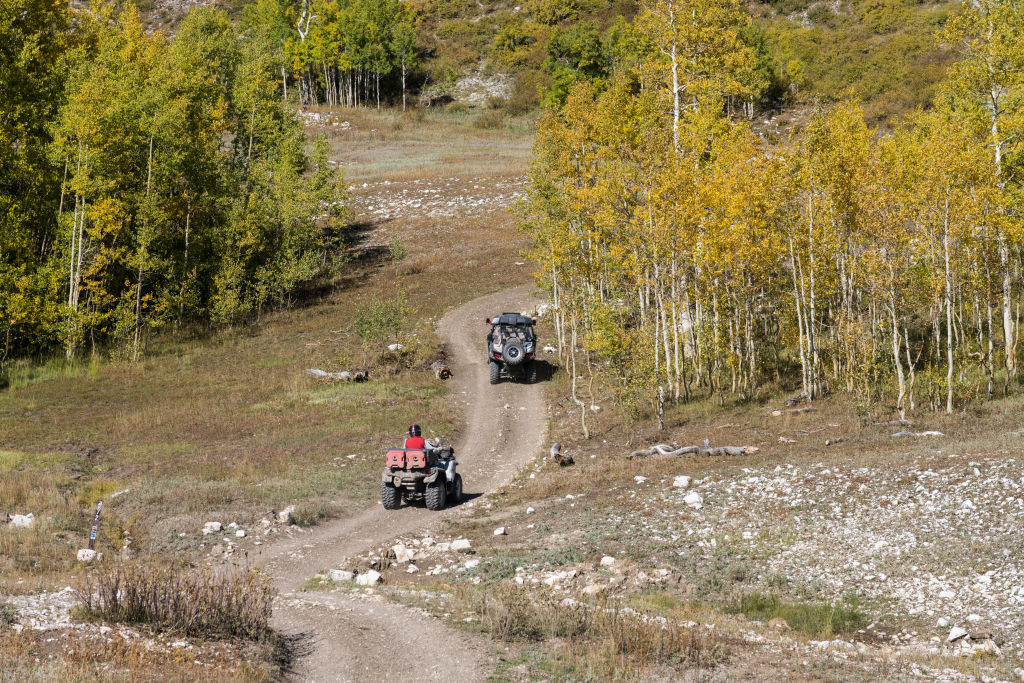
This process was not quick or inexpensive. Over the course of nearly two decades, the Forest Service spent millions of dollars and thousands of staff hours conducting environmental assessments, holding public hearings, and collaborating with local stakeholders to identify sustainable trail networks. The resulting travel management plans (TMPs) provided a level of certainty for everyone from ranchers with grazing permits to mountain bikers and hikers.
The administration’s proposal to invert this rule—effectively making every path, two-track, or backcountry feature legally open to motorized transit unless local managers proactively move to close it—would essentially nullify the results of those decades of local planning.
Ecological Consequences and the Middle Fork Case Study
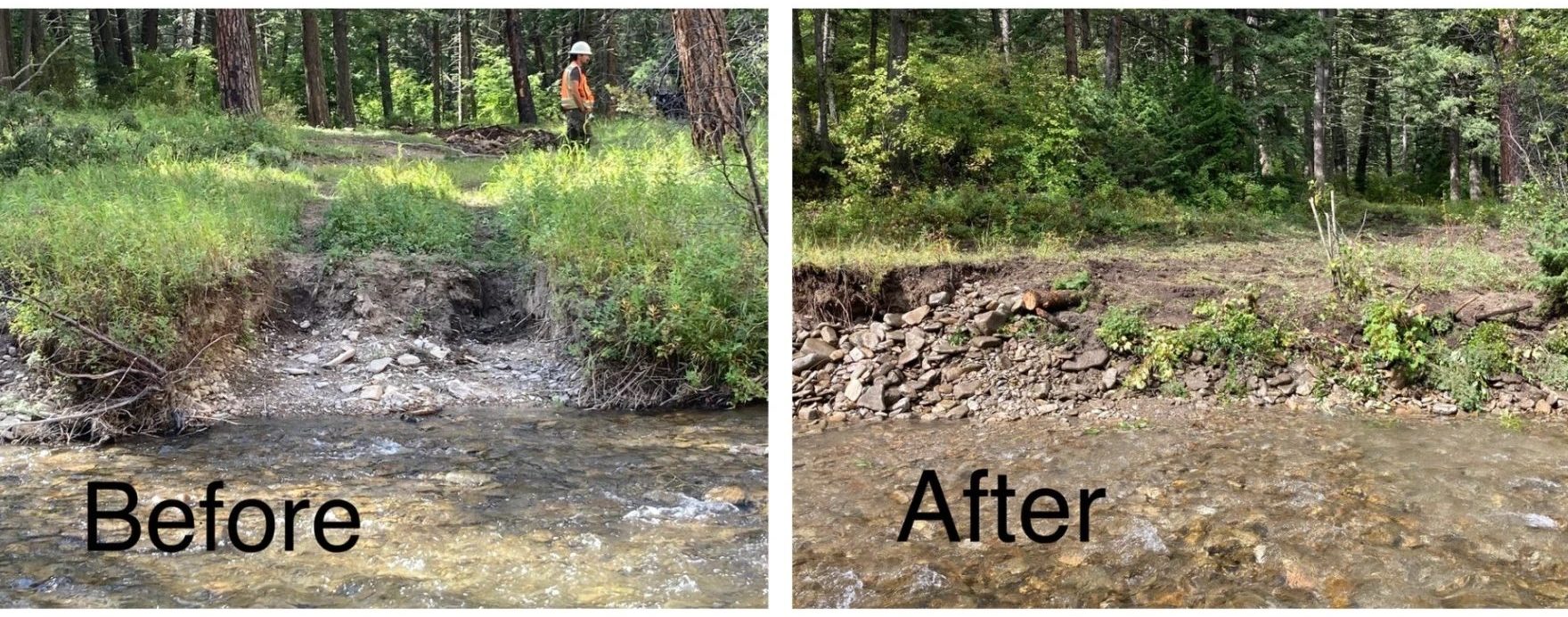
The potential environmental impact of this policy shift is perhaps best illustrated by the ongoing restoration efforts in Montana’s Little Belt Mountains. Chris Edgington, a watershed project manager with Montana Trout Unlimited, has spent years documenting the degradation caused by unmanaged motorized access. Along a six-mile stretch of the Middle Fork of the Judith River, decades of unregulated vehicle crossings—totaling more than 80 entry points—had fundamentally altered the hydrology of the waterway.
The results were catastrophic for local aquatic life. Sediment from eroding banks smothered the gravel beds necessary for trout spawning, leading to a precipitous decline in fish populations. By 2020, surveys indicated that the fish count had dropped to less than 10 percent of the expected population for a river of its size. The subsequent restoration project, a collaborative effort between environmentalists, motorized recreation groups, and federal agencies, required a significant investment of taxpayer dollars and years of labor to reroute trails and stabilize riverbanks.
Edgington’s work stands as a stark warning: if the new rule were to take effect, the ability of local managers to protect sensitive riparian zones would be significantly hampered. Under the proposed “open unless closed” framework, the burden of proof shifts. Instead of having to justify opening a trail, the agency would have to undertake a lengthy, litigation-prone process to justify closing one, even in the face of obvious ecological damage.
The Broader Regulatory Landscape
The debate over the travel management rule is not occurring in isolation. It is part of a wider, aggressive push by the current administration to rescind environmental protections that have been in place for years. Last month, Agriculture Secretary Brooke Rollins announced plans to dismantle the Roadless Area Conservation Rule, a 2001 policy that protects 45 million acres of forest from road construction and commercial logging.
The correlation between these two initiatives is clear to advocacy groups like Wild Montana. Hillary Eisen, the organization’s federal policy director, notes that both rules serve the same fundamental purpose: maintaining the integrity of public lands for future generations. "These regulations are not just paperwork," Eisen said. "They are the guardrails that prevent the short-term exploitation of resources from permanently destroying the long-term health of our forests."
The scale of the potential change is vast. With 193 million acres under its jurisdiction, the Forest Service manages roughly 8.5 percent of the total land area of the United States. Changes of this magnitude have ripple effects that reach far beyond the borders of individual forests. They impact water filtration, carbon sequestration—as mature, intact forests are essential for capturing atmospheric carbon—and the preservation of biodiversity.
Stakeholder Perspectives: Access vs. Conservation
The administration’s stated goal of "simplifying regulatory requirements" and increasing access resonates with some segments of the public. Kerry White, the head of the nonprofit Citizens for Balanced Use, argues that the current system is overly restrictive and that the proposed changes would improve access for those with limited mobility, including the elderly and those with disabilities.
"People want to get out into the woods," White said. "Making the rules clearer by defaulting to open-unless-posted-closed puts the responsibility on the Forest Service to clearly mark what is off-limits. It is a more transparent way to manage public land." White rejects the notion that this will lead to widespread environmental destruction, citing existing environmental laws that still govern mining and large-scale industrial projects.
However, critics point out that the daily impact of thousands of ATVs and off-road vehicles is far more difficult to regulate than a single mining permit. The cumulative impact of "recreational" off-roading—which includes noise pollution, the introduction of invasive species through mud and tire treads, and the fragmentation of wildlife habitats—is a persistent challenge that local forest managers currently struggle to contain even with the current rules in place.
The Public Comment Process and Future Outlook
The Forest Service is currently navigating the mandatory public comment period for the travel management rule revision. The agency, which initially faced significant criticism for truncated comment periods, recently extended the deadline for feedback on the roadless rule to October 6, suggesting that the administration is aware of the intense public scrutiny.
Data from recent public opinion trends indicates that a vast majority of the public favors the current, more restrictive management approach. During the initial comment period for the repeal of the roadless rule, an analysis found that 99 percent of the submissions were in opposition to the change. Whether the administration will weigh these public comments heavily in their final decision remains to be seen.
The timeline for implementation is uncertain, but the administrative process is well underway. If the rule change is finalized, it would effectively shift the Forest Service from a proactive steward of the landscape to a reactive regulator. For those like Edgington, the concern is that the cost of such a shift will be measured in damaged rivers, fragmented ecosystems, and the irreversible loss of the quiet, natural character of the American backcountry.
As the debate continues, the fundamental question remains: what is the primary purpose of our national forests? Is it to provide maximum, unimpeded access for motorized recreation, or is it to ensure the sustained yield of natural resources, water quality, and habitat for future generations? The resolution of this question will shape the American landscape for the next century. For now, the public and interest groups continue to weigh in, aware that the rules governing their next visit to the forest are currently being rewritten in the halls of Washington.
Related posts: