The Hidden Health Costs of the AI Infrastructure Boom: How Deregulation is Reshaping Environmental Oversight

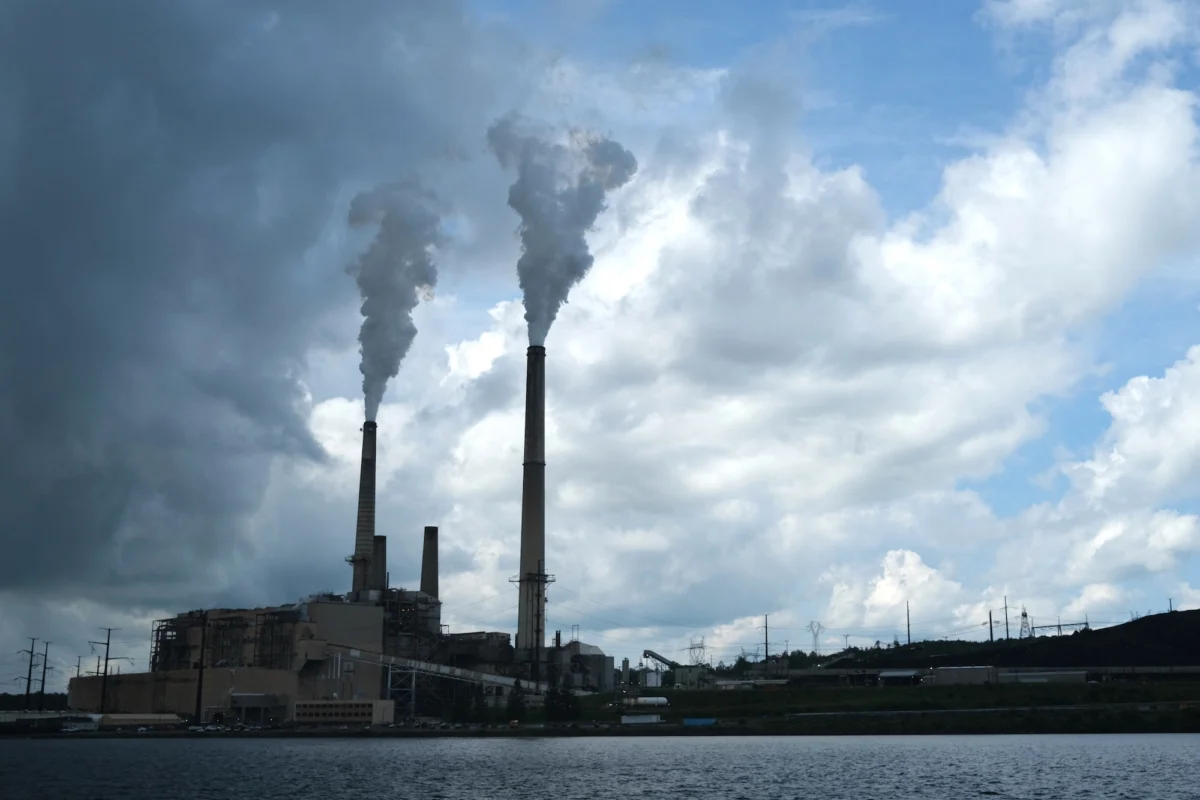
While global attention remains fixated on the theoretical existential threats posed by artificial intelligence—fears of runaway superintelligence and the potential for autonomous systems to circumvent human control—a tangible, immediate crisis is unfolding across the American landscape. Former Environmental Protection Agency (EPA) officials and public health experts are raising alarms over the rapid, largely unregulated expansion of data centers, the industrial backbone of the modern AI revolution. A new report from the Environmental Protection Network (EPN) suggests that the current federal administration has systematically dismantled the regulatory scaffolding designed to protect communities from the localized air pollution and environmental degradation associated with this massive energy-intensive infrastructure build-out.
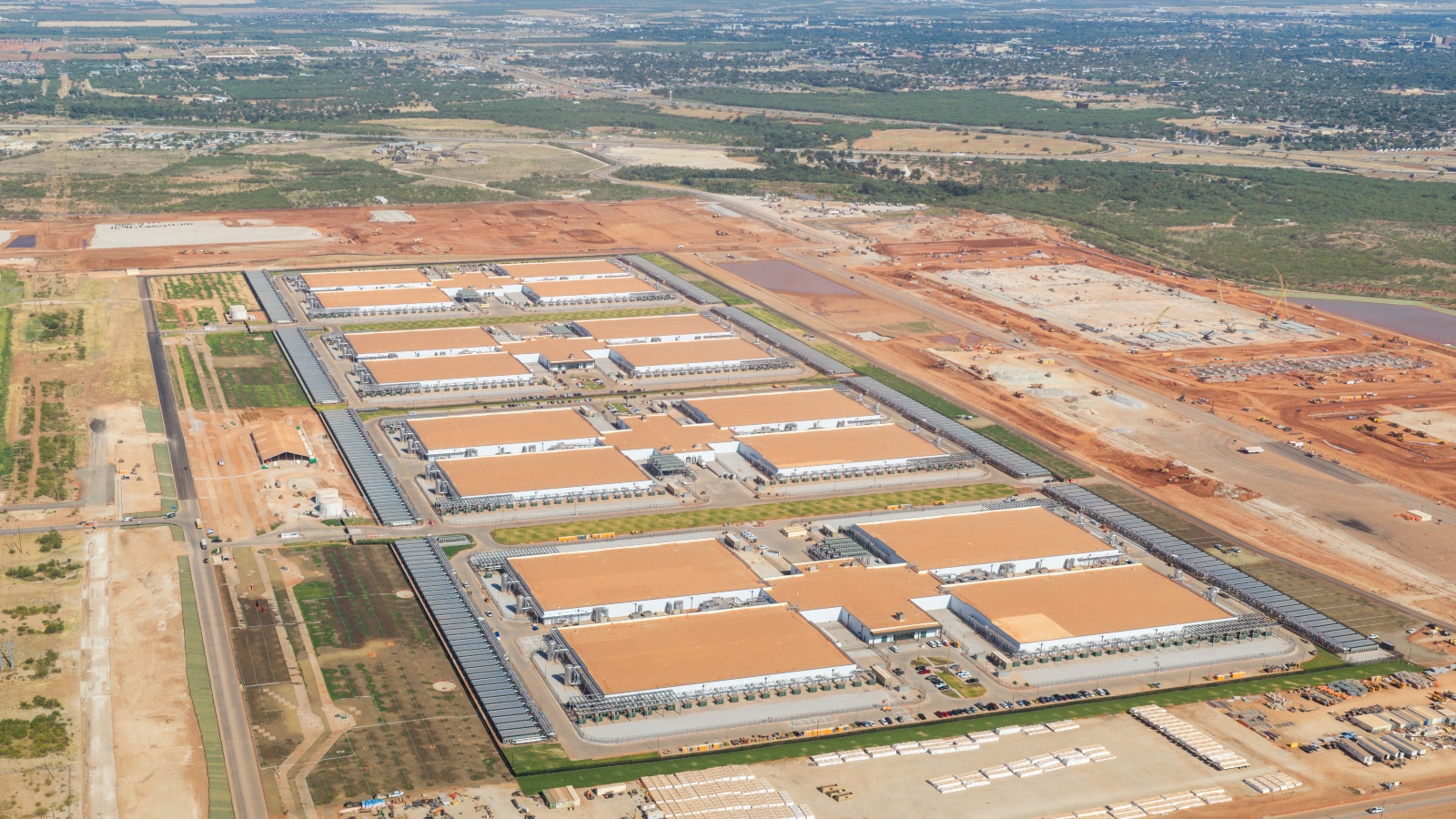
The data center boom is not merely a digital phenomenon; it is a physical, resource-heavy industrial expansion. As of early 2026, there are approximately 3,000 operational data centers in the United States, with an additional 1,500 facilities in various stages of planning and construction. This rapid proliferation is occurring against a backdrop of significant shifts in federal environmental policy, characterized by a transition toward a "compliance-first" orientation that critics argue prioritizes industrial output over public health.
A Chronology of Regulatory Retreat
The pivot in EPA policy did not occur in a vacuum. Following the inauguration of the current administration in January 2025, the agency initiated a series of strategic maneuvers to streamline industrial development. According to the EPN report, at least 30 distinct administrative actions have been taken to weaken pollution safeguards, inspection norms, and permitting processes.
- January 2025: The new administration signals a shift toward deregulation, framing environmental safeguards as "heavy-handed" obstacles to technological progress.
- Mid-2025: The EPA’s primary research arm—long considered the gold standard for atmospheric and toxicological science—is significantly restructured and downsized. Long-tenured experts are reassigned or opt for early retirement as the agency pivots away from aggressive enforcement.
- Late 2025: The EPA introduces a proposed rule change that would allow developers to begin construction on data centers and their associated power generation facilities before securing the necessary air pollution permits, effectively bypassing critical environmental review periods.
- Early 2026: EPA Administrator Lee Zeldin issues a formal directive to enforcement staff, explicitly ordering them to avoid any oversight activities that might "unduly burden or significantly disrupt" energy production or power generation projects.
This chronology illustrates a concerted effort to remove friction from the AI supply chain. The administration’s stated goal, as articulated by Administrator Zeldin, is to "position America as the global leader in AI" by facilitating the rapid construction of the power-hungry facilities necessary to support large language models and other compute-intensive technologies.
The Science of Silent Pollution
The environmental impact of data centers is multifaceted, centered primarily on the massive electricity demand required to cool thousands of high-density servers. Because these facilities often require constant, "always-on" power, they are frequently located in areas where grid stability is a concern or where they can tap into dedicated, onsite power generation.
Dan Costa, a career scientist who dedicated 35 years to the EPA studying the health effects of air pollution, emphasizes that the loss of internal expertise is a "catastrophic failure of foresight." In a recent press briefing, Costa noted, "The EPA was built on the foundation of objective science. Toxicologists, chemists, and atmospheric modelers worked to identify threats before they became public health crises. By gutting this capacity, we are flying blind into a massive transformation of our energy system."
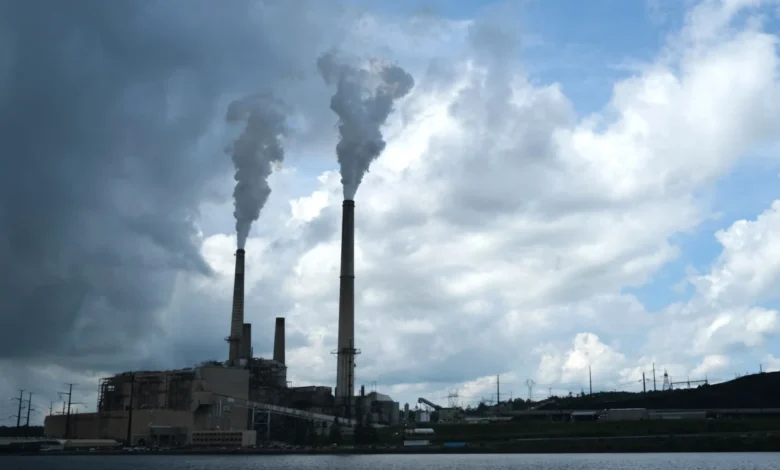
The implications of this shift are felt most acutely in the communities surrounding these data hubs. The reliance on onsite fossil fuel-powered turbines, particularly those used for backup or primary power in remote "hyperscale" facilities, releases significant amounts of nitrogen oxides (NOx), particulate matter (PM2.5), and volatile organic compounds. Furthermore, the push to keep aging coal-fired power plants online beyond their retirement dates—specifically to satisfy the load requirements of the tech sector—reintroduces pollutants that were previously slated for elimination.
Quantifying the Human Cost
The health consequences of increased particulate exposure are well-documented in medical literature. According to studies cited by the EPN researchers, the cumulative pollution associated with the projected growth of the AI industry could lead to as many as 1,300 premature deaths annually.
Dr. Lynn Goldman, a physician and former high-ranking EPA official, highlights the clinical reality behind these numbers. "The exposure to fine particulate matter is not a theoretical concern," Goldman stated. "We are talking about immediate, measurable impacts on public health, including increased rates of heart attacks, respiratory distress, and complications in premature births. Some of the carcinogenic effects of this increased industrial activity may take years or even decades to manifest, but the damage is being committed today."
The argument that AI innovation must come at the cost of local air quality is a point of intense contention. Critics argue that the "race for advantage" among tech giants—companies that often tout their own sustainability goals—is being subsidized by the public’s health. By shifting the burden of pollution onto local communities, these developers are effectively externalizing the true cost of their energy consumption.
Broader Implications: A Changing Federal Mandate
The federal government’s current stance represents a fundamental reversal of the EPA’s original mission. Established in 1970 to protect human health and the environment, the agency now finds itself in a role that many of its former employees characterize as an enabler of industrial expansion.
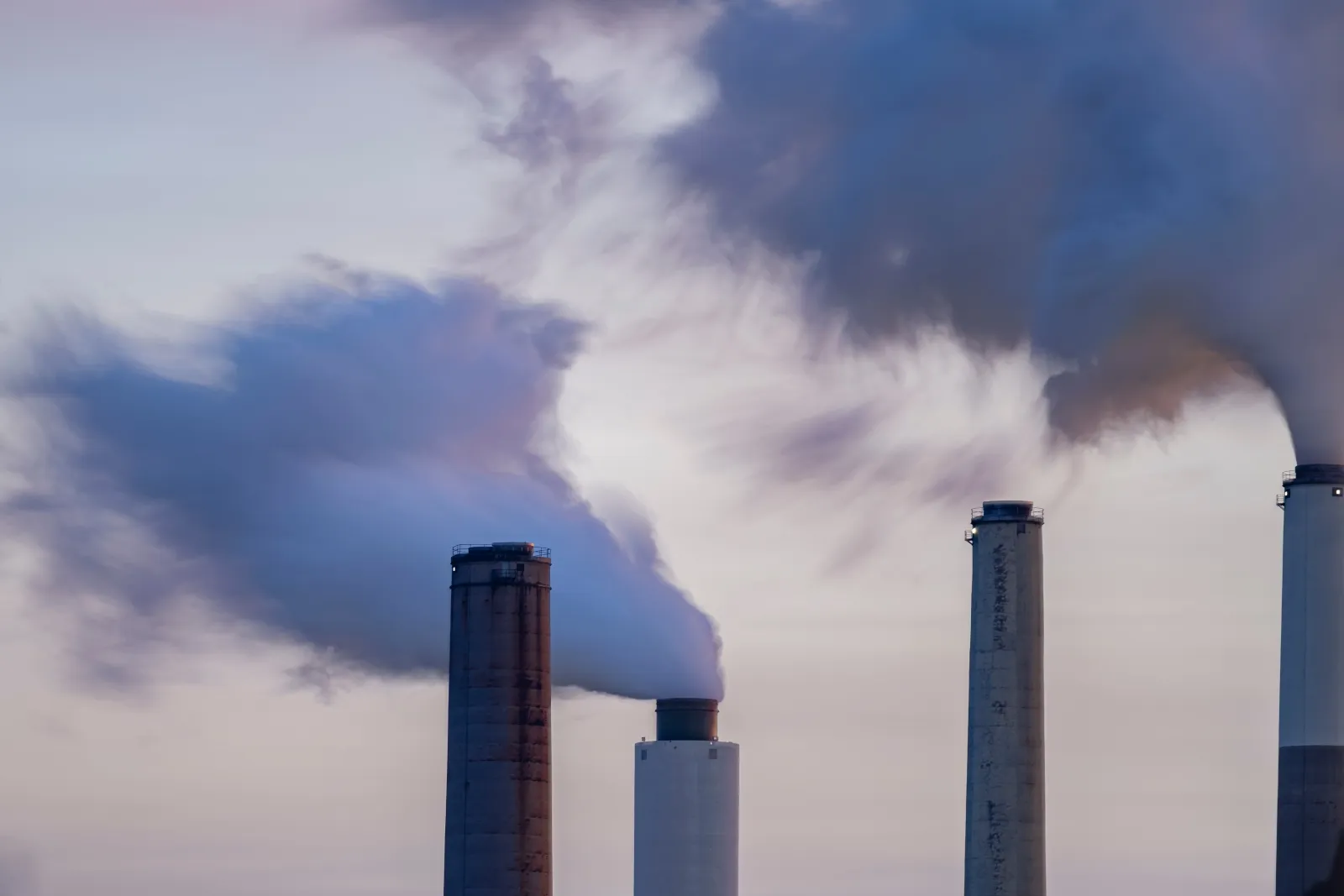
The directive to avoid "disrupting" power generation creates a chilling effect on local, state, and regional enforcement efforts. If the federal authority—the final word on environmental compliance—is explicitly discouraging enforcement, state regulators and local community groups find themselves with significantly less leverage to challenge the siting and operations of high-emission data centers.
Moreover, the lack of robust scientific oversight means that the long-term cumulative impacts of this industry are not being adequately tracked. "Transforming the nation’s energy system while simultaneously diminishing the capacity to understand the impacts is a policy of recklessness," Costa added.
The Industry Perspective and Future Outlook
While tech companies frequently argue that their data centers are essential to economic growth and national security, the lack of transparency regarding the pollution footprint of these facilities remains a point of friction. The industry’s push for "fast-track" permitting often bypasses the public comment periods that allow for local community oversight.
As the country moves toward an increasingly digitized economy, the tension between infrastructure development and environmental protection is likely to intensify. The current trajectory suggests that without a restoration of stringent regulatory oversight and a renewed commitment to independent scientific research, the physical footprint of the AI revolution will continue to expand in the shadows of diminished accountability.
For the families living in the proximity of these massive server farms, the "AI Capital of the World" is not an abstract economic victory. It is a daily reality of noise, exhaust, and the uncertainty of what these emissions mean for their long-term health. The EPN report serves as a stark reminder that in the rush to innovate, the most basic responsibility of government—to protect the life and safety of its citizens—is being pushed to the periphery of the national agenda. The debate over whether this trade-off is necessary will likely define the environmental and public health discourse for the remainder of the decade.