Ukraine Launches Attacks In New Russian Region As It Faces Setbacks On Home Soil

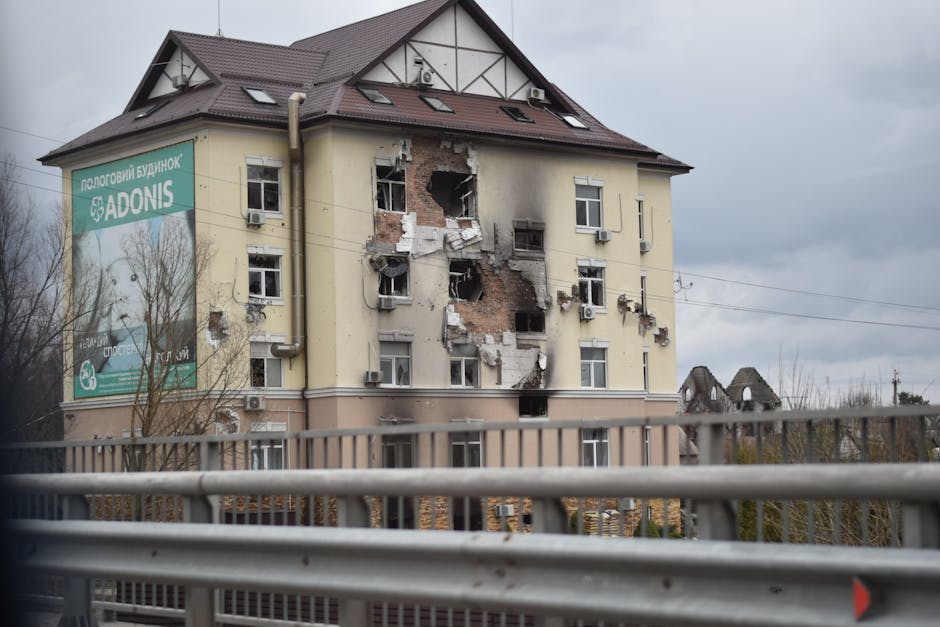
Ukraine Launches Attacks in New Russian Region Amidst Home Soil Setbacks
Recent Ukrainian military operations have extended into a new Russian region, marking a significant escalation in the ongoing conflict. This strategic move comes at a critical juncture for Kyiv, as it simultaneously grapples with internal challenges and a shifting military landscape. The incursions into Belgorod Oblast, a Russian region bordering Ukraine, represent a calculated response to perceived Russian vulnerabilities and a demonstration of Ukraine’s growing offensive capabilities. These attacks, characterized by drone strikes and cross-border sabotage, aim to disrupt Russian logistics, sow internal discord, and pressure Moscow to divert resources away from occupied Ukrainian territories. The decision to broaden the operational theater underscores a shift in Ukrainian strategy, moving from a primarily defensive posture to a more assertive and proactive approach. While the long-term implications of these cross-border raids remain to be seen, they signal Ukraine’s determination to bring the war to Russian soil and inflict tangible costs on the aggressor.
The Belgorod Oblast has become the latest flashpoint in the protracted conflict, with Ukrainian forces reportedly conducting a series of coordinated strikes targeting military infrastructure, fuel depots, and transportation hubs. These operations are not random acts of aggression but appear to be part of a larger, more sophisticated strategy designed to achieve specific objectives. By engaging in new Russian territories, Ukraine aims to achieve several key goals. Firstly, it seeks to degrade Russia’s ability to sustain its military operations within Ukraine by disrupting supply lines and inflicting damage on critical infrastructure. Secondly, these attacks are intended to demonstrate to the Russian populace that the war has direct consequences on their homeland, potentially eroding public support for the conflict. Thirdly, and perhaps most significantly, by forcing Russia to divert resources and attention to defend its own borders, Ukraine hopes to alleviate pressure on its own frontlines and create opportunities for its forces to regain lost territory. This multi-pronged approach highlights Ukraine’s adaptive and resilient military planning.
The context for these operations is crucial to understanding their significance. Ukraine is reportedly facing considerable setbacks on its own home soil, a reality that amplifies the importance of these new offensive actions. These "setbacks" can encompass a range of challenges, including protracted and costly counteroffensives that have not yielded the desired rapid breakthroughs, critical shortages of ammunition and advanced weaponry, and the devastating impact of sustained Russian missile and drone attacks on Ukrainian cities and infrastructure. The winter months, in particular, often present significant logistical and operational hurdles for military forces. Furthermore, the ongoing war effort has placed immense strain on Ukraine’s economy and its civilian population, necessitating a careful balancing act between defense and domestic stability. It is within this challenging domestic environment that Kyiv has chosen to escalate its offensive actions, suggesting a belief that the potential strategic gains outweigh the immediate risks.
The motivations behind Ukraine’s decision to expand its attacks into new Russian regions are multifaceted and deeply rooted in the strategic realities of the war. One primary driver is the desire to create a second front, forcing Russia to spread its military assets thinner and potentially weakening its grip on occupied territories. By demonstrating that Russian territory is not sacrosanct, Ukraine aims to impose a greater cost on Moscow for its continued aggression. This psychological impact on the Russian population and leadership cannot be overstated; it challenges the narrative of a distant conflict and brings the harsh realities of war closer to home. Furthermore, these attacks serve as a crucial message to international partners, signaling Ukraine’s continued resolve and its capacity to inflict damage on the aggressor, thereby reinforcing the need for continued military and financial support. The timing of these operations also suggests a calculated effort to exploit any perceived vulnerabilities or moments of strategic overextension by the Russian military.
The choice of Belgorod Oblast as a target is strategically significant. This region has long served as a logistical hub for Russian forces operating in eastern and southern Ukraine, facilitating the movement of troops, equipment, and supplies. By disrupting these vital arteries, Ukraine aims to hobble Russia’s operational capacity and hinder its ability to launch offensive operations or reinforce its positions. Drone attacks, a hallmark of modern warfare, offer a relatively low-cost and high-impact method for striking targets deep within enemy territory. These strikes can degrade air defenses, destroy critical infrastructure, and create a persistent sense of insecurity for Russian forces and potentially civilian populations close to the border. The ability of Ukrainian forces to effectively deploy and coordinate these strikes in a new region demonstrates their growing proficiency in reconnaissance, intelligence gathering, and operational execution.
The "setbacks on home soil" that Ukraine is reportedly facing are not to be underestimated. These can manifest in various forms, including the attrition of Ukrainian forces during prolonged and difficult counteroffensive operations. While Ukraine has achieved notable successes in reclaiming territory, the pace of these advances has been slower than many anticipated, leading to significant human and material costs. Ammunition scarcity, particularly for artillery and air defense systems, remains a persistent concern, impacting Ukraine’s ability to sustain offensive and defensive operations at the required tempo. Moreover, Russia’s continued reliance on long-range missile and drone strikes to target Ukrainian energy infrastructure, cities, and military targets imposes a significant burden on Ukraine’s defenses and its civilian population, exacerbating humanitarian challenges and economic strains. The need to constantly defend against these attacks consumes valuable resources and diverts attention from offensive initiatives.
This dual-pronged strategy – offensive operations in new regions and the continued defense against Russian aggression on its own territory – reflects a complex and evolving military calculus. Ukraine is not only fighting to defend its sovereignty but also to shape the strategic landscape in its favor. The cross-border attacks in Belgorod can be viewed as an attempt to create strategic leverage, to force Russia into a reactive posture, and to disrupt its long-term war aims. The success of these operations hinges on several factors, including the effectiveness of intelligence gathering, the precision of strikes, and Russia’s ability to adapt its defenses. However, the very act of launching these attacks signals a departure from a purely defensive stance and a willingness to carry the conflict to the aggressor’s doorstep.
The international dimension of these attacks is also noteworthy. For Ukraine’s allies, these operations demonstrate the continued resilience and capability of the Ukrainian armed forces. They underscore the fact that Ukraine is not passively awaiting liberation but is actively working to achieve it. This can bolster confidence among international partners and reinforce the argument for continued military and financial aid. Conversely, these attacks could also provoke a stronger reaction from Russia, potentially leading to an escalation of hostilities or a more aggressive response. Therefore, the Ukrainian leadership must carefully weigh the potential benefits of these operations against the risks of increased Russian retaliation. The strategic calculation involves a delicate balance between imposing costs on the adversary and managing the potential for escalation.
The psychological warfare aspect of these operations is also significant. By bringing the war into Russian territory, Ukraine aims to erode the complacency that may have settled within segments of the Russian population who have been shielded from the direct consequences of the conflict. This can contribute to a growing awareness of the true cost of the war and potentially sow seeds of dissent or opposition to the Kremlin’s policies. The effectiveness of this psychological component will depend on the scale and impact of the attacks, as well as the ability of independent media to report on them within Russia. However, the very act of penetrating Russian airspace and causing disruptions serves as a powerful symbolic gesture.
In conclusion, Ukraine’s launch of attacks in the new Russian region of Belgorod Oblast, amidst facing setbacks on its home soil, represents a significant and complex development in the ongoing conflict. This strategic maneuver is driven by a desire to disrupt Russian logistics, inflict costs on the aggressor, and potentially create leverage for future negotiations. While Ukraine grapples with the considerable challenges of defending its territory and sustaining its war effort, these offensive operations demonstrate a determined and adaptive approach to warfare, signaling Ukraine’s unwavering commitment to reclaiming its sovereignty and pushing back against Russian aggression. The success of these operations will be measured not only in immediate military gains but also in their long-term strategic implications for the trajectory of the war and the geopolitical landscape.


