Trump Welcomes Xi to Washington Amid High-Stakes Talks on AI, Trade, and a Landmark Greenland Security Pact

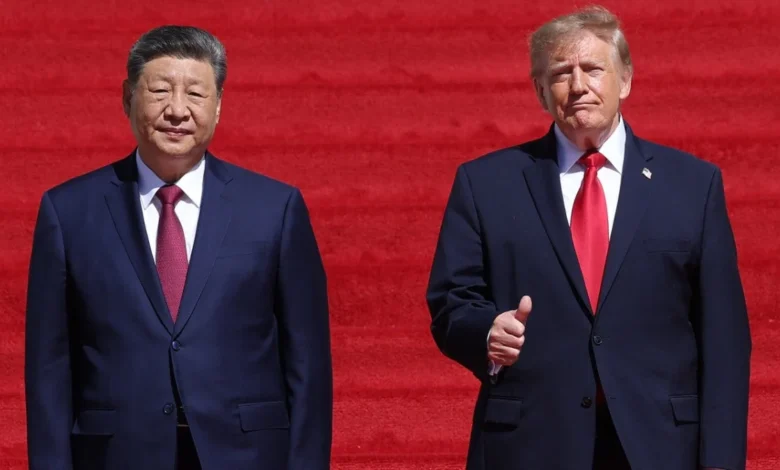
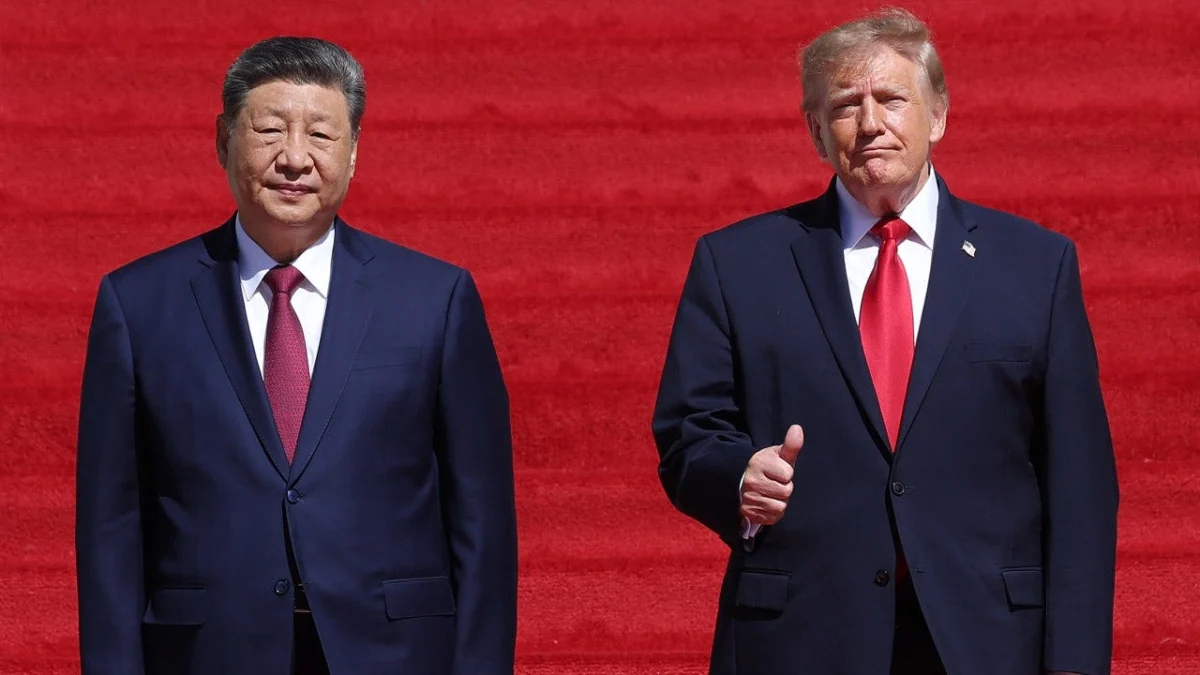
President Donald Trump welcomed Chinese President Xi Jinping to Washington for a comprehensive three-day state visit, setting the stage for high-stakes diplomatic, economic, and technological discussions. The visit unfolded against a rapidly evolving geopolitical backdrop, highlighted by the signing of a strategic security agreement regarding Greenland just days prior. The pact effectively bars non-NATO states, including China, from establishing a military presence or acquiring sensitive infrastructure positions on the strategic Arctic island.
The high-level diplomatic engagement marks the second major leadership summit between Trump and Xi this year, following Trump’s official visit to Beijing in May. While the May summit yielded broad discussions on bilateral trade, the Washington meetings placed a distinct emphasis on emerging technologies, specifically artificial intelligence (often referred to in diplomatic circles as "Super Intelligence"), alongside efforts to manage broader economic tensions and secure strategic supply chains.
The Three-Day State Visit and Ceremonial Proceedings
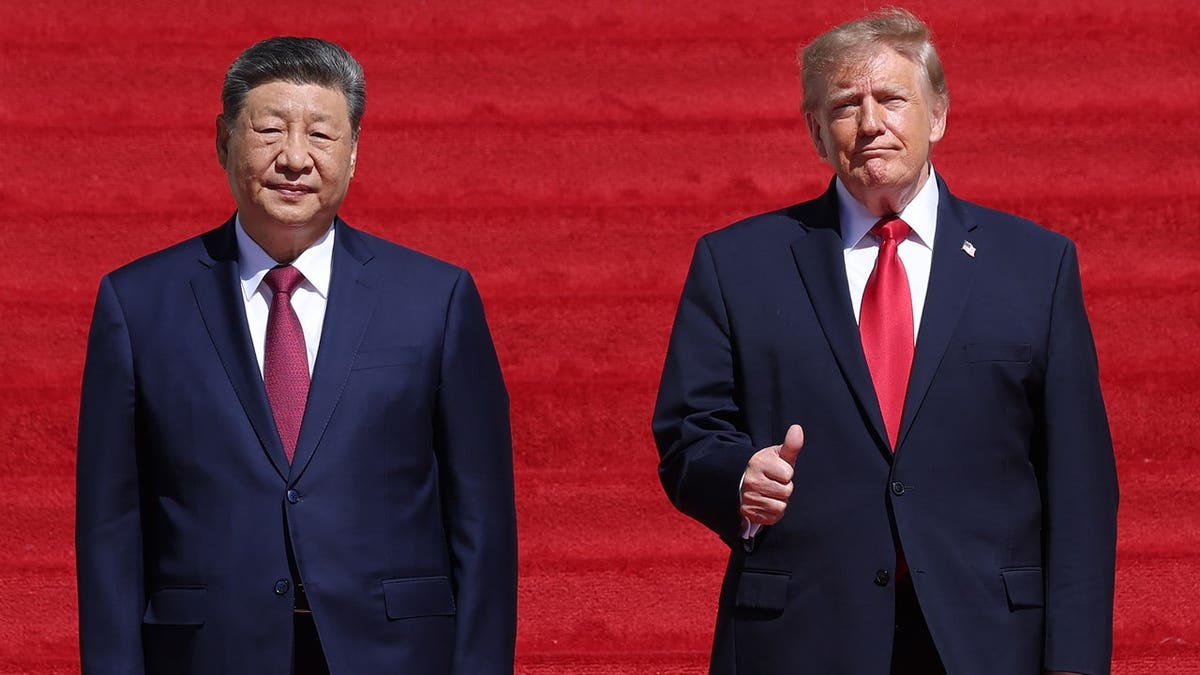
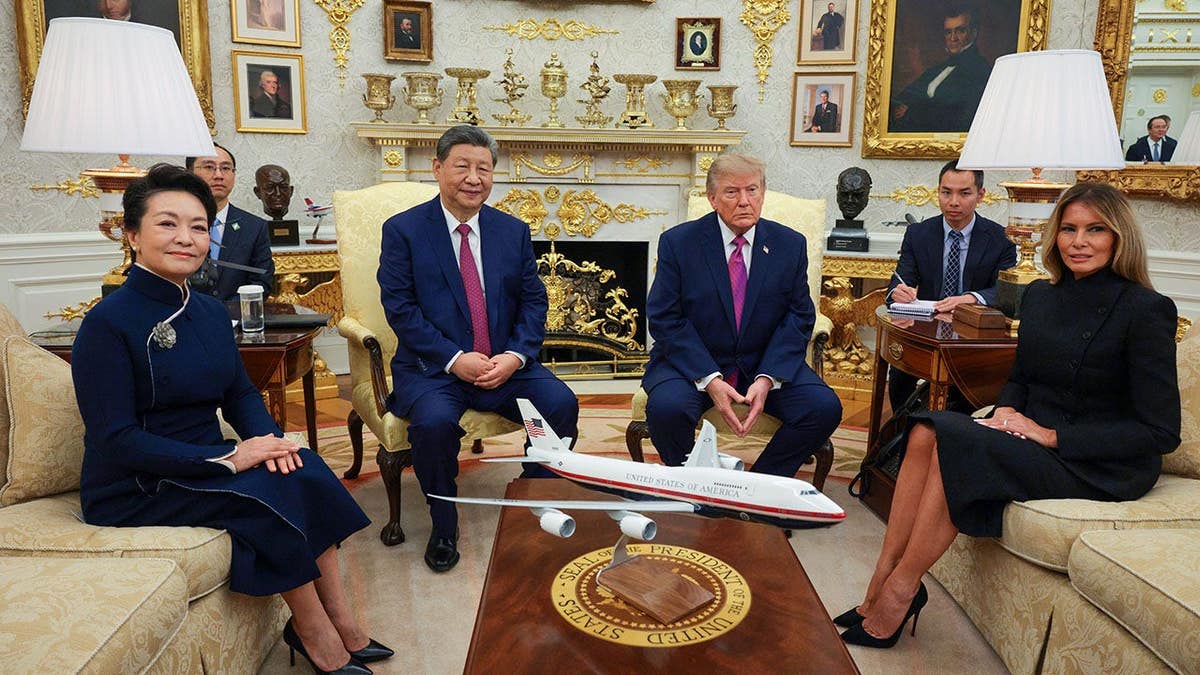
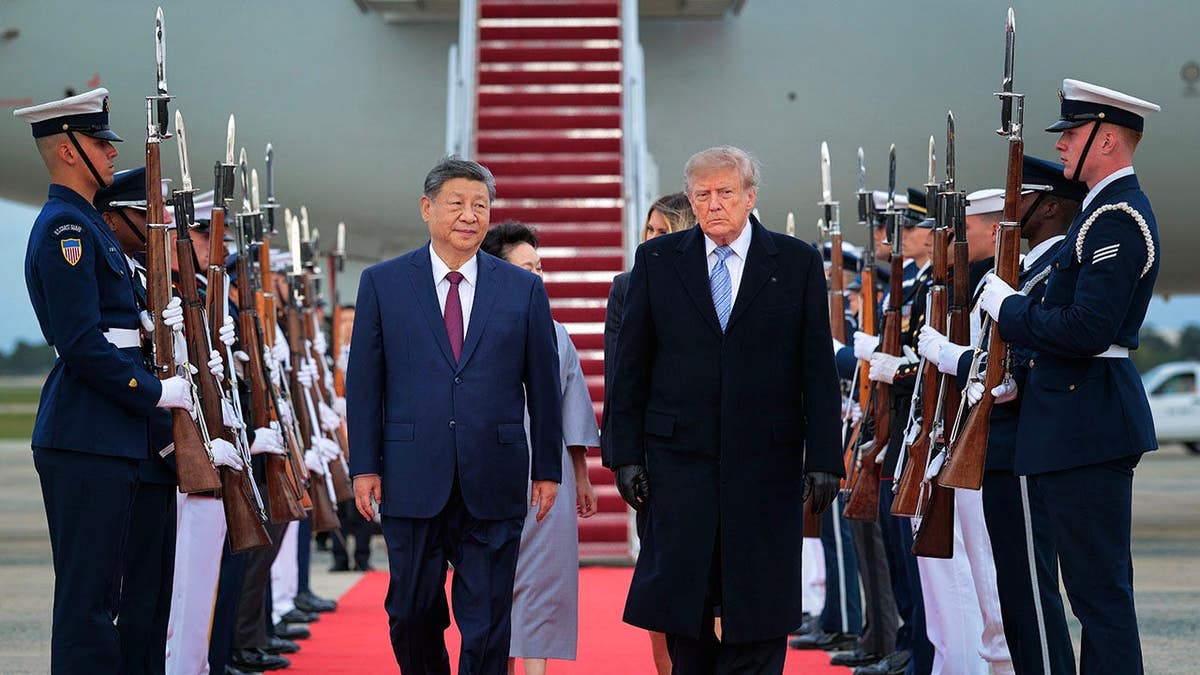
Chinese President Xi Jinping’s arrival at Joint Base Andrews initiated a meticulously orchestrated three-day itinerary. President Trump and First Lady Melania Trump hosted Xi and Chinese First Lady Peng Liyuan for a formal arrival ceremony complete with military honors on the South Lawn of the White House.
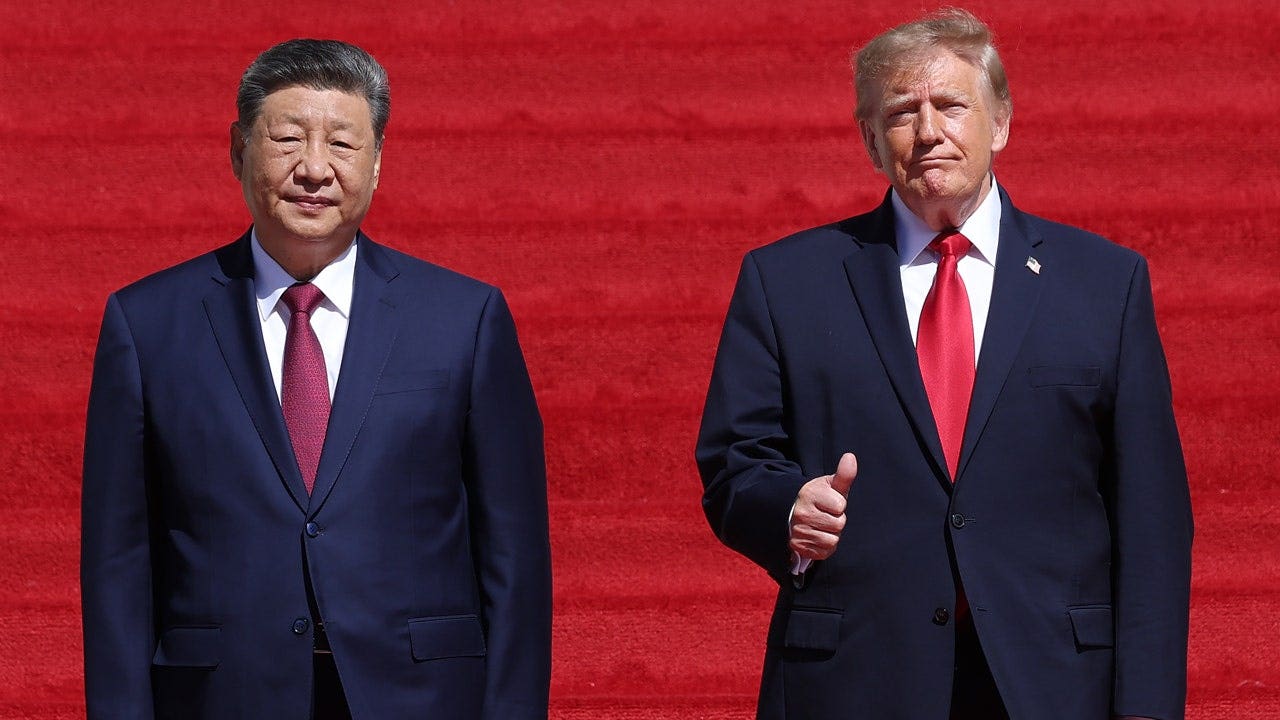
Following formal discussions in the Oval Office, the two leaders participated in a cultural and historical excursion, touring the National Archives Museum to view foundational documents pertinent to the historical development of U.S.-China relations. The itinerary underscored both the areas of cooperation and the deep systemic rivalries that continue to define the world’s most consequential bilateral relationship.
Unlike the May trip to Beijing—during which the administration announced broad outlines of bilateral trade arrangements—White House officials adopted a more measured approach regarding immediate, tangible deliverables from the Washington summit. A senior U.S. official confirmed that discussions covered macroeconomic policies, trade imbalances, and joint frameworks for technological governance, though comprehensive policy agreements were withheld pending further interagency review.
The White House State Dinner and the AI Power Play
On Thursday evening, the White House hosted a state dinner for 134 guests, bringing together top administration officials, diplomats, and an unprecedented gathering of American technology titans. The guest list included the chief executive officers and founders of the nation’s leading artificial intelligence and semiconductor firms: Jensen Huang of Nvidia, Mark Zuckerberg of Meta, Lisa Su of AMD, Tim Cook of Apple, Sam Altman of OpenAI, Elon Musk of Tesla and SpaceX, Jeff Bezos of Amazon, Satya Nadella of Microsoft, and Sundar Pichai of Google.
Foreign policy analysts noted that the prominent inclusion of Silicon Valley executives was not merely ceremonial, but a calculated geopolitical signal. Christine Balling, senior vice president for professional affiliations at The Institute of World Politics, observed that the high-profile gathering served to visually reinforce America’s dominant posture in the global technological race.
"I think the significance of the timing of this meeting, whether it’s intentional or not, shows that the Trump administration is taking the future of AI and the world very, very seriously," Balling stated. "The bottom line is that the most important images of the evening were those of the top artificial intelligence architects who were invited to that state dinner."
The Greenland Security Pact and Arctic Geopolitics
The timing of the Washington summit was structurally tied to a major development in Arctic security. On September 22, just days before Xi’s arrival, the United States formally signed a comprehensive security and development agreement concerning Greenland. The pact, which follows months of intense diplomatic negotiations between Washington, Copenhagen, and Nuuk, dramatically alters the strategic balance in the High North.
The agreement expands the operational footprint of the United States military on the island—including provisions reinforcing existing installations and facilitating advanced space-domain awareness capabilities—while explicitly excluding non-NATO entities from establishing military footprints, intelligence outposts, or critical infrastructure holdings. Furthermore, the pact grants the United States and its NATO allies a right of first refusal concerning critical mineral mining, rare earth element extraction, oil and gas exploration, and regional data center investments.
For years, Beijing has actively pursued an expanded role in the Arctic region, characterizing China as a "near-Arctic state" and promoting its ambitious "Polar Silk Road" initiative. This strategy has involved heavy investments and proposals relating to commercial shipping routes, scientific research stations, and infrastructure projects across Greenland and other northern territories. U.S. national security officials have repeatedly raised concerns regarding Chinese attempts to acquire abandoned military facilities and develop commercial dual-use airports on the island, viewing these initiatives as precursors to strategic power projection in the North Atlantic.
Strategic Implications and Expert Analysis
The conclusion of the Greenland agreement has drawn high praise from foreign policy and defense analysts, who view the pact as a decisive countermeasure against Chinese economic and military encroachment in the Western Hemisphere.
Comparing the diplomatic achievement to historical territorial acquisitions, experts have noted that securing permanent land, air, and sea rights in the Arctic provides the United States with an indispensable strategic vantage point as climate change opens new maritime transit routes and resource reserves.
"Number one, that is a tremendous victory for the United States and the free world," Balling noted, emphasizing the multi-domain defense rights secured by the agreement. "It means that the United States has the ability to establish additional defensive infrastructure, including Space Force capabilities, and has secured land, air, and sea rights across Greenland while screening out external strategic competitors."
The pact also addresses critical economic vulnerabilities. Western economies have remained structurally dependent on Chinese supply chains for rare earth elements and specialized minerals vital to both consumer electronics and defense manufacturing. By securing preferential extraction and development rights in Greenland—which possesses some of the world’s largest untapped deposits of critical minerals—the agreement lays the groundwork for diversified supply chains independent of Beijing’s export controls.
Chronology of Key Events Leading to the Summit
The convergence of Arctic security policy and U.S.-China bilateral diplomacy followed a distinct timeline throughout the year:
- Early 2026: Preliminary diplomatic discussions regarding enhanced U.S. security cooperation and resource access in Greenland intensify within national security circles.
- May 2026: President Trump travels to Beijing for an official state visit, engaging in trade negotiations with President Xi Jinping.
- Summer 2026: The Trump administration increases public and private diplomatic pressure concerning Arctic sovereignty, countering Chinese infrastructure investments in the North Atlantic.
- September 22, 2026: The United States and Greenland officially sign a historic security and resource-sharing pact, barring non-NATO military presence and restricting strategic foreign investments.
- September 23, 2026: Chinese President Xi Jinping arrives at Joint Base Andrews, initiating a three-day state visit to Washington, D.C.
- September 24, 2026: Presidents Trump and Xi hold formal Oval Office meetings, followed by a high-profile state dinner attended by prominent U.S. technology executives.
- September 25, 2026: The leaders conclude the summit with a joint tour of the National Archives Museum, marking the end of the three-day state visit.
Outlook and Future Relations
As President Xi departs Washington, the broader trajectory of U.S.-China relations remains complex, characterized by simultaneous competition and necessary economic interdependence. While the immediate summit did not result in a sweeping omnibus trade accord, the juxtaposition of the Greenland security pact and the gathering of Silicon Valley leadership underscored a distinct American strategy: asserting defensive and technological dominance while managing great power competition from a position of systemic strength.
Observers will be closely monitoring whether the framework discussions on artificial intelligence and economic cooperation translate into formal regulatory understandings or export frameworks in the coming months, even as both nations continue to navigate deep-seated strategic divergences across the globe.
Related posts: